
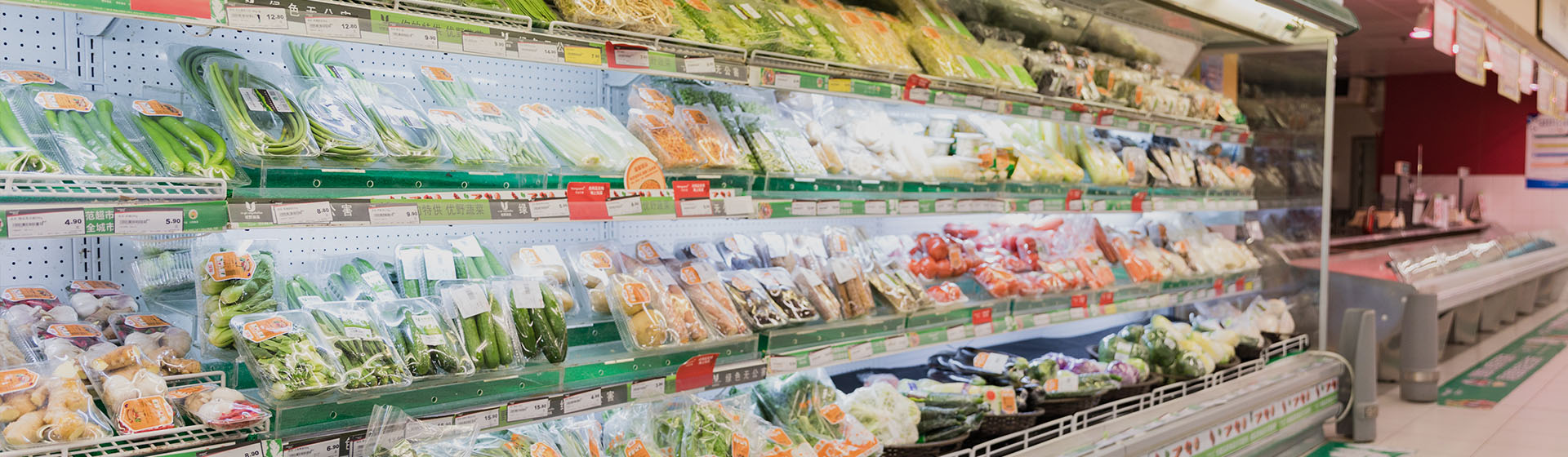
In commercial refrigeration environments, an upright fridge is not just a storage appliance but a core piece of equipment that directly affects food safety, operational efficiency, and long-term cost control. Proper installation and maintenance are essential to ensure stable cooling performance, reduce energy consumption, and extend the service life of the unit.
For B2B buyers such as supermarkets, restaurants, distributors, and cold chain operators, understanding how to correctly install and maintain an upright fridge can significantly reduce downtime, minimize repair costs, and improve overall operational reliability. This article focuses on product-oriented insights, providing a practical and technical guide tailored for commercial use.
What Is a Commercial Upright Fridge
A commercial upright fridge is a vertical refrigeration unit designed for high-capacity storage with easy access and organized shelving. Compared to chest-style refrigeration, upright fridges offer better visibility, structured storage, and faster product retrieval, making them ideal for fast-paced commercial environments.
These units are commonly used for:
● Beverages and bottled drinks
● Dairy products and packaged food
● Fresh produce and prepared meals
● Restaurant ingredients and kitchen storage
Their vertical structure allows efficient use of floor space while maintaining high storage capacity.
Key Product Features That Affect Installation and Maintenance
Understanding the product design helps ensure proper setup and long-term performance.
● High-efficiency compressor for continuous cooling
● Multi-layer shelving for organized storage
● Digital temperature control for precision adjustment
● Advanced insulation system to reduce energy loss
● Forced air circulation system for uniform cooling
● Durable exterior and interior materials for heavy-duty use
These features define how the unit should be installed and maintained for optimal results.
Proper Installation for Commercial Upright Fridge
Correct installation ensures stable operation, energy efficiency, and long equipment lifespan.
● Location Selection and Space Planning
Choose a well-ventilated location that allows sufficient airflow around the unit. Avoid placing the fridge near heat sources such as ovens, direct sunlight, or HVAC exhaust systems. Maintain clearance on all sides to ensure proper heat dissipation.
● Floor Leveling and Stability
Ensure the unit is placed on a flat and stable surface. Uneven positioning can lead to compressor strain, door misalignment, and uneven cooling performance.
● Electrical Connection Requirements
Connect the fridge to a dedicated grounded power outlet that meets voltage requirements. Avoid shared circuits to prevent power instability, which can damage internal components.
● Initial Startup and Cooling Stabilization
After installation, allow the fridge to run empty for several hours until the internal temperature stabilizes. This step ensures the cooling system reaches optimal performance before loading products.
● Temperature Calibration
Set the correct temperature range based on product requirements, typically between 2°C and 8°C for refrigeration. Accurate calibration ensures food safety and energy efficiency. 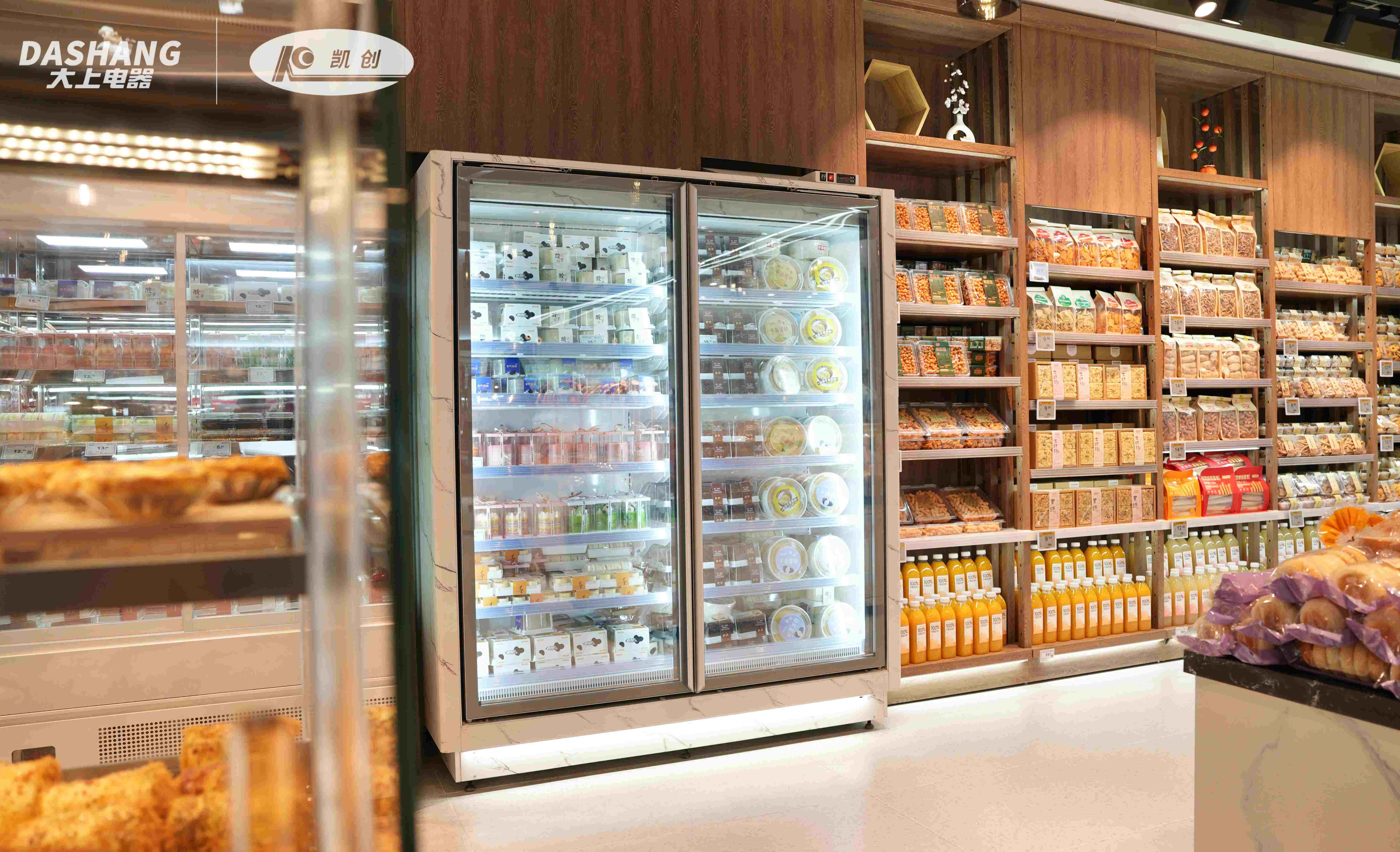
Product Loading and Storage Optimization
Proper product placement improves cooling efficiency and extends equipment lifespan.
● Avoid overloading shelves to maintain proper airflow
● Keep products evenly distributed across all shelves
● Store frequently used items at accessible heights
● Avoid blocking air vents inside the cabinet
● Use organized storage systems for different product categories
Efficient loading reduces compressor workload and ensures consistent temperature distribution.
Maintenance Strategies for Long-Term Performance
Regular maintenance is essential for maintaining product performance and avoiding operational disruptions.
● Cleaning Condenser Coils
Dust and debris accumulation reduces heat exchange efficiency. Clean condenser coils regularly to maintain optimal cooling performance.
● Inspecting Door Seals
Check gaskets for wear, cracks, or looseness. Damaged seals lead to cold air leakage and increased energy consumption.
● Monitoring Temperature Consistency
Use temperature monitoring tools to ensure stable internal conditions. Fluctuations may indicate airflow issues or system inefficiency.
● Defrost System Maintenance
Ensure the defrost system is functioning correctly to prevent ice buildup, which can restrict airflow and reduce cooling efficiency.
● Air Circulation System Check
Inspect fans and air ducts to ensure proper airflow distribution. Blocked or malfunctioning systems can cause uneven cooling.
● Interior Hygiene Maintenance
Regular cleaning of shelves and internal surfaces helps maintain food safety standards and prevents contamination.
Energy Efficiency and Cost Control
Energy performance is a key factor in commercial refrigeration operations.
● Minimize door opening frequency to reduce cold air loss
● Maintain proper loading levels to optimize airflow
● Ensure door seals are intact to prevent energy waste
● Use energy-efficient models with advanced insulation
● Schedule regular maintenance to avoid system inefficiency
These practices help reduce operational costs and improve sustainability.
Common Installation and Maintenance Mistakes to Avoid
Avoiding common errors can significantly improve equipment performance.
● Installing the unit too close to walls without ventilation clearance
● Overloading the fridge, blocking airflow
● Ignoring routine maintenance and cleaning schedules
● Setting incorrect temperature ranges for stored products
● Using unstable or non-dedicated power sources
Preventing these issues ensures consistent performance and longer service life.
Conclusion
A commercial upright fridge is a critical asset in food storage and retail operations, and its performance depends heavily on proper installation and regular maintenance. From location planning and electrical setup to airflow management and cleaning routines, every step plays a role in ensuring efficient operation.
For B2B buyers, investing in the right equipment is only part of the process. Implementing correct installation practices and ongoing maintenance strategies ensures maximum return on investment, improved product quality, and long-term operational stability.
FAQ
1. How long should I wait before using a newly installed upright fridge?
It is recommended to wait 2–4 hours after installation to allow temperature stabilization.
2. How often should condenser coils be cleaned?
At least twice a year, or more frequently in dusty environments.
3. What is the ideal temperature for a commercial upright fridge?
Typically between 2°C and 8°C depending on stored products.
4. Why is airflow important in upright fridges?
Proper airflow ensures uniform cooling and prevents temperature fluctuations.
Post time: Apr-20-2026


