
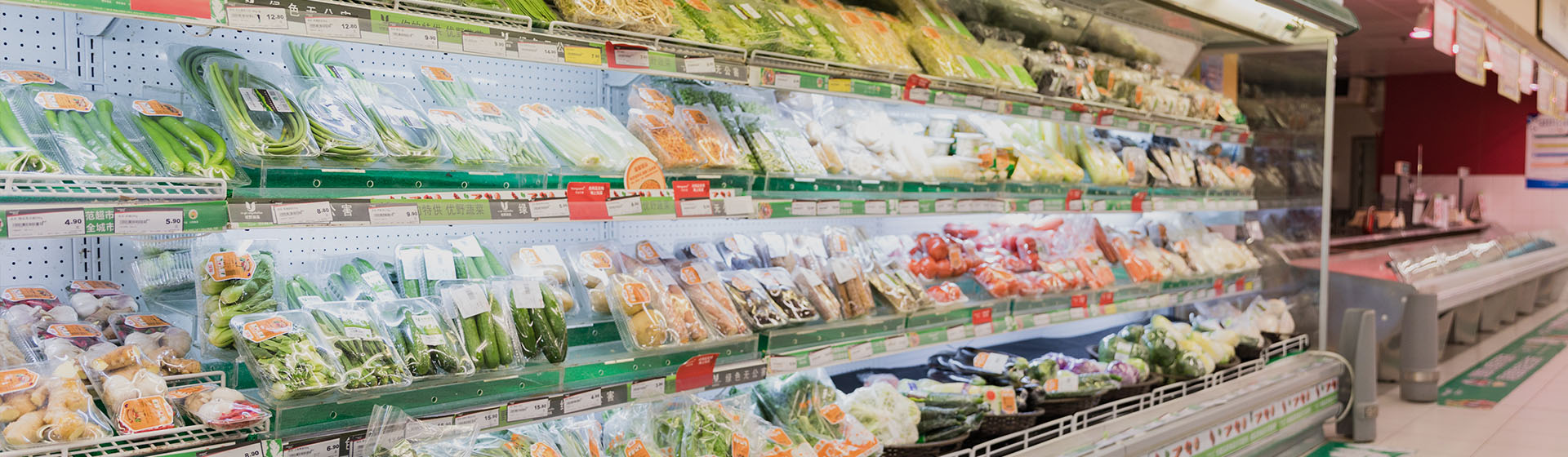
An Open Chiller is a commercial refrigeration cabinet designed for quick access, high product visibility, and convenient fresh food display. In supermarkets, convenience stores, bakeries, and fresh food areas, shoppers often decide within seconds whether a product looks fresh enough to buy. A cabinet without a door barrier helps customers see packaged vegetables, dairy, drinks, sandwiches, salads, and ready-to-eat food more directly. For store operators, the real value is not only cold storage. It is the ability to combine refrigeration, display, replenishment, and customer movement in one sales area. When the cabinet is designed with stable airflow, proper lighting, and practical shelf depth, it can help fresh products stay attractive while making daily operation easier for staff.
Why supermarkets use open refrigeration for high-turnover products
The main reason retailers choose an Open Chiller is speed. High-turnover products need to be seen, picked up, compared, and replaced many times a day. A closed cabinet may save some energy in certain conditions, but it can also slow down impulse buying when shoppers only want to grab a drink, a salad box, or a package of yogurt. Open display refrigeration removes that small hesitation. It creates a more direct buying path from visual interest to product pickup.
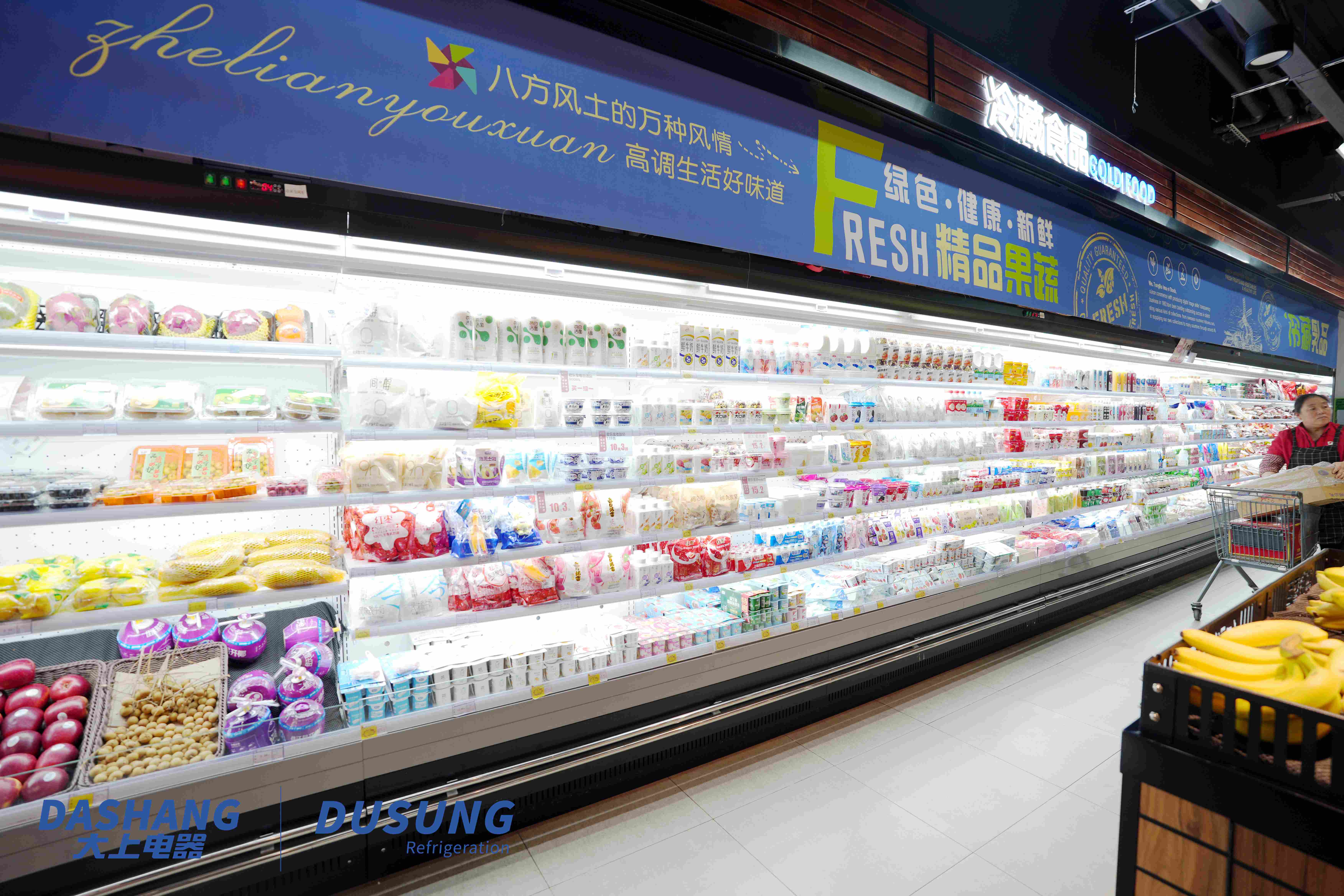
This matters especially in fresh food zones where the display is part of the selling message. A neat row of chilled fruit cups or dairy products can make the area feel clean and active. If the cabinet has balanced lighting and shelves that keep the front row easy to see, the product does not look hidden inside a cold machine. It looks like part of the store experience.
Better visibility supports faster buying decisions
Fresh food purchases are often emotional and practical at the same time. Customers want products that look fresh, easy to reach, and worth trusting. An open front design allows the label, color, packaging, and product arrangement to work together. The shopper can compare sizes and flavors without opening a door, which keeps the aisle moving during busy hours.
More flexible display for different store areas
A modern Open Chiller can be used in multiple positions, including wall-side areas, end displays, grab-and-go zones, bakery corners, and beverage sections. Shelves can be adjusted for different package heights, while night curtains or energy-saving operation settings can help stores manage use outside peak hours. This flexibility is important because a store layout often changes with seasons, promotions, and product categories.
Temperature control is still the key point
Although shoppers notice the open structure first, store buyers should focus on refrigeration performance. An open cabinet must create a stable air curtain that separates the chilled product zone from the warmer store environment. If the airflow is weak, uneven, or easily disturbed, products near the front may warm up while products near the back become too cold. A good cabinet should keep temperature differences under control and support safe display conditions for the intended product category.
The surrounding environment also matters. Store temperature, air conditioning outlets, sunlight, door entrances, and aisle traffic can affect cabinet performance. For example, placing an open cabinet directly near a hot entrance or strong ventilation outlet may increase refrigeration load. Before choosing a model, buyers should consider where the cabinet will stand, how products will be arranged, and how often staff will refill shelves.
Air curtain design affects product freshness
Air curtain design is one of the most important details. A smooth curtain helps chilled air flow across the front opening and return correctly. When this circulation is stable, the cabinet can protect product temperature while keeping the open display advantage. Poor airflow can create fogging, dry product surfaces, or unstable temperature recovery after heavy shopping traffic.
Shelf loading must match airflow requirements
Even a well-designed cabinet can perform poorly when overloaded. Products should not block return air openings or extend too far beyond shelf limits. For daily store operation, clear loading marks and practical shelf depth help staff place goods correctly. This reduces temperature complaints and keeps the display looking organized.
What to check before choosing an open chiller
A practical selection process starts with product type. Packaged drinks, dairy, meat alternatives, desserts, and ready meals do not always need the same temperature range or shelf layout. Buyers should confirm the display temperature, cabinet length, shelf number, installation type, lighting, and energy-saving features before placing an order. The best choice is not always the largest cabinet. It is the cabinet that fits the product category and store traffic.
For supermarkets with several fresh food zones, matching cabinet appearance is also valuable. A consistent design language makes the store look organized. Glass side panels, shelf lighting, color options, and modular length choices can help equipment blend into the store plan. When cabinets are placed in a line, alignment and finishing details become even more visible.
Project buyers should think about long-term use
A supermarket refrigeration project is usually expected to operate for many years. Buyers should look beyond the initial display effect and ask how the cabinet handles daily loading, peak-hour shopping, cleaning, service access, and future category changes. Dashang refrigeration equipment is developed around commercial display needs, with attention to temperature stability, product visibility, practical structure, and store application matching. This makes the Open Chiller a useful option for retailers that want fresh product display to be both attractive and operationally reliable.
FAQ
Is an open chiller suitable for dairy products?
Yes, it can be suitable for packaged dairy products when the cabinet temperature range matches the product requirement and the store environment supports stable operation. Buyers should confirm temperature settings before use.
Does an open chiller use more energy than a glass door cabinet?
In many cases, open refrigeration may consume more energy because there is no door barrier. However, good air curtain design, night curtains, correct placement, and proper loading can help improve efficiency.
Can one open chiller display different product categories?
Yes, but products should have similar temperature requirements. Mixing products with very different storage needs may affect freshness, safety, and display performance.
Where should an open chiller be placed in a supermarket?
It is best placed away from direct sunlight, hot entrances, and strong air outlets. Fresh food zones, beverage aisles, and grab-and-go areas are common positions when traffic and airflow are considered.
Post time: Jul-08-2026


