
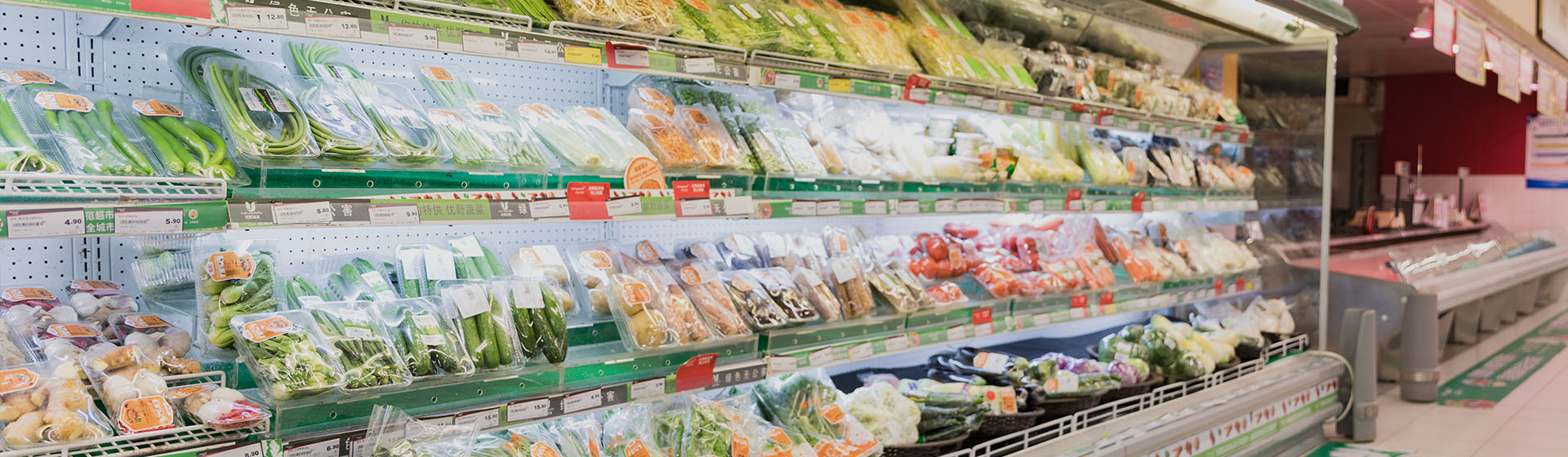
Different retail businesses have different refrigeration requirements. Supermarkets handle a wide range of chilled and frozen products, convenience stores prioritize compact equipment and quick access, while specialty shops often need cabinets designed for specific food categories. Choosing suitable Commercial Refrigeration Solutions involves more than selecting equipment with sufficient capacity. Product types, storage conditions, store dimensions, and service methods all influence the decision. Understanding these differences helps retailers select practical equipment instead of relying on a standard configuration for every business.
Why Retail Formats Require Different Refrigeration Equipment
The main difference between retail formats is how products are sold, stored, and handled.
Supermarkets generally need several types of refrigeration equipment because they offer products across multiple temperature categories. Their requirements may include chilled displays, frozen storage, fresh-food showcases, and back-of-house refrigerators.
Convenience stores usually have a smaller product range and limited floor space. Their equipment must provide sufficient storage and display capacity without restricting customer movement or daily operations.
Specialty shops have more focused requirements. A bakery displaying chilled desserts, for example, needs different equipment from a butcher shop handling fresh meat. Product characteristics and service methods therefore play an important role in cabinet selection.
This is why Commercial Refrigeration Equipment should be chosen according to the store’s actual operating needs rather than based on cabinet size or appearance alone.
Supermarkets: Supporting a Broad Product Range
Supermarkets sell products across several categories, including dairy products, beverages, packaged meals, fresh food, and frozen goods. These products may require different refrigeration temperatures and display formats.
A supermarket may use open multideck refrigerators for selected chilled products, glass-door upright cabinets for packaged goods, and island freezers for frozen food. Deli cabinets and fresh-food showcases can serve departments with more specific presentation requirements.
Each equipment type should have a clear purpose. Glass-door upright refrigerators, for example, are suitable for many packaged chilled products, while island freezers provide accessible frozen storage. Deli cabinets are more appropriate for products displayed at service counters.
The product range may also change with seasonal demand and promotional activities. Retailers should consider whether the selected equipment can accommodate different package sizes and product categories over time.
For this reason, Supermarket Refrigeration usually involves several complementary equipment types rather than one cabinet design for the entire store.
Convenience Stores: Making Better Use of Limited Space
Convenience stores typically sell frequently purchased items such as drinks, dairy products, packaged snacks, ready-to-eat meals, and frozen convenience foods. Their refrigeration equipment needs to balance product capacity with the available floor area.
Glass-door upright refrigerators are commonly used for beverages and packaged chilled products because customers can view the contents before opening the doors. Compact undercounter refrigerators can support staff-side storage or food preparation, while smaller freezer units provide space for frozen products.
Several practical details should be checked before selecting equipment:
- Cabinet dimensions: Confirm that the unit fits the available installation area without restricting aisles or customer access.
- Product capacity: Check whether the usable interior space accommodates the actual package sizes and expected stock quantity.
- Door operation: Consider opening direction and clearance, particularly in narrow stores.
- Equipment functions: Separate display, preparation, and reserve storage needs instead of expecting one cabinet to perform every task.
For Convenience Store Refrigeration, the best solution is not necessarily the largest cabinet. It is a suitable combination of equipment that supports the store’s product range while making effective use of limited space.
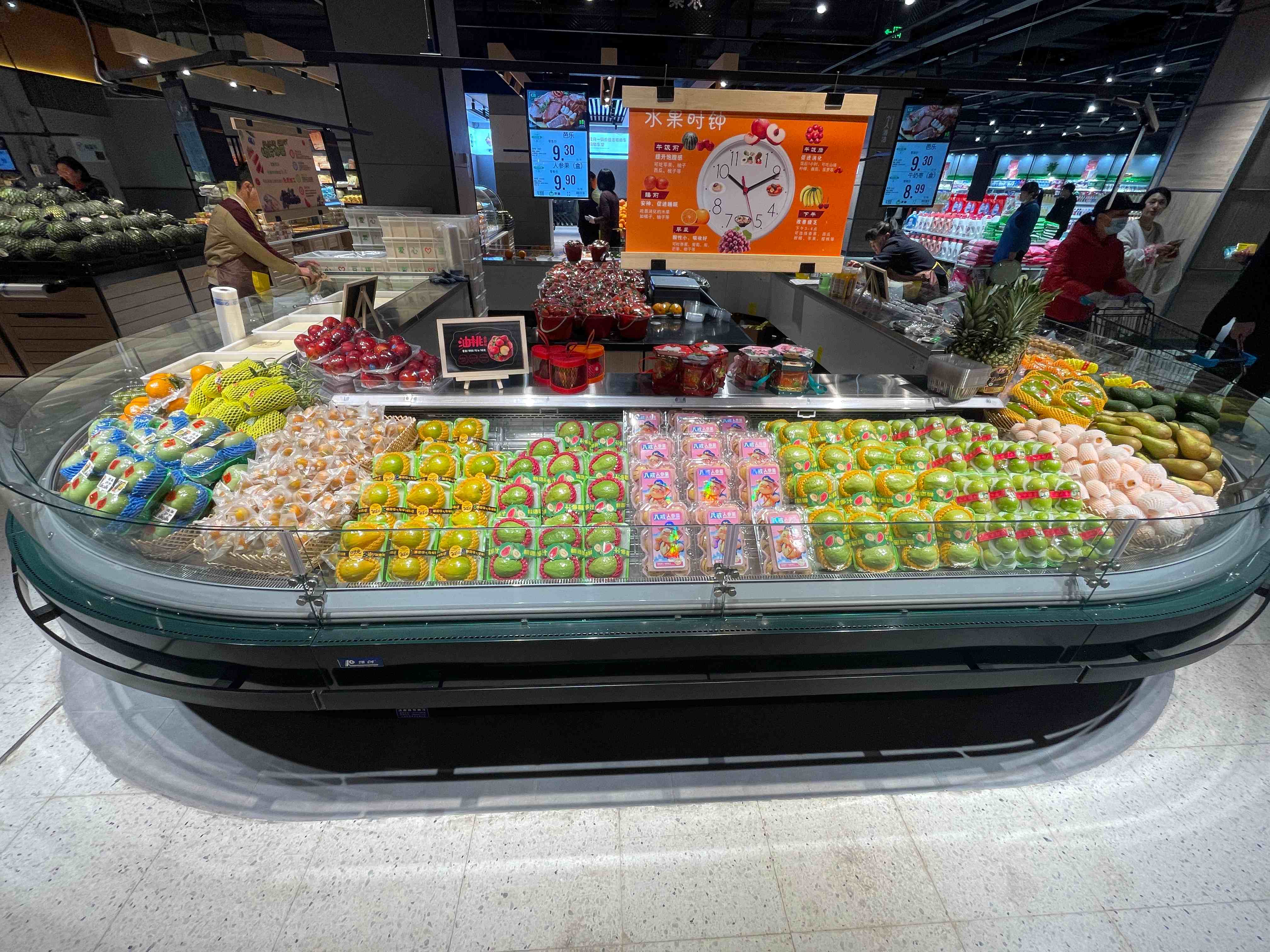
Specialty Shops: Choosing Equipment Around Specific Products
Specialty food retailers often have focused product ranges, but their refrigeration requirements can be more specific. Equipment should match the products being sold, their storage conditions, and the way customers purchase them.
| Specialty Shop | Typical Products | Suitable Refrigeration Equipment | Main Considerations |
|---|---|---|---|
| Bakeries and dessert shops | Chilled cakes, pastries, and desserts | Refrigerated display cabinets | Product visibility, presentation, and suitable storage temperatures |
| Butcher shops | Fresh meat and selected meat products | Specialized meat display cases or serve-over counters | Hygiene, product handling, and cleaning access |
| Delicatessens | Cheese, cold cuts, salads, and prepared foods | Deli cabinets or self-service refrigerated showcases | Service methods, accessibility, and packaging requirements |
Bakeries may use refrigerated display cabinets to present chilled desserts while keeping them accessible. However, not every baked product requires refrigeration, so the equipment should reflect the actual product range.
Butcher shops generally need specialized display equipment designed for fresh-food presentation and appropriate product handling. A standard beverage refrigerator is not a suitable substitute for a cabinet intended for fresh meat.
Delicatessens may choose between serve-over cabinets and self-service showcases. Serve-over equipment supports staff-assisted service, while self-service formats allow customers to select packaged products directly.
These differences explain why Specialty Store Refrigeration should be selected according to individual product requirements rather than simply adapting standard supermarket equipment.
Key Factors When Comparing Refrigeration Solutions
Although retail formats have different priorities, several factors should be considered before purchasing commercial refrigeration equipment.
Product storage requirements: Identify which products need chilling or freezing and confirm their recommended storage conditions. Products with incompatible temperature requirements may need separate equipment.
Available installation space: Measure the installation area, access routes, door clearance, and space required for maintenance. Cabinet dimensions should fit the actual site conditions.
Display and service methods: Determine whether customers select products themselves or receive assistance from staff. Open cabinets, glass-door units, and serve-over showcases serve different purposes.
Storage capacity: Consider package dimensions, expected stock quantities, and replenishment frequency. Nominal cabinet volume alone does not always indicate how much usable product space is available.
Cleaning and maintenance: Check whether staff can access interior surfaces and relevant components for routine cleaning and servicing. Convenient maintenance access can reduce unnecessary operational work.
Future requirements: Consider possible changes in product categories, store size, or operating methods. Equipment should remain suitable if the business expands or adjusts its product range.
Comparing these factors makes it easier to evaluate different Commercial Refrigeration Solutions based on actual operating requirements rather than price or appearance alone.
Can One Refrigeration Format Serve Multiple Retail Businesses?
Some refrigeration products can be used across different retail formats, provided their storage and operating requirements are compatible.
Glass-door upright refrigerators, for example, can serve supermarkets, convenience stores, and specialty shops selling packaged chilled or frozen products. Open multideck cabinets may be suitable for supermarkets and selected convenience stores, while deli cabinets can serve both supermarket deli departments and independent delicatessens.
However, using the same equipment category does not mean every store needs an identical configuration. Cabinet dimensions, temperature requirements, shelf arrangements, door structures, and refrigeration methods may differ according to the product range and installation conditions.
Retailers should distinguish between choosing an equipment type and specifying its actual configuration. Two stores may select the same refrigerator category but need different capacities or dimensions.
Reviewing these requirements before purchasing is particularly important for new stores and equipment replacement projects. It helps reduce unsuitable selections and avoid unnecessary modifications after installation.
Finding the Right Refrigeration Solution for Your Store
A suitable refrigeration configuration starts with understanding the store’s products, operating model, and installation conditions. DUSUNG offers commercial refrigeration equipment for different retail applications, including glass-door upright refrigerators, multideck display cabinets, island freezers, deli cabinets, and fresh-food showcases. Retailers planning a new project or upgrading existing equipment can evaluate cabinet types, dimensions, and configurations according to their requirements. Providing the store format, product categories, preferred equipment, and available installation space is a practical starting point for discussing a suitable solution.
Conclusion
Different retail formats require different refrigeration priorities. Supermarkets need equipment for a broad product assortment, convenience stores must use limited space efficiently, and specialty shops often require cabinets suited to specific food categories. Choosing the right Commercial Refrigeration Solutions means considering product requirements, installation space, display methods, capacity, and maintenance together. A suitable equipment configuration can support daily operations and accommodate future business changes.
FAQ
1. What refrigeration equipment is commonly used in supermarkets?
Supermarkets may use multideck refrigerators, glass-door upright cabinets, island freezers, deli showcases, and fresh-food display cabinets, depending on their product assortment.
2. What refrigeration equipment is suitable for convenience stores?
Glass-door upright refrigerators, compact undercounter units, and smaller freezer combinations are common options. The choice depends on available space and the products being sold.
3. Do specialty shops need customized refrigeration equipment?
Not always. Standard equipment may suit some applications, while specialized products or unusual installation dimensions may require a different cabinet configuration.
4. What should retailers consider before purchasing commercial refrigeration equipment?
They should review product storage requirements, cabinet dimensions, installation space, display methods, storage capacity, and routine maintenance needs.
Post time: Nov-27-2026


