
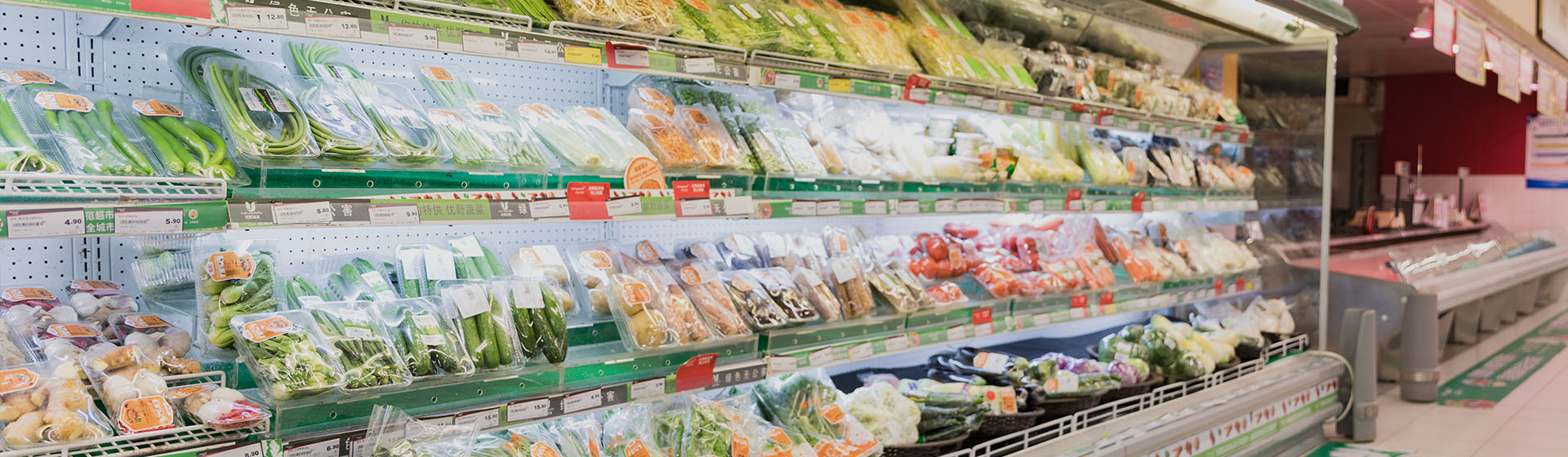
A wider viewing window can make frozen products easier to identify, but a larger glass surface alone does not guarantee a better retail display. The internal storage layout, product arrangement, lid design, and cooling performance all influence how effectively an island freezer works in daily operations. A Widened Transparent Window Island Freezer is designed to provide customers with a broader view of the merchandise inside. For supermarkets and convenience stores, this can improve product presentation and make browsing more convenient. However, retailers also need to consider whether the wider window works well with the available storage space and the types of products being displayed.
How a Wider Window Improves Product Visibility
The main purpose of a wider transparent window is to make more products visible without requiring customers to open the freezer. This is particularly useful in busy retail environments, where shoppers often compare different frozen food options before making a purchase. A broader viewing area can reduce visual barriers and help customers identify product categories, packaging, and available choices more quickly. It also allows retailers to present several product groups within one cabinet, making the frozen food section easier to browse.
However, visibility depends on more than the size of the glass. Glass clarity, frame width, lighting, and reflections all affect how clearly customers can see the merchandise. Even a large window may provide limited display value if products are poorly positioned or the interior is difficult to see. When evaluating a Widened Transparent Window Island Freezer, retailers should therefore consider the complete viewing experience. The objective is to make products easy to identify from normal standing positions while keeping the display organized and accessible.
Balancing Window Size and Storage Capacity
Expanding the viewing area needs to be coordinated with the freezer’s internal structure. Depending on the design, a wider window may influence the position of frames, sliding tracks, and other components. Retailers should not assume that a larger glass surface automatically provides the best balance between display area and storage capacity.
Usable internal dimensions are especially important for stores selling different types of frozen products. Ice cream containers, frozen food boxes, packaged vegetables, and small individual products may require different storage arrangements. If the internal compartments do not match the product range, available space can become difficult to use efficiently.
- Internal dimensions: Check the actual usable storage area instead of relying only on external cabinet measurements.
- Product height: Make sure packages can be arranged without blocking the viewing area or interfering with the sliding lids.
- Storage depth: Deep compartments may increase capacity, but products placed at the bottom can become harder to access.
- Internal structure: Baskets, dividers, and other components should support organized storage without creating unnecessary obstacles.
A practical Widened Transparent Window Island Freezer should provide enough room for the intended merchandise while keeping products visible.
Organizing Products for a Clearer Display
Even a wide transparent window cannot deliver good presentation if products are arranged carelessly. Excessive stacking is a common problem. Packages placed too high can block products behind them, while items pushed into deep corners may be difficult for customers to identify or reach.
A more effective arrangement starts with product categories and package sizes. Similar products should be grouped together, while frequently selected items can be placed in accessible positions. Smaller packages may need baskets or dividers to prevent them from becoming mixed with larger products.
Retailers should also avoid filling every available space simply to increase the quantity of merchandise on display. An overcrowded cabinet can make product categories difficult to distinguish and reduce the visual benefit of a wider window.
Consistent restocking practices are equally important. When employees place new products wherever space is available, the original arrangement can quickly become disorganized. Clear placement rules help maintain a recognizable display and make it easier to check stock levels.
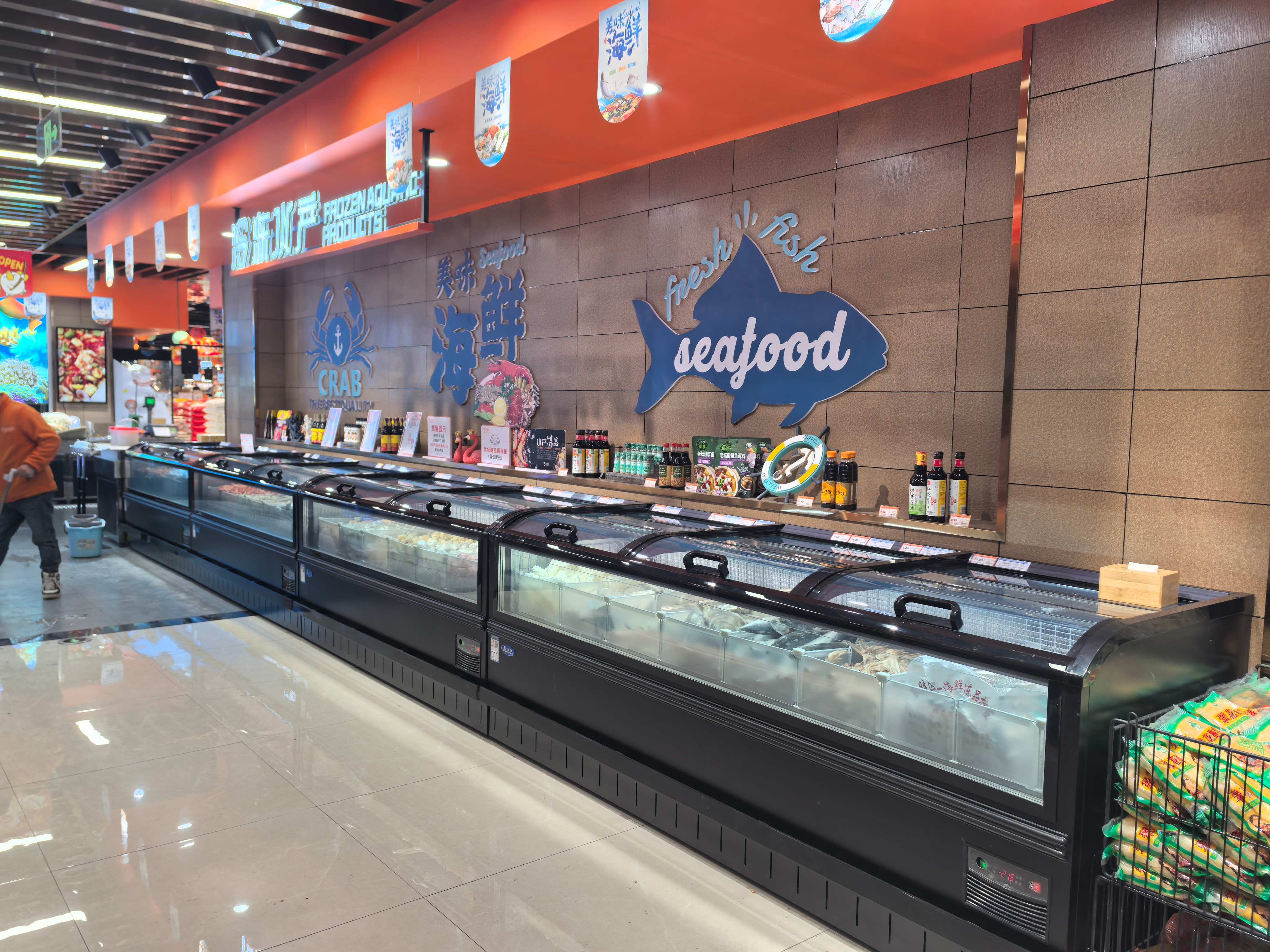
Why the Sliding Glass Lid Design Matters
The lid mechanism affects how customers access products and how employees carry out restocking. Sliding glass lids are commonly used in island freezers because they do not require additional overhead space when opened.
For a Widened Transparent Window Island Freezer, the sliding system should be designed to accommodate the glass panels while remaining easy to operate. Panels that are difficult to move can inconvenience customers and slow down daily store activities.
Retailers should pay attention to several practical details. The glass should slide smoothly, the opening range should provide convenient access to the storage compartments, and the tracks should be easy to clean. Dirt and debris accumulating around the tracks may affect movement over time.
The arrangement of the panels also matters. Customers should be able to reach the intended products without repeatedly moving multiple lids. In high-traffic stores, convenient access can make a noticeable difference to the shopping experience.
Maintaining Glass Clarity and Cooling Performance
Glass clarity directly affects how well customers can see the products. Fingerprints, dust, and moisture can gradually reduce transparency, especially in stores where customers frequently handle the lids. Regular cleaning helps preserve the intended display effect.
Condensation may also appear on glass surfaces when indoor humidity and temperature conditions create moisture buildup. Its severity depends on the surrounding environment and the freezer’s design. Retailers should consider glass performance under the actual operating conditions of the store rather than evaluating appearance only in a showroom.
Cooling performance is another important consideration. Leaving the lids open for extended periods allows warm air to enter the cabinet, increasing the refrigeration load. Frequent opening, improper loading, and blocked internal airflow may also affect temperature stability.
To maintain reliable operation, employees should close the lids after use, avoid overloading the cabinet, and arrange products without obstructing the internal airflow. These basic practices help protect frozen products while supporting consistent equipment performance.
Choosing the Right Configuration for Different Retail Environments
Different stores have different requirements for display and storage. A supermarket with a large frozen food section may need a cabinet that accommodates several product categories and a substantial inventory. A convenience store may prioritize compact dimensions, easy access, and efficient use of floor space.
The product mix should guide the choice of window and internal layout. Stores selling mostly small packaged foods may benefit from a configuration that provides a broad view across several product groups. Retailers handling larger frozen packages should check whether the cabinet can accommodate those products without excessive stacking.
Before selecting a Widened Transparent Window Island Freezer, consider the installation area, expected inventory volume, package dimensions, customer traffic, and restocking frequency. These details help determine whether the wider window will provide a meaningful improvement in daily use.
The surrounding store layout should also be considered. Customers need enough room to approach the freezer, view the merchandise, and open the lids without obstructing nearby aisles. A suitable configuration should fit naturally into the store’s shopping flow.
Selecting a Freezer for Long-Term Retail Use
The value of a Widened Transparent Window Island Freezer comes from the coordination of its glass design, internal storage, lid mechanism, and refrigeration system. Retailers should evaluate these elements together instead of choosing equipment based only on window size.
When comparing available configurations, it is useful to review the internal dimensions, insulation structure, glass operation, cleaning requirements, and suitability for the intended product range. Manufacturers experienced in commercial refrigeration can help assess these requirements and identify suitable equipment configurations. Dusung Refrigeration offers commercial refrigeration equipment for retail applications, providing a reference for retailers considering how display design and storage requirements can be addressed together.
Conclusion
A wider transparent window can make frozen products easier to view and improve the overall shopping experience, but its effectiveness depends on the design of the entire freezer. Storage capacity, product arrangement, sliding lid operation, and cooling performance all contribute to practical results.
The right Widened Transparent Window Island Freezer is not simply the model with the largest glass surface. It is the one that provides clear product visibility, makes merchandise easy to access, and preserves sufficient usable storage space for daily retail operations.
FAQ
1. Does a wider window always improve frozen food display?
Not necessarily. Glass clarity, lighting, reflections, and product arrangement also affect visibility. A wider window needs to work with the internal display layout to provide a clear view.
2. Can a widened window reduce the storage capacity of an island freezer?
It depends on the cabinet structure and design. Retailers should compare usable internal dimensions and storage arrangements rather than judging capacity by external size alone.
3. How should products be arranged inside a wide-window island freezer?
Products should be grouped by category and package size. Avoid excessive stacking, keep frequently selected items accessible, and maintain consistent placement during restocking.
4. What should retailers check when choosing sliding glass lids?
Check whether the panels move smoothly, provide convenient access to the compartments, and allow the tracks to be cleaned easily. These details are important for equipment used frequently throughout the day.
Post time: Nov-07-2026


