
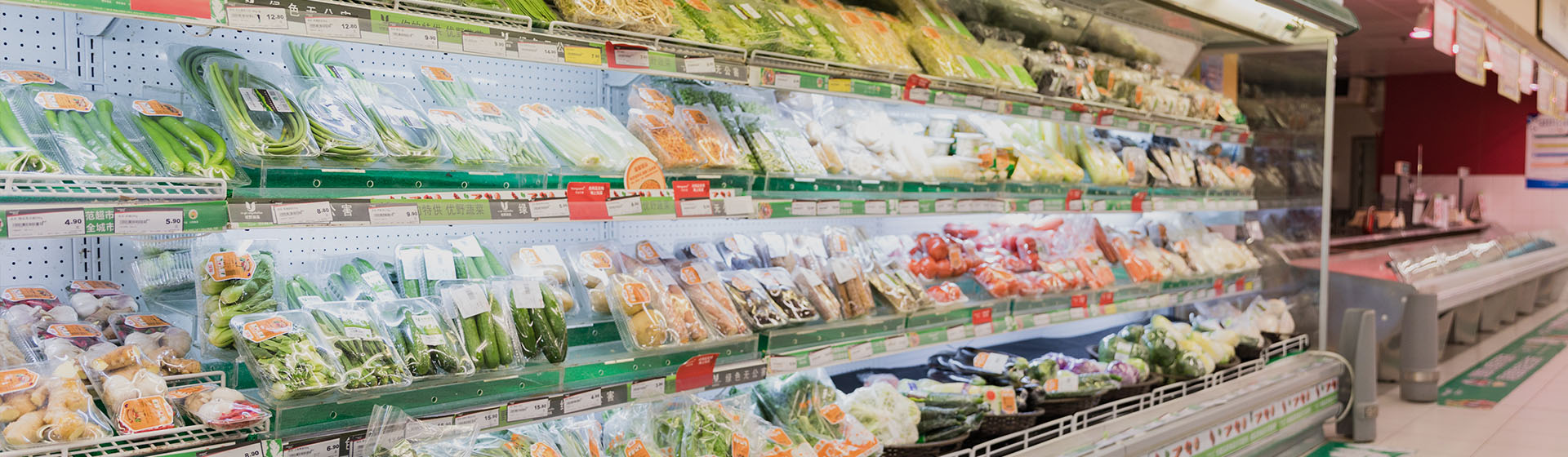
A Commercial Refrigerator Freezer with dual-temperature capability is different from a cabinet that permanently performs only one temperature job. The same Commercial Refrigerator Freezer can be used in a chilled operating mode or a frozen operating mode, while the cabinet footprint and display body remain unchanged. That makes the Commercial Refrigerator Freezer useful when the refrigeration position needs to serve different product programs at different times. The key product feature is not merely a wider thermostat range; it is a refrigeration system and cabinet structure designed to support two clearly different operating conditions.
Two Operating Roles in One Commercial Refrigerator Freezer
The Commercial Refrigerator Freezer can operate at 0–8°C in chilled mode or at ≤-18°C in frozen mode. These two conditions are far enough apart that the cabinet cannot be understood as an ordinary refrigerator with a wider thermostat range. Chilling and freezing place different demands on heat removal, product loading, recovery after opening and the way products are arranged inside.
In chilled mode, the cabinet can support packaged foods, drinks, dairy products or other products that need controlled positive temperature. In freezing mode, the same cabinet can be used for frozen foods that require a much lower storage condition. The cabinet therefore gives the refrigeration position a different kind of flexibility: the floor space remains the same while the product program can change.
The Cooling System Defines the Commercial Refrigerator Freezer
The Commercial Refrigerator Freezer uses a double cooling system that allows switching between freezing and chilling modes. This is the feature that makes the cabinet fundamentally different from a standard Commercial Refrigerator Freezer that combines two permanently separated compartments.
Here, the idea is not a refrigerator on one side and a freezer on the other. The cabinet can change its operating role as a whole. That means the usable display area does not have to be permanently divided between two temperature zones.
This structure is useful when the same location may carry different product categories at different times. The cabinet can support a chilled assortment during one period and a frozen assortment during another, provided the temperature is changed correctly and the products are handled according to their own storage requirements.
Switching Temperature Mode Changes More Than the Number on the Controller
A mode change should be treated as a refrigeration transition, not as an instant label change. Products should not simply remain inside while the set condition moves from chilled to frozen or from frozen to chilled. The cabinet needs time to reach and stabilize at the new operating range before a different product group is loaded.
The product itself is designed to provide both modes, but the physical behavior of food and packaging still matters. Chilled products may contain liquids or structures that are damaged by freezing. Frozen foods should not be exposed to a long warm transition. For this reason, dual-temperature capability is most useful when the cabinet is used deliberately rather than switched casually during active service.
A practical changeover includes emptying or transferring the current stock, allowing the cabinet to reach the new condition, and then loading products that match that mode. This keeps the Commercial Refrigerator Freezer working as intended instead of using its flexibility in a way that creates unnecessary temperature stress.
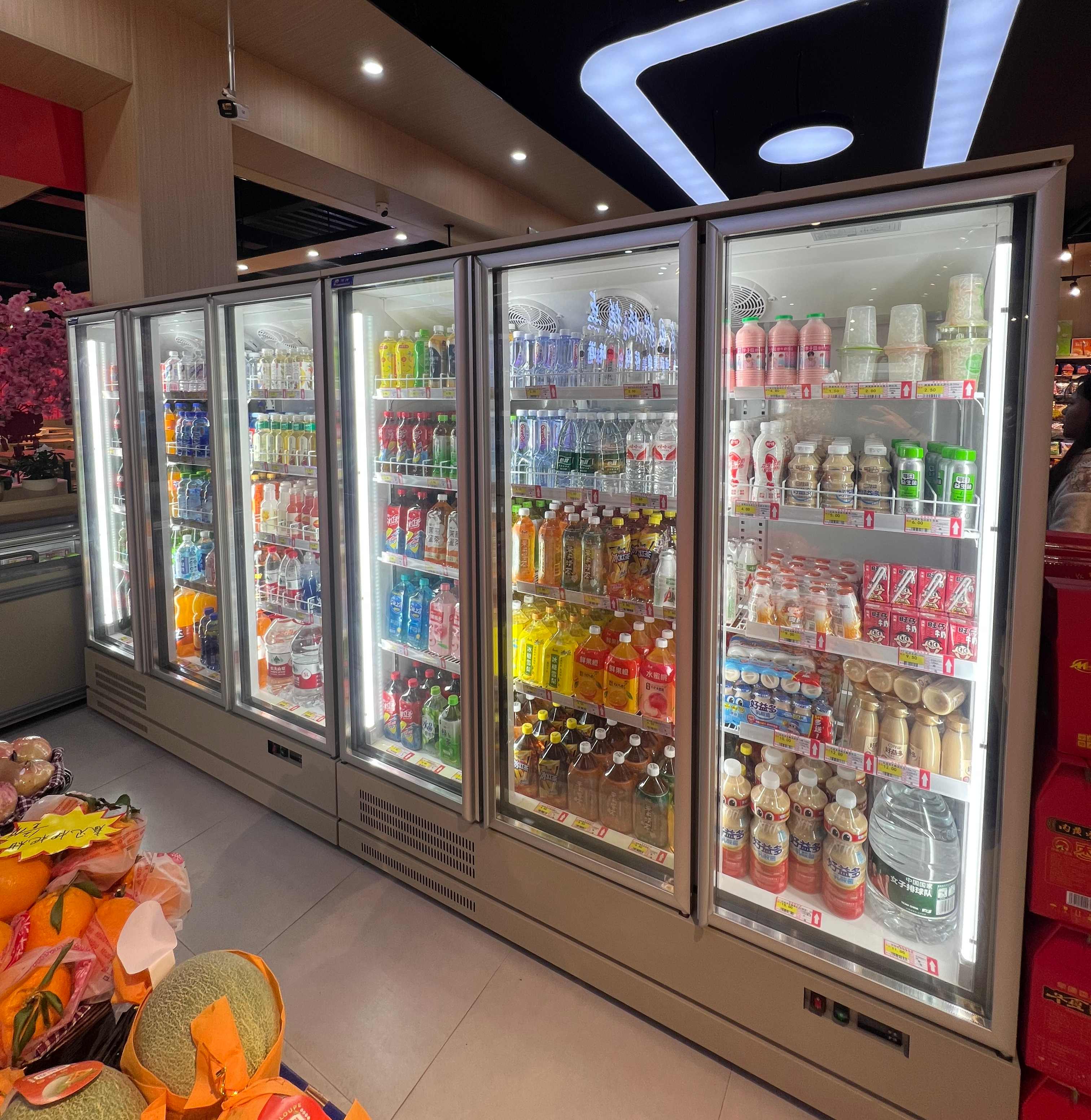
A Top Glass Cover Changes the Relationship Between Access and Display
The cabinet offers a top glass cover as an available option. For a cabinet that may work in both chilled and frozen conditions, the cover has an important product role. It keeps the display enclosed while still allowing products to remain visible from above.
In frozen operation, a covered opening can help reduce direct exchange with warmer room air during normal display. In chilled operation, the transparent top continues to support product visibility without turning the cabinet into an open well. The cover therefore works with both temperature modes while preserving the cabinet’s horizontal display character.
The glass area also affects how products should be arranged. Packages placed too high can interfere with closing, while poorly organized loading can hide labels from the viewing angle. The useful display height is therefore the zone that combines visibility, lid movement and refrigeration performance.
Horizontal Display Makes the Dual-Temperature Concept Easy to Reuse
A horizontal cabinet is less dependent on fixed shelf spacing than a vertical upright refrigerator. This gives the Commercial Refrigerator Freezer a practical advantage when changing from one product family to another.
Frozen bags, boxed meals, packaged meat, chilled drinks or prepared foods have very different shapes. A horizontal display area can accommodate this variation with baskets, dividers or grouped loading rather than requiring every item to match a shelf height.
The cabinet can therefore change not only temperature mode but also merchandise format. This is where the dual-temperature design becomes more useful than a simple technical feature. It allows the same physical product to support different display plans without permanently committing the space to one category.
The Plug-In Structure Keeps the Refrigeration System Inside the Cabinet
The product is described as plug-in, which means the principal refrigeration components are integrated into the unit rather than depending on a remote machine room. This gives the cabinet a self-contained operating identity.
For the product itself, the main implication is that cooling performance and heat rejection are handled within one cabinet package. The condenser area therefore remains part of the operating environment and should not be blocked by surrounding panels or stored items. The point is not to turn the article into an installation guide, but to recognize that dual-temperature performance depends on the entire refrigeration circuit, not only the controller.
A cabinet operating at frozen temperature has a heavier cooling task than the same cabinet operating chilled. Good airflow around the integrated refrigeration section remains important because the system must remove heat from the product space and release it to the surrounding area.
Color Options Support Different Display Roles
RAL color choices are also listed for the cabinet. This may appear secondary to refrigeration, but a dual-temperature display can be moved between different product programs over its service life. A neutral or coordinated exterior makes that change easier visually.
A cabinet used for chilled beverages one season and frozen desserts another should not look tied to only one product category. The exterior can therefore support the flexible function of the refrigeration system by remaining compatible with different merchandising styles.
The Product’s Real Strength Is Reassignment
The strongest characteristic of this Commercial Refrigerator Freezer is not that it cools to two temperatures at the same time. It is that one cabinet can be reassigned between two distinct temperature roles.
That makes the product different from:
- a fixed refrigerator that can only chill;
- a fixed freezer that can only freeze;
- a split cabinet that permanently divides chilled and frozen space;
- a simple display case whose operating range cannot follow a changing product program.
The Plug-in Dual Temperature System Cabinet keeps the same footprint, display body and access pattern while allowing the refrigeration mode to change. This is product flexibility at the cabinet level rather than merely extra adjustment on the thermostat.
FAQ
1. Does a dual-temperature Commercial Refrigerator Freezer chill and freeze at the same time?
The cabinet is designed to switch between chilling and freezing modes. It should not be understood as two permanently separate temperature compartments operating simultaneously.
2. What temperature ranges are listed for the cabinet?
The cabinet operates at 0–8°C in chilled mode and at ≤-18°C in frozen mode.
3. Can products stay inside while the cabinet changes from chilling to freezing?
A mode change is better handled as a complete product transition. Existing stock should be moved as needed, the cabinet should stabilize at the new condition, and products suited to that temperature should then be loaded.
4. What is the purpose of the optional top glass cover?
It keeps the horizontal display enclosed while maintaining product visibility from above. This is useful in both chilled and frozen display modes.
Post time: Aug-27-2026


