

In today’s competitive foodservice and retail industries, reliable and efficient storage solutions are vital. A vertical freezer is a key asset for businesses requiring space-saving, organized, and energy-efficient freezing options. From restaurants to supermarkets and laboratories, understanding the features and benefits of vertical freezers can help companies optimize their operations and reduce costs.
Why Choose a Vertical Freezer for Your Business
Vertical freezers are designed with convenience, accessibility, and performance in mind. Unlike chest freezers, vertical models allow easy organization and retrieval of products without the need to unpack stacked items. This makes them ideal for businesses that handle large volumes of perishable goods or require systematic storage.
Key Advantages
● Space Efficiency: Vertical freezers take up less floor area compared to chest freezers, allowing more efficient use of commercial spaces.
● Easy Accessibility: Shelves and drawers provide organized storage, enabling quick access to stored items.
● Better Inventory Management: Transparent doors or compartmentalized shelving help track stock and reduce waste.
● Energy Efficiency: Modern vertical freezers are designed with improved insulation and advanced compressors, reducing operational costs.
● Temperature Consistency: Vertical freezers maintain stable temperatures across shelves, protecting product quality.
Applications Across Industries
Vertical freezers are not limited to the foodservice sector. They serve diverse commercial applications:
● Food and Beverage Industry: Ideal for storing frozen meats, seafood, dairy products, and prepared meals in restaurants, hotels, and supermarkets.
● Laboratories and Medical Facilities: Store biological samples, reagents, vaccines, and other temperature-sensitive materials.
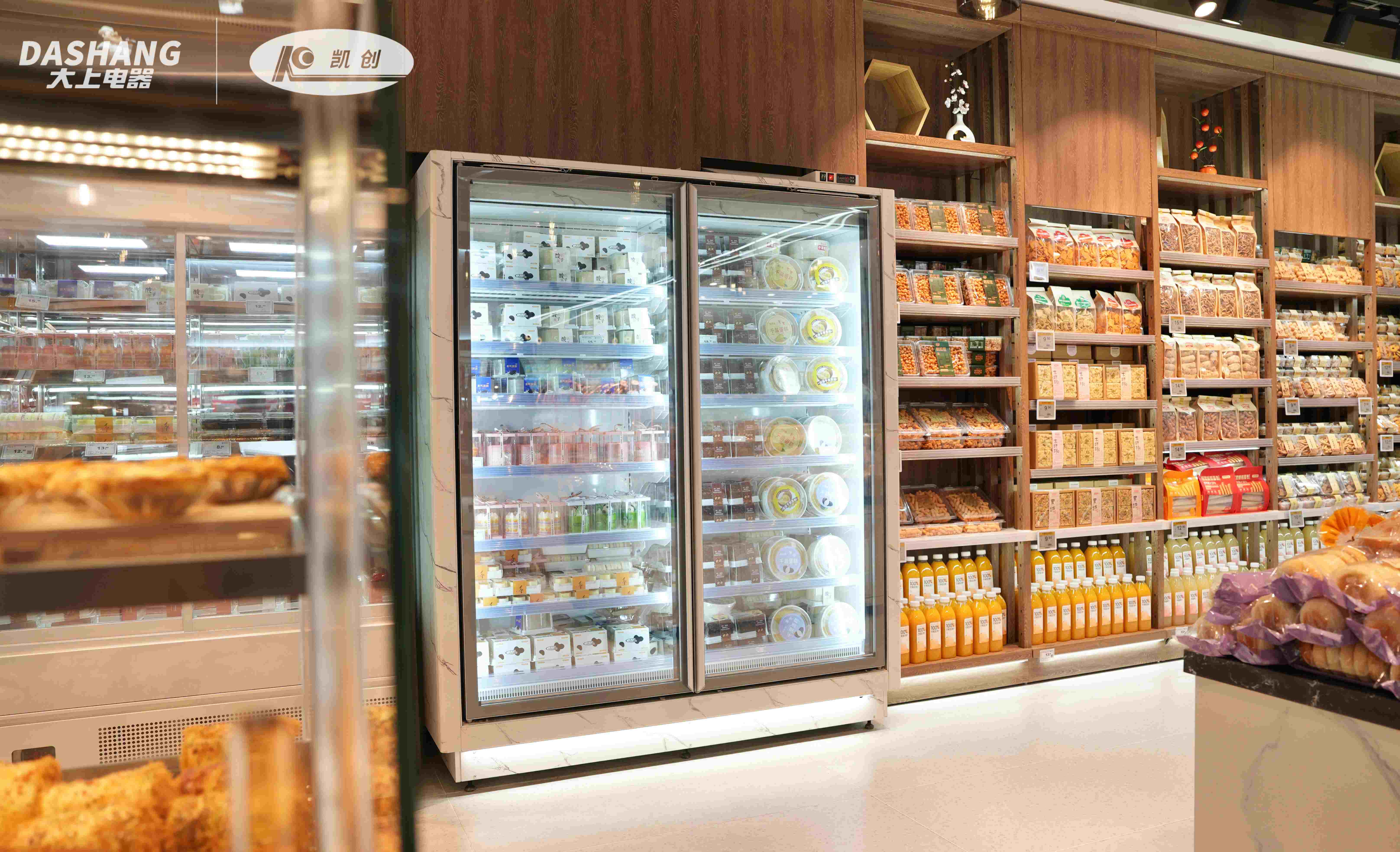
● Retail and Convenience Stores: Small vertical freezers are perfect for frozen snacks, ice creams, and ready-to-eat meals.
● Hospitality Sector: Hotels and catering services benefit from vertical freezers for event preparation and efficient inventory management.
Selecting the Right Vertical Freezer
When choosing a vertical freezer for commercial use, several factors should be considered to ensure maximum efficiency and longevity:
● Capacity and Size: Match the freezer size with your storage needs and available space.
● Energy Rating: Opt for energy-efficient models to reduce electricity costs.
● Temperature Range: Ensure the freezer meets the required temperature for your products.
● Build Quality: Stainless steel construction and durable shelving improve durability and hygiene.
● Defrosting Method: Automatic defrost reduces maintenance while preserving temperature consistency.
● Accessibility Features: Adjustable shelves, transparent doors, or interior lighting improve operational efficiency.
Maintenance and Best Practices
Proper maintenance extends the lifespan of vertical freezers and ensures consistent performance:
● Keep the freezer away from heat sources and direct sunlight to maintain temperature efficiency.
● Clean the interior and exterior regularly to prevent contamination and buildup of frost.
● Monitor temperature settings frequently to ensure compliance with storage requirements.
● Avoid overloading shelves, as it can restrict airflow and affect freezing efficiency.
● Schedule periodic professional inspections to maintain compressors and refrigerant systems.
Conclusion
A vertical freezer is a versatile and indispensable tool for businesses that require reliable, organized, and efficient cold storage. From reducing floor space usage to enhancing inventory management, vertical freezers offer tangible benefits for commercial operations. Investing in the right model ensures long-term cost savings, product quality preservation, and operational efficiency. Businesses across foodservice, retail, and laboratory sectors can leverage vertical freezers to optimize workflow and meet customer demands effectively.
FAQ
Q1: What is the difference between a vertical freezer and a chest freezer?
Vertical freezers are upright with shelves for organized storage, while chest freezers are horizontal, offering larger volume but less accessibility.
Q2: How energy-efficient are vertical freezers?
Modern vertical freezers come with high-efficiency compressors and improved insulation, often reducing energy consumption by 20–30% compared to older models.
Q3: Can vertical freezers be used in medical or laboratory settings?
Yes, vertical freezers are ideal for storing temperature-sensitive medical and biological products due to their precise temperature control.
Q4: What maintenance is required for commercial vertical freezers?
Regular cleaning, temperature monitoring, avoiding overloading, and occasional professional inspection help maintain performance and extend lifespan.
Post time: Mar-11-2026


