
Supermarket refrigeration is changing as retailers reassess how they display fresh food, manage operating costs, and plan store layouts. Refrigerated display equipment is no longer selected only by cabinet size or appearance. Energy use, product visibility, store format, maintenance access, and the wider refrigeration system all influence equipment decisions.
In 2026, several developments are shaping the industry: greater attention to closed glass-door displays, more specific equipment choices for different product departments, the transition toward lower-global-warming-potential refrigerants, and increased investment in replacing or upgrading existing systems. These changes are relevant to supermarkets, convenience stores, and other food retailers planning new installations or renovations.
Display Design Is Moving Toward a Balance of Visibility and Efficiency
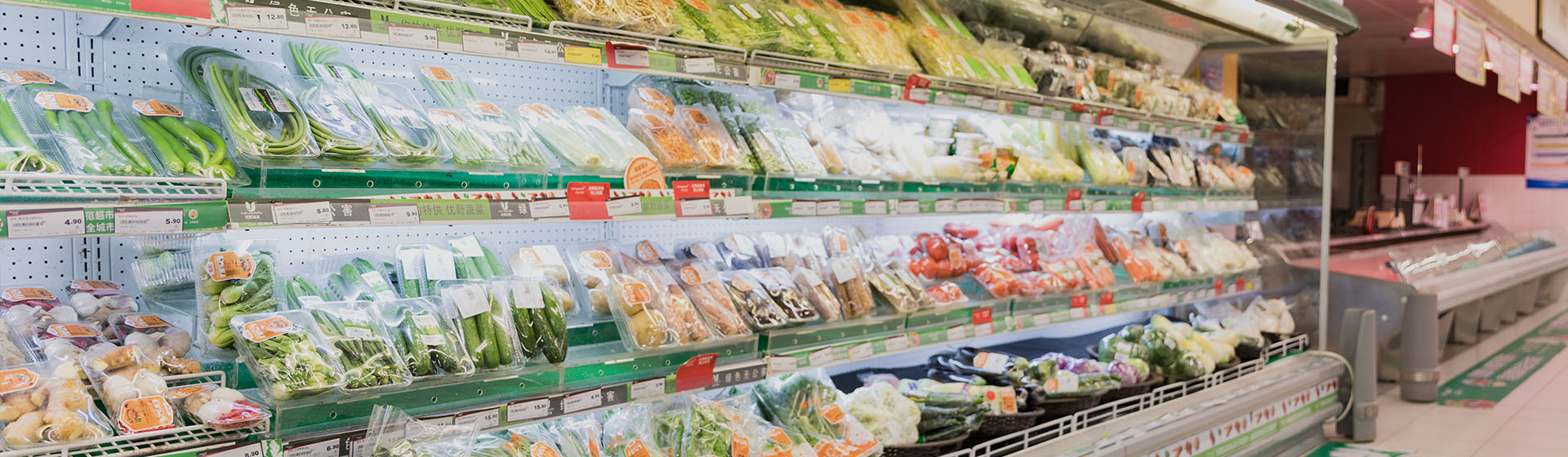
Open display cases remain useful where shoppers need quick access to products, particularly in selected fresh-food and high-turnover areas. However, glass-door multideck refrigerators are gaining importance because doors help limit the exchange of cold cabinet air with warmer store air.
ASHRAE’s retail food store refrigeration guidance notes that glass-door multideck models are becoming a standard display option because of their efficiency and reduced energy consumption. This reflects a growing preference for balancing product visibility with better control of the refrigerated display environment.
This does not mean open chillers are disappearing. They can still suit produce, bakery, or other displays where immediate access and product presentation are priorities. The decision is increasingly about choosing the right format for each department rather than using one display style throughout the store.
Retailers should consider product access, door-opening frequency, cabinet location, and whether the display can maintain visibility without unnecessary energy loss.
The trend is toward a more deliberate mix of open chillers, glass-door upright refrigerators, and multideck display cabinets.
Store Layout and Product Mix Are Driving More Specific Equipment Choices
Supermarkets rarely have identical refrigeration needs across every department. Dairy products, bottled drinks, fresh food, frozen meals, and ice cream differ in packaging, storage requirements, replenishment frequency, and shopping behavior.
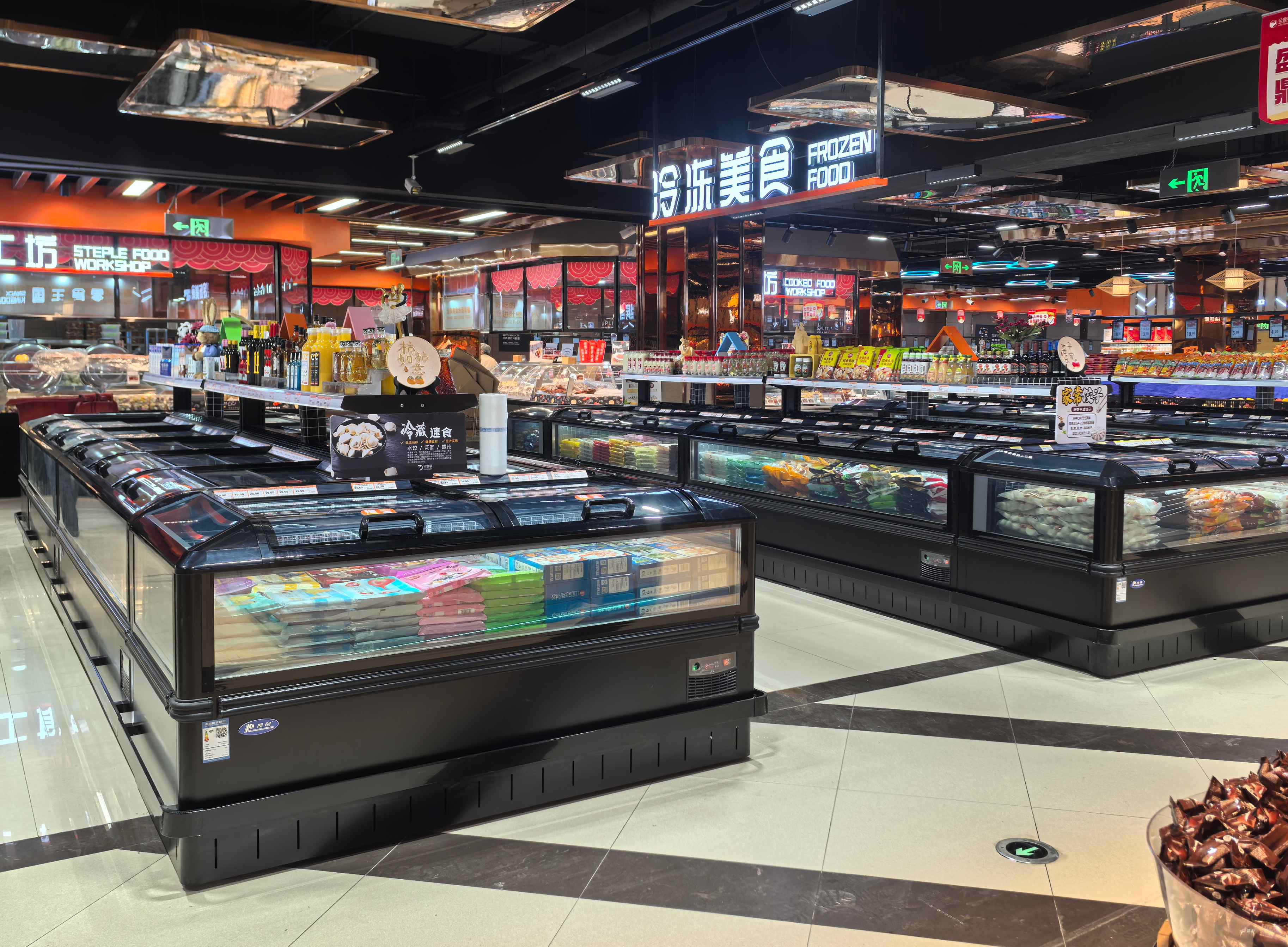
Upright glass-door refrigerators can make packaged products easy to identify while using vertical display space. Multideck cabinets provide a wider presentation area for products that benefit from shelf-by-shelf visibility. Island freezers support browsing from multiple sides and are commonly used for frozen food categories.
Smaller retail stores face a different challenge: they need to display a varied product range within limited floor space. In these environments, equipment dimensions, door clearance, aisle space, and usable shelf area become important selection factors. ASHRAE also highlights that small stores must accommodate varied merchandise in limited space, making the coordination of refrigeration loads and store conditions important.
A practical approach is to start with the product category and customer interaction, then choose a display format that supports access, replenishment, and suitable product temperatures. Rather than asking only how much a cabinet can hold, retailers should consider how easily products can be found, restocked, and maintained at the required temperature.
Energy Management Is Becoming a Whole-Store Consideration
Refrigeration equipment operates for long periods, so its energy use affects store operating costs. Cabinet location, surrounding air movement, lighting, door use, maintenance, and the refrigeration system all influence the overall load.
For example, an open display case placed where air-conditioning drafts disturb its air curtain may not perform as intended. A glass-door cabinet can reduce exposure to warm store air, but poor door sealing or unsuitable operating conditions can still undermine performance. ASHRAE recommends considering load reduction, efficient components, and design features together when reducing refrigeration energy use.
Retailers should look beyond a single efficiency claim. They need to consider ambient conditions, door and gasket performance, lighting, fans, cleaning, and maintenance access. The best solution balances energy considerations with customer experience and daily store operations.
Energy management is therefore not just a matter of choosing an efficient cabinet. It also involves positioning equipment correctly, maintaining components, and selecting a display format that suits the store’s operating conditions.
Refrigerant Changes Are Influencing Refrigeration System Planning
Another major development is the move away from high-global-warming-potential refrigerants toward lower-GWP alternatives, including natural refrigerants such as carbon dioxide. This change is influencing supermarket refrigeration system design and long-term equipment planning.
The 2026 Food Retailer Survey Report from the North American Sustainable Refrigeration Council (NASRC), based on responses from 18 retailers representing more than 29,000 U.S. locations, identifies regulatory requirements as a leading driver of refrigerant transition. It projects growth in CO2 transcritical systems at new sites, while also noting that technician availability remains a barrier.
These findings concern the wider refrigeration system, not every individual display cabinet. A supermarket may use a central or distributed refrigeration architecture, while a self-contained plug-in cabinet has a different equipment arrangement. Retailers should confirm refrigerant requirements, system compatibility, service availability, and regulatory obligations with qualified professionals.
For equipment selection, this means considering how a display cabinet will connect with the store’s existing or planned refrigeration arrangement. Remote systems and plug-in units serve different installation needs; neither is universally better. The right choice depends on store size, layout, maintenance resources, and the overall system design.
Renovation and Replacement Are Important Market Opportunities
Existing stores need to replace aging cabinets, improve display layouts, and adapt refrigeration systems to changing regulations and operating priorities. As a result, equipment upgrades are an important part of the market, alongside new supermarket construction.
The NASRC survey indicates that planned system replacements substantially exceed new store construction among the retailers it studied. Although this finding concerns refrigeration systems rather than display cabinets alone, it underlines the importance of upgrades in existing stores.
When replacing equipment, retailers should avoid choosing a new cabinet solely by matching the old unit’s dimensions. A renovation is an opportunity to reassess product categories, shelf layout, customer flow, available floor space, and maintenance access. For example, a store may decide to replace an older open multideck case with a glass-door model, or reorganize a frozen-food area around island freezers.
A practical replacement review should compare the current cabinet’s condition and recurring maintenance needs, the products and quantities that must be displayed, the available installation space and electrical or refrigeration connections, expected customer access and replenishment patterns, and long-term service requirements.
What These Trends Mean When Choosing Display Equipment
These developments make equipment selection more integrated: product needs, display format, store layout, energy use, and refrigeration infrastructure must be considered together.
| Retail requirement | Equipment options to consider |
|---|---|
| Packaged chilled products | Glass-door upright refrigerator |
| Wide chilled-food display | Multideck display refrigerator |
| Fast-access chilled products | Open chiller |
| Frozen packaged food | Island freezer or glass-door freezer |
| Limited store space | Compact or semi-vertical display equipment |
No single design is suitable for every retailer. A convenience store may prioritize compact dimensions and easy replenishment, while a supermarket may need a coordinated range of upright, multideck, and island equipment. The most suitable choice is the one that fits the store’s actual product mix and operating conditions.
Matching Display Equipment to Future Store Needs
As Supermarket Refrigeration evolves, retailers will need equipment that supports both current merchandising requirements and future store plans. This means assessing not only cabinet appearance, but also usable display space, cooling configuration, installation method, maintenance access, and compatibility with the wider refrigeration system.
Dusung Refrigeration’s product range covers several supermarket and convenience-store applications, including glass-door upright refrigerators and freezers, open air-curtain upright refrigerators, island freezers, deli cabinets, fresh-food cabinets, and semi-vertical promotion refrigerators. These options allow retailers to compare equipment according to the products they sell and the way each department operates. For new installations or store renovations, matching the cabinet type to the layout and refrigeration plan is an important starting point.
Conclusion
The future of Supermarket Refrigeration is not defined by one cabinet style or one technology. The industry is moving toward more deliberate equipment selection, greater attention to energy performance, changing refrigerant requirements, and continued investment in existing stores. Retailers that evaluate product mix, customer access, store layout, and system compatibility together are better positioned to choose display equipment that supports reliable daily operation.
FAQ
1. Are glass-door display refrigerators replacing open chillers?
They are becoming more common in many medium-temperature display applications, but open chillers remain useful where immediate access and merchandising needs justify their use.
2. Should supermarkets choose plug-in or remote refrigeration equipment?
The choice depends on store size, installation layout, refrigeration infrastructure, maintenance access, and project requirements. Neither configuration is best for every location.
3. What should retailers review before replacing old display cabinets?
They should assess product mix, cabinet condition, display capacity, floor space, customer flow, maintenance needs, and compatibility with the store’s refrigeration system.
Post time: Nov-17-2026


