
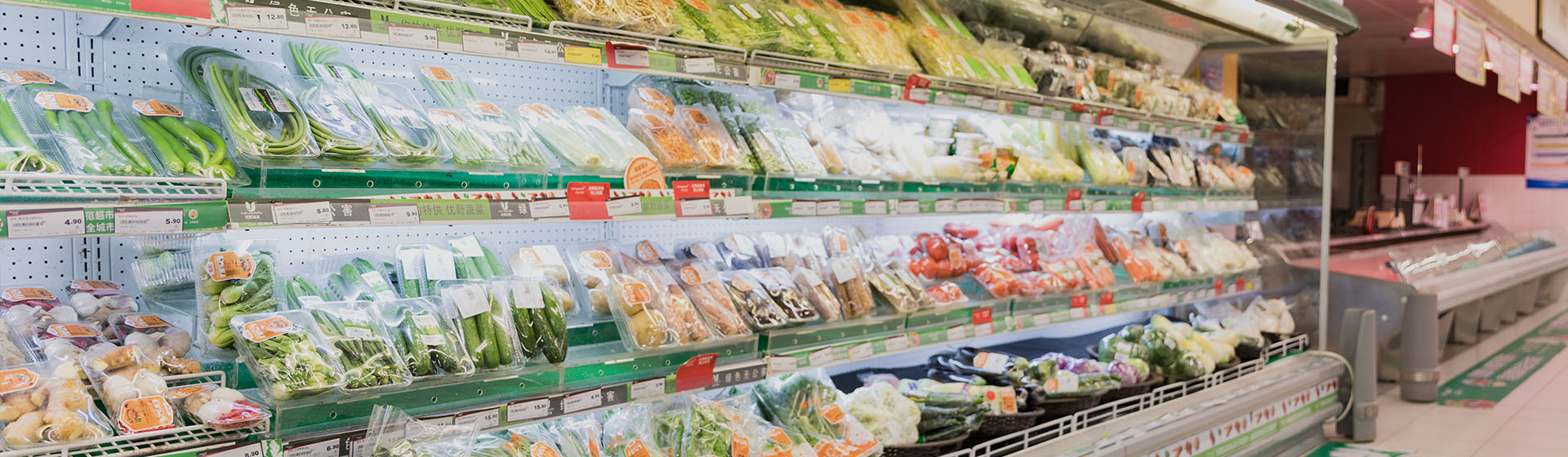
Supermarkets differ in store size, product assortment, shopping patterns, and the role frozen food plays in their business. These differences influence how refrigeration equipment should be arranged and used. A Supermarket Chest Freezer may serve as a central display unit in one store while providing additional capacity for selected products in another. Rather than applying the same equipment layout everywhere, retailers need to consider how freezer placement supports their specific retail format. The goal is to connect product presentation, available floor space, and daily operations in a practical way.
How Supermarket Formats Change Freezer Requirements
A large supermarket typically offers a broad range of frozen products, including vegetables, meat, seafood, ready meals, and desserts. Customers may compare several brands and package sizes during one visit. Chest freezers can provide dedicated spaces for selected categories, while upright freezers and refrigerated display cabinets serve other product groups. The arrangement should make related products easy to locate without creating unnecessary separation between items customers commonly purchase together.
Discount supermarkets often operate with a more concentrated assortment. Their frozen food sections may focus on selected product lines, larger packages, or promotional items. In this setting, a Supermarket Chest Freezer should match the actual range and package dimensions rather than simply maximize display capacity. Clear category groupings can also help customers identify products without requiring an overly complicated layout.
Neighborhood supermarkets and smaller grocery stores face different spatial constraints. Their sales floors may need to accommodate frozen foods alongside fresh produce, beverages, household essentials, and checkout areas. Freezer placement must therefore account for walking routes, nearby shelving, and employee access. A unit that fits physically may still be unsuitable if its position restricts movement or makes surrounding merchandise difficult to reach.
Specialty grocery stores may use frozen products to complement a narrower merchandise focus. For example, the frozen section may support a particular food category rather than function as a large independent department. In these stores, the equipment arrangement should reflect the relationship between frozen products and the rest of the assortment. These differences demonstrate why freezer planning should begin with the store’s operating model. Similar floor areas do not necessarily require identical equipment arrangements because product selection and customer expectations can vary considerably.
Connecting Freezer Placement with Product Strategy
The role of frozen food in a store’s overall product strategy influences how much space it needs and how equipment should be distributed. A supermarket with an extensive frozen range may need several clearly defined display areas. A store offering fewer frozen products may benefit from a more compact installation that leaves room for other merchandise.
The following approaches illustrate how equipment arrangements can reflect different retail formats:
- Large supermarkets: Allocate display areas according to product categories and package sizes. Keep related items easy to identify while maintaining appropriate storage conditions for each category.
- Discount stores: Organize equipment around a focused assortment, promotional products, or larger packages. Avoid dedicating space to categories that do not justify their share of the display area.
- Neighborhood stores: Prioritize a practical footprint and convenient access. The freezer should fit the available floor space without interfering with adjacent shelves or everyday staff activities.
- Specialty retailers: Position frozen products in a way that complements the store’s main merchandise. The equipment should support the overall shopping experience rather than create a disconnected department.
Packaging also affects how effectively freezer space can be used. Uniform packages are generally easier to arrange consistently than products with different shapes and dimensions. When a store carries mixed package sizes, the usable interior space and arrangement of the products deserve particular attention. Reviewing the actual assortment before installation helps retailers avoid choosing a unit that appears spacious but is difficult to organize. A Supermarket Chest Freezer should therefore be evaluated in relation to the products it will hold, not just its external dimensions. The intended assortment provides a more useful basis for planning than a general target for display capacity.
Coordinating Chest Freezers with Other Refrigeration Equipment
Chest freezers are usually part of a larger refrigeration area that may also contain upright freezers, glass-door coolers, beverage refrigerators, and fresh food displays. Their placement affects the use of shared space, the presentation of different product categories, and access for customers and employees.
For instance, a store may use upright glass-door freezers for products that benefit from vertical presentation and chest freezers for other frozen items. This combination can provide different display arrangements within the same department. However, the choice should reflect the product assortment and available space rather than an assumption that every equipment type is necessary. Product storage conditions must remain central to the layout. Frozen and chilled foods require different conditions, so their equipment should serve clearly defined purposes. Arranging the department logically can make products easier to identify while helping staff maintain appropriate storage practices.
Physical access is equally important. Equipment placed too closely together may leave insufficient room for loading, cleaning, or servicing. Units positioned across busy walking routes can also make the department less convenient to use. These issues become particularly relevant when adding a Supermarket Chest Freezer to an existing store. The new unit may increase capacity but also obstruct nearby equipment or change access to the department. Reviewing the entire refrigeration area before installation helps retailers assess these effects instead of treating each freezer as an independent purchase.
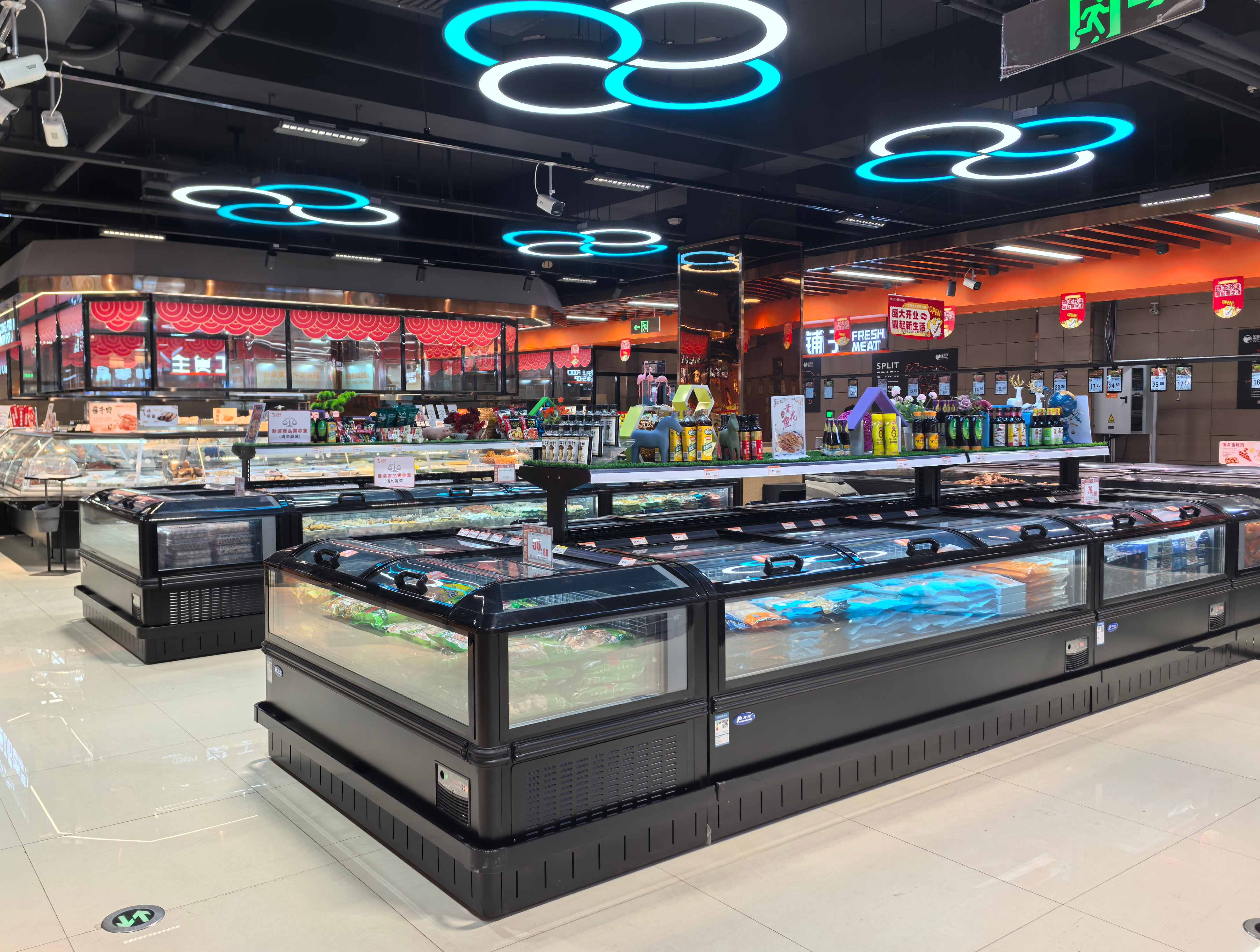
Adapting Freezer Arrangements During Store Changes
Supermarkets may revise their frozen food ranges, renovate sales areas, or introduce new product categories as their business develops. Such changes can make an existing freezer arrangement less suitable, even when the equipment itself remains functional.
Before adding another unit, retailers should identify the reason for the change. A temporary capacity shortage may require additional display space, while a major change in the product range could justify reorganizing the entire department. Understanding the difference helps prevent unnecessary equipment additions that occupy floor space without solving the underlying problem.
Several checks can guide this review:
- Product changes: Determine whether new products require different package space, category separation, or storage arrangements.
- Floor-plan revisions: Confirm that the proposed installation preserves customer access, employee movement, and sufficient operating clearance.
- Existing equipment: Check whether the new unit complements current refrigeration equipment and leaves practical access for cleaning and service.
- Future adjustments: Consider whether the arrangement can accommodate reasonable changes in the product range without requiring another major redesign.
Retailers operating multiple locations should also recognize that one standard layout may not suit every branch. A large supermarket and a compact neighborhood store may follow the same general planning principles but need different equipment quantities and positions. Consistency is useful, but the final arrangement should reflect each location’s actual conditions.
Assessing Equipment Within the Retail Environment
The suitability of a Supermarket Chest Freezer depends on how well it supports the store’s product range and daily activities. Capacity matters, but so do access, available floor space, package dimensions, and compatibility with other refrigeration equipment.
A practical assessment should begin with the intended frozen food assortment and the space available for displaying it. Retailers can then review how customers and employees will access the equipment, how products will be arranged, and whether routine cleaning and servicing can be carried out conveniently.
Refrigeration solutions from providers such as Dashang Global may be considered when evaluating equipment configurations for different supermarket environments. Matching the installation to the store format and product requirements provides a more useful basis for planning than selecting equipment by size alone.
Conclusion
Integrating a Supermarket Chest Freezer into different supermarket formats requires attention to product strategy, floor space, and the surrounding refrigeration layout. Large supermarkets, discount stores, neighborhood groceries, and specialty retailers have different operational needs. Aligning equipment placement with these differences helps create a practical arrangement that supports the product range and everyday store activities.
Frequently Asked Questions
1. Can one freezer layout suit every supermarket format?
No. Store size, product assortment, and available operating space can require different equipment quantities and arrangements.
2. Why should chest freezers be planned alongside other refrigeration equipment?
Coordinated planning helps maintain suitable access, organize product categories, and avoid conflicts between equipment and customer walkways.
3. When should a supermarket review its freezer arrangement?
A review is useful when the product range changes, the store is renovated, additional equipment is introduced, or the existing layout no longer supports daily operations.
4. How does packaging affect chest freezer planning?
Package dimensions and shapes influence how products can be arranged within the available space. Reviewing the assortment helps retailers choose a practical configuration.
Post time: Oct-29-2026


