
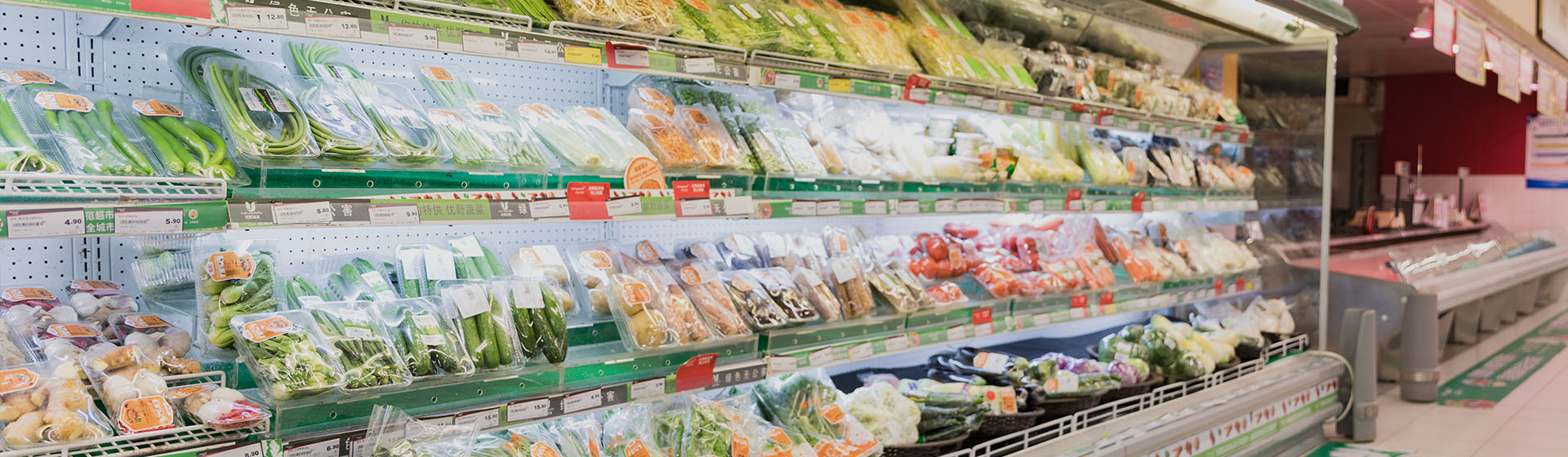
A semi-vertical promotion fridge must do more than keep chilled products cold. It also needs to maintain suitable temperatures across multiple display levels while allowing customers to access products easily. However, the upper, middle, and lower shelves may experience different cooling conditions, even when they belong to the same refrigeration unit. For a Semi-vertical Promotion Fridge, uneven cooling is not always a sign of mechanical failure. Air circulation, loading practices, ambient conditions, and the design of the display area can all influence temperature distribution.
Why Temperature Can Vary Between Display Shelves
Refrigerated display cabinets rely on heat removal and air circulation to maintain the required storage conditions. In a semi-vertical design, the arrangement of shelves, the position of the air outlets, and the shape of the cabinet influence how cooled air moves through the display area.
The upper shelves may receive more heat from overhead lighting, warm air entering the cabinet, or nearby environmental conditions. Lower shelves may experience different airflow patterns depending on the return-air openings and the internal structure. Products placed at the front of a shelf may also experience different conditions from those positioned farther inside.
Common Causes of Uneven Cooling Across Shelves
Several factors can contribute to inconsistent temperatures in a Semi-vertical Promotion Fridge.
Restricted airflow is one of the most common causes. If products, packaging, promotional signs, or misplaced shelf components obstruct air outlets or return-air openings, circulation may become uneven. Certain areas can receive insufficient cooled air, while other areas continue to operate relatively normally.
Excessive or poorly distributed loading can create similar problems. When products are packed tightly together, the available air passages become smaller. Dense arrangements can also slow the removal of heat from product surfaces. A shelf that appears to have sufficient capacity may therefore hold more products than the refrigeration system can cool effectively under the current operating conditions.
Frequent exposure to warm air is another consideration. In a busy retail environment, customers repeatedly approach the cabinet, handle products, and introduce additional heat into the display area. Nearby entrances, sunlight, heating equipment, and other heat sources can further increase the refrigeration load.
Finally, equipment-related problems may affect temperature distribution. Dirty heat exchangers, obstructed ventilation around the refrigeration system, incorrect control settings, faulty sensors, or insufficient refrigeration capacity can all contribute to poor performance. These possibilities should be investigated rather than assuming that every temperature difference originates from shelf arrangement.
How Shelf Layout Influences Air Distribution
A shelf with excessive product depth may create a dense front-to-back arrangement. Products positioned toward the rear can restrict circulation, particularly when packages are pushed against internal panels or air openings. Similarly, tall products can interrupt airflow differently from short cartons or small containers, even when both arrangements occupy the same shelf area.
Adjustable shelves can help operators accommodate different product dimensions, but adjustments must remain compatible with the cabinet’s intended airflow pattern. Moving a shelf to create additional space for tall bottles, for example, may reduce clearance elsewhere or bring merchandise closer to an air outlet.
This is why display capacity should not be assessed solely by counting how many products fit inside a Semi-vertical Promotion Fridge. Effective capacity also depends on whether the selected arrangement allows products to remain within their required temperature range.
How to Identify the Source of Temperature Differences
- Compare temperatures at multiple positions. Measure the upper, middle, and lower display areas, including front and rear positions where appropriate. Use a suitable thermometer or temperature logger and follow the equipment’s recommended measurement procedure.
- Check the product arrangement. Look for blocked outlets, covered return-air openings, excessive stacking, or packages pushed against cabinet panels. Compare the current layout with the manufacturer’s loading guidance.
- Observe performance under different conditions. Record readings during normal operation and after restocking or periods of heavy customer activity. Allow sufficient time for conditions to stabilize before drawing conclusions.
- Inspect the refrigeration and ventilation systems. Check for visible dirt, obstructed ventilation, unusual noise, or other warning signs. Electrical components, refrigerant circuits, and internal mechanical parts should be examined by qualified technicians when necessary.
- Review control settings and sensor information. Confirm that the temperature setpoint is appropriate for the products and that displayed readings are consistent with independent measurements. A misplaced or malfunctioning sensor can produce misleading indications.
These checks help distinguish an airflow problem from a broader refrigeration fault. They also provide useful information for maintenance personnel, reducing the likelihood of repeated adjustments that fail to address the real cause.
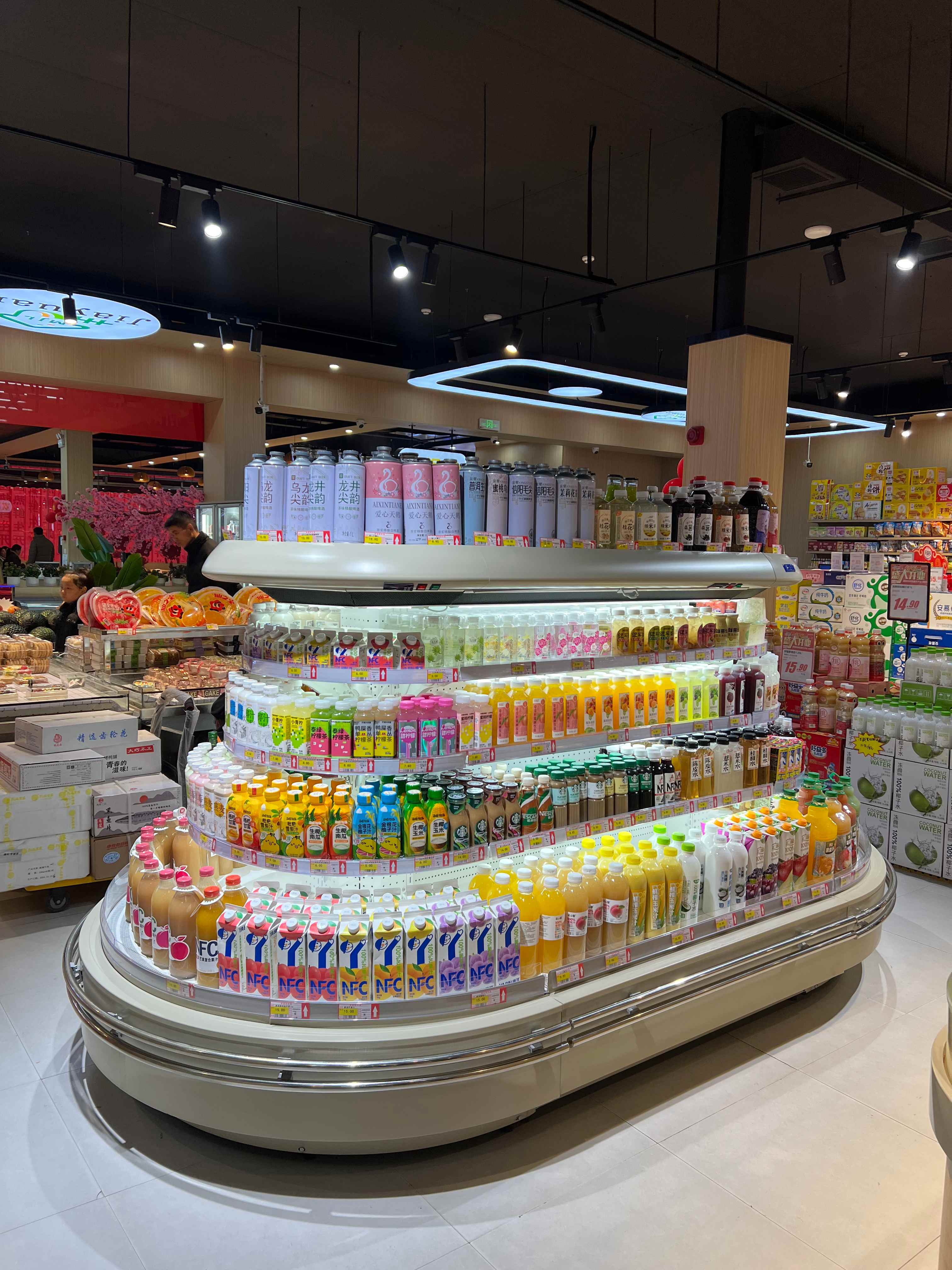
Why the Correct Temperature Setting Is Not Always the Solution
If an air passage is blocked, lowering the setpoint may increase the cooling demand without restoring circulation to the affected area. Other parts of the cabinet may then become colder than necessary, potentially affecting product quality or increasing energy consumption. The equipment may also operate for longer periods without resolving the original imbalance. The correct response depends on the cause. Airflow restrictions call for adjustments to loading or the removal of obstructions. Dirty heat exchangers may require cleaning according to the maintenance instructions. A defective sensor or refrigeration component may need professional repair.
Operators should also distinguish between cabinet air temperature and product temperature. Air temperatures can change relatively quickly when doors or access areas are exposed to warm conditions, whereas the temperature inside a product changes at a different rate. Both measurements can be useful, but they answer different questions. For products with strict temperature requirements, decisions should follow applicable food-safety rules and the product’s specified storage conditions. A cabinet display reading alone should not be treated as proof that every item has remained at a safe temperature.
Maintaining Consistent Cooling During Daily Operation
Long-term performance depends on keeping the cabinet’s intended airflow paths clear and recognizing changes before they become persistent problems. Staff should follow the recommended loading limits, avoid covering ventilation openings, and arrange products so that restocking does not create dense, irregular stacks.
Cleaning and preventive maintenance also matter. Dust accumulation around ventilation areas, dirty heat-transfer surfaces, or neglected components can reduce refrigeration performance. Maintenance intervals should follow the equipment manufacturer’s recommendations and reflect the actual operating environment. When recurring differences appear between shelves, keeping a simple record of readings, loading conditions, ambient temperature, and maintenance activity can reveal patterns. For example, a problem that develops mainly after restocking may point toward loading practices, while a persistent difference under varied conditions may justify a more detailed technical inspection.
For a Semi-vertical Promotion Fridge, consistency should be evaluated under realistic operating conditions rather than only when the cabinet is empty or has been left undisturbed. A well-organized display must support both refrigeration performance and the practical demands of retail use.
Selecting a Semi-Vertical Display Configuration
When evaluating a display cabinet for a particular retail environment, it is useful to consider the types of products being chilled, their packaging dimensions, expected loading patterns, and the available installation space together. Shelf adjustability, air outlet positioning, accessible return-air paths, and maintenance access can all influence how effectively the cabinet performs after installation. Discussing shelf arrangements, refrigeration requirements, and the store’s layout before choosing equipment can help identify potential limitations early. These considerations are relevant when comparing a Semi-vertical Promotion Fridge with other refrigerated display formats for promotional or frequently changing product assortments.
Conclusion
Uneven cooling across display shelves can result from restricted airflow, excessive loading, environmental heat, incorrect settings, or equipment faults. Identifying the cause requires measurements at multiple locations and an assessment of the cabinet’s loading and operating conditions. By maintaining clear air passages, using suitable shelf arrangements, and following preventive maintenance recommendations, operators can improve temperature consistency and protect the quality of chilled products.
Frequently Asked Questions
1. Can a semi-vertical promotion fridge have different temperatures on different shelves during normal operation?
Some variation can occur because airflow and heat exposure differ across the cabinet. Whether the variation is acceptable depends on the equipment specifications and the storage requirements of the products. Persistent or excessive differences should be investigated.
2. How long should a temperature reading be taken before evaluating cooling performance?
There is no single time period suitable for every cabinet. The equipment’s instructions, recent loading activity, ambient conditions, and temperature-monitoring method all matter. Allow conditions to stabilize where appropriate, and use repeated measurements or a temperature logger when intermittent changes need to be assessed.
3. Does filling every shelf to its maximum capacity improve display efficiency?
Not necessarily. Maximum physical capacity does not guarantee effective refrigeration. Overloading can obstruct airflow and make temperature distribution less consistent, so usable capacity should account for the required air passages and recommended loading limits.
4. When should uneven cooling be referred to a refrigeration technician?
Professional inspection is appropriate when temperature differences persist despite correcting loading and airflow obstructions, when the cabinet cannot maintain its required conditions, or when there are signs of sensor, control, or refrigeration-system faults. Temperature-sensitive products should be managed according to their applicable storage and safety requirements while the problem is assessed.
Post time: Oct-23-2026


