
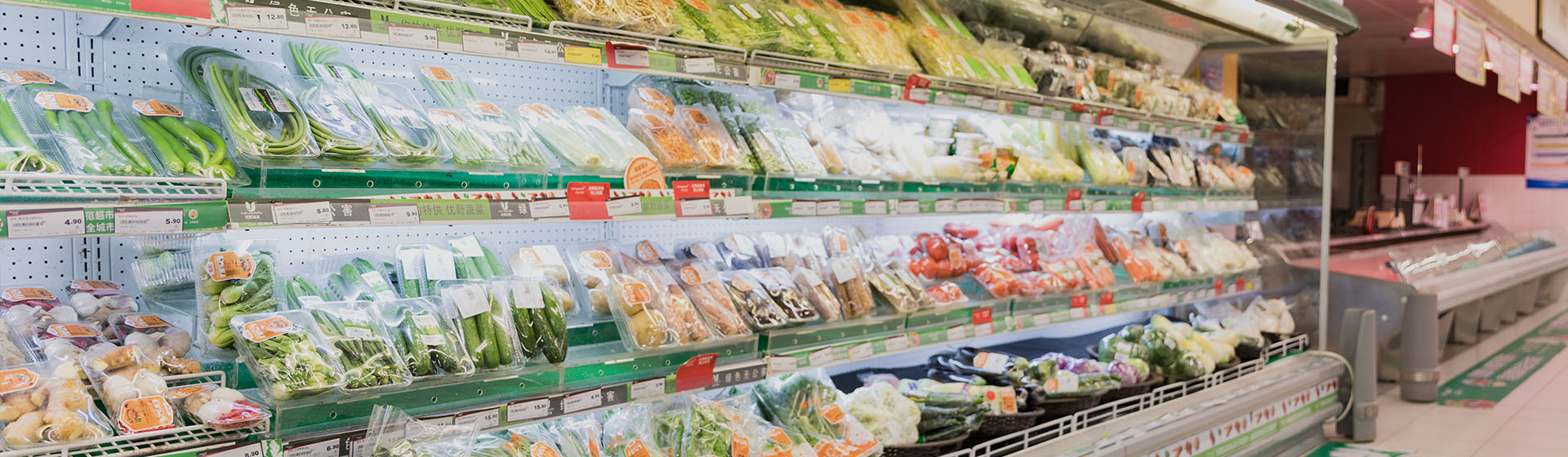
Frozen food displays need to do more than provide low-temperature storage. In supermarkets and large retail stores, the way products are presented can influence how easily customers find items, how efficiently staff replenish shelves, and how effectively the available floor space is used. When a store has a wide range of frozen products but limited display space, choosing the right refrigeration equipment becomes especially important.
A Remote Semi-Vertical Multi-Tier Island Freezer combines a multi-level display structure with an island-style layout and a remote refrigeration system. This configuration can help retailers organize different product categories while maintaining convenient customer access. However, its actual value depends on how well the equipment matches the store layout, product range, and daily operating requirements.
Making Better Use of Limited Retail Floor Space
Frozen food sections must accommodate product displays, customer circulation, replenishment activities, and other store fixtures. Installing too many large cabinets can restrict movement, while using equipment with insufficient display capacity may limit the range of products a store can offer.
A Remote Semi-Vertical Multi-Tier Island Freezer provides an alternative to relying entirely on traditional horizontal chest freezers or tall upright cabinets. Its semi-vertical structure creates multiple display levels within a relatively compact footprint. This allows retailers to organize several product categories in one display area without necessarily extending the frozen food section across the entire floor.
The island configuration also offers flexibility in store planning. Depending on the cabinet design and installation arrangement, units can be positioned to create separate product zones or integrated into a larger frozen food display. Retailers can use this arrangement to distinguish categories such as frozen vegetables, packaged meat, seafood, and ready-to-cook meals.
Improving Product Visibility and Customer Access
Product visibility plays an important role in frozen food retailing. Customers are more likely to compare products when packaging, labels, and product categories are easy to identify. If merchandise is placed too deeply, stacked too closely, or arranged without a clear structure, shoppers may overlook available options.
The multi-tier design of a Remote Semi-Vertical Multi-Tier Island Freezer creates opportunities to arrange products at different display levels. Retailers can assign more visible positions to frequently purchased items, place related products together, and separate categories according to packaging format or intended use.
The semi-vertical structure can also provide a different shopping experience from a conventional deep chest freezer. Customers may find it easier to view products across several levels instead of searching through a large horizontal storage area. This can be useful when a store offers many packaged frozen products that customers need to compare before making a purchase.
However, visibility depends on more than cabinet structure. Shelf arrangement, lighting, product facing, package height, and the amount of stock placed on each level all influence the final result. Retailers should avoid overfilling display areas, since excessive product stacking can hide labels and make items harder to retrieve.
Organizing Different Frozen Food Categories More Efficiently
A supermarket’s frozen food assortment may include products with very different dimensions and purchasing patterns. Small packaged vegetables, frozen seafood, meat portions, desserts, and family-sized ready meals do not necessarily require the same display arrangement.
A well-planned Remote Semi-Vertical Multi-Tier Island Freezer allows retailers to divide the available display area according to these differences. Smaller packages can be grouped in clearly defined sections, while larger products may need more horizontal space or a different orientation. Frequently purchased categories can be positioned where customers can identify and reach them easily.
Category separation also helps maintain a more organized shopping environment. When similar products are placed together, customers can compare brands, package sizes, and product types without moving between unrelated sections. For staff, a consistent layout makes replenishment and stock checks more straightforward.
Before assigning products to each level, retailers should consider actual package dimensions and the cabinet’s loading instructions. The objective is to create a display that supports product identification and convenient access, rather than simply maximizing the number of packages placed inside the unit.
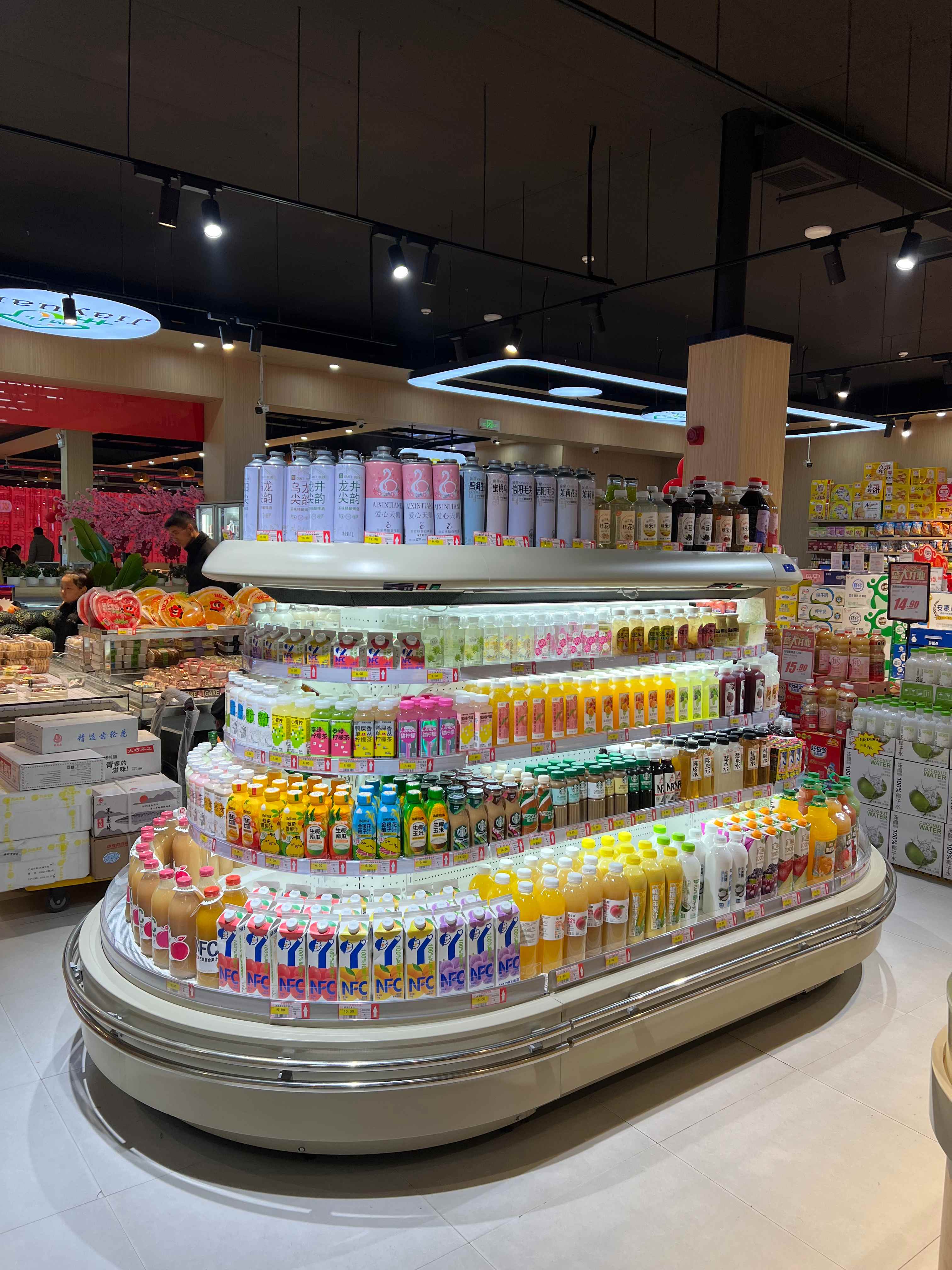
Supporting Efficient Replenishment and Daily Store Operations
Display equipment must work for both customers and store employees. A cabinet may offer attractive product presentation, but if staff have difficulty restocking it, daily operations can become less efficient.
A multi-tier display requires a clear replenishment plan. Employees need to know which products belong on each level, how much stock should be placed in the display, and how to rotate existing merchandise when new deliveries arrive. Without consistent arrangements, products may be misplaced, labels may become difficult to read, and popular items may run out of visible stock before replenishment is completed.
A Remote Semi-Vertical Multi-Tier Island Freezer can support category-based organization, but its practical value depends on accessible loading areas and suitable working space around the cabinet. Retailers should consider how employees move products from storage areas to the display and whether replenishment can be completed without unnecessarily blocking customer circulation.
Maintenance access is another important consideration. Cleaning, inspection, and service activities should be included in the store’s equipment planning. A layout that leaves insufficient working space around the unit may create difficulties after installation, even if the initial display arrangement appears efficient.
Understanding the Advantages of Remote Refrigeration
The remote refrigeration system is an important part of this equipment configuration. Unlike a self-contained cabinet with its refrigeration components integrated into the unit, a remote system connects the display cabinet to separate refrigeration equipment.
For larger retail environments, this arrangement can be considered as part of a wider refrigeration plan. It allows the store to evaluate display placement alongside the location of refrigeration machinery, piping routes, service access, and other connected equipment. This can be useful when several refrigerated or frozen display units are being planned within the same project.
However, remote refrigeration is not automatically the best choice for every store. Installation conditions, system compatibility, piping distance, maintenance requirements, and the overall refrigeration design all need to be assessed. Retailers should work with qualified refrigeration professionals to confirm that the proposed system is suitable for the cabinet and the store’s operating conditions.
When evaluating a Remote Semi-Vertical Multi-Tier Island Freezer, it is therefore important to consider the cabinet and its refrigeration system as one coordinated solution rather than treating them as separate purchasing decisions.
What to Consider Before Selecting a Multi-Tier Island Freezer
The right equipment configuration depends on the store’s actual requirements. A cabinet that works well in a large supermarket may not be suitable for a smaller convenience store with different traffic patterns and product needs.
Retailers should evaluate several factors before making a selection. These include the available installation area, the expected product assortment, the number of display levels, usable shelf dimensions, customer access, replenishment space, and the requirements of the remote refrigeration system.
Future operating changes also deserve attention. A store may expand its frozen food category, introduce larger packages, or change the proportion of products displayed throughout the year. Equipment selection should account for these possibilities instead of focusing only on the current assortment.
For stores planning a larger refrigeration project, coordination between display cabinets and the overall system is particularly important. Dusung Refrigeration offers commercial refrigeration equipment for supermarket and convenience store applications, including island freezers, semi-vertical display equipment, and remote refrigeration-related solutions. Its product range provides options for considering display configuration and refrigeration requirements together. Discussing the intended product categories, installation environment, and operating needs before finalizing a configuration can help retailers identify a more suitable solution.
Conclusion
A Remote Semi-Vertical Multi-Tier Island Freezer can help supermarkets improve frozen food presentation while making more effective use of available retail space. Its multi-level structure supports category organization and product visibility, while the island layout offers flexibility in planning the display area. The remote refrigeration arrangement can also be considered as part of a larger store refrigeration system. To achieve practical results, retailers should evaluate display capacity, customer access, replenishment routines, installation conditions, and long-term operating requirements together. Selecting equipment around these factors can create a more organized and adaptable frozen food retail environment.
FAQ
1. Is a semi-vertical island freezer suitable for a small supermarket?
It may be suitable if the store has enough installation space and the cabinet dimensions match its product range and customer circulation requirements. The available floor area and replenishment access should be checked before selection.
2. How is a multi-tier island freezer different from a traditional chest freezer?
A traditional chest freezer generally uses a horizontal storage and display arrangement, while a multi-tier island freezer provides several display levels. This creates different opportunities for product organization, visibility, and customer access.
3. Can multiple remote display freezers be included in one supermarket refrigeration project?
Yes, multiple display units can be considered within a coordinated refrigeration design. Their placement, cooling requirements, piping routes, system capacity, and maintenance access should be evaluated by qualified professionals.
4. What information should be prepared when requesting a freezer configuration?
Useful information includes the available installation dimensions, product categories, typical package sizes, desired display arrangement, store layout, and whether the project will use an existing or newly planned remote refrigeration system.
Post time: Nov-10-2026


