
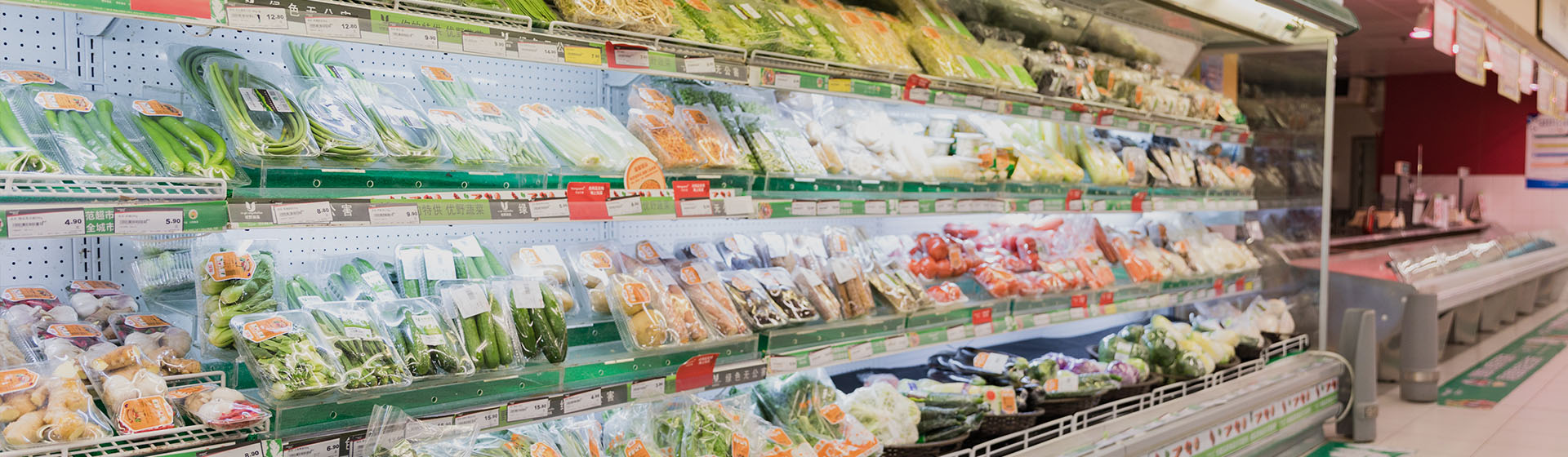
In modern food retail environments, product presentation and temperature control are equally important for sales performance and food safety. A refrigerated deli cabinet is designed to bridge these two needs in a single system. It keeps food fresh while also presenting it in an attractive, highly visible way for customers.
Today, supermarkets, convenience stores, butcher shops, and deli counters all rely on this equipment to improve merchandising efficiency and reduce food waste.
What Is a Refrigerated Deli Cabinet
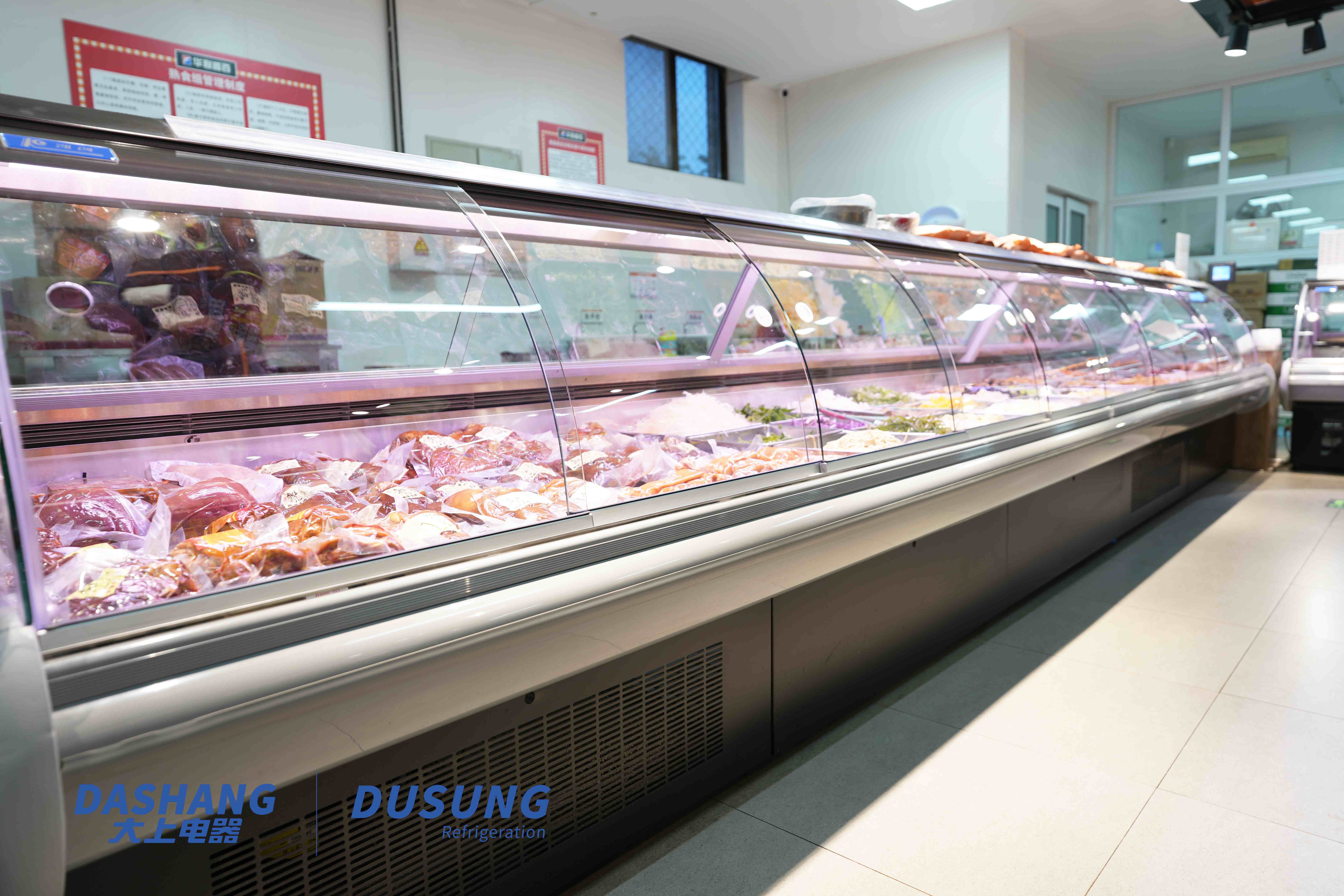
A refrigerated deli cabinet is a commercial display refrigeration unit used to store and showcase perishable food products at controlled low temperatures. It is commonly used for items such as cooked meats, cheese, salads, seafood, and ready-to-eat meals.
Unlike standard storage refrigerators, this equipment focuses not only on cooling performance but also on visibility and product presentation. Most models feature glass panels, LED lighting, and multi-layer display shelving to enhance customer attraction.
Main Features of Refrigerated Deli Cabinets
A high-quality refrigerated deli cabinet is designed with both functionality and commercial display needs in mind. The following features are commonly found in modern units:
● Precise temperature control system to maintain consistent cooling levels
● Transparent glass structure for maximum product visibility
● Energy-efficient compressor system for long-term operation
● LED lighting to enhance product appearance and freshness perception
● Adjustable shelving for flexible product arrangement
● Fan-assisted air circulation to ensure even cooling
● Stainless steel interior for hygiene and easy cleaning
These features help ensure that food products remain fresh while also increasing impulse purchases from customers.
Applications in the Food Industry
Refrigerated deli cabinets are widely used across multiple food retail environments. Their versatility makes them suitable for different commercial settings.
● Supermarkets for deli meat, cheese, and ready meals display
● Convenience stores for packaged fresh food and snacks
● Butcher shops for chilled meat presentation
● Bakery sections for desserts and cream-based products
● Catering businesses for pre-prepared food storage
● Hotel buffets and self-service food areas
Each application requires stable cooling performance and attractive visual merchandising, which is why this equipment has become a standard in modern retail refrigeration systems.
Benefits of Using Refrigerated Deli Cabinets
Investing in a refrigerated deli cabinet provides both operational and marketing advantages for food retailers.
First, it significantly extends the shelf life of perishable food products by maintaining a stable low-temperature environment. This reduces food spoilage and operational losses.
Second, it improves product presentation. Clear glass panels and lighting design make food more appealing, encouraging customers to make quick purchasing decisions.
Third, it enhances store efficiency. Staff can organize products more effectively, and customers can easily view and select items without opening the cabinet frequently.
Finally, modern energy-efficient designs help reduce electricity consumption, making it more cost-effective for long-term use.
Types of Refrigerated Deli Cabinets
Different retail environments require different types of deli refrigeration systems. The most common types include:
● Curved glass deli cabinets for enhanced visual appeal
● Straight glass deli cabinets for modern minimalist stores
● Multi-deck deli display refrigerators for large supermarkets
● Countertop deli cabinets for small retail spaces
● Open-front deli display units for self-service areas
Each type is designed to match specific store layouts and customer interaction models.
Key Buying Considerations
When selecting a refrigerated deli cabinet, several factors should be considered to ensure optimal performance and return on investment.
● Size and storage capacity based on store layout
● Temperature range suitable for stored products
● Energy efficiency rating for long-term cost control
● Cooling system type (fan cooling or static cooling)
● Glass design and visibility performance
● Maintenance convenience and cleaning structure
● Durability of compressor and internal materials
Choosing the right configuration helps ensure consistent performance and better merchandising results.
Maintenance and Operational Tips
Proper maintenance is essential to ensure long-term performance of refrigerated deli cabinets. Regular care helps prevent system failure and keeps food safe.
● Clean interior surfaces regularly to maintain hygiene standards
● Avoid overloading shelves to ensure proper air circulation
● Check temperature settings frequently for stability
● Keep condenser coils clean to maintain cooling efficiency
● Inspect door seals to prevent cold air leakage
Routine maintenance not only extends equipment lifespan but also improves energy efficiency.
Future Trends in Refrigerated Deli Cabinets
With the development of smart retail technology, refrigerated deli cabinets are also evolving. New trends include digital temperature control systems, remote monitoring, and eco-friendly refrigerants.
Energy-saving technology is becoming a key focus, especially for large supermarkets that operate multiple refrigeration units. Additionally, modular designs are gaining popularity because they allow flexible store layout adjustments.
Conclusion
A refrigerated deli cabinet plays a critical role in modern food retail operations. It combines refrigeration technology with visual merchandising to ensure both product freshness and sales effectiveness. Whether used in supermarkets, delis, or convenience stores, this equipment supports better food management and enhances customer experience.
Investing in the right system not only improves daily operations but also strengthens long-term business performance in the competitive food retail industry.
FAQ
1. What is a refrigerated deli cabinet used for?
A refrigerated deli cabinet is used to store and display perishable food products such as meat, cheese, salads, and ready-to-eat meals under controlled temperature conditions.
2. What temperature should a deli cabinet maintain?
Most refrigerated deli cabinets operate between 0°C and 5°C, depending on the type of food being stored.
3. What is the difference between a deli cabinet and a regular refrigerator?
A deli cabinet is designed for both storage and product display, while a regular refrigerator is mainly used for storage without visibility or merchandising features.
4. How long does a refrigerated deli cabinet last?
With proper maintenance, a high-quality commercial deli cabinet can last 8–15 years.
Post time: May-19-2026


