
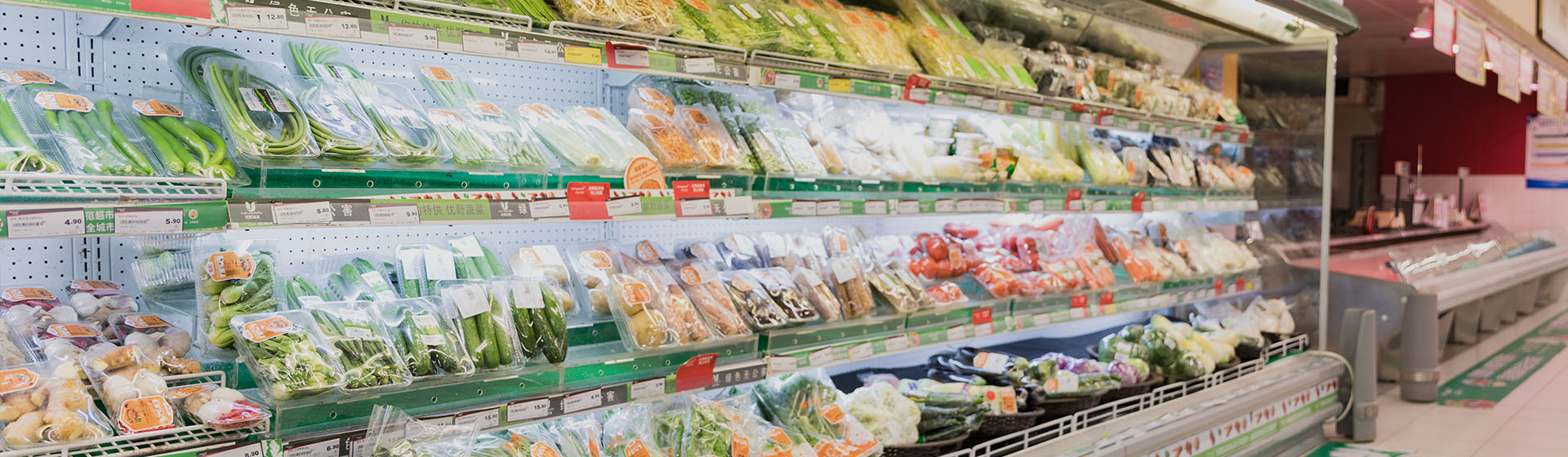
When choosing a commercial glass-door upright refrigerator, retailers often focus on appearance, storage capacity, and product visibility. However, the refrigeration system behind the cabinet is equally important. Plug-in and remote models may offer similar display functions, but they differ in installation requirements, store environment, equipment management, and long-term operating considerations. A Plug-In Glass-Door Upright Refrigerator integrates its refrigeration components into the cabinet, while a remote model connects to an external refrigeration system. Understanding these differences helps supermarkets, convenience stores, and food retailers select equipment that fits their premises and operating plans.
Neither solution is automatically better for every business. The right choice depends on the number of cabinets required, available installation space, store conditions, and maintenance arrangements.
Understanding the Main Difference
The most important distinction between these two refrigerators is the location of their refrigeration components.
A plug-in refrigerator contains its refrigeration system within the cabinet. Once the unit is positioned and connected to the required power supply, it can operate independently. This structure gives retailers greater flexibility when arranging individual cabinets or adjusting their store layout.
A remote refrigerator separates the display cabinet from its condensing equipment. The cabinet connects to an external refrigeration system through refrigerant piping and related components. Depending on the system design, multiple display cabinets may share a central refrigeration arrangement.
This difference affects installation, equipment placement, heat management, and future maintenance. Buyers should therefore evaluate the complete refrigeration system rather than comparing cabinet appearance alone.
Installation Requirements: Individual Units or System Planning?
Installation is one of the first factors to consider when comparing a Plug-In Glass-Door Upright Refrigerator with a remote model.
Plug-in units are generally easier to arrange because their refrigeration components are integrated into the cabinet. Retailers can position individual refrigerators according to available floor space, provided that electrical supply, ventilation, and installation clearances meet the manufacturer’s requirements.
This arrangement is practical for convenience stores, smaller supermarkets, and retailers purchasing only a few cabinets. It can also be useful when equipment may need to be repositioned during future store adjustments.
Remote refrigeration requires more preparation. Retailers must plan the external equipment location, refrigerant pipe routes, installation access, and coordination with qualified refrigeration technicians.
Although this makes initial installation more involved, it allows refrigeration machinery to be placed away from the main display area. For new supermarkets or major renovation projects, these requirements can be included in the overall building and refrigeration plan.
Before choosing a remote system for an existing store, buyers should confirm whether the building can accommodate the necessary piping and external equipment.
Store Environment: Heat and Noise Considerations
The location of refrigeration components can influence the environment around display cabinets.
With a plug-in refrigerator, operating heat is released near the cabinet. Retailers should consider ventilation and the effect of multiple units operating in the same area. Depending on the equipment and store conditions, noise from integrated refrigeration components may also be noticeable.
A remote refrigerator places its condensing equipment away from the display cabinet. This can reduce the amount of refrigeration machinery operating directly on the sales floor and help improve the shopping environment.
For stores with limited ventilation or a preference for keeping equipment noise away from customers, remote refrigeration may be worth considering. However, the actual result depends on the external equipment location, system design, and installation quality.
Retailers should evaluate the entire arrangement instead of assuming that one refrigeration type always provides better environmental performance.
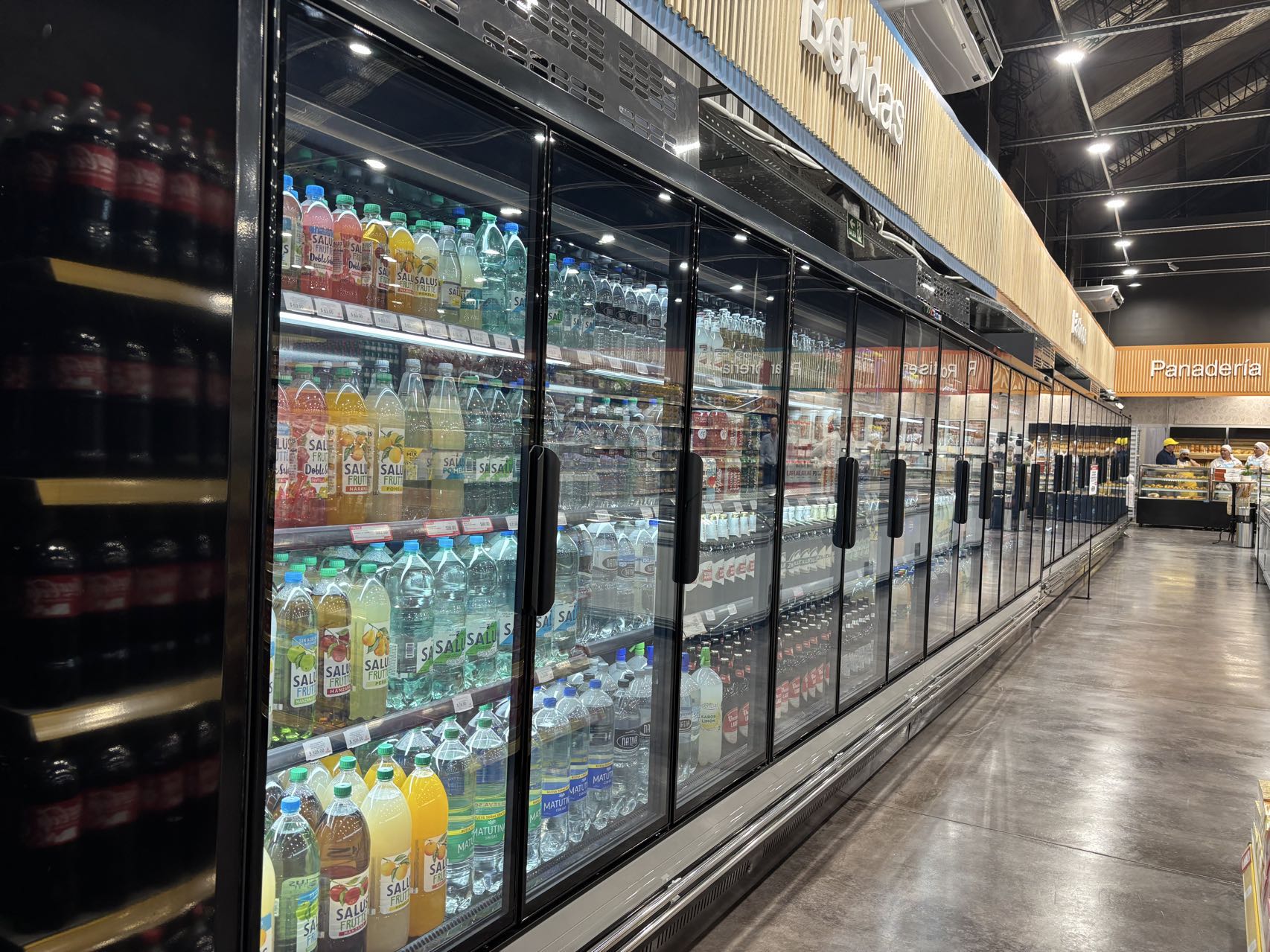
Multiple Cabinets: Which System Is More Suitable?
The number of refrigerators required can significantly influence the decision.
For a small convenience store or an independent retailer, plug-in equipment offers a straightforward arrangement. Each cabinet operates independently, making it easier to add or reposition individual units without redesigning a larger refrigeration network.
For larger supermarkets with multiple display cabinets, a remote system may provide a more coordinated solution. When properly designed, several cabinets can connect to a shared refrigeration system, allowing the condensing equipment to be located outside the main shopping area.
However, shared systems require careful capacity planning. The refrigeration equipment must meet the combined cooling requirements of all connected cabinets. If the store plans to add more units later, the existing system capacity should be checked before expansion.
| Comparison factor | Plug-In Refrigerator | Remote Refrigerator |
|---|---|---|
| Refrigeration components | Integrated into the cabinet | Installed separately |
| Installation | Generally more straightforward | Requires piping and system planning |
| Heat location | Near the display cabinet | Away from the display area |
| Equipment quantity | Suitable for independent units | Can support multiple connected cabinets |
| Maintenance | Individual cabinet servicing | Requires system-level coordination |
| Store planning | Flexible individual placement | Better suited to planned refrigeration infrastructure |
The comparison shows why equipment quantity should be considered alongside purchase price. Installation and management requirements can influence the total suitability of either solution.
Maintenance and Long-Term Operating Costs
Maintenance is essential for keeping commercial refrigeration equipment operating reliably.
For plug-in models, refrigeration components are located within the cabinet. Technicians can inspect each unit individually, although servicing may require access to its machinery compartment. When several units are installed, each should be included in the regular maintenance schedule.
Remote systems require attention to both the display cabinets and external refrigeration equipment. Maintenance may involve checking condensing units, refrigerant connections, piping, and cabinet-side components.
This arrangement can centralize certain maintenance tasks, but it also requires professional system management. Depending on the configuration, a problem with shared refrigeration equipment may affect several connected cabinets.
Energy consumption should also be evaluated carefully. A remote system is not automatically more efficient than a plug-in model. Actual operating costs depend on cabinet design, refrigeration system selection, ambient conditions, loading, maintenance, and operating hours.
Retailers should compare installation expenses, expected energy use, servicing requirements, and potential modification costs before making a decision.
Which Refrigerator Fits Different Retail Environments?
The choice becomes clearer when the store’s actual conditions are considered.
Plug-in glass-door upright refrigerators are often suitable for convenience stores, smaller supermarkets, and independent retailers that need individual display cabinets. They are worth considering when straightforward installation and flexible equipment placement are priorities.
Remote glass-door upright refrigerators may be more appropriate for large supermarkets, retail projects with multiple display cabinets, and stores that can accommodate external refrigeration equipment. They are particularly useful to evaluate when keeping condensing equipment away from the customer-facing area is important.
Before purchasing, retailers should assess:
- The number of cabinets required and possible future expansion.
- Available space for integrated or external refrigeration equipment.
- Ventilation, heat, and noise conditions inside the store.
- Electrical supply, piping routes, and installation requirements.
- Access to qualified technicians and maintenance support.
- Total installation, operating, and servicing costs.
These considerations help prevent retailers from choosing equipment based only on appearance or initial price.
Making the Final Product Decision
Both plug-in and remote models provide glass-door product display and refrigerated storage. Their suitability depends on how well the refrigeration system fits the store’s layout and operating requirements.
For retailers who prioritize individual installation and a relatively simple equipment arrangement, a Plug-In Glass-Door Upright Refrigerator may be a practical option. For projects involving several display cabinets and suitable external refrigeration infrastructure, a remote solution may offer more flexibility in equipment planning.
Dusung provides plug-in and remote glass-door refrigeration solutions for commercial retail applications. Retailers can review the available cabinet configurations and discuss store layout, equipment quantity, and installation conditions before selecting a suitable solution.
Conclusion
Choosing between plug-in and remote glass-door upright refrigerators requires more than comparing appearance or purchase price. Installation requirements, store environment, cabinet quantity, maintenance access, and long-term operating costs all influence the decision.
By evaluating these factors together, retailers can select a refrigeration system that matches their premises, supports product display, and meets their daily operating needs.
FAQs
Can plug-in and remote refrigerators be used in the same supermarket?
Yes. A supermarket can use both types if its layout and refrigeration infrastructure support them. Their installation and maintenance requirements should be planned separately.
Does a remote refrigerator always consume less electricity?
No. Energy consumption depends on the complete refrigeration system, cabinet design, operating conditions, and maintenance. Retailers should compare actual performance rather than assume that remote refrigeration is always more efficient.
Is a plug-in refrigerator easier to relocate?
Generally, yes. Its refrigeration components are integrated into the cabinet. However, relocation still requires attention to electrical connections, ventilation, and installation clearances.
What should retailers prepare before purchasing a remote refrigerator?
They should confirm the external equipment location, piping routes, installation access, required cooling capacity, and availability of qualified technicians. Early planning helps avoid installation difficulties.
Post time: Nov-19-2026


