
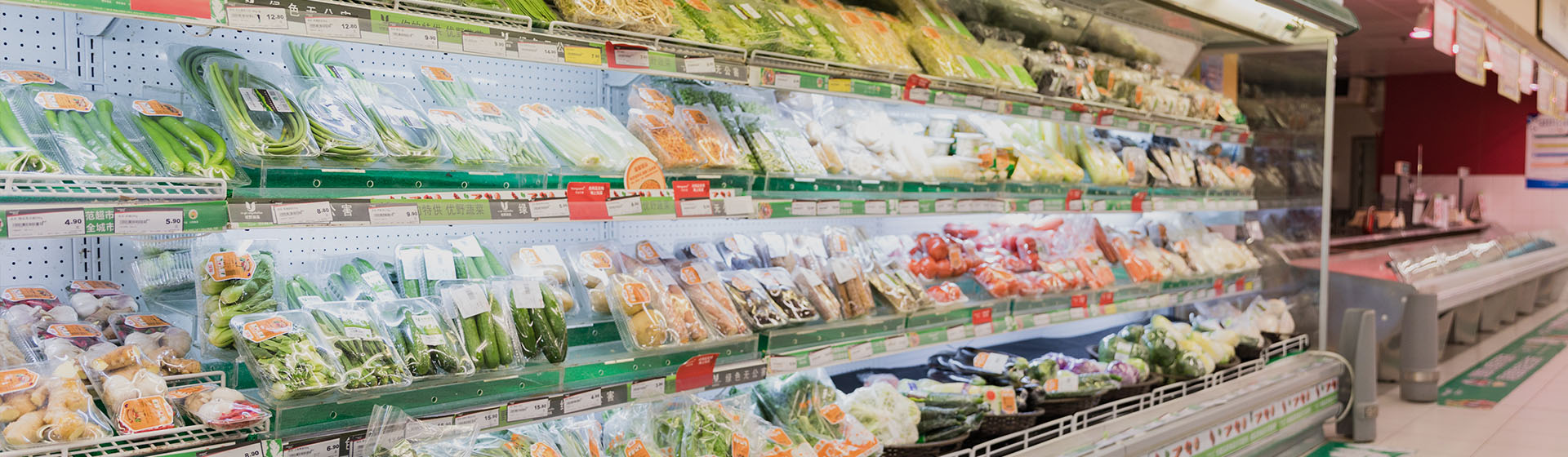
In modern fresh food retail, the meat display chiller is no longer treated as a simple refrigeration box. It is a core infrastructure that connects three critical business goals at the same time: food safety control, visual merchandising, and sales optimization.
What makes this equipment especially important is that meat is one of the most sensitive food categories in retail. Temperature fluctuations, humidity imbalance, and poor display conditions can quickly lead to spoilage, customer distrust, and financial loss. For this reason, supermarkets and butcher shops increasingly rely on engineered meat display systems rather than basic cold storage units.
Why Is Meat Display Equipment So Critical in Fresh Meat Retail Operations?
Fresh meat products are highly perishable and require continuous cold chain control. Even a short exposure to improper temperature can accelerate bacterial growth and degrade texture and color.
A meat display chiller solves this problem by maintaining a controlled micro-environment where:
- Temperature remains stable throughout business hours
- Air circulation prevents localized warming
- Moisture levels reduce surface drying
- Products remain visually fresh for customer viewing
However, the real value is not only preservation. In retail environments, meat is a visual product, meaning customers judge quality within seconds based on appearance.
This makes the meat display chiller a dual-function system: it protects product integrity while actively supporting sales performance.
The Hidden Relationship Between Refrigeration Engineering and Customer Buying Behavior
Most people underestimate how strongly refrigeration design affects customer psychology.
In practice, small design choices inside a meat display chiller can directly influence purchase decisions.
For example:
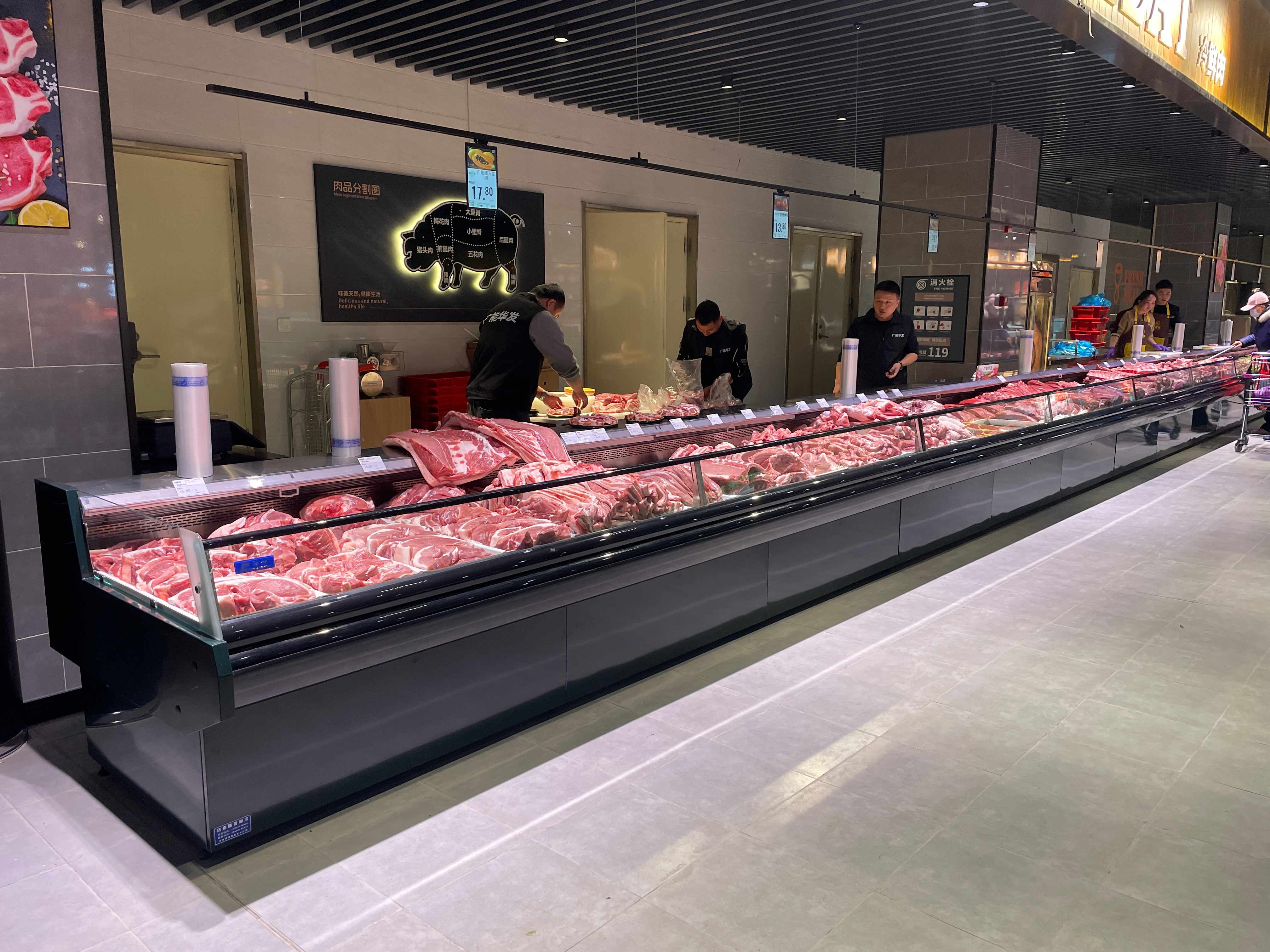
- Bright but controlled lighting makes meat look fresher and more “recently cut”
- Transparent viewing angles reduce hesitation and increase trust
- Clean, organized layout signals hygiene and quality control
- Proper separation of cuts makes selection easier and faster
In retail science, this is often referred to as “visual freshness perception”, and it plays a major role in converting store visitors into buyers.
A poorly designed display area can make even high-quality meat appear less appealing, while a well-designed system can elevate standard products into premium-priced items.
Technical Structure Behind a Modern Meat Display Chiller
Unlike traditional refrigerators, modern meat display chillers integrate multiple engineering systems working simultaneously.
Airflow control system
The airflow is designed to avoid direct drying of meat surfaces while maintaining uniform cooling across all zones. This prevents discoloration and texture loss.
Thermal insulation layers
High-density foam insulation reduces energy loss and ensures temperature stability even in high-traffic environments where doors are frequently opened.
Glass engineering system
Multi-layer tempered glass with anti-condensation design ensures visibility remains clear even under continuous humidity exposure.
Refrigeration core system
Commercial-grade compressors are optimized for long working cycles, often operating continuously throughout retail hours without performance degradation.
Drainage and hygiene system
Integrated drainage channels prevent liquid accumulation, supporting sanitation and reducing microbial risks.
Operational Cost Factors That Many Buyers Overlook
When evaluating a meat display chiller, many buyers focus only on purchase price. However, long-term operational cost is often more important.
Key hidden cost factors include:
Electricity consumption stability
Inefficient compressors can significantly increase monthly energy costs, especially in large supermarket chains.
Maintenance frequency
Poor airflow design or low-quality components lead to frequent breakdowns and service interruptions.
Product loss rate
Even small temperature inconsistencies can increase spoilage, which directly reduces profit margins.
Cleaning labor requirements
Complex structures with poor accessibility increase daily cleaning time and labor costs.
Over time, these hidden costs often exceed the initial equipment price.
Differences Between Commercial Meat Display Systems and Standard Refrigeration Units
Although both systems provide cooling, their design goals are fundamentally different.
Standard refrigeration units focus on:
- Storage capacity
- Temperature preservation
- Basic energy efficiency
Meat display chillers focus on:
- Visual presentation quality
- Customer interaction experience
- Sales conversion optimization
- Product segmentation and organization
This is why meat display systems typically include enhanced lighting, angled glass designs, and optimized shelf structures that are not found in standard refrigerators.
Industry Trends: Where Meat Display Chillers Are Heading
The meat retail industry is moving toward smarter, more integrated systems.
Several emerging trends include:
Digital temperature monitoring
Remote control systems allow operators to track performance in real time and detect issues early.
Smart energy optimization
New systems adjust compressor activity based on customer traffic patterns, reducing energy waste.
Modular retail integration
Chillers are now designed as modular units that can be reconfigured as store layouts change.
AI-assisted merchandising
Some advanced systems analyze product placement efficiency and suggest optimal display arrangements.
Sustainability improvements
Eco-friendly refrigerants and energy recovery systems are becoming standard in new equipment designs.
Real Business Impact of Upgrading Meat Display Equipment
Upgrading from traditional refrigeration to a modern meat display chiller can influence business performance in multiple ways:
- Higher perceived product quality leads to better pricing flexibility
- Improved display visibility increases impulse purchases
- Reduced spoilage improves overall profit margins
- Better hygiene perception strengthens customer trust
- Faster service improves customer satisfaction during peak hours
In competitive retail environments, even small improvements in display quality can lead to measurable revenue growth.
FAQ
1. What temperature range is ideal for a meat display chiller?
Most commercial meat display chillers operate between 0°C and 4°C to ensure optimal freshness and safety.
2. Can meat display chillers be used for other food products?
Yes, but they are optimized for raw meat. Some models can also support seafood or deli products depending on configuration.
3. Why does lighting matter so much in meat display systems?
Lighting affects how customers perceive freshness, color, and quality, which directly influences buying decisions.
4. What is the biggest mistake when choosing a meat display chiller?
Focusing only on price instead of long-term operating cost, airflow design, and refrigeration stability.
A meat display chiller is no longer just refrigeration equipment. It is a commercial retail system that integrates engineering, food safety management, and consumer psychology. For modern meat retailers, its value lies not only in keeping products cold, but in actively shaping customer perception and improving business profitability.
Post time: Jun-17-2026


