
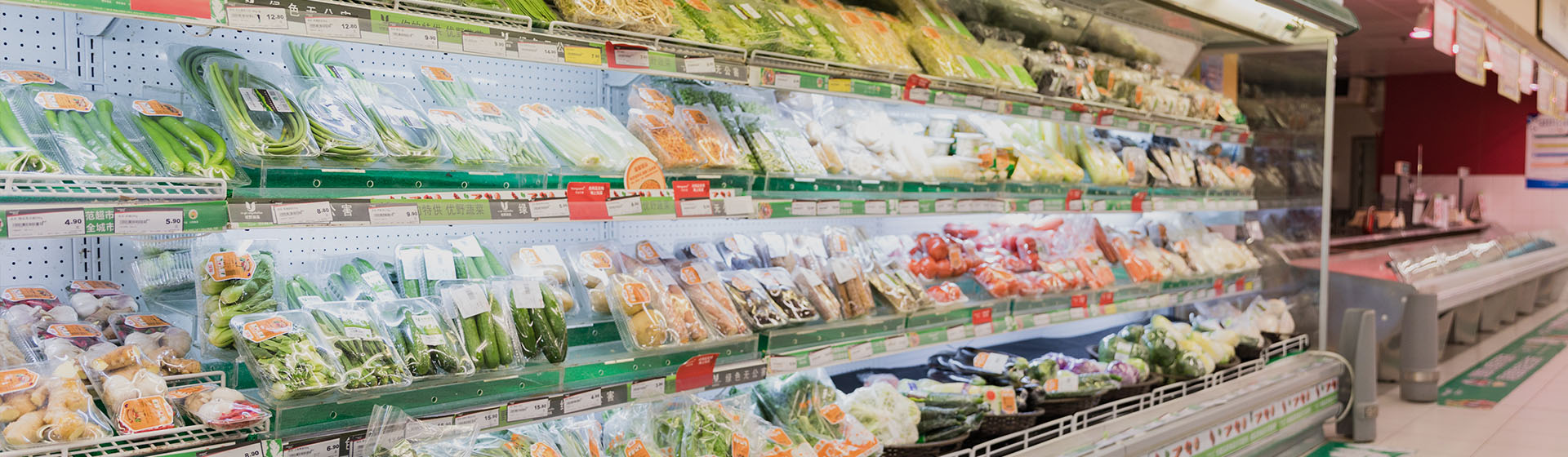
Island freezer units have become a core component in modern retail refrigeration, especially for supermarkets, convenience stores, and food chains. Their open-top or glass-lid design not only improves product visibility but also supports efficient storage of frozen goods.
For B2B buyers, choosing the right island freezer is not just about freezing performance—it directly impacts energy costs, store layout, and sales conversion. This guide answers the most commonly searched questions and provides practical insights to help you make a smarter purchasing decision.
What Is an Island Freezer and How Does It Work?
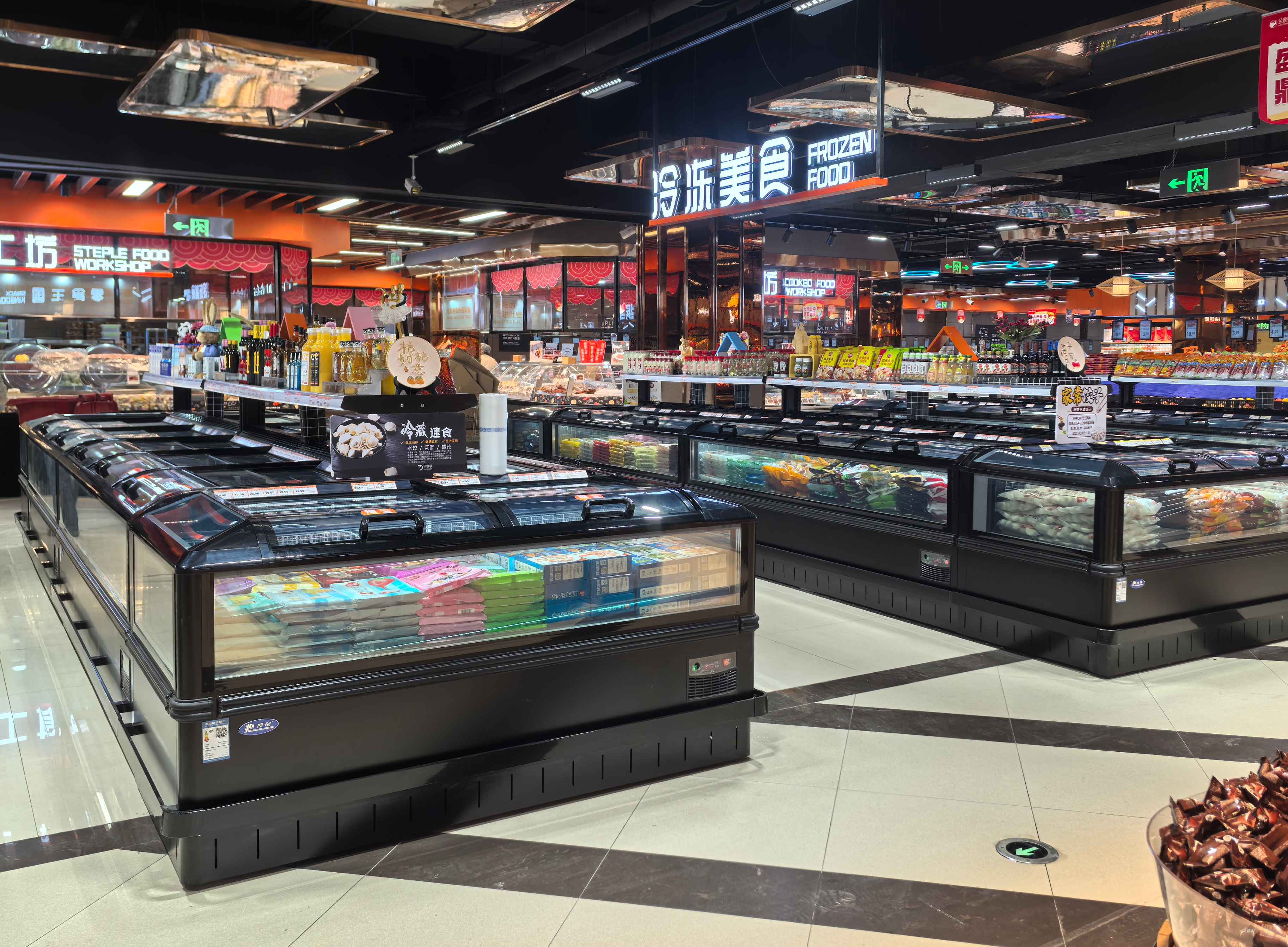
An island freezer is a horizontal refrigeration unit typically placed in the center of retail spaces. It is designed for displaying frozen products such as ice cream, seafood, frozen meat, and ready meals.
Unlike upright freezers, island freezers offer:
● Wider display area for bulk product presentation
● Easy access for customers, improving shopping efficiency
● Flexible placement to optimize store layout
The system operates using a compressor and evaporator to maintain low temperatures, usually between -18°C and -22°C, ensuring food safety and long-term preservation.
Why Are Island Freezers So Popular in Retail?
Island freezers are widely used because they combine storage, display, and accessibility in one unit.
● Increased product visibility leads to higher impulse purchases
● Central placement attracts customer attention
● Large capacity supports high-volume sales
● Efficient design improves space utilization
For retailers, these advantages translate into better sales performance and improved customer experience.
What Temperature Should an Island Freezer Maintain?
One of the most frequently asked questions is about temperature settings.
Most island freezers operate within:
● -18°C to -22°C for general frozen foods
● Lower ranges for sensitive products like seafood
Maintaining a stable temperature is critical. Fluctuations can lead to product degradation, ice crystal formation, and reduced shelf life.
Modern units often include digital temperature controls to ensure accuracy and consistency.
How Energy-Efficient Are Island Freezers?
Energy consumption is a major concern for commercial buyers.
Modern island freezers are designed with energy-saving technologies such as:
● High-efficiency compressors
● Thick insulation to reduce cold loss
● Sliding glass lids to minimize energy escape
● LED lighting with low power consumption
Compared to older models, energy-efficient island freezers can significantly reduce electricity costs over time.
What Size Island Freezer Should You Choose?
Selecting the right size depends on your store type and product volume.
● Small stores: Compact units with moderate capacity
● Medium supermarkets: Standard-sized island freezers for balanced display
● Large retail chains: Multi-unit systems for continuous frozen sections
It is important to avoid overcrowding, as this can affect airflow and cooling efficiency.
What Features Should You Look for in a High-Quality Island Freezer?
When evaluating different models, consider these key features:
● Uniform cooling system for consistent temperature distribution
● Durable construction for long-term commercial use
● Glass lids for visibility and energy efficiency
● Adjustable baskets for better product organization
● Low-noise operation for customer comfort
These features enhance both operational performance and customer experience.
How Do Island Freezers Improve Sales?
Island freezers are not just storage units—they are sales tools.
● Strategic placement encourages impulse buying
● Open design makes products easy to browse
● Organized display improves product discoverability
● Attractive presentation increases perceived value
Retailers often see improved turnover rates when using well-positioned island freezers.
What Are the Maintenance Requirements?
Proper maintenance ensures long-term performance.
● Clean the interior regularly to maintain hygiene
● Check temperature settings frequently
● Inspect seals and lids for air leakage
● Ensure proper ventilation around the unit
Routine maintenance helps reduce breakdown risks and extends equipment lifespan.
Common Mistakes to Avoid When Buying an Island Freezer
Avoiding these mistakes can save time and money:
● Choosing based only on price instead of performance
● Ignoring energy efficiency ratings
● Selecting incorrect size for store layout
● Overlooking long-term maintenance needs
● Not considering product type and storage requirements
A well-informed decision ensures better return on investment.
Conclusion: Choosing the Right Island Freezer for Your Business
Island freezers are essential for modern retail refrigeration, offering a powerful combination of storage capacity, energy efficiency, and merchandising value.
By focusing on key factors such as temperature control, energy efficiency, size, and design, businesses can select a solution that enhances both operational efficiency and sales performance.
For B2B buyers, investing in the right island freezer is not just about equipment—it is about building a more efficient, profitable, and customer-friendly retail environment.
FAQ
1. What products are best stored in an island freezer?
Frozen foods such as meat, seafood, ice cream, and ready meals.
2. Are island freezers suitable for small stores?
Yes, compact models are available for limited spaces.
3. How much energy can be saved with modern island freezers?
Energy-efficient models can significantly reduce electricity consumption compared to older units.
4. Do island freezers require frequent maintenance?
No, regular cleaning and basic checks are usually sufficient to maintain performance.
Post time: Mar-31-2026


