
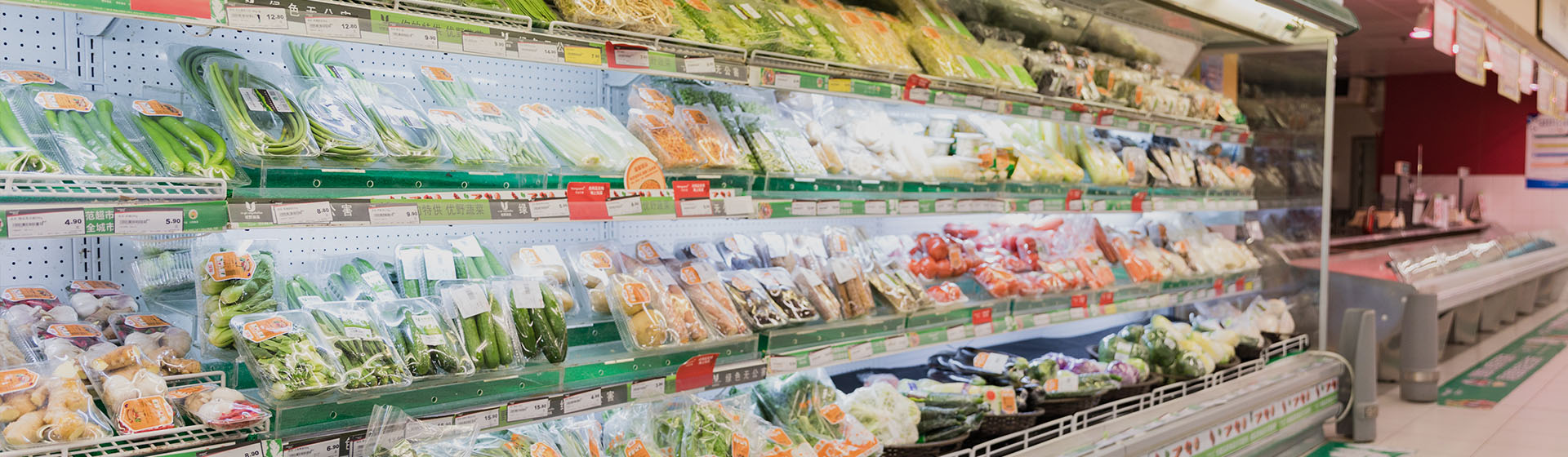
In today’s fast-paced retail and hospitality sectors, businesses need refrigeration solutions that are flexible, efficient, and cost-effective. The plug-in cooler has emerged as a reliable choice for B2B companies that want to maintain product freshness, simplify operations, and optimize energy usage. Unlike built-in refrigeration systems, plug-in coolers require minimal installation, making them ideal for stores, cafes, and service providers looking to scale quickly without significant infrastructure investments.
By leveraging plug-in coolers, B2B operators can reduce operational bottlenecks, improve product visibility, and create an appealing shopping experience that drives repeat business.
Key Advantages of Using Plug-In Coolers in B2B Operations
Businesses adopting plug-in coolers can achieve multiple operational and commercial benefits:
● Rapid deployment – Ready to operate immediately after plugging in, enabling fast setup in any commercial environment.
● Low upfront costs – Compared to central refrigeration units, plug-in coolers are more affordable and eliminate costly installation.
● Energy-efficient design – Equipped with modern compressors and LED lighting, they maintain optimal temperatures while lowering energy bills.
● Enhanced merchandising – Transparent doors or tops allow customers to easily see products, increasing impulse purchases.
● Adaptability – Perfect for seasonal promotions, temporary events, or expanding product lines without disrupting existing setups.
● Reduced maintenance requirements – Commercial-grade components are durable and require minimal intervention, reducing downtime.
These benefits help B2B operators maintain consistent product quality, reduce overhead, and improve overall store efficiency.
Features That Make Plug-In Coolers Stand Out
Temperature Control and Reliability
● Precision digital thermostats to maintain consistent product temperatures
● Automatic defrost systems to prevent ice buildup
● Eco-friendly refrigerants to meet regulatory requirements
● Audible and visual alerts to notify staff of temperature deviations
Reliable cooling ensures products remain fresh, preventing spoilage and loss while safeguarding customer satisfaction.
Design and Accessibility
● Clear glass doors or lids for easy product display
● Anti-condensation coatings to keep visibility clear
● Sliding or lift-up doors for quick access to products
● Compact designs to fit in tight retail spaces without compromising storage
A well-thought-out design increases efficiency in busy retail environments and reduces the effort required for restocking.
Smart Features and Energy Management
● Energy monitoring to identify high-consumption patterns
● Remote temperature alerts for proactive management
● Adjustable shelves for a wide variety of product sizes
● LED lighting that both highlights products and saves energy
Smart features allow B2B operators to track usage, optimize energy consumption, and maintain operational control even remotely.
Applications in Different B2B Scenarios
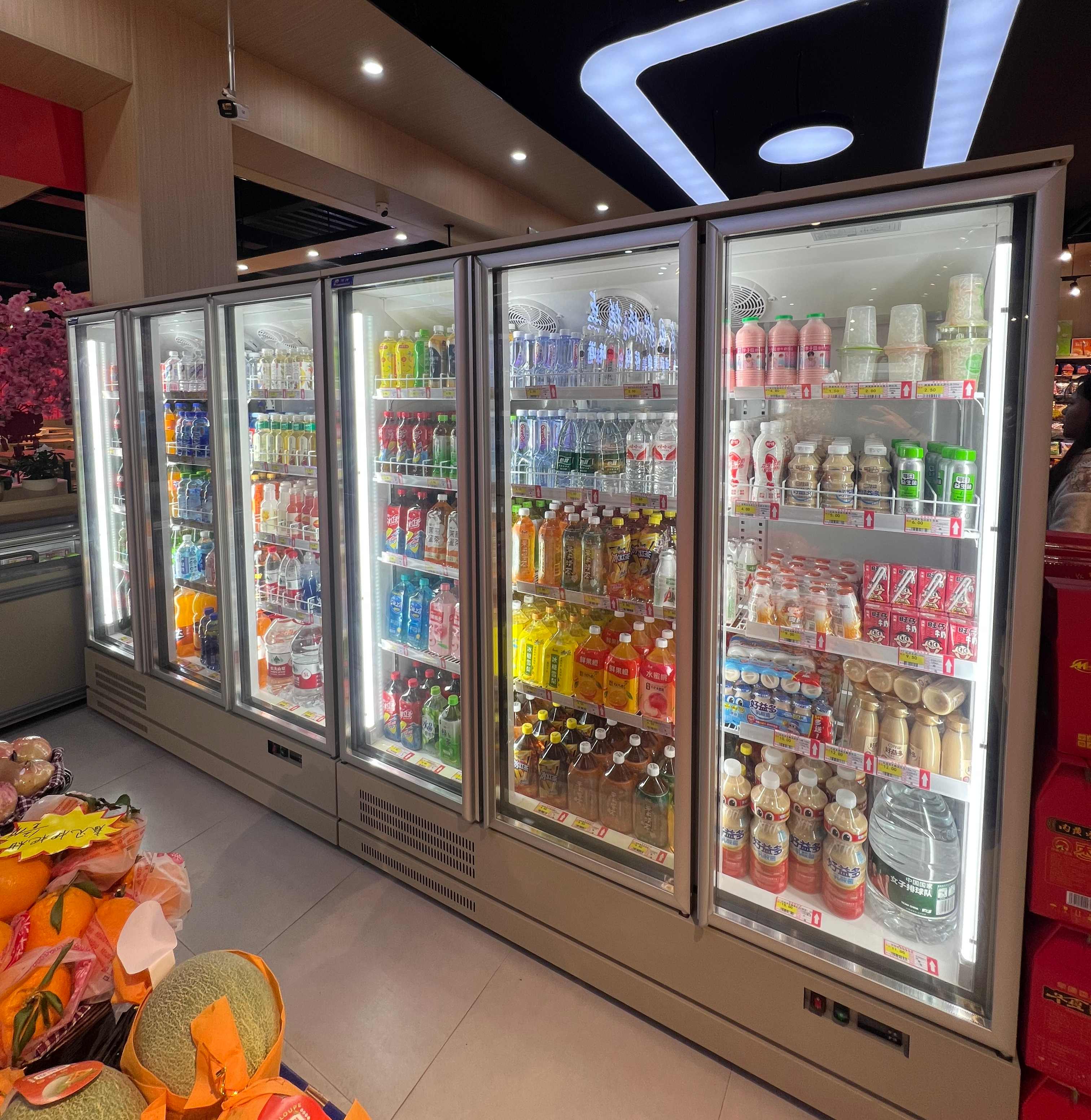
Plug-in coolers are highly versatile and serve a range of commercial applications:
● Convenience stores – Display beverages, dairy products, or ready-to-eat meals efficiently
● Small supermarkets – Complement main refrigeration units during peak periods or special promotions
● Restaurants and cafes – Keep ingredients, beverages, or desserts accessible to staff for faster service
● Event catering and pop-ups – Provide temporary, mobile refrigeration for off-site operations
Their flexibility enables businesses to maintain product quality, improve service speed, and adapt to changing sales needs.
Maintenance Tips for Optimal Performance
● Ensure proper ventilation around the cooler to avoid overheating
● Keep the unit level to protect internal components
● Clean door seals and condenser coils regularly to maintain efficiency
● Inspect LED lighting and glass surfaces for visibility and safety
● Conduct routine temperature checks and calibration to prevent spoilage
Proactive maintenance reduces downtime, extends the lifespan of the cooler, and ensures food safety standards are met.
Conclusion
For B2B operators, a plug-in cooler is more than just a refrigeration unit—it is a versatile, operationally efficient tool that enhances store functionality and product quality. With low installation requirements, energy efficiency, durable construction, and clear product display, plug-in coolers enable businesses to respond to market demands quickly, reduce operational costs, and provide a superior customer experience. Investing in the right plug-in cooler equips businesses with a scalable solution to maintain freshness, increase sales, and improve workflow efficiency.
FAQ
1. Why should B2B businesses consider plug-in coolers over built-in refrigeration?
Plug-in coolers require minimal installation, are portable, and can be deployed quickly, making them ideal for flexible retail or service environments.
2. Can plug-in coolers be used in high-traffic commercial settings?
Yes, they are designed with durable commercial components that withstand frequent access while maintaining consistent temperatures.
3. How do plug-in coolers save on energy costs?
Efficient compressors, LED lighting, and smart temperature controls reduce energy consumption without affecting cooling performance.
4. Are plug-in coolers suitable for storing a wide range of products?
Absolutely, adjustable shelves and compact designs allow storage of beverages, dairy, snacks, and other perishable items.
5. What routine maintenance ensures long-term performance?
Regular cleaning of coils and seals, checking lighting and visibility, and verifying temperature calibration are essential to maintain efficiency and product safety.
Post time: Mar-02-2026


