
An Ice Cream Display Freezer must do more than keep products frozen. Ice cream is highly sensitive to temperature fluctuation, airflow changes, and repeated exposure to warm air. Even when the product remains technically frozen, unstable storage conditions can affect texture, shape, surface quality, and overall appearance.
For commercial food spaces, the freezer also serves as a display area. Customers need to see flavors clearly, compare packaging, and access products without keeping the cabinet open for too long. This means refrigeration performance, visibility, internal organization, and daily operating habits must work together.
A properly designed display freezer helps protect product quality while making ice cream easier to present, identify, and manage.
Ice Cream Requires More Stable Storage Than Many Frozen Products
Ice cream contains water, fat, sugar, air, and other ingredients that react differently to changing temperatures. When the product warms slightly and then freezes again, small ice crystals may become larger. This can create a coarse or icy texture instead of the smooth consistency expected from properly stored ice cream.
Temperature instability can also cause:
- Deformation of individual packages
- Softening around the edges
- Frost buildup on lids and wrappers
- Condensation inside secondary packaging
- Loss of shape in ice cream bars or desserts
- Reduced visual quality of exposed products
For this reason, an Ice Cream Display Freezer should not be evaluated only by whether it can reach a low temperature. It should also be judged by how evenly it maintains that temperature during normal use.
Product Visibility Begins Before the Door Opens
A display freezer should allow the product to be recognized from outside. When customers cannot see the product clearly, they may open the lid or door several times before making a choice. Each opening allows warm, humid air to enter.
Clear glass helps customers identify product categories, packaging colors, flavors, and available stock without unnecessary access. This shortens the selection process and reduces the amount of time the freezer remains open.
Glass Structure and Anti-Fog Performance
Glass can become difficult to see through when moisture forms on the surface. This is especially common in humid environments or areas with frequent door opening.
Insulated glass, heated glass, and anti-condensation structures help maintain a clear viewing area. The correct design depends on ambient temperature, humidity, cabinet type, and operating frequency.
Lighting Without Excess Heat
Interior lighting should make packaging and labels visible, but it should not introduce excessive heat into the cabinet. LED lighting is often used because it provides bright illumination with lower heat output than many traditional lighting systems.
The lighting angle also matters. Poorly positioned lights can create glare on glass or shiny packaging, reducing visibility instead of improving it.
Different Ice Cream Products Need Different Display Arrangements
Not all ice cream products have the same size, shape, or access requirements. A cabinet used for large family tubs may need a different internal arrangement from one used for individual bars, cups, cones, or frozen desserts.
Common product categories include:
- Large ice cream tubs
- Individual cups
- Ice cream cones
- Wrapped bars and sticks
- Frozen cakes
- Gelato containers
- Multipacks
- Seasonal frozen desserts
Adjustable baskets, dividers, or shelves help keep these products separated. Without clear product zones, smaller items can become hidden under larger packaging, and staff may spend more time checking stock.
A good display plan should consider both visibility and circulation. Products should be easy to see, but they should not block cold-air movement.
Horizontal and Vertical Display Formats Serve Different Needs
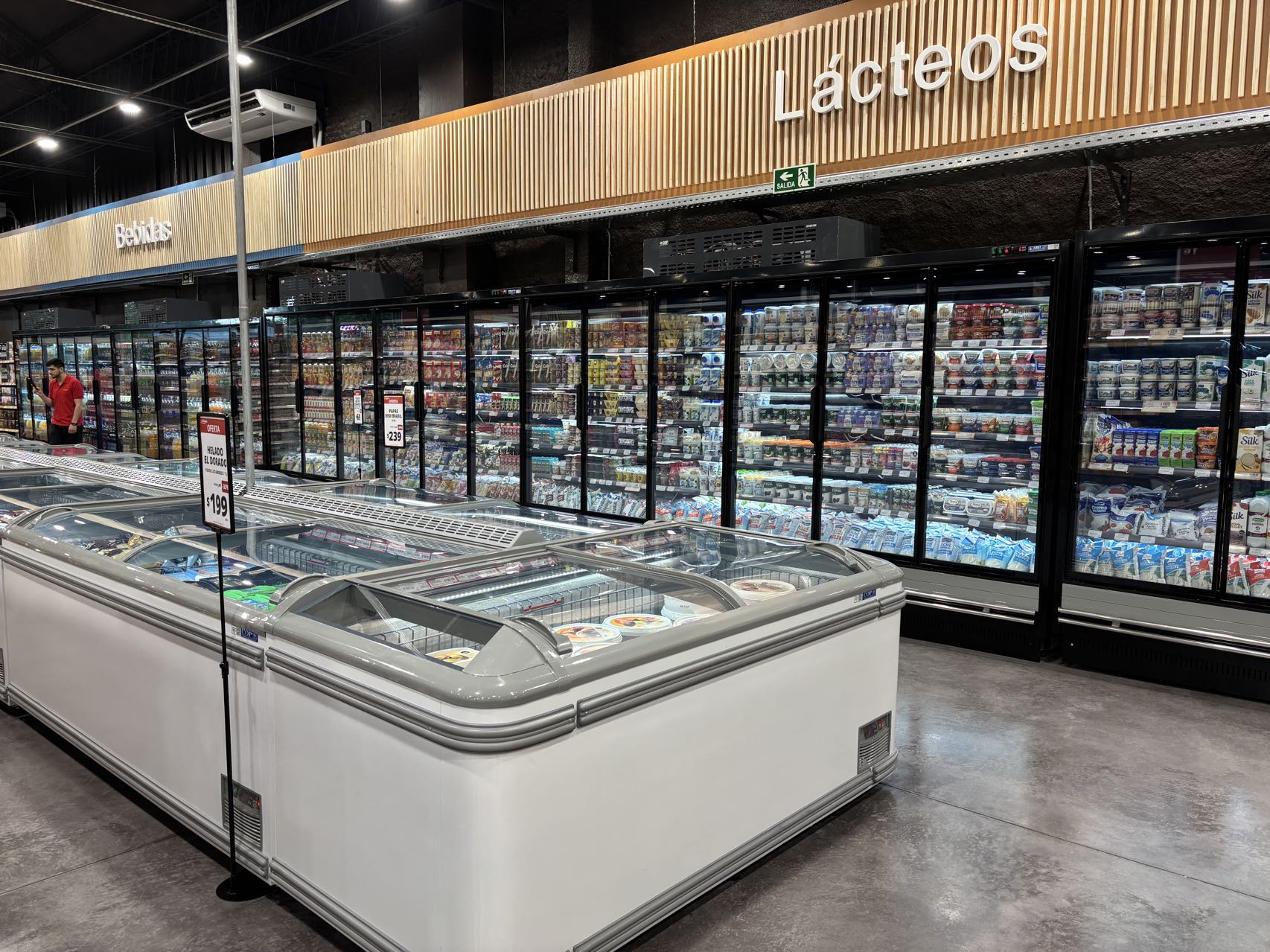
An Ice Cream Display Freezer may use a horizontal or vertical structure depending on available space, product volume, and access method.
Horizontal Display Freezers
Horizontal models usually provide deep storage and a wide top viewing area. They are practical for high-volume products, large tubs, and mixed frozen selections.
Their main advantages include:
- Large internal storage capacity
- Wide product display area
- Good access to bulk or large packaging
- Flexible use of baskets and dividers
However, products placed too deep may become difficult to see. Proper basket height and category separation are important.
Vertical Display Freezers
Vertical models use wall height and place products on multiple shelves. They are suitable when floor space is limited or when products need to remain at eye level.
Their main advantages include:
- Easier product comparison
- Better use of vertical space
- Clear shelf-based organization
- Faster stock checking
The final choice should depend on package dimensions and daily operating needs rather than appearance alone.
Airflow Must Reach Every Product Zone
Cold-air distribution is one of the most important factors in frozen display performance. If airflow is uneven, some products may remain colder than others, while items near the door or top of the cabinet may experience more temperature fluctuation.
Products should not be packed so tightly that air cannot circulate. Air outlets and return-air areas must remain unobstructed.
A practical loading method includes:
- Keeping packages away from air outlets
- Avoiding excessive stacking
- Leaving small spaces between product groups
- Separating large and small packages
- Monitoring temperatures in different sections
- Restocking without keeping the cabinet open too long
Even a powerful refrigeration system cannot perform properly if airflow is blocked by incorrect loading.
Frequent Opening Changes the Real Operating Conditions
A freezer may perform well in a test environment but face very different conditions during daily operation. Repeated opening introduces warm air and moisture, while long access times increase temperature recovery demand.
Several operating habits can reduce these effects:
- Arrange products before restocking begins
- Open only the necessary section
- Keep fast-moving items in easy-to-reach positions
- Avoid leaving lids or doors partly open
- Replace damaged seals promptly
- Remove packaging debris that prevents full closing
Shorter access time helps protect both temperature stability and energy efficiency.
Frost Control Is Essential for Clear Display
Frost can appear on evaporators, cabinet surfaces, glass edges, and product packaging. Excessive frost affects visibility, reduces available storage space, and may restrict airflow.
Common causes include:
- Frequent door opening
- High environmental humidity
- Damaged door gaskets
- Improper defrost settings
- Warm products loaded into the cabinet
- Poor door alignment
A controlled defrost system should remove frost without causing large temperature changes in the product area. Manual ice removal should be carried out carefully to avoid damaging internal surfaces or refrigeration components.
Energy Efficiency Depends on More Than Compressor Size
Commercial freezers often operate continuously, so long-term energy performance matters. Energy use is affected by cabinet insulation, glass design, sealing, lighting, airflow, refrigeration control, and installation location.
The freezer should be placed away from direct sunlight, heaters, ovens, and poorly ventilated corners. Condenser surfaces should remain clean so heat can be released effectively.
Oversized equipment may consume more power than necessary, while an overloaded freezer may run continuously and still struggle to maintain temperature. Correct capacity selection is therefore important.
A Better Display Supports Easier Stock Management
A clear display arrangement also helps staff manage inventory. Empty product zones can be identified quickly, and slower-moving products are less likely to remain hidden.
Practical stock management includes:
- Grouping products by type or flavor
- Placing labels toward the viewing area
- Separating new and older stock
- Checking packaging condition during restocking
- Recording unusual temperature changes
- Cleaning spills and frost promptly
The freezer becomes easier to operate when its internal structure reflects the actual product range.
FAQ
1. What temperature should an Ice Cream Display Freezer maintain?
Ice cream is commonly stored at approximately -18°C or below, but the exact temperature should follow the product specification and local food storage requirements.
2. Why does ice cream become icy even when it stays frozen?
Small temperature changes can cause partial melting and refreezing. This allows ice crystals to grow larger, creating a rough or icy texture.
3. Can different frozen desserts be stored in the same display freezer?
Yes, provided they require a similar temperature range and are arranged so that airflow is not blocked. Different categories should be clearly separated.
4. Why does frost appear around the glass or lid?
Frost may result from warm humid air entering the cabinet, frequent opening, damaged seals, poor alignment, or insufficient defrost control.
Post time: Jul-29-2026


