
A Sushi Display Refrigerator is a specialized refrigerated showcase designed for sushi bars, Japanese restaurants, hotel buffets, seafood counters and grab-and-go food areas. Unlike a standard storage refrigerator, it is placed directly in front of customers, so it must protect quality while displaying trays clearly. Sushi is visually delicate and temperature sensitive. Rice, fish, seafood toppings, vegetables and prepared rolls can lose appeal quickly if the display case does not control temperature, airflow and cleanliness in a balanced way.
For this reason, a Sushi Display Refrigerator should be considered both a refrigeration product and a front-of-house presentation tool. The cabinet needs to keep sushi at a suitable chilled condition, but it also needs low glass distortion, smooth lighting, practical tray space and a structure that allows staff to serve quickly during busy hours. When the equipment is selected correctly, it helps the restaurant maintain freshness, build customer trust and display premium food in a clean, organized way.
Product structure designed for sushi presentation
The most obvious feature of a sushi display case is its low, horizontal structure. This design keeps the food close to the customer’s line of sight without blocking communication between staff and guests. Curved or flat glass panels allow people to see the color, texture and arrangement of each sushi tray. A well-designed Sushi Display Refrigerator should not make the food look dark, foggy or crowded. It should create a clear viewing window from the front and a convenient working space from the service side.
Inside the cabinet, tray layout matters. Sushi is usually arranged in shallow trays or plates, so the display area must support neat placement instead of deep stacking. The internal depth, tray rail design and glass height all influence how easy it is for staff to replenish food and how attractive the final display looks. For restaurants that serve different sushi types throughout the day, a flexible tray arrangement can make the counter easier to update.
Cooling performance should be stable, not aggressive
Sushi requires chilled display, but very strong cold airflow can dry the surface of fish, rice or toppings. The goal is not simply to make the cabinet as cold as possible. The goal is to maintain a stable display environment that slows quality loss while keeping the food visually fresh. A good Sushi Display Refrigerator should distribute cold air evenly across the display zone and avoid obvious warm corners.
Temperature recovery is also important. During service, staff may open the rear sliding doors frequently to take out trays, add new rolls or clean the work area. If the cabinet recovers slowly, food in the display zone can be affected by room temperature. Strong insulation, reliable refrigeration components and a suitable airflow path help keep the display area more consistent during real use.
Key product details buyers should compare
Before ordering a sushi display case, buyers should look beyond the outside size. Two models with similar length may feel very different in daily service because of tray depth, glass angle, door structure and cleaning access. A restaurant should compare the details that influence food presentation and staff efficiency.
- Glass design: clear curved or flat glass should provide a wide viewing angle and reduce fogging during service.
- Tray capacity: the internal layout should match common sushi plates, seafood trays or prepared food containers.
- Rear access: sliding doors should open smoothly so staff can serve, refill and clean without interrupting the counter.
- Airflow path: cooling should cover the display surface gently and evenly instead of blowing directly onto food.
- Lighting effect: lighting should make sushi look clean and natural without creating too much heat inside the cabinet.
Why hygiene and cleaning access are part of product value
Sushi counters are food-contact environments. Even if food is placed on trays, the surrounding area must stay clean and easy to maintain. A product-focused buyer should check whether the display base, glass edges, inner corners and drain area can be cleaned without complicated disassembly. If residue, water marks or food particles remain inside the cabinet, the display can quickly lose its professional appearance.
Daily cleaning also affects service speed. Restaurants often need to clean the cabinet after lunch service, before dinner service or at closing time. Smooth interior surfaces, removable trays, practical drainage and accessible glass make the equipment easier for staff to maintain. The better the cleaning design, the easier it is to keep the sushi counter looking fresh every day.
Where this refrigerator fits in foodservice operations
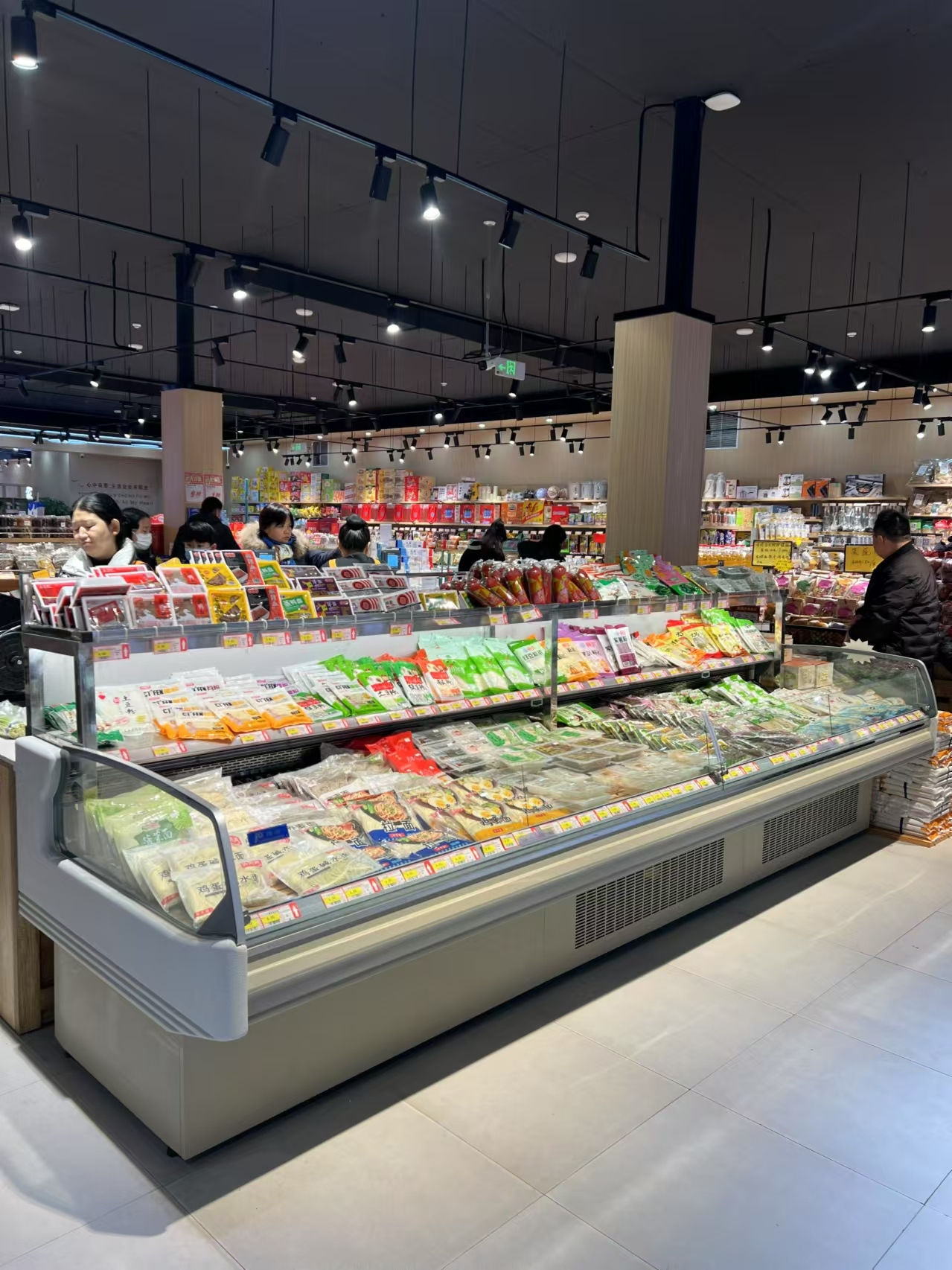
A Sushi Display Refrigerator is suitable for several business models. In a sushi restaurant, it can become the main counter where customers choose from freshly prepared rolls and seafood. In a buffet, it can support controlled chilled presentation for small plates. In a supermarket or convenience store, it can display ready-to-eat sushi boxes when paired with suitable packaging and food safety procedures.
The product should be selected according to service style. A chef-facing counter may need better rear access and wider tray space. A self-service area may need stronger glass protection and a display height that helps customers see products clearly. A hotel buffet may prefer a clean appearance that matches the dining environment. These differences show why the refrigerator must be matched to the actual selling scene rather than chosen only by length.
Configuration points for different store sizes
- For small sushi bars, compact length, low noise and easy rear access are often more important than very large capacity.
- For busy restaurants, stable temperature recovery and fast tray replacement help support peak-hour service.
- For buffet areas, appearance, glass clarity and simple cleaning are important because customers stay close to the display.
- For supermarkets, stronger structure, continuous operation and standardized cabinet dimensions support long daily working hours.
- For chain stores, consistent color, size and display style help create a unified brand image across locations.
How Dashang supports product-focused selection
Dashang commercial refrigeration equipment focuses on practical cabinet design, stable cooling and clear product display. For sushi and prepared food counters, the equipment should help operators show delicate food attractively while supporting daily cleaning and continuous service. A suitable Sushi Display Refrigerator can improve both food presentation and operational convenience.
When choosing a model, buyers should confirm display length, inner tray dimensions, glass style, temperature range, rear door structure, installation environment and cleaning requirements. If these product details are clear before ordering, the final cabinet is more likely to match the restaurant’s real workflow and customer-facing presentation.
FAQ
What food can be displayed in a Sushi Display Refrigerator?
It is mainly used for sushi, sashimi-style prepared items, seafood plates, cold appetizers and other chilled ready-to-serve foods that require clean display and stable cooling.
Is a sushi display case the same as a normal refrigerator?
No. A normal refrigerator is mainly for storage, while a sushi display case is designed for customer-facing presentation, tray visibility, service access and hygienic display.
What should buyers check before ordering?
They should check length, tray depth, glass type, temperature range, rear access, airflow design, cleaning structure, power supply and installation position.
Can it be used in supermarkets?
Yes, but the store should match the cabinet with proper packaging, food safety management, staff operation and a display plan for ready-to-eat chilled products.
Post time: Jul-16-2026


