
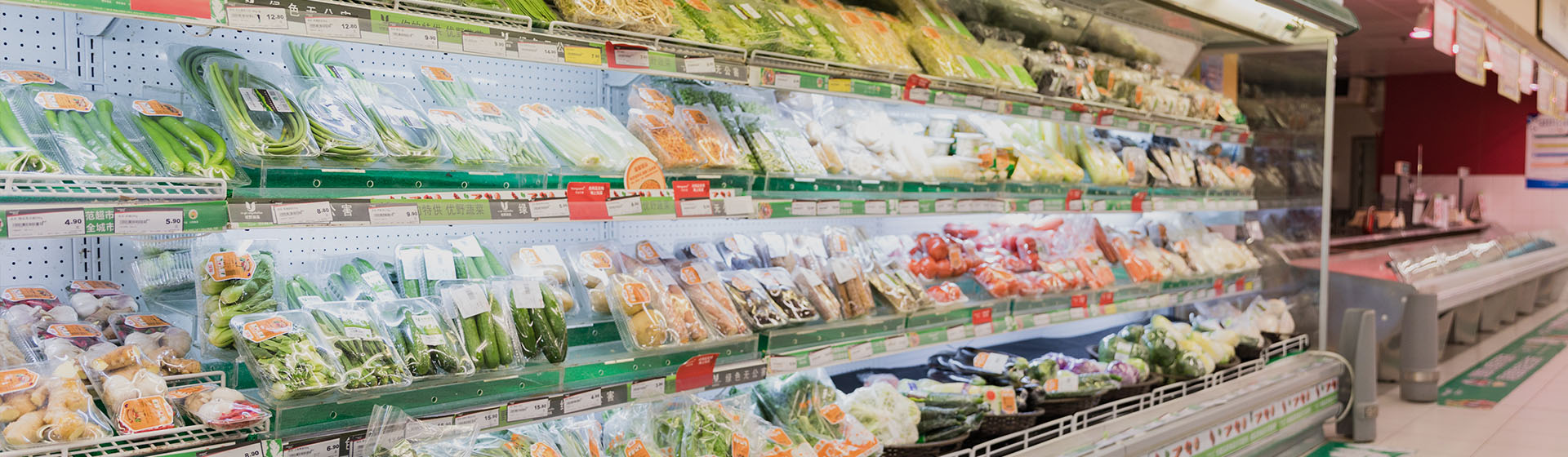
In modern retail and food service environments, maintaining product freshness while controlling energy costs has become a critical operational challenge. A glass-door upright fridge offers a practical solution by combining visibility, storage efficiency, and stable cooling performance. This type of refrigeration equipment is widely used in supermarkets, convenience stores, and beverage retail spaces where both product display and preservation are equally important.
As consumer expectations for freshness and visual merchandising continue to rise, businesses are increasingly adopting vertical glass-door refrigeration systems to optimize space usage and improve product accessibility while maintaining energy efficiency.
The Role of Glass-Door Upright Fridges in Commercial Cooling Systems
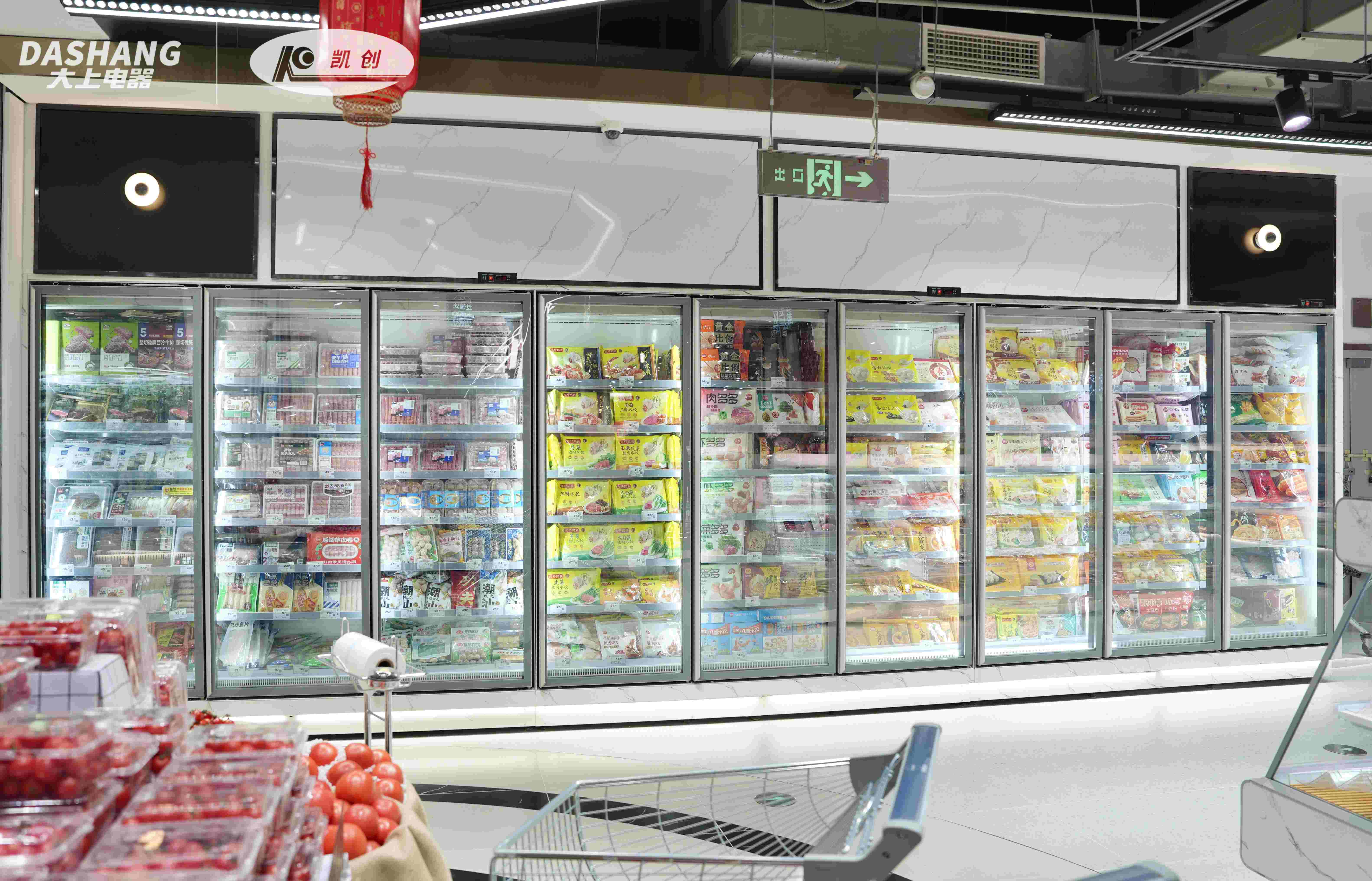
A glass-door upright fridge is designed to provide vertical storage with transparent doors that allow customers or staff to view products without frequently opening the unit. This structure significantly reduces cold air loss and helps maintain consistent internal temperatures. Unlike traditional open-display refrigerators, these units are engineered to balance energy efficiency with merchandising visibility.
They are particularly valuable in high-traffic environments where frequent access to chilled beverages, dairy products, and packaged foods is required. By reducing unnecessary door openings and improving product organization, they help businesses maintain both operational efficiency and product quality.
Key Features and Functional Advantages in Retail Environments
The performance of glass-door upright refrigeration systems is defined by several integrated engineering and design elements that support both cooling stability and commercial usability.
● High-efficiency compressor systems designed to deliver consistent cooling performance while minimizing energy consumption during continuous operation in retail environments
● Double or triple-layer tempered glass doors that reduce heat exchange while maintaining product visibility for improved customer engagement and merchandising appeal
● Multi-shelf adjustable storage systems that allow flexible product arrangement based on SKU variety, packaging size, and seasonal inventory changes
● LED internal lighting configurations that enhance product presentation while consuming significantly less energy compared to traditional fluorescent lighting systems
● Advanced air circulation technology that ensures uniform temperature distribution across all shelving levels, preventing cold spots and temperature inconsistency
● Automatic defrosting systems that reduce maintenance workload and ensure uninterrupted refrigeration performance in high-demand commercial settings
● Heavy-duty caster wheels or reinforced base structures that support mobility and stable installation in supermarket aisles or storage areas
● Digital temperature control panels that allow precise monitoring and adjustment of internal conditions to meet different food safety requirements
These combined features make glass-door upright fridges a highly efficient solution for retail operators who need both performance reliability and visual merchandising capability.
Why Energy Efficiency Matters in Commercial Refrigeration Systems
Energy consumption is one of the largest operational costs in supermarket and retail refrigeration systems. Glass-door upright fridges are engineered to reduce unnecessary power usage through improved insulation and controlled access design.
By minimizing the frequency of cold air escape and optimizing compressor cycling, these units help reduce electricity consumption while maintaining consistent internal temperatures. Over time, this leads to significant cost savings, especially in large-scale retail environments where multiple refrigeration units operate simultaneously throughout the day.
Additionally, energy-efficient refrigeration systems contribute to sustainability goals by reducing greenhouse gas emissions associated with excessive electricity usage, making them an important consideration for environmentally conscious businesses.
Operational Benefits for Supermarkets and Retail Stores
Beyond energy savings, glass-door upright refrigeration systems provide multiple operational advantages that directly impact store performance and customer experience.
● Improved product visibility that encourages impulse purchasing and enhances in-store merchandising effectiveness
● Reduced product spoilage due to stable temperature control and minimized door-opening frequency
● Better inventory organization that simplifies restocking processes and improves staff efficiency during peak hours
● Enhanced customer convenience through easy product identification without requiring physical interaction with the refrigerator door
● Scalable configuration options that allow businesses to expand refrigeration capacity as their product range grows
● Lower maintenance requirements compared to open-display refrigeration systems due to reduced contamination and airflow disruption
● Improved compliance with food safety standards through consistent temperature regulation and monitoring capabilities
These benefits make upright glass-door refrigeration systems a strategic investment for businesses aiming to optimize both sales performance and operational efficiency.
Design Considerations for Commercial Applications
When selecting a glass-door upright fridge for retail use, several design factors influence long-term performance and usability. Capacity, energy rating, airflow system design, and door insulation quality all play important roles in determining overall efficiency.
Retail environments with high customer traffic often require units with rapid temperature recovery systems to ensure stable cooling even during frequent access. Additionally, ergonomic shelf design and clear visibility angles contribute to better product presentation and improved customer interaction.
Durability is another essential factor, as commercial refrigeration units must withstand continuous operation over extended periods without performance degradation. High-quality materials such as stainless steel interiors and reinforced glass panels are commonly used to ensure long-term reliability.
Conclusion
Glass-door upright fridges play an essential role in modern retail refrigeration strategies by combining energy efficiency, product visibility, and operational convenience in a single system. Their ability to reduce energy consumption while enhancing merchandising effectiveness makes them a valuable asset for supermarkets, convenience stores, and food retail businesses seeking long-term performance stability.
As retail environments continue to evolve toward more efficient and customer-friendly designs, these refrigeration systems will remain a core component in achieving both commercial success and sustainable operations.
FAQ
1. What products are best stored in a glass-door upright fridge?
Glass-door upright fridges are commonly used for beverages, dairy products, pre-packaged foods, fresh produce, and ready-to-eat items. Their design allows for clear visibility and stable cooling, making them ideal for retail display applications.
2. How does a glass-door design help reduce energy consumption?
The insulated glass doors reduce the amount of cold air lost during product access. Since users can view items without opening the door frequently, the system maintains internal temperature more efficiently and reduces compressor workload.
3. What is the typical temperature range of a commercial upright fridge?
Most commercial upright fridges operate within a temperature range of 0°C to 10°C depending on the product type and storage requirements. Some models also offer adjustable controls for more precise temperature management.
4. How often should a glass-door upright fridge be maintained?
Routine maintenance is generally recommended every 3 to 6 months, including cleaning condenser coils, checking door seals, and verifying temperature accuracy. High-traffic retail environments may require more frequent inspections.
Post time: May-26-2026


