
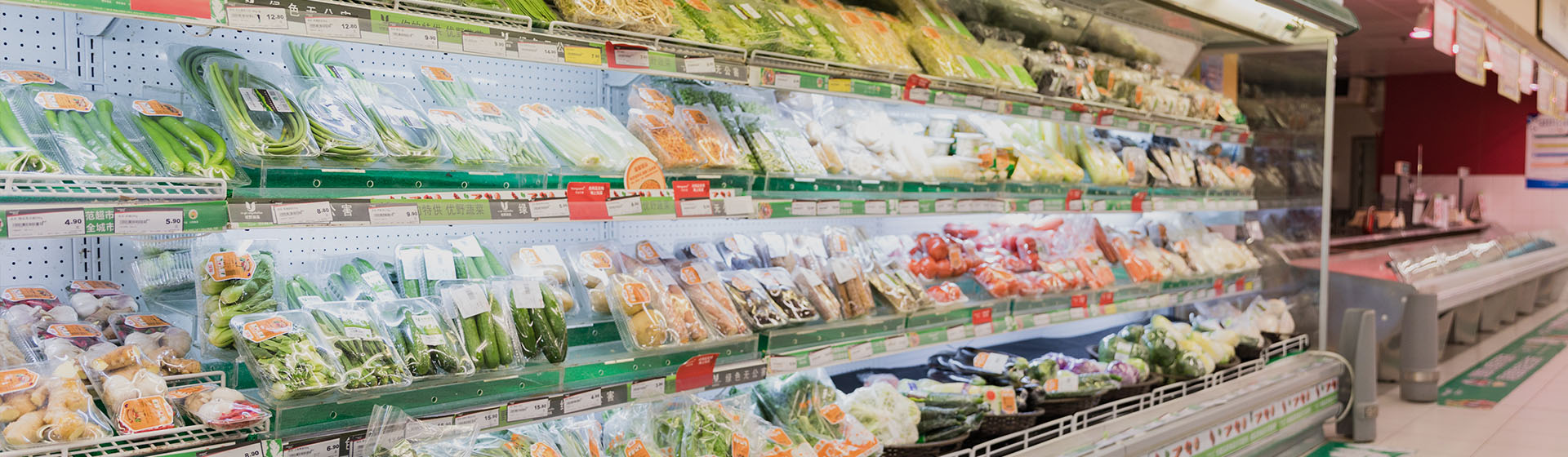
Learn how a beverage display improves cold drink visibility, temperature control, shopper access, and retail merchandising for supermarkets and convenience stores.
A Cold Drink Zone That Customers Notice Quickly
A Beverage Display is a commercial refrigerated cabinet used to show bottled drinks, canned drinks, dairy beverages, juice, tea, soda, water, energy drinks, and chilled promotional products in supermarkets, convenience stores, cafés, gas stations, and retail chains. Unlike ordinary storage refrigeration, it is designed to make drinks easy to see, easy to reach, and easy to restock while keeping the selling temperature stable. For stores where beverage sales depend on impulse buying, this type of equipment can turn a simple cold drink corner into a visible sales point.
Cold drinks are often purchased quickly. Customers may not plan to buy a bottle of water, juice, or soda before entering the store, but they often make the decision when they see a clean, bright, and well-arranged beverage area. A Beverage Display helps products face the shopper directly, shows labels clearly through glass doors or open-front display design, and keeps different drink categories organized by brand, flavor, package size, or promotion.
The Search Intent Behind Beverage Display
When buyers search for beverage display, they are usually not only looking for a refrigerator. They may be comparing display capacity, door type, cooling performance, lighting, shelf layout, energy use, and store appearance. A supermarket buyer wants a cabinet that can hold enough drinks during busy hours, but a convenience store buyer may care more about narrow floor space and fast self-service. A café or bakery may need a smaller unit that matches the interior design while keeping drinks close to checkout.
This is why beverage display selection should begin with the selling scene. If the cabinet is placed near the entrance, the visual effect and glass clarity are important. If it is placed near the cashier, fast access and compact footprint matter more. If it is used in a supermarket aisle, shelf strength, product capacity, and easy replenishment become key points. Matching the cabinet to the real store route is often more useful than choosing only by size.
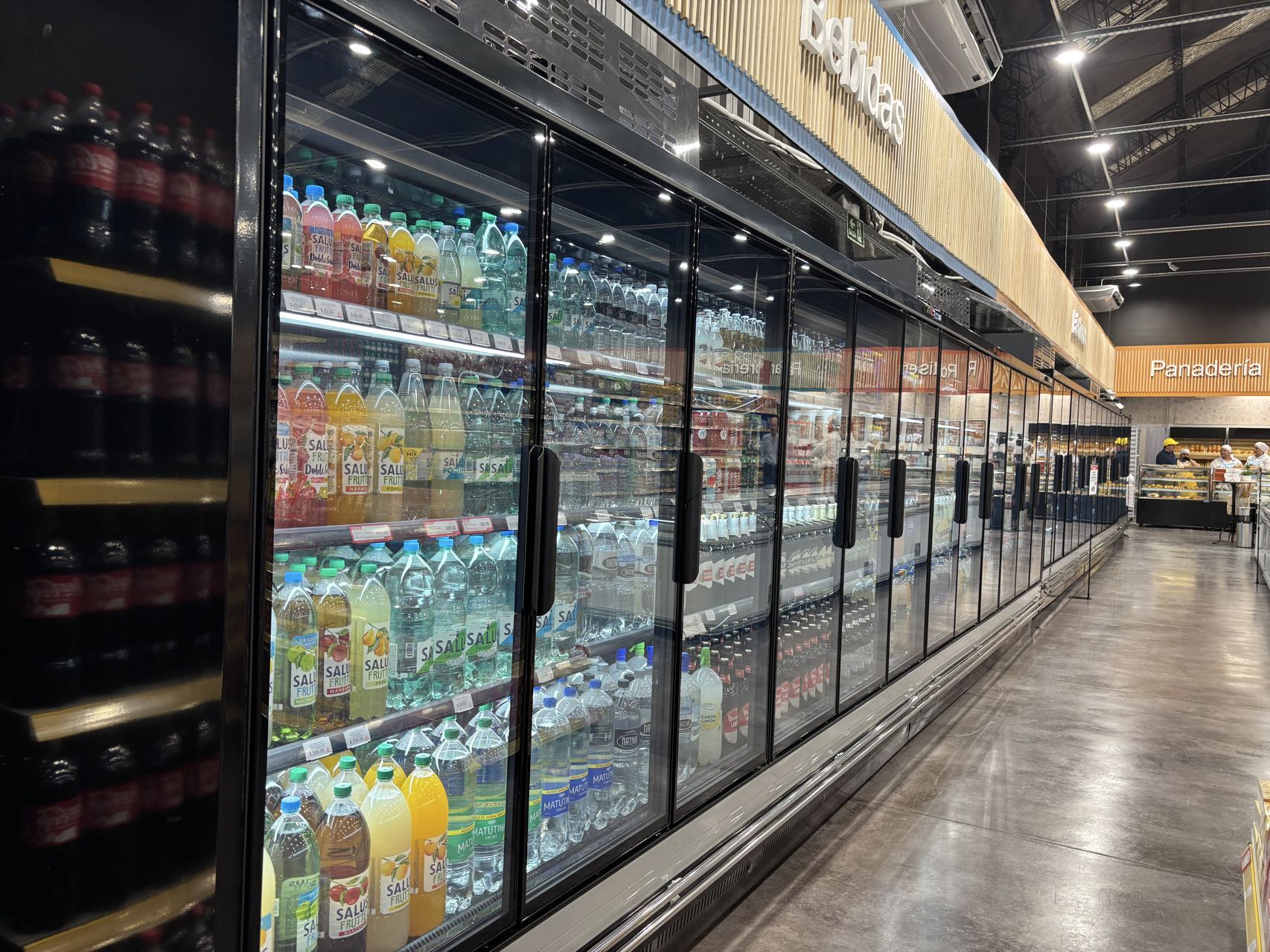
Visibility Decides Whether Drinks Become Impulse Purchases
Beverage categories are highly visual. Colorful labels, different bottle shapes, and seasonal packaging can attract shoppers when they are displayed clearly. A good Beverage Display should make the product face easy to read from a short distance. Glass door transparency, internal lighting, shelf angle, and door frame design all affect whether customers can quickly recognize the drink they want.
Good visibility also helps stores manage promotions. For example, a retailer can place sports drinks at eye level during summer, bottled tea near lunch food, or family-size drinks on lower shelves. When the display is neat, the shopper does not need to search for a long time. This improves the buying experience and can increase the chance of adding one more drink to the basket.
Temperature Stability Matters for Customer Experience
A beverage cabinet does not need the same temperature as a freezer, but stable cooling is still important. Drinks should feel cold when customers open them, and the cabinet should recover temperature after frequent door openings. During weekends, lunch hours, or hot weather, drink cabinets may be opened many times in a short period. If cooling recovery is slow, the products near the front may not stay at the expected serving temperature.
For this reason, buyers should look at refrigeration matching, airflow distribution, door sealing, insulation, and fan performance. A stable Beverage Display helps keep drinks at a consistent temperature from top to bottom and from front to back. It also reduces customer complaints caused by warm drinks and helps the store maintain a professional image.
Glass Door or Open Chiller: Choosing by Store Type
Many buyers compare glass door beverage cabinets with open chillers. A glass door display is suitable for stores that want better temperature control, cleaner product protection, and lower cold air loss. It works well for bottled drinks, dairy drinks, premium beverages, and stores where the cabinet runs all day. Customers can see the product clearly before opening the door, which helps reduce unnecessary opening.
An open chiller can create faster access and stronger impulse buying in high-traffic areas, especially near ready-to-eat food or checkout zones. However, it requires careful airflow design and suitable store conditions. The right choice depends on foot traffic, drink turnover, energy expectations, indoor temperature, and merchandising style. Some supermarkets use both: glass door cabinets for main drink categories and open chillers for short-term promotions.
How Reliable Design Supports Chain Store Operation
For chain supermarkets and convenience stores, a unified Beverage Display style helps standardize the beverage area across different locations. Store managers can use similar shelf plans, promotional layouts, and replenishment methods. This makes daily operation easier and helps customers recognize the drink zone quickly when they enter different stores under the same brand.
Reliable commercial refrigeration design also reflects long-term retail capability. Stable cooling, durable structure, neat appearance, and convenient maintenance help the cabinet serve the store for years, not only for one promotion period. For buyers planning store upgrades or new branch openings, the beverage display should be treated as both refrigeration equipment and sales equipment.
FAQ
Q1: What is a beverage display used for?
A1: It is used to refrigerate and display bottled drinks, canned drinks, juice, soda, water, tea, dairy drinks, and other chilled beverages in retail stores.
Q2: Is a glass door beverage display better than an open chiller?
A2: It depends on the store. Glass door cabinets usually offer better temperature control and product protection, while open chillers provide faster access for impulse sales.
Q3: What temperature should a beverage display keep?
A3: The suitable temperature depends on the drink category and local retail requirements, but the key point is stable cooling and quick recovery after frequent door opening.
Q4: Where should a beverage display be placed in a store?
A4: Common locations include entrances, checkout areas, ready-to-eat food zones, supermarket aisles, and convenience store beverage corners with strong customer traffic.
Post time: Jul-06-2026


