
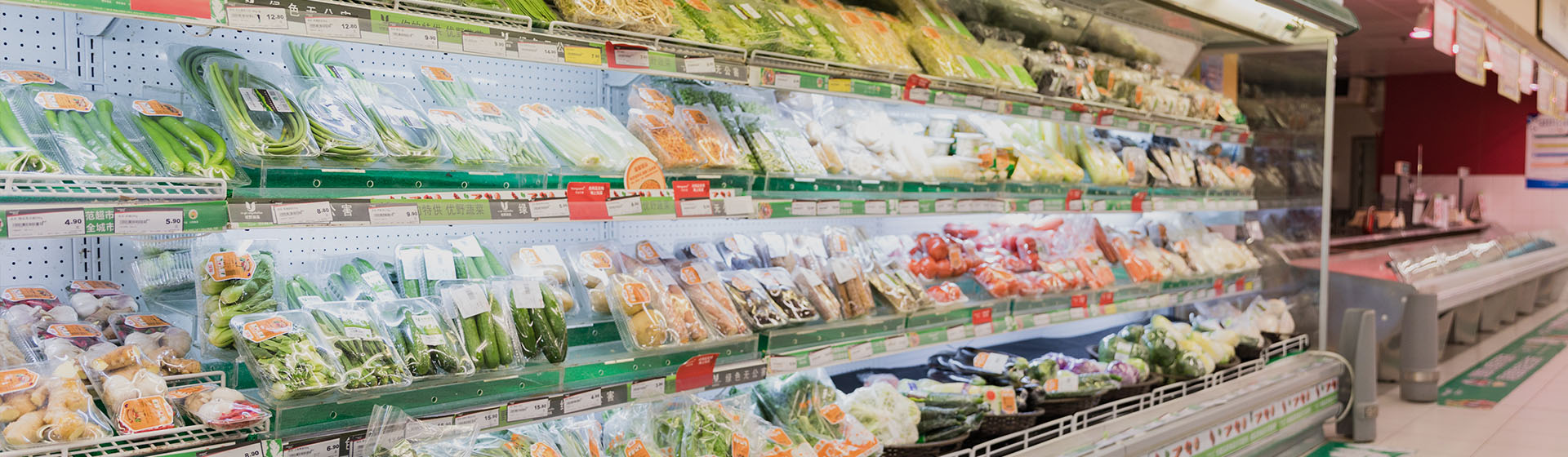
In today’s competitive retail landscape, refrigeration equipment plays a critical role in both product preservation and visual merchandising. A glass door upright fridge is more than just a storage unit—it is a sales tool that directly influences customer purchasing decisions.
For retailers, selecting the right model can improve product visibility, reduce energy costs, and enhance operational efficiency. This guide provides a comprehensive overview of how to choose the ideal glass door upright fridge for retail applications, with practical insights tailored for B2B decision-makers.
Why Glass Door Upright Fridges Are Essential in Retail
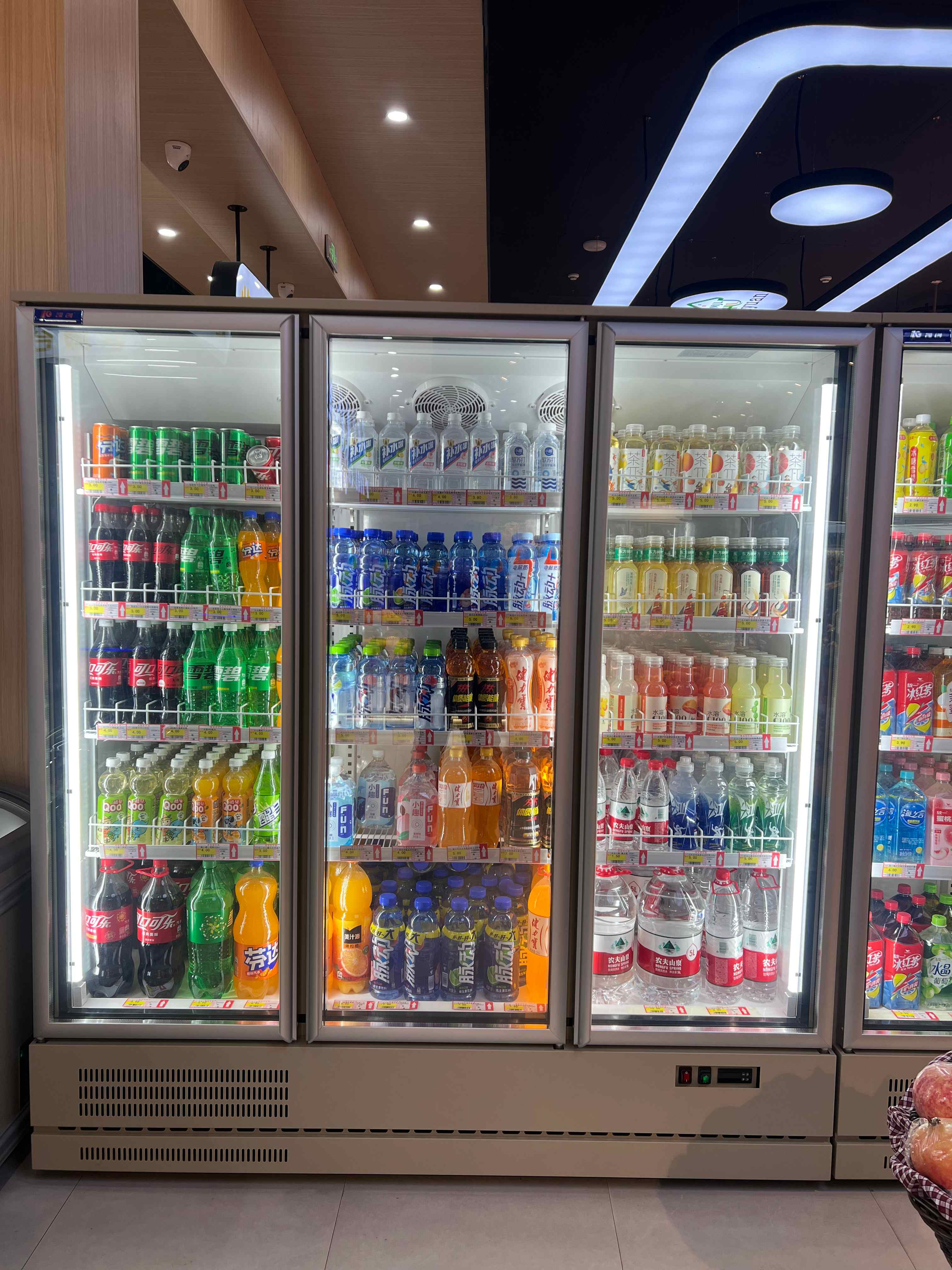
Glass door upright fridges are widely used in supermarkets, convenience stores, and specialty shops due to their ability to combine refrigeration with product display.
Unlike solid-door units, these fridges allow customers to see products clearly before opening the door, which reduces browsing time and encourages impulse purchases. This visibility is particularly important for beverages, dairy products, desserts, and ready-to-eat items.
In addition, modern designs focus on energy efficiency and consistent temperature control, making them suitable for continuous commercial use.
Key Factors to Evaluate Before Purchasing
Choosing the right fridge requires a strategic evaluation of several core factors. Each element contributes to both performance and long-term return on investment.
● Size and Capacity
The size of the fridge should match both your available floor space and product volume. Compact units are suitable for small stores, while large-capacity models are ideal for supermarkets. Adjustable shelving is essential for accommodating different product types and packaging sizes.
● Energy Efficiency
Energy consumption significantly affects operating costs. Look for features such as LED lighting, energy-efficient compressors, and high-quality insulation. Units with better energy ratings can reduce electricity bills over time.
● Temperature Control System
Accurate temperature management is critical for food safety and product quality. Digital temperature controls allow precise adjustments and monitoring, ensuring consistent cooling performance across all shelves.
● Design and Product Visibility
A well-designed fridge enhances customer engagement. Features like anti-fog glass, internal lighting, and clean shelving layouts improve product presentation and visibility.
● Durability and Build Quality
Commercial fridges must withstand frequent use. Stainless steel interiors, reinforced glass doors, and corrosion-resistant materials ensure long-term durability.
● Additional Functional Features
Advanced features can improve usability and efficiency, including:
● Self-closing doors to prevent energy loss
● Remote monitoring systems for temperature tracking
● Adjustable shelving for flexible merchandising
● Locking mechanisms for product security
Matching Fridge Selection to Retail Scenarios
Different retail environments require different configurations.
● Convenience stores benefit from compact, high-visibility units placed near checkout areas
● Supermarkets require large-capacity fridges for high product turnover
● Cafes and bakeries need aesthetically appealing units to highlight premium products
● Specialty stores may prioritize temperature precision for sensitive items
Selecting the right model based on usage scenario ensures better performance and customer satisfaction.
Energy Efficiency and Cost Optimization
Energy efficiency is not just an environmental concern—it directly impacts profitability.
Modern glass door upright fridges are designed with technologies that minimize energy consumption while maintaining performance. Compared to older models, newer units can reduce energy usage by a significant margin.
Key energy-saving elements include:
● High-efficiency compressors
● Improved insulation materials
● Smart temperature control systems
● LED lighting with low heat output
Investing in an energy-efficient model can result in long-term cost savings and compliance with energy regulations.
Enhancing Customer Experience Through Design
Retail success depends heavily on customer experience, and refrigeration equipment plays a major role.
Glass door upright fridges contribute to a better shopping experience by:
● Allowing quick product identification
● Reducing the need to open doors frequently
● Maintaining organized and visually appealing displays
● Encouraging impulse purchases through attractive presentation
Proper placement—such as near entrances or along main aisles—can further amplify these benefits.
Common Mistakes to Avoid When Selecting a Fridge
Avoiding common purchasing errors can prevent long-term inefficiencies.
● Choosing a unit based only on price rather than performance
● Ignoring energy efficiency ratings
● Selecting incorrect size for the store layout
● Overlooking maintenance requirements
● Failing to consider product type and storage needs
Making informed decisions ensures better alignment with business goals.
Conclusion: Making the Right Investment for Long-Term Success
Selecting the right glass door upright fridge is a strategic decision that affects multiple aspects of retail operations. From product presentation to energy consumption and maintenance costs, every factor plays a role in overall performance.
By focusing on size, efficiency, temperature control, and design, businesses can invest in a solution that enhances both operational efficiency and customer experience.
In a competitive retail environment, the right refrigeration equipment can become a powerful driver of sales and brand perception.
FAQ
1. What size glass door upright fridge is best for small stores?
A compact unit with a capacity of 300–400 liters is typically suitable for small retail environments.
2. Why is energy efficiency important in commercial fridges?
It reduces electricity costs and supports sustainable business operations.
3. Are digital temperature controls necessary?
Yes, they provide precise control and help maintain consistent product quality.
4. What features improve product display the most?
LED lighting, anti-fog glass, and adjustable shelving significantly enhance visibility and presentation.
Post time: Mar-27-2026


