
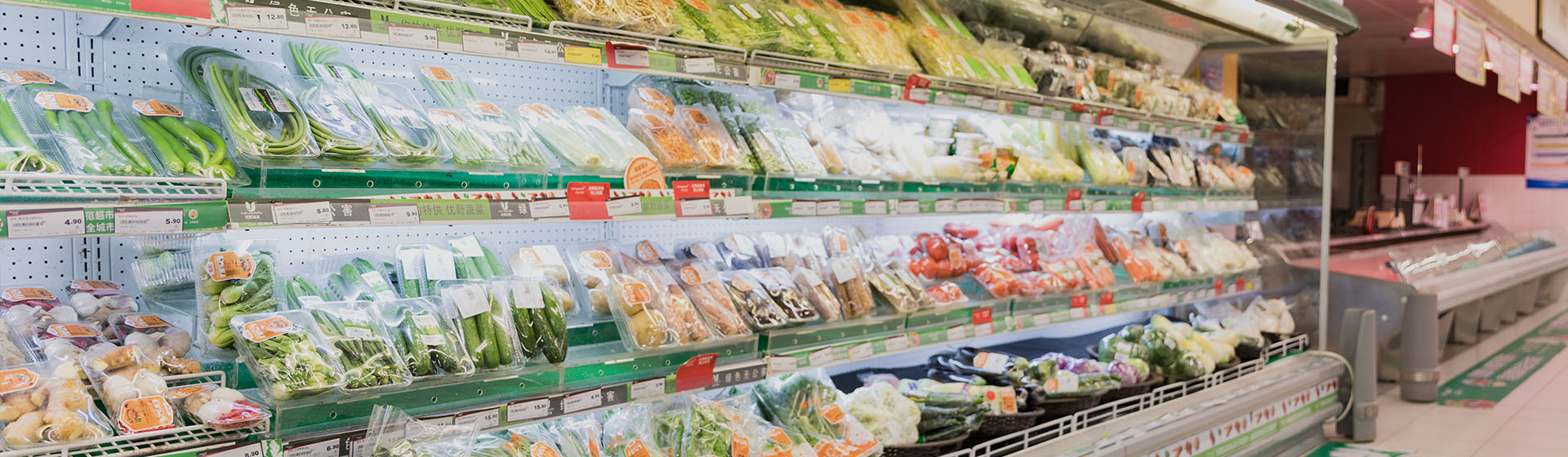
A glass door refrigerator needs to do more than display products clearly. It must also maintain suitable cooling conditions throughout the cabinet. In daily retail operations, the temperature on upper, middle, and lower shelves may vary because of restricted airflow, product loading, frequent door openings, or unsuitable shelf arrangements. Uneven cooling can affect product quality and make some display areas less reliable. Understanding these factors helps store operators choose the right Glass Door Refrigerator and avoid problems caused by unsuitable equipment or daily use.
What Causes Uneven Cooling Between Shelves?
Cold air must circulate throughout the cabinet to maintain consistent cooling. However, the internal temperature may vary when airflow is restricted or warm air enters frequently.
The main causes include:
- Blocked airflow: Products placed too close to air outlets can prevent cold air from reaching certain areas.
- Overloading: Closely packed products reduce the space available for air circulation.
- Frequent door openings: Warm air enters whenever the door is opened, creating temperature fluctuations.
- Poor shelf arrangement: Incorrect shelf spacing or unsuitable product placement can affect how cold air moves through the cabinet.
These factors can occur together. For example, a crowded shelf may block an air outlet while frequent customer access increases the amount of warm air entering the refrigerator. The result may be uneven cooling even when the refrigeration system is operating.
Why Is Airflow Design Important?
The refrigeration system produces cold air, but the cabinet’s airflow design determines how effectively that air reaches different shelves.
In forced-air cooling systems, fans circulate cold air through the cabinet. The position of air outlets and return-air openings affects how evenly the air moves. If products block these areas, some shelves may receive less airflow.
Natural convection systems rely more on the movement of air caused by temperature differences. Their performance can be more sensitive to shelf spacing and product arrangement.
When evaluating a Glass Door Refrigerator, consider the following:
- Whether the air outlets are positioned to serve the main storage areas.
- Whether return-air openings can remain unobstructed.
- Whether the internal structure allows sufficient space for circulation.
- Whether the cooling method suits the products and expected loading conditions.
A suitable airflow design supports more consistent cooling, but it cannot fully compensate for blocked ventilation or excessive loading.
How Should Shelves and Products Be Arranged?
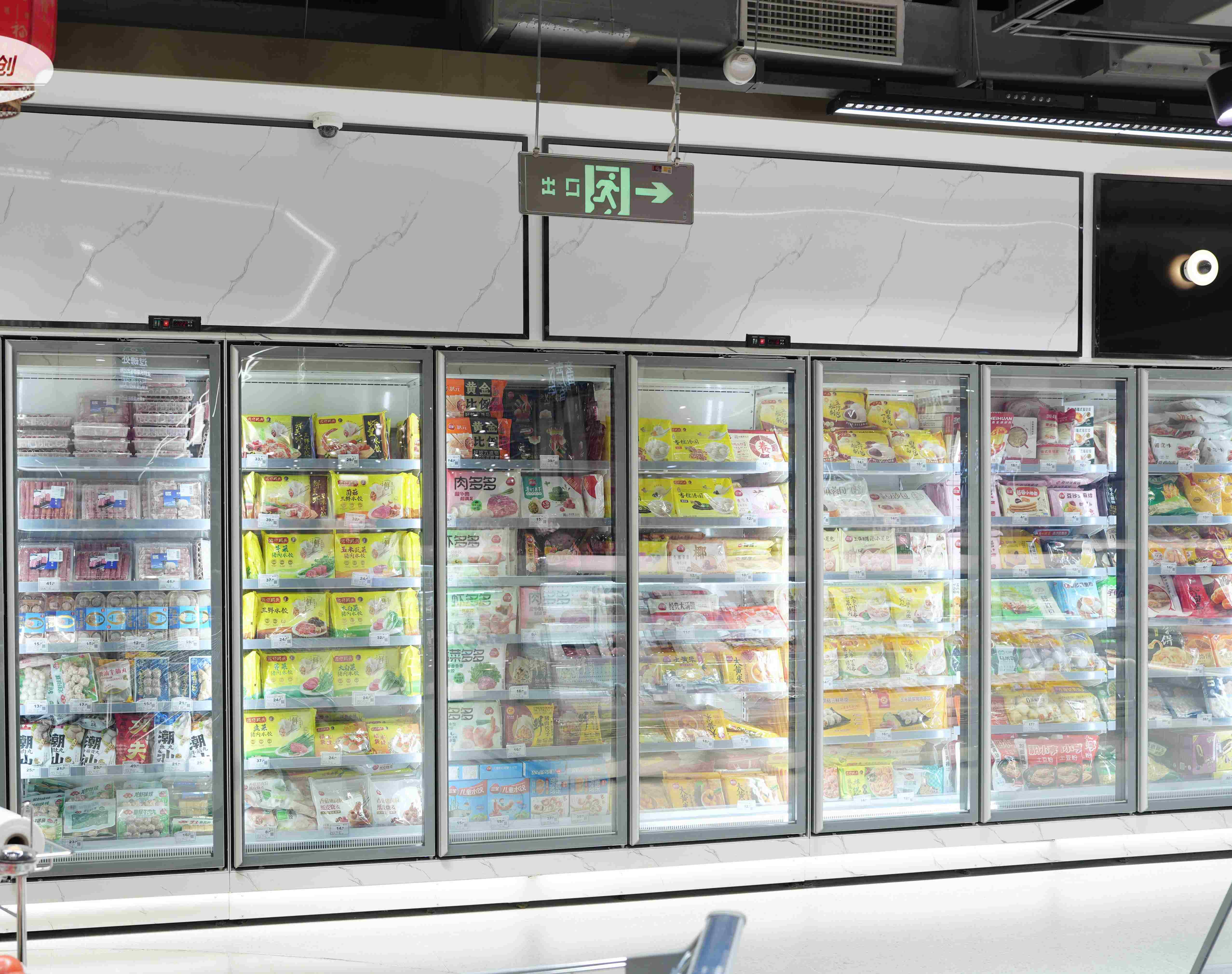
Shelf layout affects both product visibility and cooling performance. Adjustable shelves are useful because they allow stores to accommodate products with different heights, such as bottled drinks, cartons, and packaged food.
However, reducing the distance between shelves simply to increase display capacity can restrict airflow. Products that extend too far into ventilation areas may also interfere with cooling.
A practical arrangement should consider three points:
Product height: Leave enough vertical clearance for taller products. Avoid placing items where they can block air outlets.
Shelf depth: Do not push products against internal ventilation openings. Follow the equipment’s recommended clearance requirements.
Product grouping: Keep similar products together where practical. This makes stock rotation and replenishment easier while reducing unnecessary rearrangement.
The objective is to use the available space efficiently without obstructing the movement of cold air. A well-arranged Glass Door Refrigerator should provide convenient access and clear product visibility while maintaining adequate airflow.
Which Loading Practices Help Maintain Cooling?
Even a refrigerator with a suitable cooling system may experience problems if it is overloaded. Product arrangement should therefore be part of routine equipment management.
The following practices can help:
- Avoid overcrowding: Leave reasonable gaps between products so that air can circulate.
- Keep ventilation openings clear: Do not place packages directly in front of air outlets or return-air passages.
- Distribute stock evenly: Avoid concentrating most products on one shelf while leaving other areas underused.
- Manage replenishment: Loading large quantities of warm products at once can increase the refrigeration system’s workload. Follow the equipment’s operating instructions when restocking.
Consistent loading practices are particularly useful in stores with frequent product turnover. Employees should understand where products can be placed and which areas must remain clear.
What Features Should You Compare Before Buying?
When choosing a Glass Door Refrigerator, storage capacity and appearance are not the only considerations. Internal design, cooling configuration, and ease of maintenance also influence daily performance.
| Feature | What to Check | Why It Matters |
|---|---|---|
| Cooling system | Cooling method and suitability | Affects temperature distribution |
| Airflow design | Air outlet and return-air positions | Helps prevent restricted circulation |
| Shelving | Adjustable positions and spacing | Accommodates different product sizes |
| Temperature control | Ease of monitoring and adjustment | Supports suitable storage conditions |
| Door gasket | Fit and sealing condition | Reduces unwanted warm-air entry |
| Usable capacity | Space available under normal loading | Helps avoid overcrowding |
The best configuration depends on the store’s products and operating conditions. Beverage retailers may prioritize convenient access and stable cooling during frequent door openings. Supermarkets displaying different package sizes may need more flexible shelving and a practical internal layout.
Installation requirements should also be considered. A plug-in refrigerator can be suitable when independent installation and flexible positioning are important. A remote refrigeration model may be more appropriate for stores with a planned central refrigeration system. Available space, installation conditions, and maintenance access should all influence the decision.
When Should You Check the Refrigerator?
A small temperature difference between shelves does not necessarily indicate equipment failure. However, persistent or unusual differences should be investigated before they affect stored products.
Start with these basic checks:
- Measure different shelf areas: Use a suitable thermometer and compare readings under stable operating conditions.
- Inspect the door gasket: A damaged or poorly fitted seal may allow warm air to enter continuously.
- Check ventilation openings: Remove products or packaging blocking airflow.
- Observe fan operation: For forced-air models, unusual noise or insufficient airflow may indicate a problem.
- Review loading habits: Check whether certain shelves are regularly overloaded.
If the problem continues after these checks, professional inspection may be necessary. Fans, sensors, control components, or other refrigeration parts may require attention. Internal components should not be adjusted without appropriate technical knowledge.
Regular temperature monitoring is especially important when the refrigerator stores products with specific temperature requirements. It can help identify developing problems before a large quantity of stock is affected.
Choosing the Right Configuration for Your Store
Different retail environments require different combinations of display space, storage capacity, and installation flexibility.
A plug-in glass door upright refrigerator can suit stores that need independent equipment with flexible positioning. A remote glass door upright refrigerator may be a better option where a central refrigeration system has already been planned. Multideck display refrigerators provide wider product presentation areas and can be suitable for supermarkets and larger retail spaces.
Before choosing, consider the available floor space, product range, customer traffic, replenishment frequency, and maintenance arrangements. These factors help determine whether a refrigerator will remain practical after installation.
Dusung Refrigeration offers commercial display refrigeration solutions, including plug-in and remote glass door upright refrigerators as well as multideck display units. Comparing these configurations according to store layout and operating requirements can help identify a suitable product without relying on capacity alone.
Conclusion
Uneven cooling in a Glass Door Refrigerator can result from restricted airflow, excessive product loading, unsuitable shelf spacing, or frequent door openings. Choosing an appropriate cooling system and internal layout is important, but daily loading practices and regular temperature checks also affect performance.
By evaluating airflow, shelf flexibility, door sealing, and installation requirements, store operators can select equipment that better supports their products and daily operations. The goal is to balance display capacity, product accessibility, and reliable cooling.
FAQ
1. Can every shelf in a glass door refrigerator maintain exactly the same temperature?
Not necessarily. Some variation may occur because of airflow patterns, loading conditions, and door openings. The important point is whether all storage areas remain suitable for the products.
2. Does overloading always cause uneven cooling?
Overloading can restrict airflow and make cooling less consistent. Keeping ventilation openings clear and distributing products evenly can help reduce this risk.
3. Why should refrigerator temperatures be checked after restocking?
Adding a large quantity of products, especially warm products, can temporarily affect cabinet temperature. Monitoring helps confirm that suitable conditions are restored.
4. Are adjustable shelves necessary for commercial refrigerators?
They are useful for stores displaying products of different heights and package sizes. However, shelf positions should still allow enough space for proper air circulation.
Post time: Nov-17-2026


