
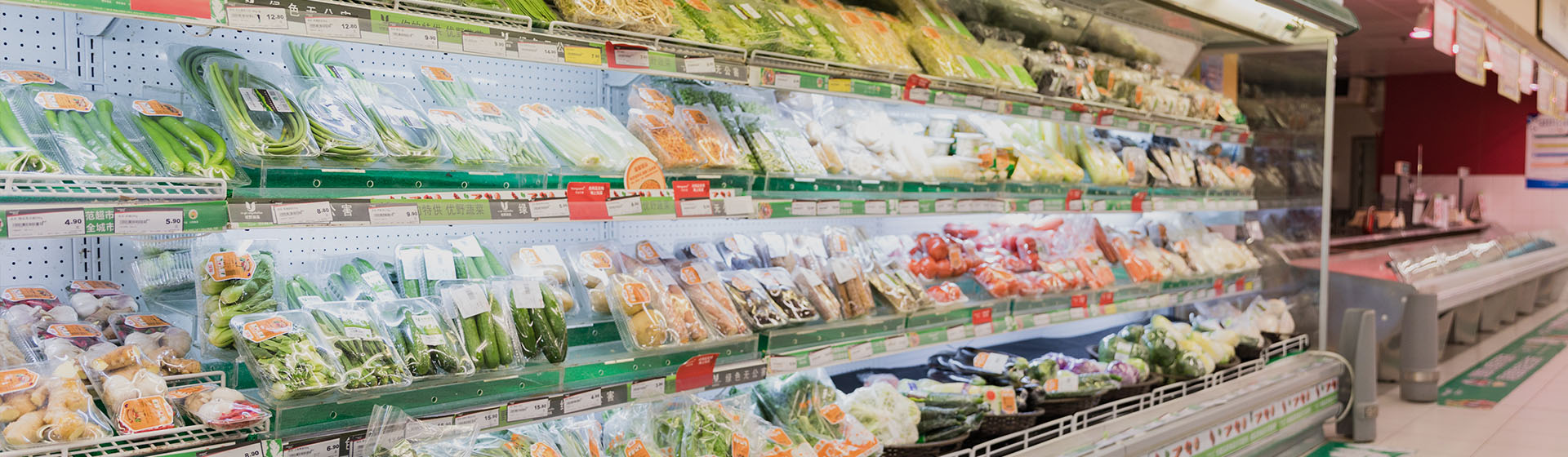
A glass door merchandiser refrigerator for convenience stores is more than a cold storage cabinet. It is a front-of-store sales tool that keeps beverages, dairy products, packaged meals, and chilled snacks visible, organized, and ready for quick customer selection.
For convenience stores, where many purchases are made within a few minutes, refrigeration equipment must support both product freshness and easy shopping. A well-designed glass door merchandiser helps customers see products clearly before opening the door, reduces unnecessary browsing time, and improves the overall shopping experience.
Why Glass Door Refrigeration Works Well in Convenience Stores
Convenience stores depend heavily on fast-moving chilled products. Bottled drinks, energy drinks, milk, yogurt, sandwiches, fruit cups, and ready-to-eat meals are often placed where customers can make quick decisions. A glass door refrigerator supports this sales pattern by combining product visibility with stable cooling.
Compared with open refrigerated displays, a glass door merchandiser can help reduce cold air loss because products are stored behind transparent doors. This makes it suitable for stores that need reliable cooling performance while also managing energy use. Customers can view the product range without opening the cabinet repeatedly, which helps maintain internal temperature stability.
The transparent door design also supports better merchandising. When shelves are arranged neatly, the refrigerator becomes part of the store’s visual display. Brands, labels, colors, and product packaging remain visible, making chilled goods more attractive to passing customers.
Product Categories Suitable for Glass Door Merchandisers
A glass door merchandiser refrigerator is highly flexible and can support different chilled retail categories. Convenience store operators can use it for daily essentials, impulse purchases, meal solutions, and seasonal promotions.
Common product applications include:
● Bottled water, juice, tea, coffee drinks, and carbonated beverages
● Energy drinks and sports drinks for quick-grab sales
● Milk, yogurt, cheese snacks, and other dairy products
● Sandwiches, salads, sushi packs, and prepared meals
● Fresh-cut fruit, fruit cups, desserts, and chilled snacks
● Seasonal drinks, limited-edition products, and promotional items
The key is to match product placement with customer behavior. High-demand beverages can be placed at eye level, meal products can be grouped by eating occasion, and promotional products can be arranged in a dedicated section to attract attention.
How Display Layout Affects Customer Buying Decisions
In a convenience store, customers often do not spend much time comparing products. They want quick access and clear choices. Because of this, the layout inside a glass door refrigerator directly affects sales performance.
Eye-level shelves are usually best for products that stores want to highlight. Fast-moving drinks, new product launches, or higher-margin chilled items can be placed where customers naturally look first. Lower shelves can be used for larger bottles, multipacks, or heavier products, while upper shelves can hold lightweight packaged items.
Grouping products by category also improves the shopping experience. A beverage section should not be mixed randomly with meals and dairy products. When customers can quickly understand the display, they are more likely to make a purchase and less likely to leave the cabinet without selecting anything.
For stores with limited space, a clear shelf plan is especially important. A compact refrigerator with poor organization can feel crowded, while a well-arranged display can make the same cabinet look fuller, cleaner, and easier to shop.
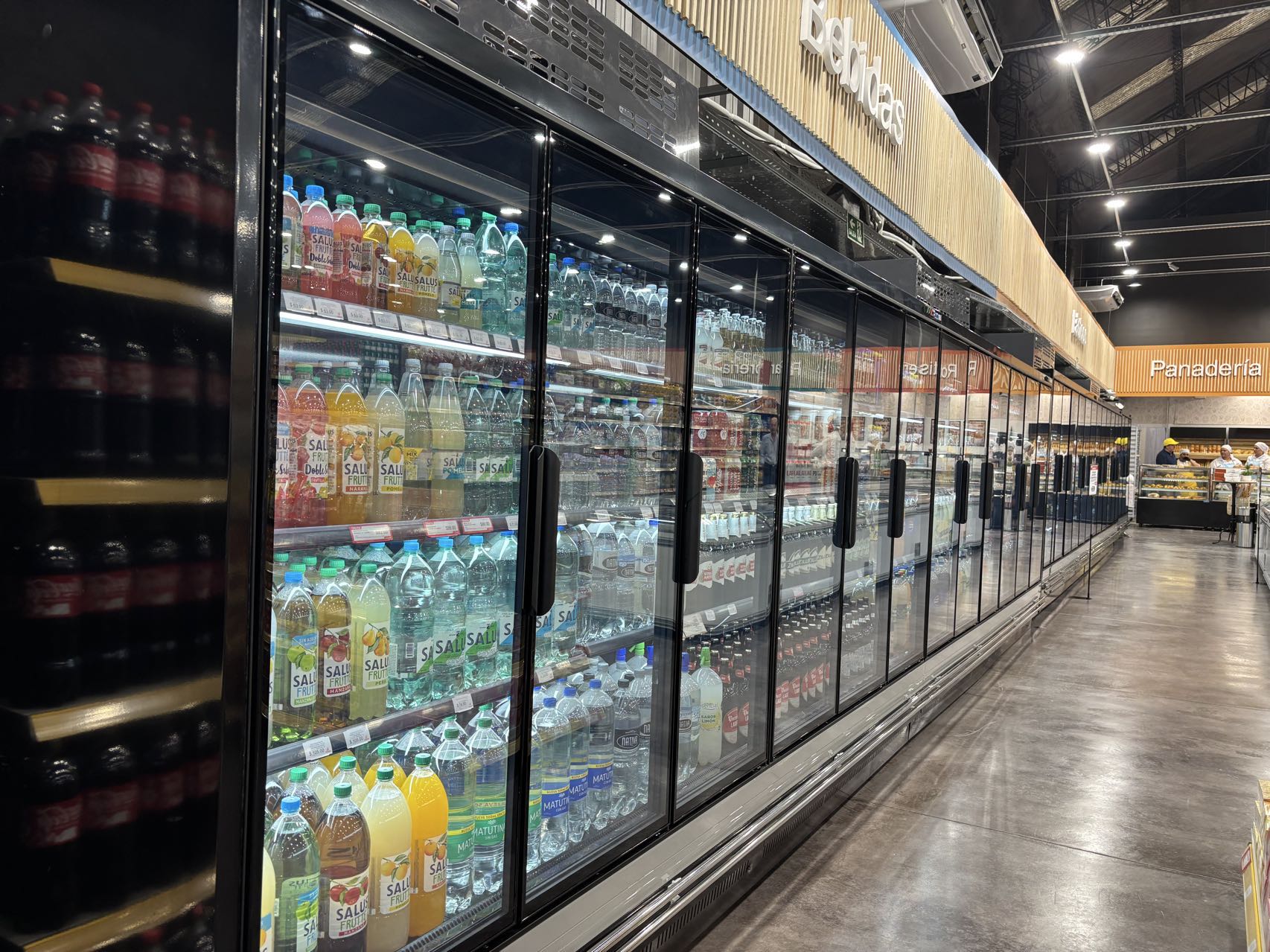
Key Features That Support Retail Performance
When selecting a glass door merchandiser refrigerator for convenience stores, retailers should consider how the equipment will perform during daily business, not only how it looks when empty. The best refrigeration solution should support visibility, temperature stability, cleaning, restocking, and long-term commercial use.
Important features include:
● Clear glass doors that allow customers to view products easily
● Bright internal lighting to improve product presentation
● Adjustable shelves for different bottle sizes and package heights
● Stable cooling performance for beverages and chilled food
● Strong door sealing to reduce cold air loss
● Durable cabinet structure for frequent customer use
● Easy-clean surfaces for daily store maintenance
● Practical capacity that matches store traffic and restocking frequency
These features help store operators maintain a better display while reducing common problems such as messy shelves, uneven cooling, difficult cleaning, and inefficient restocking.
Temperature Stability and Food Safety
Convenience stores often sell both beverages and ready-to-eat chilled foods. For drinks, temperature affects customer satisfaction. For prepared foods, dairy products, and fresh snacks, temperature control is closely related to product quality and food safety.
A glass door merchandiser should maintain stable cooling during regular door openings throughout the day. In high-traffic stores, customers may open the refrigerator many times in a short period, especially during morning rush hours, lunch breaks, and evening shopping periods. If the equipment cannot recover temperature efficiently, product condition may be affected.
Good airflow design is also important. Products should not be packed so tightly that cold air cannot circulate. Store staff should leave enough space between items and avoid blocking air outlets. Proper loading helps the refrigerator operate more effectively and keeps displayed products in better condition.
Energy Efficiency in Daily Store Operation
Energy consumption is an important cost factor for convenience stores because refrigeration equipment usually runs continuously. A glass door merchandiser can support more controlled cooling compared with fully open displays, but actual energy performance also depends on equipment design and staff habits.
Door sealing, insulation, compressor efficiency, lighting type, and airflow design all influence energy use. LED lighting, for example, can improve product visibility while producing less heat than traditional lighting. Good door gaskets help prevent cold air leakage and reduce unnecessary compressor workload.
Store operation also matters. If doors are not closed properly, products are overloaded, or the cabinet is placed near heat sources, energy efficiency may decline. For this reason, the refrigerator should be installed away from direct sunlight, ovens, hot equipment, and strong air movement.
Restocking and Maintenance for Better Display Quality
A glass door refrigerator needs regular attention to maintain both cooling performance and attractive product presentation. Since customers can see inside the cabinet clearly, untidy shelves or empty spaces are more noticeable than in closed storage equipment.
Store staff should restock according to sales patterns. Popular drinks should be replenished before peak hours, while prepared meals and fresh products should be checked regularly for date control. Products should face forward so labels are visible through the glass, and expired or damaged packaging should be removed promptly.
Cleaning is also part of display management. Glass doors should be wiped regularly to avoid fingerprints and foggy appearance. Shelves, handles, and interior surfaces should be cleaned to maintain a professional retail image. A clean refrigerator makes chilled products look more trustworthy and appealing.
Conclusion
A glass door merchandiser refrigerator for convenience stores is an effective solution for businesses that want to improve chilled product visibility, maintain stable cooling, and create a cleaner shopping experience. With transparent doors, organized shelving, strong temperature control, and practical daily operation, it helps convenience stores turn refrigerated products into a stronger sales category.
For modern retail environments, refrigeration equipment should do more than store products. It should help products sell better, support customer convenience, and maintain professional store standards every day.
FAQ
1、What is a glass door merchandiser refrigerator used for?
It is used to display and chill beverages, dairy products, prepared meals, sandwiches, salads, desserts, and other convenience store products.
2、Why is a glass door refrigerator suitable for convenience stores?
It allows customers to see products clearly before opening the door, supports quick selection, and helps maintain a more organized chilled display.
3、How should products be arranged inside a glass door merchandiser?
Products should be grouped by category, placed according to customer demand, and arranged with visible labels to make selection easier.
4、How can stores maintain better cooling performance?
Stores should avoid overloading shelves, keep air outlets clear, check door seals, clean the cabinet regularly, and place the refrigerator away from heat sources.
Post time: May-15-2026


