
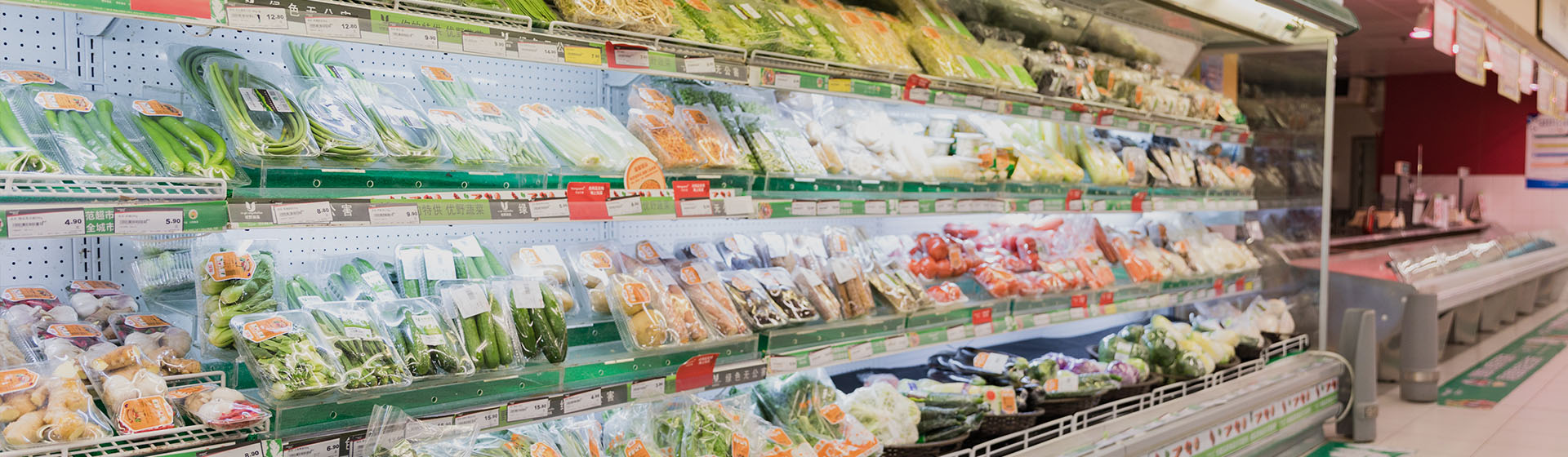
Fresh food is a key component of any retail store’s offerings, and how it is displayed and positioned can significantly influence sales performance. In today’s competitive retail environment, strategically placing fresh-food cabinets can make a major difference in attracting customers and driving revenue. This article explores practical and effective fresh-food cabinet placement tips that help retailers boost sales effortlessly while enhancing the overall shopping experience.
Understanding Fresh-Food Cabinets
Fresh-food cabinets are refrigerated units designed to store and display perishable items such as fruits, vegetables, dairy products, and ready-to-eat meals. These cabinets maintain the quality and freshness of the products while presenting them in an attractive and accessible way for customers.
Proper placement of these cabinets is critical. When strategically positioned, they can maximize visibility, encourage impulse purchases, and improve customer satisfaction. A well-placed fresh-food cabinet not only draws attention to high-margin items but also guides shoppers through the store, increasing overall engagement and cross-selling opportunities.
Why Strategic Placement Matters
Strategic placement of fresh-food cabinets directly affects both sales and the customer shopping experience. Placing cabinets in high-traffic areas increases product exposure and helps capture the attention of shoppers as they move through the store. Research indicates that products in high-visibility locations often generate 10-20% higher sales than those placed in low-traffic areas.
In addition to driving sales, properly placed cabinets enhance store image and build consumer trust. A clean, visually appealing fresh-food display signals quality and professionalism, reinforcing the perception of freshness and high standards. By optimizing placement, retailers can increase both immediate revenue and long-term customer loyalty.
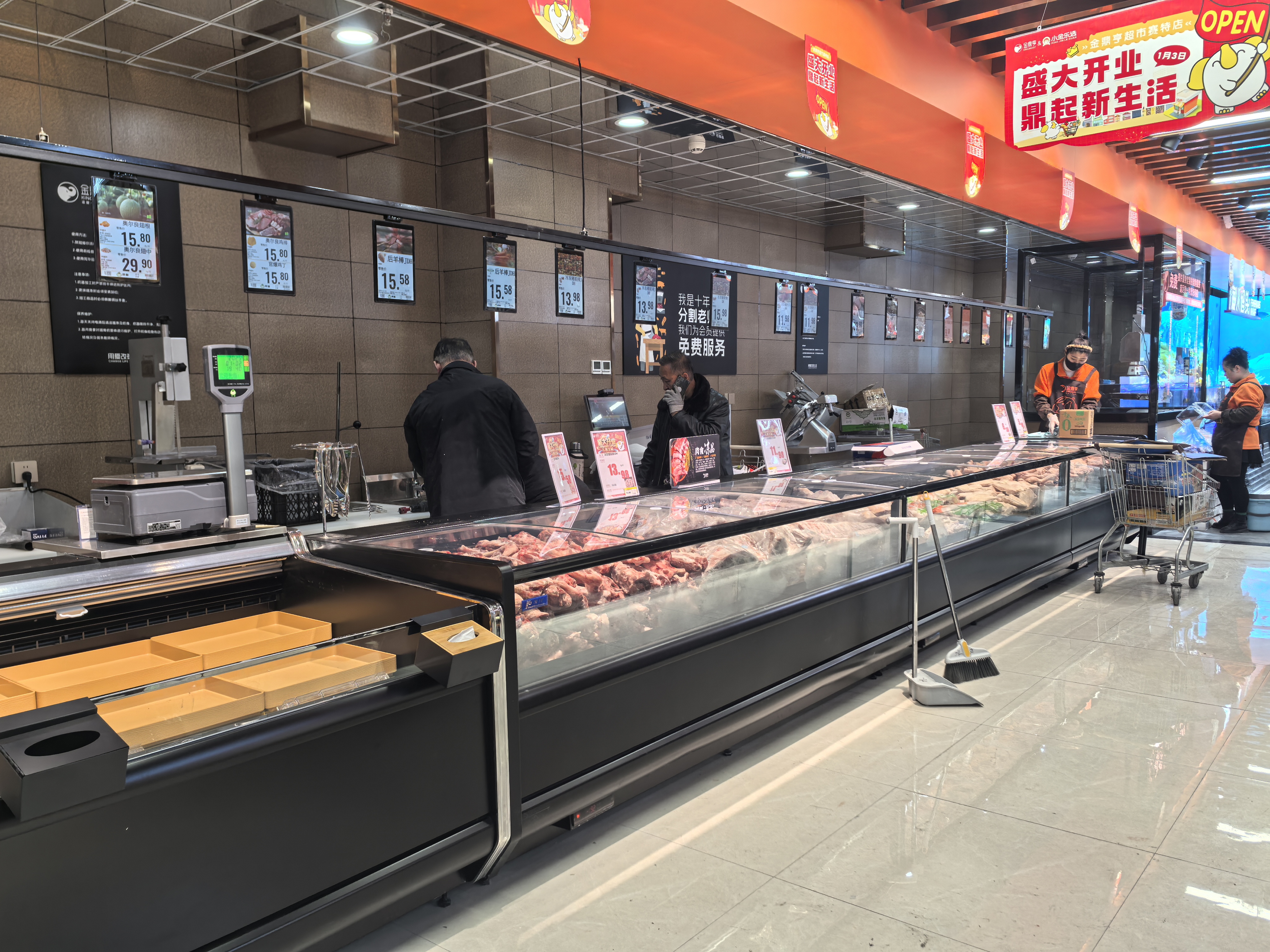
Key Factors to Consider When Placing Fresh-Food Cabinets
When planning cabinet placement, several important factors should be considered:
● Customer Traffic Flow: Analyze store traffic patterns to identify high-traffic areas. Entryways, main aisles, and checkout-adjacent zones are prime locations for drawing attention to fresh products.
● Temperature Sensitivity: Avoid placing cabinets near heat sources, direct sunlight, or drafty areas to ensure products remain fresh and safe.
● Proximity to Complementary Items: Position fresh-food cabinets near related products to encourage add-on sales. For example, placing ready-to-eat salads near beverages or condiments can drive higher basket values.
● Aesthetics and Display: Ensure that displays are visually appealing, organized, and well-lit. Brightly colored fruits and vegetables should be prominently positioned to attract attention and enhance perceived freshness.
● Flexibility and Mobility: Consider the ability to move or adjust cabinet locations for seasonal products, promotions, or special events. Flexibility allows for continuous optimization and adaptation to changing shopping patterns.
Sample Data
The table below demonstrates how cabinet placement can impact sales:
| Placement Location | Sales Increase (%) |
|---|---|
| Near Entrance | 15% |
| Near Checkout Area | 10% |
| In Main Aisle | 12% |
| Near Ready-to-Eat Meal Section | 18% |
These figures indicate that placing fresh-food cabinets in high-traffic zones, particularly near entrances or ready-to-eat areas, can significantly boost sales and customer engagement.
Expert Q&A
Q: How can retailers optimize the visibility of fresh-food cabinets?
A: Position cabinets at eye level, use proper lighting to highlight products, and add signage to draw attention to featured items. This ensures that customers can easily see and access high-margin products.
Q: What role does product rotation play in cabinet placement?
A: Regular rotation keeps items fresh, ensures visibility of all products, and reduces waste. Rotate items based on expiration dates and customer popularity to maintain both freshness and sales performance.
Q: How can placement boost cross-selling opportunities?
A: Place fresh-food cabinets near complementary items, such as drinks or sauces, to encourage customers to purchase multiple products together. Strategic adjacency can increase overall basket value.
Q: Does seasonality affect cabinet placement strategy?
A: Yes. Seasonal products and promotions may require adjustments in cabinet location. For instance, summer fruits and chilled drinks should be placed in high-traffic zones, while winter-ready meals might be positioned near checkout areas or meal sections.
Product Placement Recommendations
Retailers should carefully evaluate their store layout and customer flow to identify the most effective placement for fresh-food cabinets. Optimizing locations at entrances, main aisles, and near checkout or meal sections increases product visibility, encourages impulse purchases, and enhances customer satisfaction.
Conclusion
Strategically placing fresh-food cabinets is a powerful method to increase sales and improve the shopping experience. By considering traffic flow, temperature sensitivity, complementary product proximity, and visual appeal, retailers can maximize cabinet effectiveness and drive revenue growth. A thoughtful placement strategy not only boosts immediate sales but also strengthens brand perception and fosters customer loyalty, creating long-term advantages in a competitive retail environment.
Post time: Dec-24-2025


