
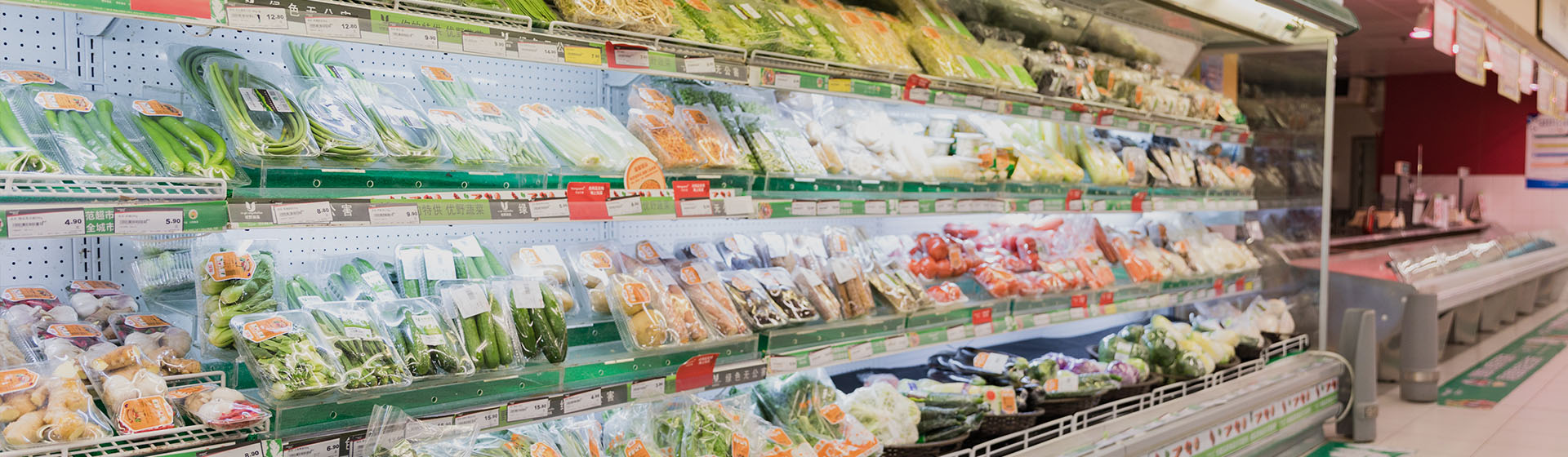
In modern kitchens and commercial food environments, a Fresh-Food Cabinet plays a crucial role in preserving perishable goods while maintaining hygiene and organization. However, even the most advanced cabinet cannot perform effectively without proper maintenance. For B2B users such as supermarkets, restaurants, and food distributors, maintenance is not just about cleanliness—it directly impacts product quality, food safety, and operational costs.
A well-maintained fresh-food cabinet helps extend shelf life, reduce waste, and ensure consistent storage conditions. This article expands on practical and product-focused maintenance strategies to help you optimize performance and maintain freshness efficiently.
Understanding the Role of a Fresh-Food Cabinet
A Fresh-Food Cabinet is designed to store perishable items such as fruits, vegetables, dairy products, and meats under controlled temperature and humidity conditions. Unlike general refrigeration equipment, it is optimized for preserving freshness, texture, and nutritional value.
In commercial environments, these cabinets often operate continuously, making proper maintenance essential to prevent performance degradation over time. Without routine care, even high-quality equipment can experience reduced cooling efficiency, uneven temperature distribution, and increased energy consumption.
Why Maintenance Is Critical for Fresh-Food Cabinets
Maintaining a Fresh-Food Cabinet is not just a routine task but a strategic necessity for food-related businesses.
● Prevents premature spoilage and product loss
● Maintains consistent temperature and humidity levels
● Reduces risk of contamination and food safety issues
● Improves operational efficiency and workflow
● Extends equipment lifespan and reduces repair costs
For B2B operators, these factors translate directly into improved profitability and customer satisfaction.
Structured Cleaning and Organization Strategy
A systematic approach to cleaning and organization is the foundation of effective maintenance.
● Establish a fixed cleaning schedule based on usage intensity
● Remove expired or spoiled items immediately to prevent contamination
● Use food-grade cleaning agents to ensure hygiene compliance
● Separate product categories to avoid cross-contamination
● Use labeled storage containers for better inventory control
Consistent cleaning prevents bacteria buildup and maintains a safe storage environment.
Temperature Control for Product Stability
Temperature stability is one of the most important factors in preserving fresh food quality.
● Maintain a consistent temperature range, typically between 0°C and 4°C
● Avoid frequent temperature fluctuations caused by excessive door opening
● Regularly calibrate temperature sensors and control systems
● Monitor temperature distribution across different cabinet zones
Proper temperature control ensures that food retains its texture, flavor, and nutritional value.
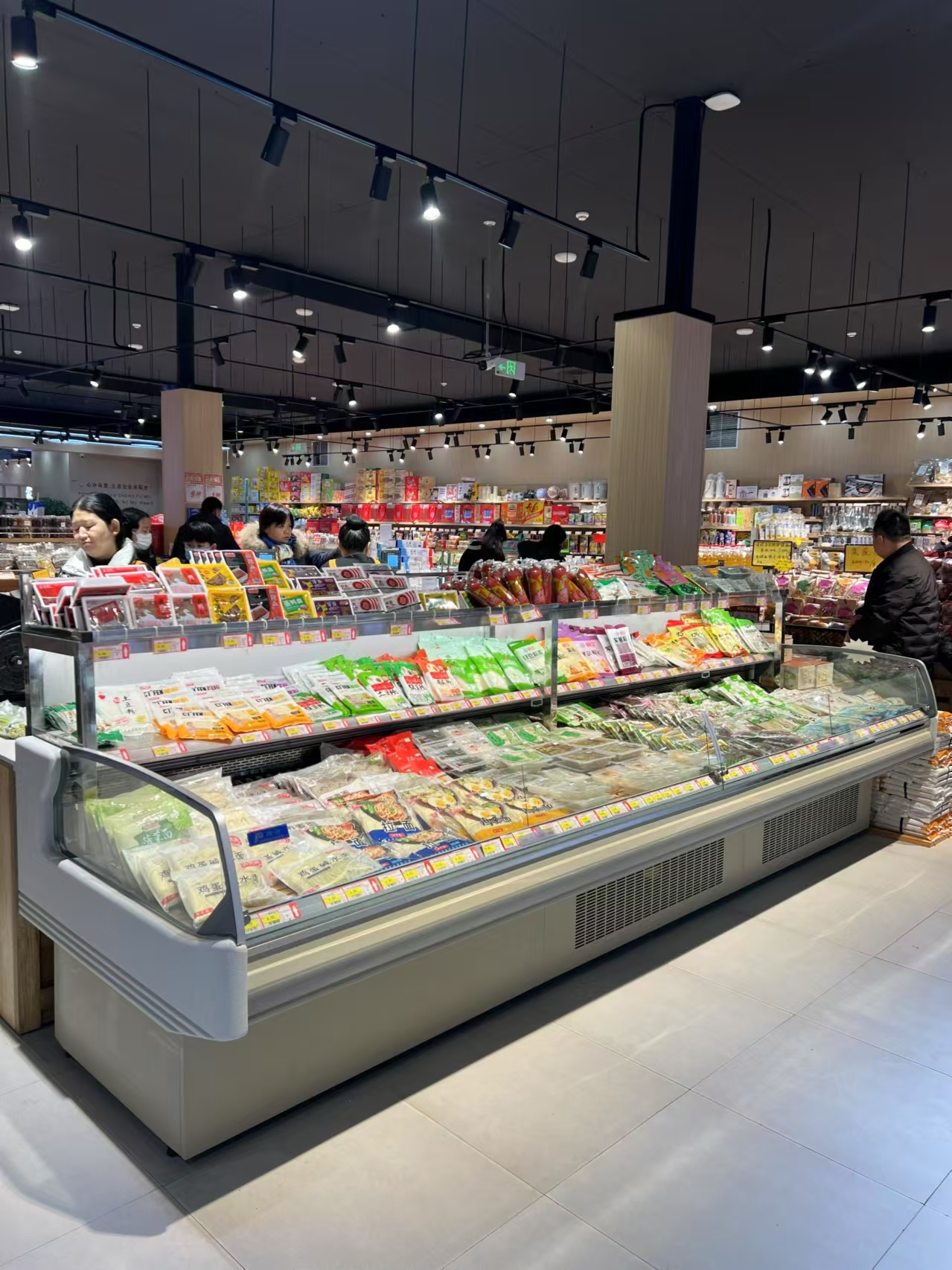
Humidity Management for Fresh Produce Preservation
Humidity plays a critical role in preventing dehydration and maintaining freshness, especially for fruits and vegetables.
● Maintain balanced humidity levels to prevent moisture loss
● Avoid excessive condensation that may lead to mold growth
● Use humidity control systems or moisture absorbers where applicable
● Store different produce types according to their moisture requirements
Proper humidity management can significantly extend the shelf life of fresh produce.
Air Circulation and Internal Environment Optimization
Efficient airflow is essential for maintaining uniform cooling throughout the cabinet.
● Avoid overloading shelves, which restricts airflow
● Keep air vents unobstructed for proper circulation
● Use ventilated containers or perforated packaging
● Ensure fan systems are functioning properly
Good air circulation prevents temperature inconsistencies and improves overall cooling efficiency.
Preventive Maintenance for Long-Term Performance
Preventive maintenance reduces unexpected breakdowns and ensures consistent operation.
● Clean condenser coils regularly to maintain cooling efficiency
● Inspect door seals to prevent cold air leakage
● Check drainage systems to avoid water accumulation
● Monitor compressor performance and noise levels
● Ensure electrical components are functioning safely
Regular inspection helps identify issues early and reduces downtime.
Signs That Maintenance Is Required
Recognizing early warning signs can prevent major operational issues.
● Unpleasant odors inside the cabinet
● Visible mold or condensation buildup
● Temperature instability
● Increased energy consumption
● Reduced cooling performance
Addressing these signs promptly ensures continuous operation.
Best Practices for Commercial Operations
For high-usage environments, maintenance must be integrated into daily operations.
● Train staff on proper usage and handling
● Implement routine inspection checklists
● Maintain records of cleaning and maintenance activities
● Use monitoring devices for real-time performance tracking
● Schedule professional servicing periodically
These practices improve reliability and ensure compliance with food safety standards.
Enhancing Efficiency with Supporting Tools
Additional tools can further improve maintenance efficiency and storage performance.
● Temperature monitoring devices for accurate tracking
● Moisture control products to regulate humidity
● Food-grade storage containers for organization
● Airflow management accessories
● Digital control systems for automated adjustments
These tools help optimize both equipment performance and food preservation.
Conclusion
Maintaining a Fresh-Food Cabinet is essential for ensuring food quality, reducing waste, and supporting efficient operations in both commercial and residential settings. Proper cleaning, temperature control, humidity management, and airflow optimization are the key pillars of effective maintenance.
For B2B users, a well-maintained cabinet not only improves product quality but also enhances operational efficiency and reduces long-term costs. By implementing structured maintenance strategies and using appropriate tools, businesses can maximize the value of their refrigeration equipment.
FAQ
1. How often should a fresh-food cabinet be cleaned?
At least once a week, or more frequently in high-usage environments.
2. What temperature should a fresh-food cabinet maintain?
Typically between 0°C and 4°C for most perishable items.
3. Why is humidity control important?
It prevents dehydration and spoilage, especially for fruits and vegetables.
4. What is the most common maintenance issue?
Poor airflow due to overloading or blocked vents, which affects cooling efficiency.
Post time: Apr-20-2026


