
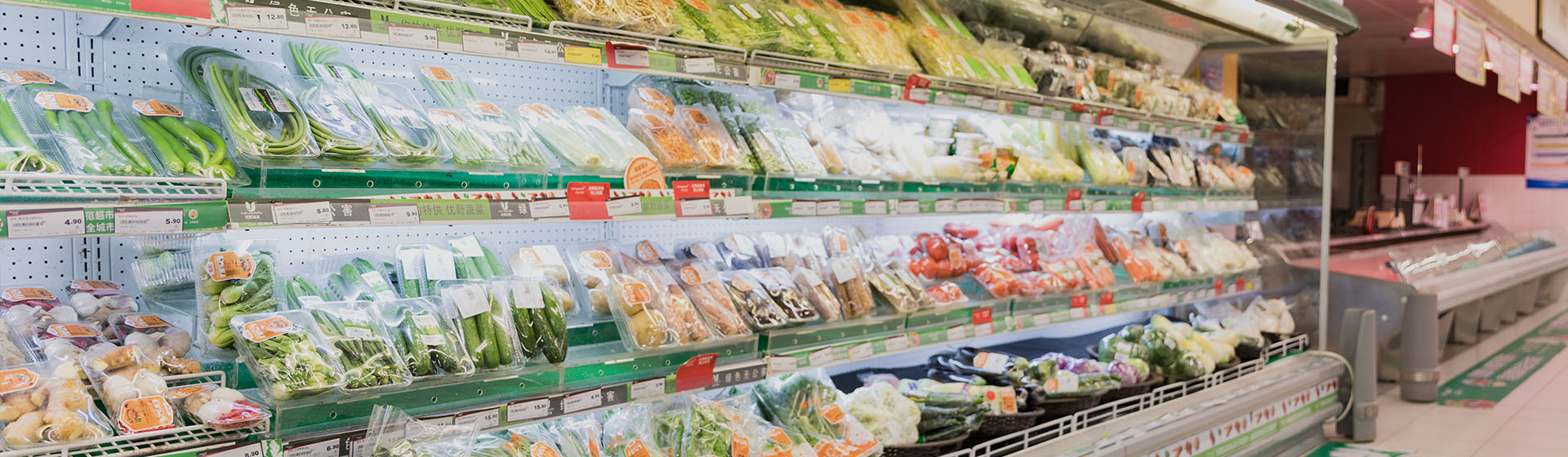
Refrigeration is widely used to preserve perishable foods, but it does not make food completely free from bacteria. Low temperatures slow the growth of many microorganisms by reducing the biological activity required for reproduction. However, some bacteria can survive in cold conditions, and certain species can continue multiplying even when food is refrigerated. This explains why chilled food may still spoil or cause foodborne illness if it is stored or handled improperly.
Understanding how temperature affects bacterial growth is important for supermarkets, restaurants, food retailers, and other businesses handling perishable products. Refrigerated storage, including a Refrigerated Showcase, helps maintain suitable conditions for chilled food, but temperature control must be combined with proper hygiene, appropriate storage periods, and safe handling practices. The purpose of refrigeration is to manage bacterial growth, not to sterilize food.
How Does Refrigeration Affect Bacterial Growth?
Bacteria need suitable environmental conditions to multiply. Temperature is one of the most important factors, alongside moisture, available nutrients, acidity, and the characteristics of the food itself. When food remains at a temperature favorable to bacterial growth, microorganisms may reproduce rapidly. Lowering the temperature slows many of the biological processes involved in reproduction, reducing the rate at which bacterial populations increase.
According to the US Department of Agriculture (USDA), bacteria grow most rapidly between 40°F (4.4°C) and 140°F (60°C). This range is commonly called the temperature danger zone. Keeping a refrigerator at 40°F (4.4°C) or below helps protect most refrigerated foods, although specific storage requirements vary by product and applicable food safety regulations.
However, slowing bacterial growth is not the same as eliminating bacteria. Refrigeration does not reliably destroy microorganisms already present in food. If contaminated food is placed in a refrigerator, some bacteria may remain alive even when their growth slows significantly. When the food warms, surviving bacteria may become active and multiply more quickly.
Why Can Some Bacteria Survive in Cold Conditions?
Different bacteria respond to temperature in different ways. Many foodborne pathogens grow more slowly under refrigeration, but certain microorganisms can survive for extended periods or multiply at low temperatures.
Listeria monocytogenes is an important example because it can grow at refrigeration temperatures. If ready-to-eat food becomes contaminated, the bacterial population may increase during prolonged refrigerated storage. This is particularly concerning for products consumed without further cooking.
Freezing also has limitations. It generally stops bacterial growth while food remains frozen, but it does not kill most bacteria. Once food thaws and conditions become favorable, surviving microorganisms may resume growing.
These differences explain why refrigeration, freezing, and cooking serve distinct purposes. Refrigeration slows bacterial growth, freezing prevents growth during frozen storage, and adequate cooking can destroy many harmful microorganisms when the required time and temperature are reached. None of these methods should be treated as interchangeable.
Does Refrigerated Food Always Stay Safe?
No. Food safety depends on more than the temperature at which a product is stored. Its condition before refrigeration, handling practices, potential contamination, and storage duration all influence the final risk. Refrigerating food after it has been held at unsafe temperatures does not necessarily make it safe again. It also cannot reliably remove toxins that certain microorganisms may already have produced.
Another important distinction is between spoilage bacteria and pathogenic bacteria. Spoilage organisms may cause unpleasant odors, discoloration, or changes in texture. Disease-causing bacteria, however, can sometimes be present without producing noticeable changes in appearance, smell, or taste. Food that looks normal is therefore not necessarily safe to eat.
Storage time matters as well. Even under appropriate refrigeration, food quality gradually changes, and some bacteria may continue to grow slowly. Businesses and consumers should follow product labels, recommended storage periods, and relevant food safety guidance rather than assuming that refrigeration makes food safe indefinitely.
Why Is Temperature Consistency Important in a Refrigerated Showcase?
In retail environments, a Refrigerated Showcase keeps chilled products in a controlled environment while allowing customers to view or select them. Its effectiveness depends not only on the cooling system but also on product loading, airflow, maintenance, and daily operating conditions. A cabinet cannot adequately protect food if its temperature is unsuitable for the products being displayed.
Several practical factors influence temperature stability:
- Air circulation: Blocking air outlets or overcrowding shelves can interfere with cold-air movement, creating uneven temperatures within the display area.
- Frequent access: Repeated door openings, customer access, and restocking can introduce warmer air or increase the cooling load. Equipment should match the demands of its intended retail environment.
- Product loading: Adding large quantities of warm products at once may affect temperature stability. Where appropriate, products should be properly chilled before being placed on display.
- Temperature monitoring: A control setting does not necessarily confirm the actual temperature of every product. Regular checks with suitable thermometers and routine equipment maintenance help identify problems early.
These considerations are especially important for meat, dairy products, prepared foods, and other items requiring temperature control. The correct holding temperature depends on the product and applicable local requirements. Operators should follow the relevant food safety rules rather than assume that one temperature setting suits every category.
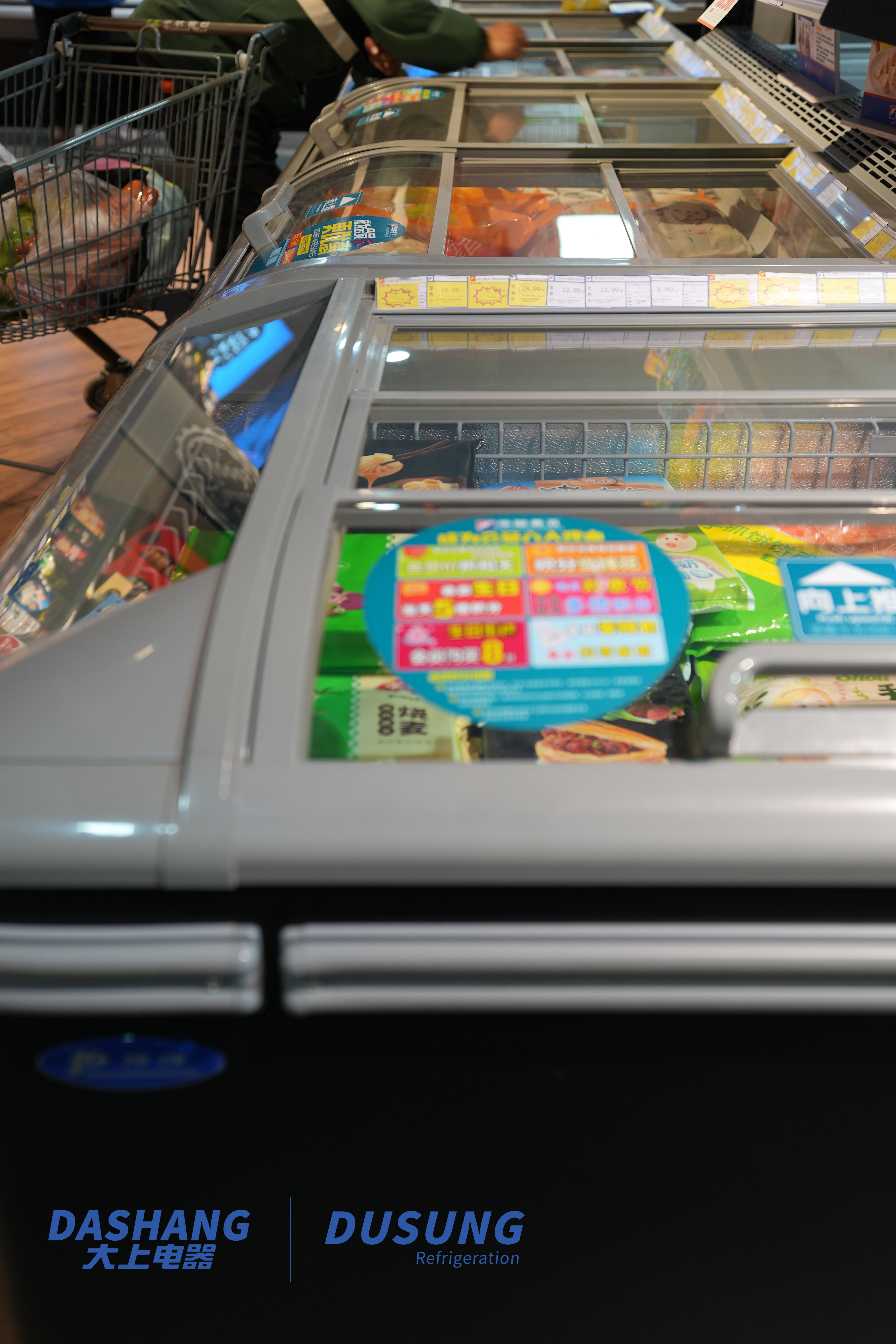
What Other Practices Help Reduce Bacterial Risks?
Refrigeration works best as part of a broader food safety system. Food-contact surfaces should be cleaned regularly, spills removed promptly, and raw products kept separate from ready-to-eat foods. Using designated utensils and storage areas helps reduce cross-contamination, while employees should wash their hands properly before handling exposed food and after activities that may spread microorganisms.
Temperature checks are equally important. The US Food and Drug Administration (FDA) recommends keeping household refrigerators at 40°F (4.4°C) or below and using an appliance thermometer to verify the actual temperature. Commercial food businesses should follow the cold-holding limits and monitoring procedures applicable to their products and location.
Time management also matters. Under FDA consumer guidance, perishable food requiring refrigeration should generally not remain at room temperature for more than two hours, or more than one hour when the surrounding temperature exceeds 90°F (32.2°C). Commercial operations may be subject to additional requirements, so their procedures should reflect the relevant food code.
Finally, effective stock rotation helps prevent products from remaining in storage or on display longer than intended. Staff should check date labels, apply first-in, first-out practices where appropriate, and remove products that exceed their permitted storage period. Together, these measures help protect both food quality and consumer safety.
Choosing Refrigeration Equipment for Food Display
For food retailers, effective temperature management also depends on choosing equipment suited to the products and the store layout. Different applications may require upright glass-door cabinets, open multideck displays, deli showcases, or fresh-food cabinets. Shelf arrangement, access design, and airflow should be considered alongside the required storage conditions, because equipment that suits one product category may not be ideal for another.
When planning a new display area or updating existing equipment, businesses can review the range of commercial refrigeration and display solutions available from Dusung Refrigeration. Considering the product mix, available space, access requirements, and intended operating conditions can help identify a suitable configuration for everyday retail use.
Conclusion
Does refrigeration stop bacteria from growing? It slows the growth of many bacteria, but it does not sterilize food or guarantee that every microorganism will stop multiplying. Some bacteria can survive cold storage, and certain pathogens, including Listeria monocytogenes, can grow at refrigeration temperatures. Safe food management therefore requires more than simply keeping products cold.
For businesses using a Refrigerated Showcase, stable temperature control, unobstructed airflow, routine monitoring, hygienic handling, and appropriate stock rotation all contribute to safer food display. Combining these practices with the correct storage requirements for each food category makes refrigeration a more reliable part of an overall food safety system.
Frequently Asked Questions
1. Can bacteria grow on food kept in a refrigerator overnight?
Yes. Many bacteria grow more slowly under refrigeration, but some can survive and certain species can continue multiplying. Safety depends on the food’s original condition, storage temperature, handling, and storage duration.
2. Can food be safe if it smells normal?
Not necessarily. Some disease-causing bacteria do not noticeably change a food’s smell, appearance, or taste. Storage conditions and handling history are more reliable considerations than smell alone.
3. Is a colder refrigerator always better for food preservation?
Not always. Lower temperatures can slow many microorganisms, but different foods have different storage requirements, and some produce can suffer quality damage if stored too cold. Follow product-specific guidance and applicable food safety rules.
4. Why should refrigerated display equipment be checked regularly?
A control setting does not always reflect the temperature experienced by the products. Regular monitoring can reveal temperature fluctuations, cooling problems, or loading practices that interfere with airflow, allowing operators to respond promptly.
Post time: Oct-19-2026


