
A Display Chiller plays an important role in keeping chilled products accessible and properly presented throughout the trading day. In busy retail environments, however, refrigeration equipment faces greater operational pressure. Frequent customer access, repeated door openings, product replenishment, and changes in surrounding conditions can all affect its performance.
A problem that seems minor during quiet periods may become more disruptive when customer traffic increases. Cooling interruptions, unexpected equipment faults, drainage issues, or difficult maintenance access can affect product availability and daily store operations. Preventing these disruptions requires more than simply keeping the equipment switched on. It involves understanding how a Display Chiller is used, identifying potential weak points, and preparing for periods of intensive operation.
Why Peak Business Hours Put More Pressure on a Display Chiller
During busy periods, a Display Chiller may experience operating conditions that are less common at other times. Customers access products more frequently, employees replenish shelves more often, and the surrounding environment may become warmer due to increased activity.
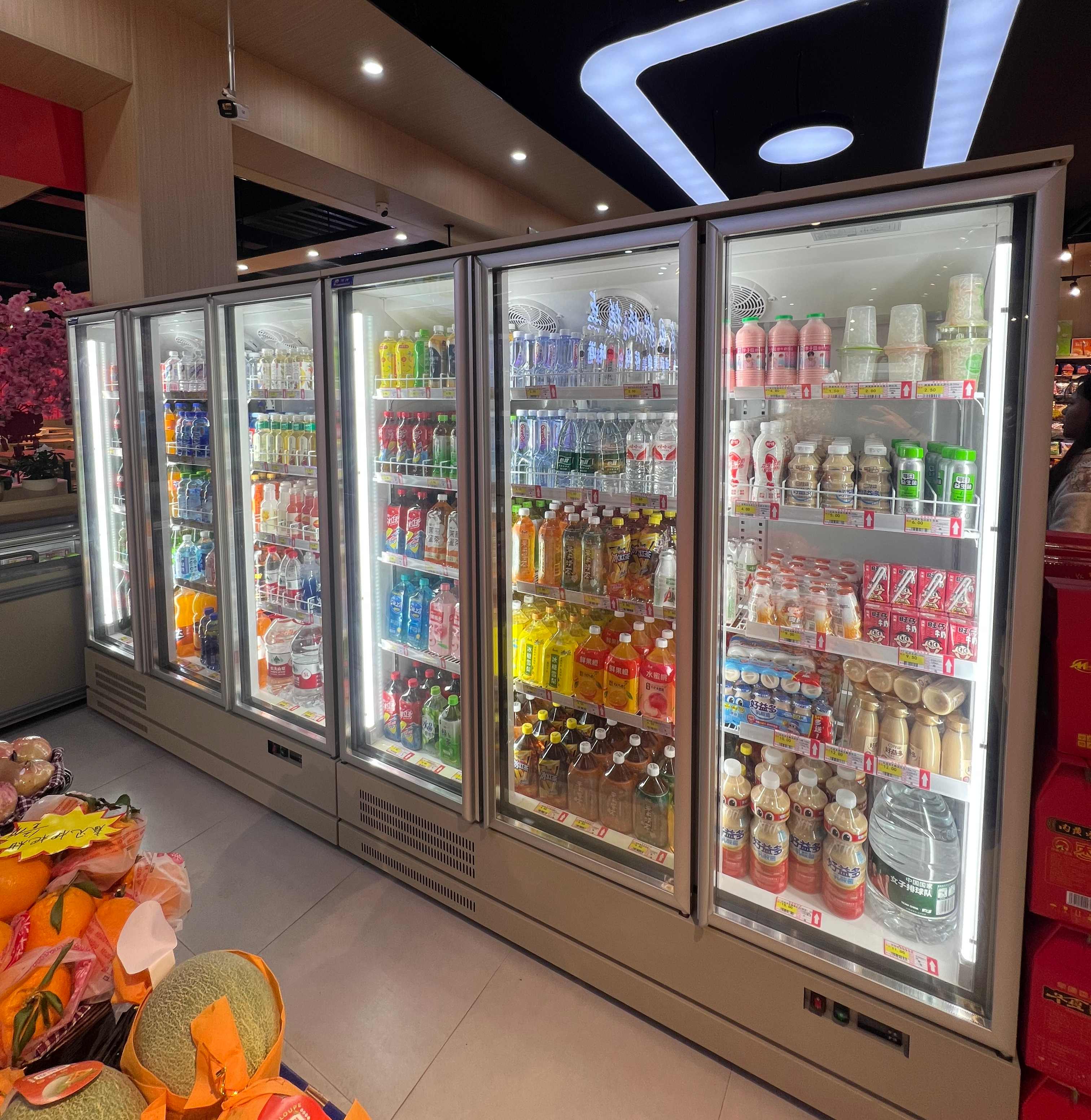
For refrigerated cabinets with doors, frequent opening allows warm air to enter the storage area. The refrigeration system then needs to remove the additional heat and restore the required temperature. If doors are opened repeatedly over a short period, temperature recovery may take longer and the system may experience a greater workload.
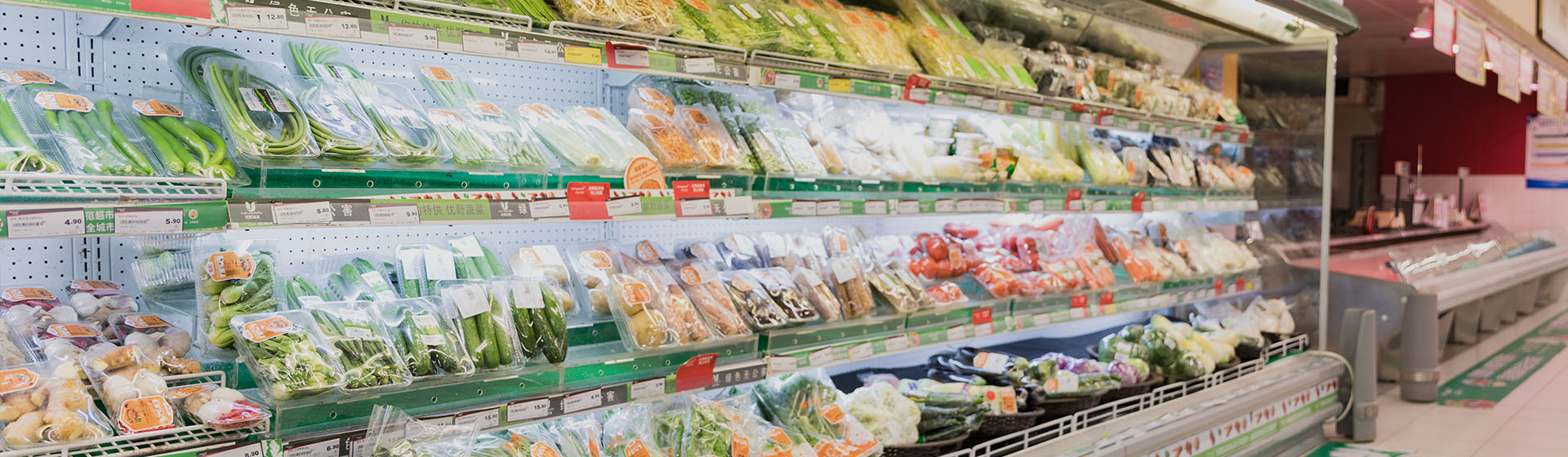
Open display models face a different challenge. Their cooling performance can be affected by surrounding air movement, nearby heat sources, and customer activity around the unit. Poor installation conditions may become more noticeable when the store is crowded. For example, blocked air outlets or strong airflow from nearby ventilation equipment can interfere with the intended cooling pattern.
These conditions do not necessarily mean that a Display Chiller will fail during peak hours. However, they can expose weaknesses in installation, maintenance, or operating practices that might otherwise remain unnoticed.
Identify Potential Problems Before Customer Traffic Increases
Preventive checks are more effective when completed before the busiest trading periods. Waiting until a problem affects product display or cooling performance can leave employees with limited time to respond.
A routine inspection should cover several important areas:
- Temperature consistency: Check whether the cabinet maintains its intended operating range. Unusual fluctuations may indicate excessive door opening, poor airflow, or a developing technical issue.
- Door operation: Inspect hinges, handles, and seals to ensure doors open and close properly. Damaged seals or misaligned doors may allow warm air to enter.
- Air circulation: Make sure products, packaging, and temporary promotional materials do not block air outlets or interfere with the designed airflow.
- Drainage: Look for water accumulation, blocked drainage channels, or leaks around the equipment.
- Operating sounds: Listen for unusual changes in compressor or fan noise, which may indicate that certain components need inspection.
These checks help employees recognize early warning signs before they develop into operational interruptions. Keeping a simple inspection record can also make recurring problems easier to identify, particularly when different employees are responsible for equipment checks.
For stores operating several refrigeration units, inspections should be organized according to equipment location and usage frequency. A Display Chiller in a high-traffic beverage area may require more frequent attention than a unit in a less active section.
Reduce Disruptions Through Better Daily Operating Practices
Equipment reliability depends partly on how it is used. During busy hours, small operational habits can either increase unnecessary workload or help maintain stable performance.
One common issue is excessive door opening. Employees may leave doors open while arranging products or completing replenishment tasks. This allows warm air to enter for longer than necessary. Preparing products before opening the cabinet and closing doors immediately after access can reduce avoidable heat exchange.
Restocking practices also matter. Loading large quantities of products at once, especially products that have not been properly chilled, may introduce additional heat into the display area. Where possible, replenishment should be planned around the equipment’s capacity and operating conditions. Products should not be packed so tightly that they restrict circulation.
For open models, employees should avoid placing cartons, signs, or promotional materials near air outlets. Even temporary obstructions can interfere with the designed airflow pattern. Maintaining clear ventilation areas is particularly important in crowded retail spaces.
The way employees use a Display Chiller should also be consistent across shifts. If one team follows careful operating procedures while another frequently leaves doors open or blocks ventilation areas, equipment performance may become less predictable. Clear operating instructions and basic staff training can help reduce these differences.
Prepare a Response Plan for Unexpected Equipment Problems
Even a well-maintained Display Chiller can experience unexpected faults. The difference between a manageable incident and a serious disruption often depends on how quickly employees recognize the issue and follow an appropriate response procedure.
A practical response plan should identify who is responsible for checking the equipment, how temperature abnormalities are recorded, and whom employees should contact when technical assistance is required. Staff should also understand how to protect affected products while the problem is being assessed.
If a chiller stops cooling properly, employees should avoid repeatedly switching the equipment on and off without understanding the cause. Unnecessary adjustments may make diagnosis more difficult. Instead, they should follow the equipment’s operating instructions, check for obvious issues such as blocked ventilation, and arrange qualified inspection when necessary.
Product safety should remain the priority. If the temperature has exceeded the acceptable range, affected products should be assessed according to applicable food safety procedures rather than automatically returned to display. A clear response process helps employees act consistently instead of making decisions under pressure.
It is also useful to keep maintenance contact information and basic equipment records accessible. When technicians can quickly understand the symptoms, operating history, and previous maintenance issues, troubleshooting may become more efficient.
Select a Display Chiller That Matches the Store’s Operating Needs
Preventing disruptions does not begin after installation. Equipment selection is an important part of long-term operating planning. A Display Chiller should match the store’s product categories, customer traffic, available floor space, and expected daily workload.
Different retail environments may require different refrigeration formats. Upright display fridges can support organized access to chilled products, while open-front air-curtain models may suit locations where customers need quick access. Island freezers, deli cabinets, fresh-food displays, and semi-vertical promotional units serve other merchandising and storage purposes. Choosing a format based on the actual application helps avoid problems caused by unsuitable equipment.
Capacity also needs careful consideration. A cabinet that is too small may become overcrowded during peak sales periods, while an unnecessarily large unit can occupy valuable floor space and may not suit the store’s product volume. The internal layout, access method, and intended product range should all be considered before deciding on a configuration.
Maintenance accessibility is equally important. Components that are difficult to inspect or service can increase downtime when repairs are needed. Before installation, consider access for routine cleaning, ventilation clearance, drainage arrangements, and the availability of technical support.
For stores planning a new refrigeration area or upgrading existing equipment, working with an experienced commercial refrigeration provider can make the selection process more practical. Discussing product categories, store format, available space, expected customer access, and operating conditions helps narrow down suitable equipment options. OEM capabilities can also be useful when standard configurations do not fully match a project’s requirements. A product range covering different display and storage formats, together with attention to energy efficiency and after-sales support, provides more flexibility when planning refrigeration for convenience stores, supermarkets, food shops, and other retail environments.
The goal is not simply to install a Display Chiller with sufficient capacity, but to choose equipment that fits the way the store operates. A suitable configuration, combined with thoughtful installation and accessible maintenance, can help reduce avoidable interruptions during demanding trading periods.
Conclusion
Peak business hours place additional demands on commercial refrigeration equipment, but many disruptions can be reduced through preventive inspections, sensible operating practices, and timely maintenance. Monitoring temperature, maintaining clear airflow, checking door components, and preparing staff response procedures all contribute to more reliable operation.
Choosing a suitable Display Chiller is also part of the process. When equipment capacity, configuration, installation conditions, and maintenance requirements match the store’s actual needs, businesses can reduce unnecessary interruptions and maintain a more consistent chilled product display.
FAQs
1. Why might a Display Chiller perform differently during busy hours?
Frequent door openings, increased replenishment activity, warmer surroundings, and obstructed airflow can place additional demands on the refrigeration system.
2. Should staff replenish products during peak business hours?
Yes, when necessary, but replenishment should be organized to minimize prolonged door opening and avoid overcrowding or blocking air outlets.
3. What should staff do if a Display Chiller shows an abnormal temperature?
They should check for obvious operational issues, record the temperature, follow the equipment instructions, and contact qualified technicians if the problem continues. Affected products should be assessed under applicable food safety procedures.
4. Does maintenance accessibility affect equipment downtime?
Yes. Equipment that allows easier inspection and servicing can help technicians identify problems more efficiently and reduce the time required for maintenance.
Post time: Nov-04-2026


