
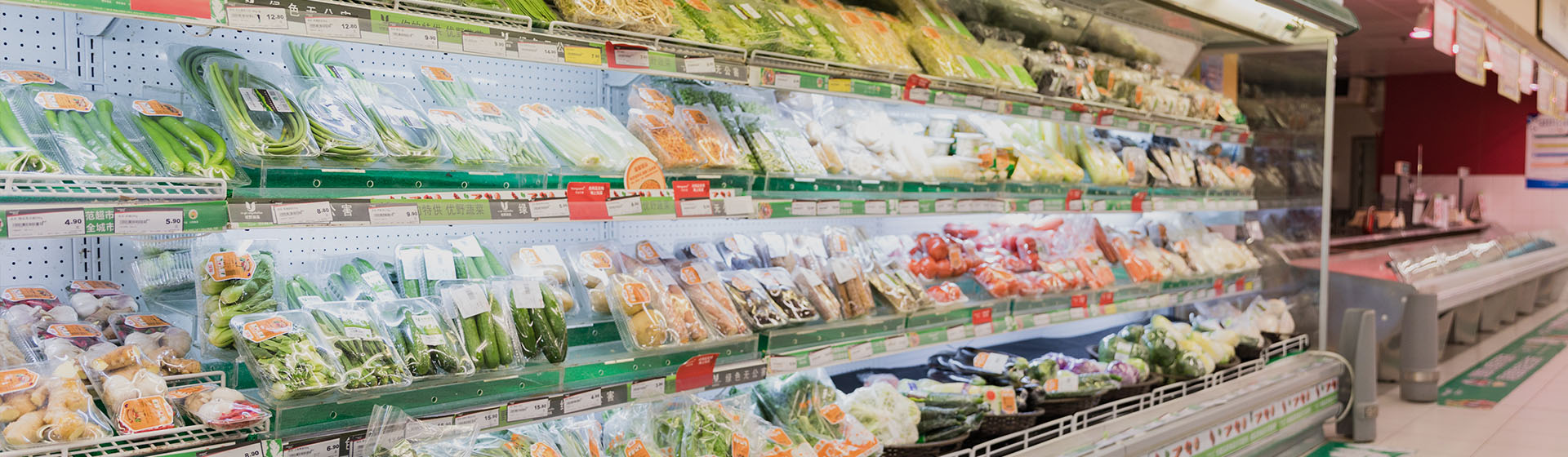
A deli fridge is designed to do more than keep food cold. In a deli counter, supermarket food section, convenience store, or prepared-food area, refrigeration has to work alongside product display, staff access, food organization, and daily service. Sliced meats, cheeses, salads, sandwiches, prepared meals, and other ready-to-eat foods often need to remain chilled while still being easy to see and reach.
This makes a deli fridge different from a standard commercial refrigerator used mainly for back-room storage. Its cabinet layout, display area, shelving, cooling arrangement, and access design all influence how practical it is in everyday use. A well-planned refrigerator should make products easier to organize and present without turning routine stocking and service into a complicated process.
What Makes a Deli Fridge Different From a Standard Commercial Refrigerator?
The main difference is the relationship between refrigerated storage and product presentation. A conventional commercial refrigerator may prioritize internal capacity and easy storage, while a deli fridge often has to make the products part of the customer-facing environment.
For example, sliced meats and cheeses may need to remain visible throughout the day. Prepared foods may be arranged in containers that customers need to identify quickly. Sandwiches and ready-to-eat products may benefit from a display layout that allows customers to browse without staff repeatedly opening the refrigerator.
The refrigeration cabinet therefore becomes part of the serving area. Its value comes not only from maintaining chilled conditions but also from making the working process more organized.
How Does the Display Area Affect a Deli Fridge?
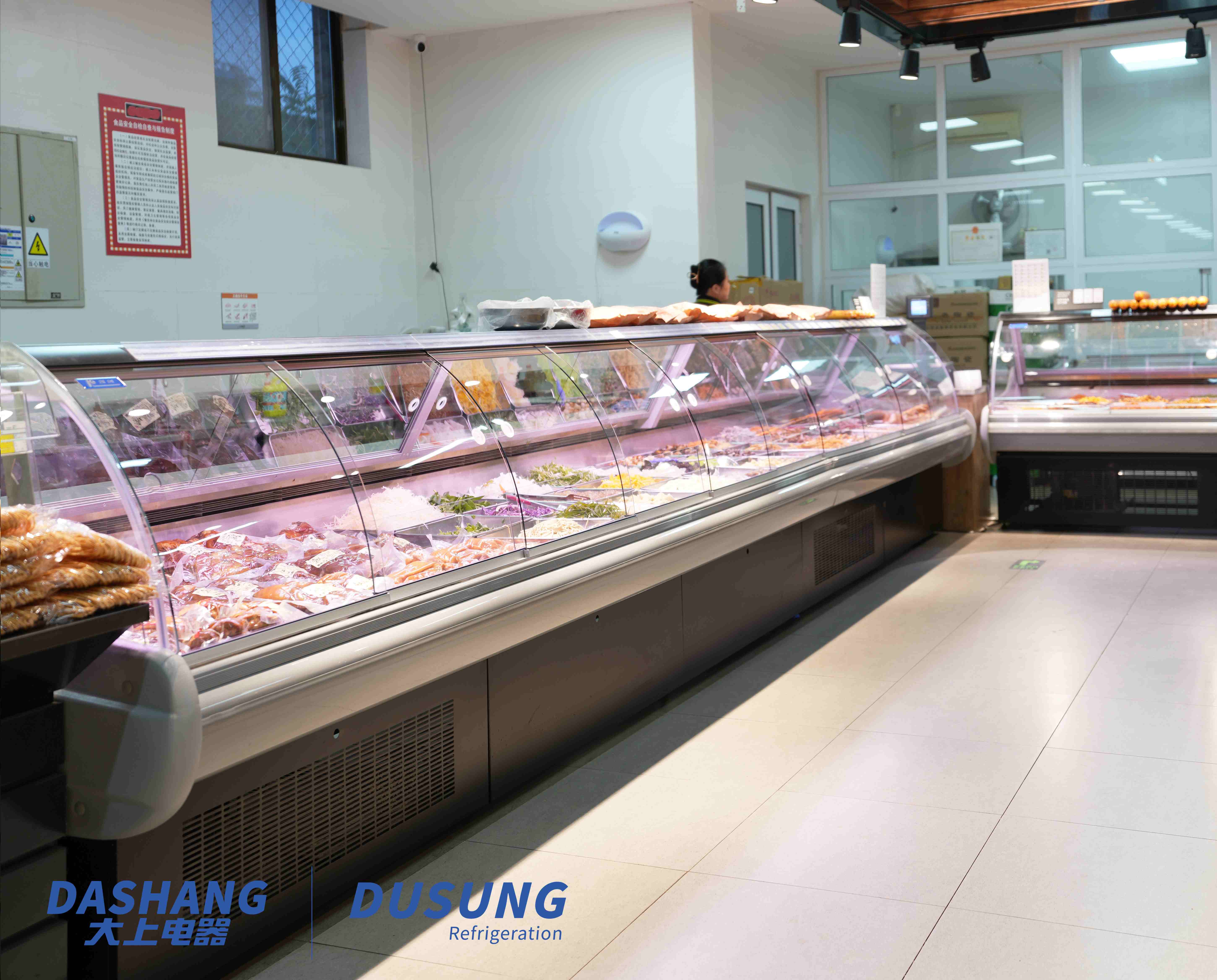
The display area is often one of the most noticeable parts of a deli fridge. Glass panels can provide a direct view of the products while creating a physical barrier between the food and the surrounding environment. This can be useful when food needs to remain visible but should not be exposed to unnecessary handling.
Visibility also affects how products are arranged. A deep cabinet may provide substantial storage space, but products placed too far toward the back can become difficult for customers or staff to see. Shelf height and spacing therefore need to balance storage capacity with clear product presentation.
For a customer-facing deli, a useful display arrangement should make it possible to understand the product selection at a glance. For a staff-operated counter, the same area should also allow quick access during busy service periods.
Internal Layout Is More Important Than It First Appears
A deli fridge can contain a surprising variety of products, and they do not always have the same packaging size or turnover rate. A practical internal layout should therefore allow products to be grouped logically instead of treating the entire cabinet as one large storage space.
Frequently handled products can be placed in easy-to-reach areas, while reserve stock can be positioned where it does not interfere with daily service. Adjustable shelving can also make it easier to accommodate different containers and packaging formats.
The arrangement should also leave sufficient space for refrigerated air to circulate. Filling every available space may appear efficient, but excessive loading can make products harder to access and may interfere with the intended airflow pattern.
A well-organized deli fridge should make it easy to answer three questions quickly: What is stored here? Where is it located? How quickly can it be accessed?
Which Foods Are Commonly Displayed in a Deli Fridge?
The product mix determines much of the refrigeration layout. Deli fridges are commonly used for a range of ready-to-eat or prepared foods, including:
- · Sliced meats and cheeses: These often require clear organization because customers may need to compare different varieties.
- · Prepared meals: Containers can vary considerably in size, so flexible shelf arrangements can be useful.
- · Salads and cold dishes: These products are often highly visual, making clean and unobstructed display important.
- · Sandwiches and packaged deli foods: Easy access and product visibility can be particularly valuable in high-turnover areas.
- · Specialty deli products: Smaller packages may benefit from dedicated sections that prevent them from being hidden behind larger items.
Rather than arranging everything according to available space, grouping products according to type, turnover, and customer behavior can make the refrigerator easier to use.
Why Does Cabinet Depth Matter?
Cabinet depth is easy to overlook when focusing on overall capacity. A deeper cabinet can provide more storage volume, but that does not necessarily make it more practical.
If products are stored too far inside the cabinet, staff may need to move several containers to reach one item. Customers may also find it difficult to identify products located behind the front row.
For this reason, the most useful configuration is not always the one with the largest internal volume. The relationship between depth, shelf spacing, product packaging, and access frequency matters more.
A deli fridge should provide enough space to support the operation without creating unnecessary searching and handling.
Open Display or Glass-Enclosed Display?
Different deli environments may use different display arrangements.
An open display can make products highly accessible and create a direct connection between customers and the food. It may work particularly well in self-service retail environments where quick browsing is important.
A glass-enclosed display provides greater separation between the food and the surrounding environment while still allowing customers to see the products. It can be useful for staff-served counters or products that should remain protected from unnecessary handling.
Neither arrangement is automatically better. The more suitable option depends on whether the refrigerator is mainly supporting self-service, assisted service, or a combination of display and storage.
How Does a Deli Fridge Support a Faster Workflow?
In a busy deli, refrigeration equipment affects more than food storage. Staff may need to prepare products, replenish display areas, serve customers, clean surfaces, and manage inventory throughout the day.
A practical deli fridge can reduce unnecessary movement when frequently used products are placed close to the working position. Clear internal organization also reduces the time spent searching for specific items.
The display itself can contribute to workflow efficiency. When products are clearly visible, staff may spend less time opening the cabinet simply to check what is available.
This becomes particularly valuable during busy periods when small delays are repeated many times.
A Deli Fridge Should Fit the Way the Deli Actually Works
There is no single deli fridge configuration that suits every food business. A supermarket deli may prioritize customer-facing display, while a restaurant or prepared-food kitchen may place more emphasis on staff access and storage organization.
The right layout depends on the products, service method, available space, and frequency of access. Instead of treating refrigeration as an isolated appliance, it makes more sense to consider how the cabinet fits into the complete deli workflow.
A useful deli fridge should keep products appropriately chilled, make them easy to organize, support clear presentation, and allow staff to work efficiently throughout the day. That combination is what turns refrigerated equipment into a practical part of a deli operation.
FAQs
Can a deli fridge be used for both product display and reserve storage?
Yes. Many deli refrigeration layouts can accommodate both functions, especially when the internal shelves are arranged according to product turnover. Frequently displayed items can remain in the front section while additional stock is organized behind or below them.
Why does glass design matter in a deli refrigerator?
Glass affects more than visibility. It influences how customers view products, how easily staff can monitor the display, and how well the refrigerated area remains separated from the surrounding environment. The design therefore needs to balance visibility with practical refrigeration performance.
How can product arrangement improve deli service?
Grouping products according to type and frequency of use reduces unnecessary searching and movement. When commonly requested products are easy to reach, staff can complete service more efficiently, especially during busy periods.
Is a deeper deli fridge always better because it provides more storage?
Not necessarily. Additional depth can increase capacity, but products stored too far inside may become difficult to see and retrieve. For many deli operations, accessible and well-organized storage is more useful than maximum internal volume.
Post time: Aug-18-2026


