
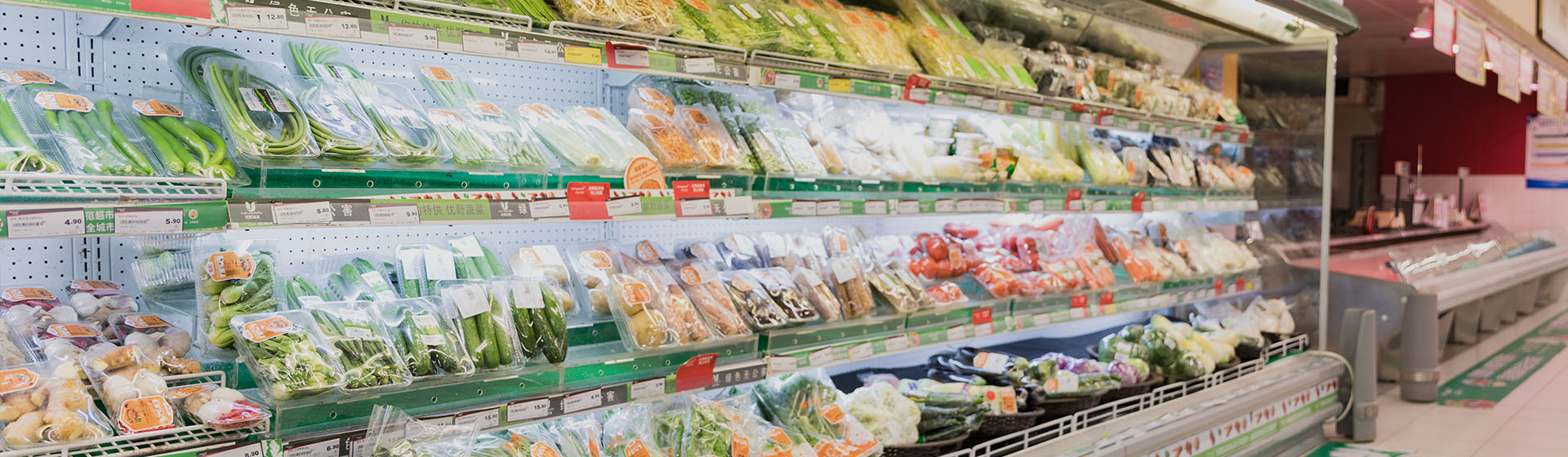
A Convenience Store Cooler operates in a busy retail environment where customers, shopping baskets, restocking carts, and staff move around the cabinet throughout the day. Although refrigeration performance is essential, the cabinet’s physical structure also deserves attention. Repeated contact with nearby objects can affect exterior panels, lower cabinet sections, and the overall appearance of the equipment.
For stores with limited aisle space, these risks are particularly relevant. A cooler may be positioned close to shelves, checkout areas, or customer walkways, leaving little room for accidental contact to be avoided. Its protective features should therefore be considered as part of the product design rather than as minor decorative details.
Why Physical Protection Matters in Convenience Store Refrigeration
Unlike refrigeration equipment placed in a restricted backroom, a retail display cooler is exposed to everyday store activity. Customers approach the doors, employees replenish products, and carts may pass close to the cabinet. Even when individual contacts are minor, repeated impacts can gradually affect exposed surfaces.
The lower front area is often worth particular attention. It is closer to shopping baskets, cart wheels, and other objects moving through the aisle. If this section becomes dented or scratched, the damage may make the cabinet look worn even when its refrigeration system continues to operate normally.
There is also a practical distinction between cosmetic damage and structural damage. Scratches may mainly affect appearance, while stronger impacts can potentially deform panels or interfere with components around the cabinet base. The actual risk depends on the cabinet construction, the location of the impact, and the force involved.
For this reason, a Convenience Store Cooler should be evaluated not only by its glass doors and internal display arrangement but also by how its exterior is designed to handle the surrounding retail environment.
Stainless Steel Bumpers and Their Role in Cabinet Protection
A bumper is a protective component positioned on an exposed part of the cabinet. In commercial refrigeration equipment, a stainless steel bumper can help protect vulnerable exterior areas from direct contact with carts and other objects.
Its value depends on more than the material itself. Buyers should consider where the bumper is installed, how much of the cabinet it covers, and whether its shape provides useful protection in the store’s actual operating environment.
Several details deserve attention:
- Position and coverage: A bumper should be located where contact is most likely. Protection around the lower front section may be useful in aisles where carts and baskets frequently pass.
- Material and finish: Stainless steel is commonly used for commercial protective components because of its durability and suitability for frequently used environments. The finish should also be practical to clean.
- Attachment and construction: Buyers should check how the bumper is connected to the cabinet and whether its installation appears stable. A protective component should not become loose during normal use.
- Protrusion and clearance: The bumper should provide protection without unnecessarily increasing the cabinet’s footprint or obstructing customer movement.
A stainless steel bumper does not make a refrigerator impact-proof. Its purpose is to provide an additional layer of physical protection in areas exposed to everyday contact. The protection offered will depend on its design and the severity of an impact.
Cabinet Construction Should Be Considered as a Whole
A protective bumper is useful, but it should not be treated as a substitute for sound cabinet construction. The exterior panels, base structure, door frames, and joints all contribute to the equipment’s ability to withstand normal commercial use.
For example, the lower cabinet section may be exposed to more contact than the upper part. Buyers should examine whether the exterior panels appear properly fitted and whether exposed edges are protected. The base should also be suitable for the cabinet’s weight and installation conditions.
Door frames deserve attention for a different reason. They are repeatedly handled during customer access and stock replenishment. A rigid frame and properly aligned door assembly help maintain the intended fit during everyday operation. However, a bumper on the lower cabinet cannot compensate for a poorly constructed door or frame.
When comparing models, it is therefore more useful to assess the complete exterior structure than to focus on one protective accessory. The bumper, panels, base, and door assembly should work together as parts of a commercial product designed for frequent use.
Matching Protection Features to the Store Environment
Not every convenience store exposes refrigeration equipment to the same level of physical contact. A cooler placed against a wall in a low-traffic corner faces different conditions from one installed beside a narrow aisle or near a checkout queue.
The location should guide the protection requirements. In a compact store, customers may turn around with baskets close to the cabinet. In a busy beverage area, employees may move replenishment carts along the front of the cooler. In a larger store, several cabinets may be installed in a row, making the exposed end panels and lower corners more relevant.
Before selecting a model, consider the following situations:
| Installation environment | Protection consideration |
|---|---|
| Narrow customer aisle | Check lower-front protection and the cabinet’s overall projection |
| Near checkout or queue areas | Consider repeated contact from baskets and moving customers |
| Frequent cart replenishment | Examine bumper coverage and attachment |
| End of a cabinet row | Pay attention to exposed side panels and corners |
| Wall-side installation | Check the accessible front and side areas rather than assuming every surface needs equal protection |
This assessment helps prevent two common mistakes: choosing a cabinet with insufficient protection for a busy location, or paying attention to protective features that offer little practical value in the intended installation area.
What to Check When Comparing Convenience Store Cooler Models
Product specifications often emphasize dimensions, temperature range, door configuration, and refrigeration type. These details remain important, but the exterior protection design should also be part of a model comparison.
A useful inspection should cover several points. First, identify which areas of the cabinet are most exposed in the planned installation. Then check whether the model includes a bumper or another protective feature in those locations. If a bumper is fitted, confirm its material, position, coverage, and attachment rather than relying on a product photograph alone.
It is also worth checking whether the protective component affects cleaning access or the cabinet’s placement. A bumper that extends too far may reduce the available aisle clearance. Similarly, the cabinet should remain accessible for normal operation without creating unnecessary obstacles for customers or staff.
Finally, ask for clear product drawings or photographs of the front, sides, and lower cabinet area when these details are not visible in the product description. This makes it easier to compare actual construction rather than judging protection based only on general product images.
Choosing a Cooler That Fits Long-Term Retail Use
A Convenience Store Cooler is a working piece of retail equipment, not simply a refrigerated display placed in an aisle. Its exterior is exposed to the movement and contact that come with everyday store operation. A suitable protective structure can help reduce avoidable wear in vulnerable areas and preserve the cabinet’s appearance over time.
For convenience stores considering glass-door upright refrigeration, product details such as stainless steel bumpers, cabinet construction, door frames, and exterior panel design deserve attention alongside refrigeration and display requirements. The right combination depends on where the equipment will be installed and how the surrounding space is used.
Commercial refrigeration solutions from Dusung include glass-door upright refrigerator configurations with features such as stainless steel bumpers and adjustable shelving. Reviewing these structural details alongside the intended application can help identify a cabinet that better matches the demands of a retail environment.
Conclusion
Physical protection is an important but sometimes overlooked part of Convenience Store Cooler selection. Bumpers, exterior panels, cabinet bases, and door frames all contribute to how the equipment handles everyday contact. Evaluating these features in relation to the store’s layout and operating conditions helps buyers make a more complete product decision.
FAQ
1. Does every convenience store cooler need a stainless steel bumper?
Not necessarily. The need depends on the installation location and the likelihood of contact with carts, baskets, or other objects. Bumpers are particularly worth considering in exposed, high-traffic areas.
2. Can a bumper prevent all cabinet damage?
No. A bumper provides additional protection in the area it covers, but it cannot prevent every type of impact or guarantee that the cabinet will remain undamaged.
3. Is stainless steel the only material used for refrigerator protection?
No. Commercial refrigeration products may use different protective materials and structures. The appropriate choice depends on the product design, expected contact, durability requirements, and cleaning needs.
4. Should cabinet protection be checked before or after installation?
It should be evaluated before purchase. Confirming bumper position, cabinet dimensions, exposed surfaces, and aisle clearance in advance helps avoid choosing a model that is poorly suited to its intended location.
Post time: Nov-20-2026


