
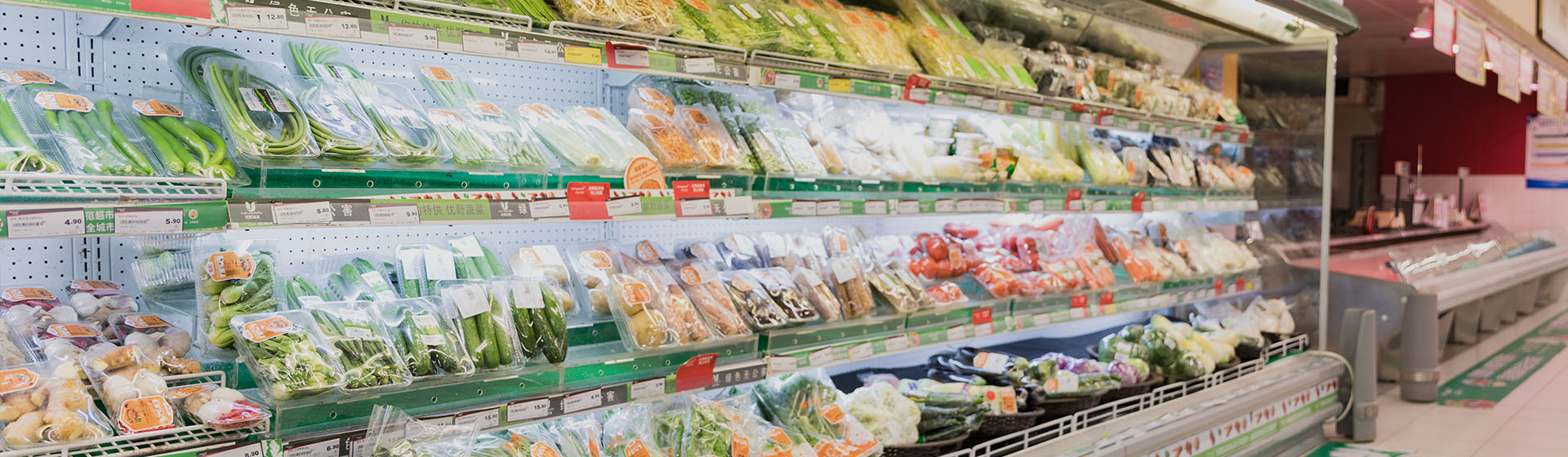
Requesting a quotation for commercial refrigeration equipment involves more than asking for a price. If essential information is missing, the proposed cabinet may not fit the store layout, meet product storage requirements, or match the intended installation conditions. This can lead to repeated adjustments and delays before an order is finalized. For supermarkets, convenience stores, and food retailers, preparing the right information before contacting a manufacturer makes the purchasing process more efficient. The following points explain what should be confirmed before requesting a quotation and how these decisions affect equipment selection.
Identify the Products That Need Refrigeration
Start by identifying the products that the equipment will store or display. Different food categories require different cabinet designs, so selecting equipment based only on appearance or general capacity may result in an unsuitable choice.
Frozen foods generally require freezer equipment, while beverages, dairy products, and packaged chilled foods need refrigerated display cabinets. Fresh produce, deli products, and prepared foods may require different display arrangements depending on their packaging and how customers access them.
- Glass-door upright refrigerators and freezers are suitable for enclosed vertical display and organized shelf storage.
- Air-curtain upright refrigerators provide open-front access to chilled products.
- Island freezers offer horizontal frozen-food display and can be incorporated into supermarket layouts.
- Deli cabinets and fresh-food cabinets serve specific fresh-food and prepared-food display requirements.
- Semi-vertical promotional refrigerators support promotional displays where product visibility and convenient access are important.
Before requesting a quotation, prepare a list of the main products to be displayed. Include whether they require chilled or frozen storage, whether they are packaged, and whether customers need direct access. This information helps the manufacturer recommend an appropriate cabinet type instead of quoting a model that does not match the application.
Confirm Cabinet Dimensions and Installation Space
Measure the available width, depth, and height. Also consider nearby shelves, entrances, walkways, checkout areas, and other equipment. The cabinet should not obstruct customer movement or make restocking difficult.
Display capacity must be considered alongside floor space. A longer cabinet provides more display area but occupies more room. Several smaller units may offer greater flexibility in stores with columns, corners, or separate product zones.
For projects involving multiple cabinets, prepare a simple floor plan showing their intended positions and approximate dimensions. Photos of the installation area can also help clarify site conditions. If the project is still being planned, distinguish confirmed measurements from estimates that may change.
Decide Between Plug-In and Remote Refrigeration
A plug-in cabinet has its refrigeration components integrated into the unit. It can simplify installation because it does not require the same connection to a separate refrigeration system as a remote model. This arrangement may suit stores using individual cabinets or requiring a relatively straightforward installation. However, the heat released by the refrigeration components and the space needed for ventilation should be considered.
A remote refrigeration cabinet connects to a separate condensing system installed away from the display area. This option may be considered for projects with multiple cabinets or specific equipment-room requirements. It involves coordination of the refrigeration system, pipework, installation conditions, and maintenance access.
Neither arrangement is automatically better for every store. The decision should reflect cabinet quantity, available space, building conditions, and project design. If the preferred system has not been determined, explain the installation conditions in the inquiry and ask the manufacturer to help assess the available options.
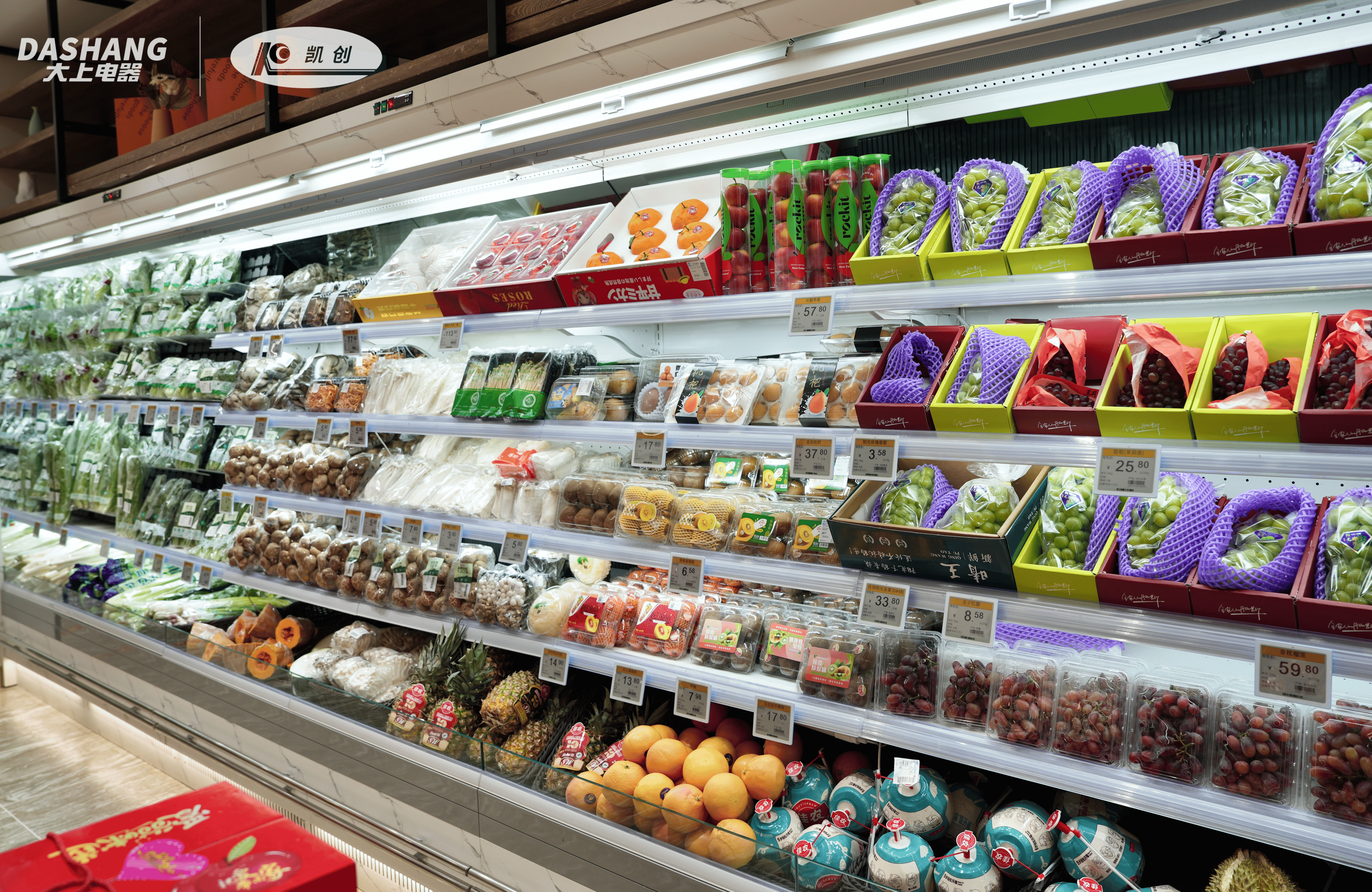
Specify the Required Cabinet Configuration
Providing only a product name is rarely enough to obtain an accurate quotation. Two glass-door upright refrigerators, for example, may differ in dimensions, door arrangements, shelf configurations, lighting, and exterior finishes.
Before requesting a quotation, identify the configuration details that matter to the project. These may include the number of doors, shelf quantity and spacing, cabinet color, exterior finish, display lighting, and other available options.
For island freezers, consider the cabinet layout, access arrangement, and whether the units will be installed individually or in groups. For deli and fresh-food cabinets, the display format and staff replenishment process may influence the required configuration.
Separate essential requirements from preferences. Confirmed dimensions and necessary product functions should be clearly stated, while optional features can be listed for further discussion. This makes the inquiry easier to understand and helps prevent incorrect assumptions during quotation preparation.
Clarify Temperature and Operating Requirements
The intended cooling application must be clearly explained. Refrigerators and freezers serve different purposes, and a general description such as “food display cabinet” does not provide enough information for accurate selection.
Specify the product category, chilled or frozen application, and any temperature requirements defined by your product or operating standards. Do not assume that every cabinet in the same category has identical operating conditions.
The store environment also matters. Ambient temperature, ventilation, installation location, door-opening frequency, and expected operating hours can influence equipment selection and operation. A cabinet installed in a warm or poorly ventilated area may face different conditions from one placed in a climate-controlled retail space.
If the equipment will be used in a market with specific electrical or regulatory requirements, provide the destination country and relevant project conditions. This allows the manufacturer to identify which technical details need confirmation before the equipment is specified.
Prepare the Information Needed for a Quotation
Once the product type and main configuration are identified, organize the information into a clear inquiry. A useful quotation request should provide enough detail for the manufacturer to evaluate the project.
- Application and product range: Store type, food categories, and whether the equipment is intended for chilled or frozen display.
- Quantity and dimensions: Estimated order quantity, preferred cabinet size, and available installation space.
- Refrigeration arrangement: Plug-in or remote preference, if known, together with relevant site conditions.
- Configuration requirements: Door arrangement, shelves, finish, lighting, and essential options.
- Destination and schedule: Delivery destination, expected purchasing timeline, and applicable electrical or compliance requirements.
Drawings, reference photos, and preferred model information can make the inquiry more precise. If some details are not yet available, state this clearly rather than making assumptions. The manufacturer can then identify which information must be confirmed before finalizing the product specification and quotation.
Compare Quotations Against the Same Requirements
Receiving several quotations does not necessarily make it easier to select the right equipment. If different suppliers quote different cabinet sizes, refrigeration arrangements, or configurations, their prices cannot be compared fairly.
Check whether each quotation covers the same product category, dimensions, quantity, refrigeration type, and configuration. Confirm what is included in the price and whether optional features, packaging, delivery, or other project requirements are charged separately.
The manufacturer’s ability to provide the required product range and configuration should also be considered. A quotation should be evaluated not only by its total price but also by how closely the proposed equipment matches the actual application. If a quoted model differs from the requested specification, ask for the differences to be explained before making a decision.
For projects involving upright refrigerators, island freezers, deli cabinets, or other display equipment, evaluating the complete equipment combination can be more useful than comparing each unit separately.
Discuss Your Requirements Before Finalizing the Order
When equipment types, dimensions, refrigeration arrangements, or configurations are still being evaluated, discussing the project with a manufacturer can help clarify the available options. Dusung offers commercial refrigeration categories including glass-door upright refrigerators and freezers, air-curtain upright refrigerators, island freezers, deli cabinets, and fresh-food cabinets. Sharing the intended application, estimated quantity, installation conditions, and preferred configuration provides a clearer starting point for product discussions and quotation requests.
Conclusion
An accurate commercial refrigeration quotation starts with a clear understanding of the application. Before requesting prices, confirm the products to be stored or displayed, available installation space, suitable refrigeration arrangement, and required cabinet configuration. Providing these details makes quotations easier to compare and reduces the risk of selecting equipment that does not fit the actual operating environment.
FAQs
1. What information should I provide when requesting a commercial refrigeration quotation?
Provide the application, product category, estimated quantity, cabinet dimensions, refrigeration preference, configuration requirements, delivery destination, and project schedule. Photos or layout drawings are also useful.
2. Can I request a quotation before finalizing cabinet dimensions?
Yes. Provide the available installation space and estimated dimensions, and identify which measurements are provisional. The manufacturer can discuss suitable options before the final specification is confirmed.
3. Should I decide between plug-in and remote refrigeration before contacting a manufacturer?
Not necessarily. You can state your preference if one has been established, or discuss the options during the inquiry. Cabinet quantity, installation conditions, available space, and project design should all be considered.
4. Why do quotations for similar commercial refrigerators vary?
Prices may differ because of cabinet dimensions, refrigeration arrangements, door and shelf configurations, materials, optional features, order quantities, and delivery requirements. Comparing quotations based on the same specification helps explain these differences.
Post time: Nov-20-2026


