
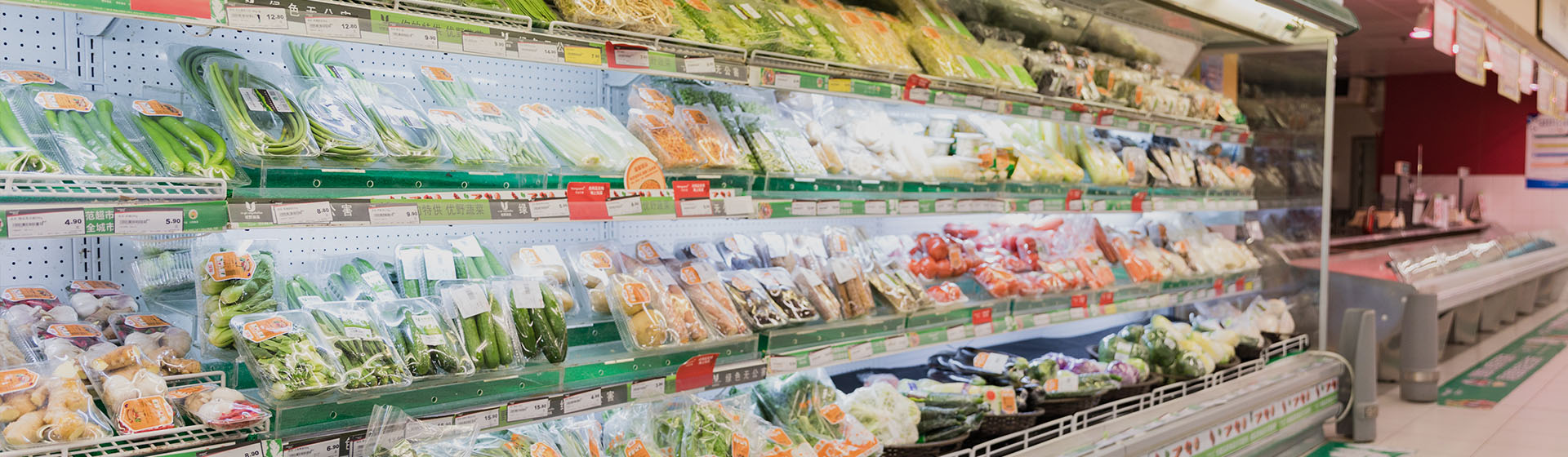
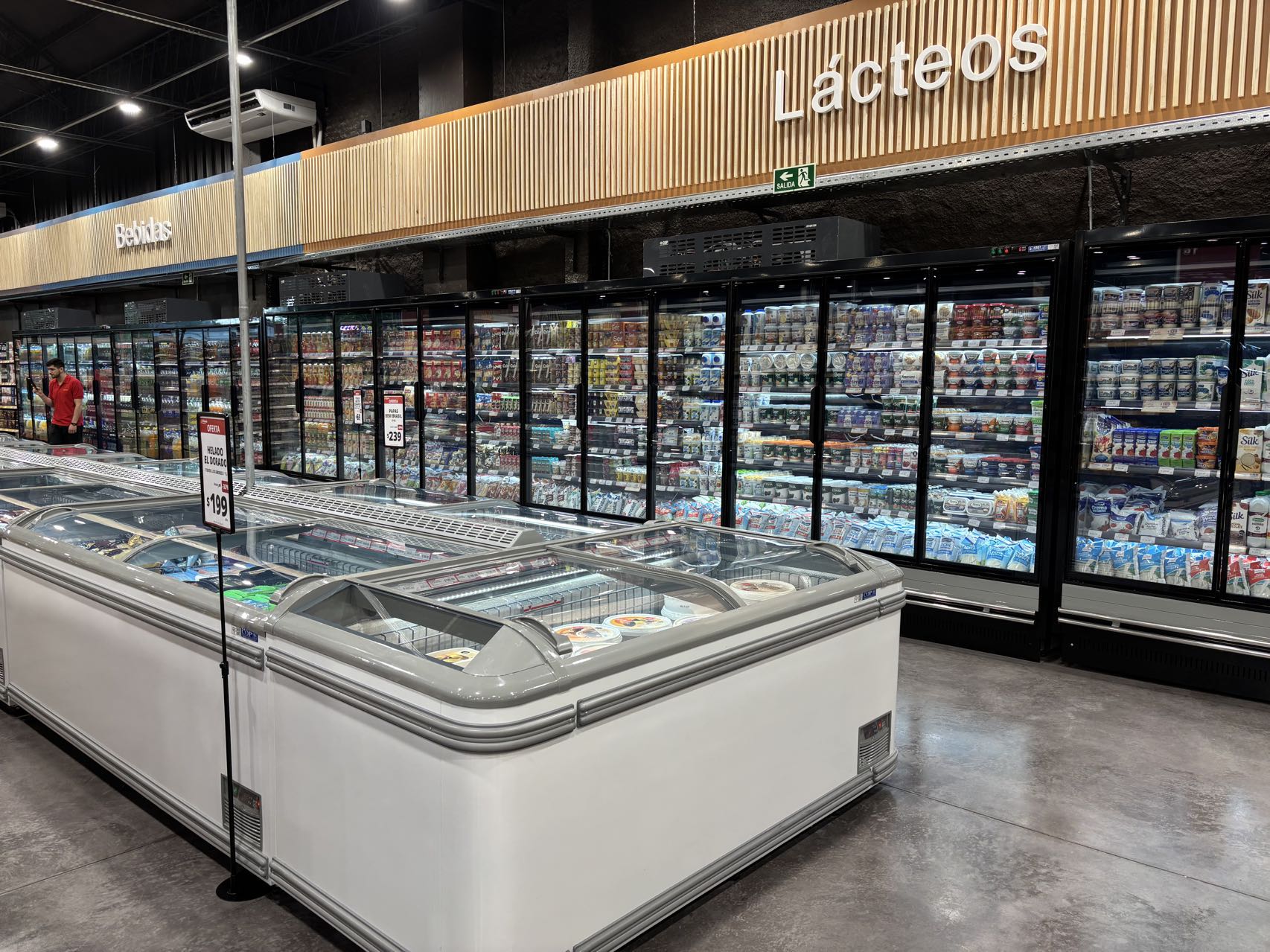
A commercial island freezer for supermarkets is one of the most important refrigeration solutions in modern frozen food retail environments, as it combines large storage capacity, open accessibility, and strong product visibility in a single unit that supports both merchandising and temperature control. In today’s competitive supermarket industry, frozen food categories such as ice cream, frozen meat, seafood, ready meals, and packaged snacks require not only stable low-temperature preservation but also attractive presentation that encourages customer engagement and faster purchasing decisions.
Unlike vertical upright freezers that limit access to one side, an island freezer is designed as a horizontal, multi-sided display unit that allows customers to browse products from different directions, which significantly improves shopping convenience and increases product exposure in high-traffic retail areas. For supermarkets and grocery chains, this equipment is not only a storage system but also a strategic sales platform that directly influences frozen food turnover and customer experience.
Why Island Freezers Are Essential in Supermarket Frozen Food Sections
Frozen food sections are often among the highest-performing categories in supermarkets, and their success depends heavily on product accessibility, clear visibility, and efficient space utilization, all of which are key advantages of commercial island freezer systems.
Island freezers are designed to operate in open retail environments where customers can easily reach products without obstruction, and this layout naturally encourages browsing behavior, comparison shopping, and impulse purchases, especially for categories like ice cream, frozen desserts, and ready-to-cook meals.
Key operational advantages include:
● Multi-directional access that allows customers to reach products from different sides without congestion
● Large display capacity that supports bulk storage and high-volume frozen food categories
● Improved product visibility through organized horizontal layout and transparent sliding covers
● Strong suitability for promotional placement in central supermarket zones or aisle intersections
● Efficient use of floor space while maintaining high product density and category variety
Because of these characteristics, island freezers are widely used in supermarkets that aim to optimize frozen food sales performance while maintaining efficient store layouts and smooth customer traffic flow.
Suitable Product Categories for Island Freezer Display
A commercial island freezer is highly versatile and can support a wide range of frozen food categories, making it an essential fixture in modern supermarket frozen sections where product diversity is a key sales driver.
Typical product applications include:
● Frozen meat products such as beef, chicken, pork, and processed meat items
● Seafood products including shrimp, fish fillets, shellfish, and mixed seafood packs
● Frozen vegetables and fruits used for cooking convenience and long-term storage
● Ice cream, frozen yogurt, and dessert products that rely heavily on impulse purchasing
● Ready-to-cook meals such as frozen pizza, dumplings, pasta, and meal kits
● Frozen bakery items and snack foods designed for quick household preparation
Each category benefits from structured zoning inside the freezer, which helps customers quickly identify product types while also allowing supermarkets to organize inventory based on turnover rate, seasonal demand, and promotional strategies.
Product Arrangement and Merchandising Strategy in Island Freezers
In retail refrigeration, product placement is directly linked to sales performance, and island freezers provide flexible merchandising options that allow supermarkets to strategically influence customer purchasing behavior through structured layout design rather than random product stacking.
Effective merchandising strategies include:
● Placing high-demand and fast-moving frozen products in central or most accessible zones to increase purchase frequency
● Positioning promotional or seasonal items near the top layer or front-facing sections to enhance visibility
● Organizing products by category or usage scenario to improve customer navigation and reduce decision time
● Maintaining clear product separation to avoid visual clutter and support faster comparison between brands
● Ensuring packaging faces upward and remains readable through transparent sliding lids for better recognition
A well-organized island freezer not only improves product presentation but also enhances the overall shopping experience by making frozen food selection faster, clearer, and more intuitive for customers.
Temperature Stability and Frozen Food Protection
Maintaining stable low-temperature conditions is critical in frozen food storage because even minor temperature fluctuations can affect product texture, shelf life, and food safety, especially for sensitive items such as ice cream, seafood, and pre-cooked meals.
Commercial island freezers are designed with advanced insulation systems and reliable refrigeration technology to ensure consistent temperature performance even in high-traffic retail environments where lids are frequently opened and closed throughout the day.
Key temperature performance considerations include:
● Stable internal cooling distribution across the entire storage area to prevent uneven freezing
● Fast temperature recovery after repeated customer access during peak shopping hours
● Strong insulation performance that minimizes cold air loss during lid opening cycles
● Consistent compressor operation that supports continuous freezing under heavy load conditions
Proper loading practices are also essential, as overfilling or blocking airflow paths can reduce cooling efficiency and create uneven temperature zones within the freezer.
Energy Efficiency and Operational Cost Management
Energy consumption is a major operational concern for supermarkets that operate multiple refrigeration units continuously, and island freezers are designed to balance high-capacity storage with improved energy efficiency through structural and technological optimization.
Modern island freezers typically incorporate sliding glass covers, high-efficiency compressors, and advanced insulation materials that help reduce energy loss while maintaining stable freezing conditions.
Key energy-saving considerations include:
● Sliding transparent covers that reduce cold air leakage while still allowing product visibility
● High-efficiency refrigeration systems that maintain stable operation with lower energy consumption
● LED lighting systems that enhance product visibility without generating excessive heat
● Proper placement away from heat sources, direct sunlight, or high-temperature equipment areas
Operational discipline also plays an important role in energy efficiency, as improper usage such as leaving covers open for extended periods or overloading storage space can significantly increase energy consumption.
Store Layout Integration and Customer Flow Optimization
The placement of island freezers within supermarket layouts has a direct impact on customer flow, product exposure, and overall frozen food sales performance, making spatial planning an essential part of retail refrigeration strategy.
Island freezers are typically positioned in high-traffic areas such as central aisles, frozen food zones, or near complementary product sections like fresh food or dairy departments to encourage cross-category purchasing behavior.
Effective placement strategies include:
● Positioning island freezers in central supermarket zones to maximize visibility from multiple directions
● Ensuring sufficient surrounding space for customer movement and product browsing without congestion
● Aligning freezer placement with complementary product categories to encourage bundled purchases
● Avoiding installation near heat-emitting equipment or direct sunlight exposure to maintain cooling efficiency
Well-planned layout integration helps transform island freezers into active sales points rather than passive storage units, significantly improving frozen food category performance.
Maintenance and Hygiene Management for Retail Freezers
Regular maintenance is essential for ensuring long-term performance, product safety, and visual appeal in commercial island freezer systems, especially in supermarket environments where equipment is exposed to continuous customer interaction.
Maintenance requirements include:
● Regular cleaning of internal storage compartments to prevent frost buildup and maintain hygiene standards
● Inspection of sliding covers and sealing components to ensure proper insulation performance
● Temperature monitoring to ensure consistent freezing conditions across all compartments
● Removal of damaged or expired products to maintain product quality and visual organization
Maintaining cleanliness and operational stability not only protects food safety but also improves customer perception of product quality and store professionalism.
Commercial Value of Island Freezers for Supermarkets
A commercial island freezer for supermarkets represents a high-value investment that directly supports frozen food sales growth, operational efficiency, and customer experience optimization by combining large-capacity storage with strong merchandising capabilities.
By integrating visibility, accessibility, and stable freezing performance, island freezers allow supermarkets to transform frozen food sections into high-performing retail zones that support both everyday product sales and promotional campaigns.
For modern grocery retailers, this equipment is not just refrigeration infrastructure but a core component of retail strategy that enhances product turnover, improves store layout efficiency, and strengthens overall competitiveness in the frozen food market.
Conclusion
A commercial island freezer for supermarkets plays a critical role in modern retail frozen food operations by providing large-capacity storage, multi-directional customer access, stable temperature control, and flexible merchandising potential. Its ability to combine product preservation with strong visual presentation makes it an essential tool for supermarkets seeking to improve frozen food category performance and overall store efficiency.
For retailers focused on long-term growth, investing in reliable island freezer systems is a practical way to enhance customer experience, optimize space utilization, and increase frozen food sales in a highly competitive retail environment.
Post time: May-18-2026


