

Maintaining an air-curtain upright fridge is essential for ensuring long-term reliability, stable cooling performance, and food safety in commercial environments. In high-traffic settings such as supermarkets, convenience stores, and food service operations, these refrigerators operate continuously and are frequently accessed throughout the day. Without proper maintenance, even a high-quality unit can experience performance decline, increased energy consumption, and unexpected downtime.
This comprehensive maintenance guide explains how air-curtain upright fridges work, why routine upkeep matters, and what specific actions operators should take to keep equipment operating efficiently. By following structured maintenance practices, businesses can protect product quality, reduce operational risks, and maximize return on equipment investment.
Understanding Air-Curtain Upright Fridges
Air-curtain upright fridges are commercial refrigeration units designed to maintain internal temperature stability through a controlled airflow barrier. Instead of relying solely on a sealed door environment, these systems use a vertical air curtain that minimizes cold air loss when the door is opened. This technology is particularly valuable in retail environments where doors are frequently opened or remain open for short periods during restocking or customer access.
Because of this design, air-curtain upright fridges support faster product access, improved merchandising visibility, and better energy efficiency compared to conventional upright refrigerators. However, the airflow system also introduces additional components—such as fans, air ducts, and sensors—that require regular inspection and maintenance.
Why Regular Maintenance Is Critical
Routine maintenance is not just a preventive measure; it directly affects operational performance, energy efficiency, and food safety compliance. Poorly maintained units often struggle to maintain consistent temperatures, leading to product spoilage and regulatory risks. Additionally, dirty components force compressors and fans to work harder, increasing electricity costs and accelerating wear.
Key benefits of regular maintenance include:
● Consistent internal temperature for food safety compliance
● Reduced energy consumption and operating costs
● Extended service life of compressors and fans
● Fewer emergency repairs and unplanned downtime
● Improved product presentation and customer confidence
For B2B operators managing multiple refrigeration units, structured maintenance schedules also simplify asset management and reduce long-term ownership costs.
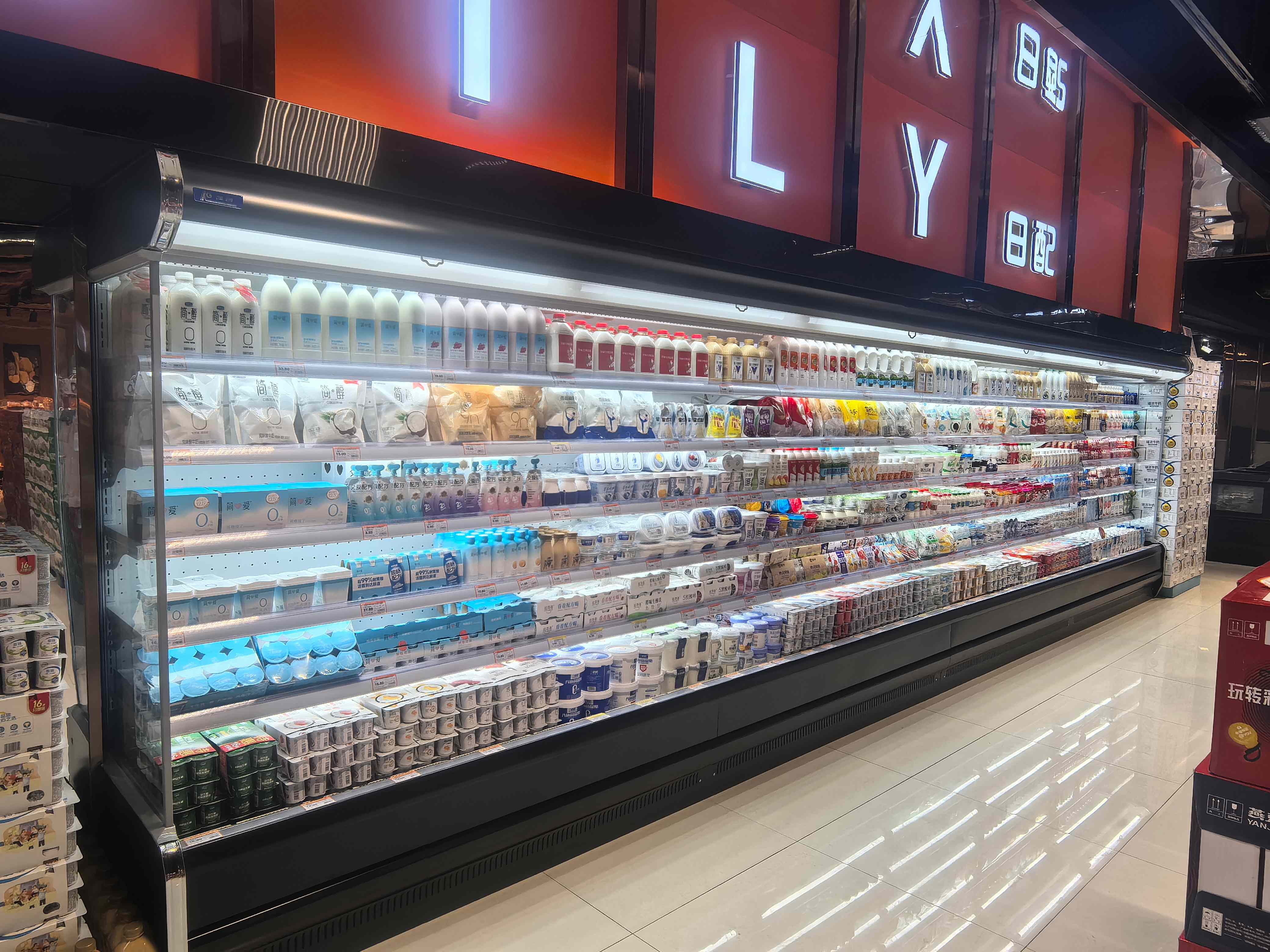
Essential Maintenance Practices for Air-Curtain Upright Fridges
Routine Interior and Exterior Cleaning
Cleanliness directly affects both hygiene and cooling efficiency. Food residue, dust, and grease can obstruct airflow and encourage bacterial growth.
● Clean interior surfaces, shelves, and trays using mild detergent and warm water
● Remove and wash detachable shelves separately to ensure thorough cleaning
● Wipe down door frames and air outlets to prevent blockage
● Clean exterior panels to reduce dust entering ventilation areas
Always disconnect power before performing deep interior cleaning to ensure safety.
Temperature Monitoring and Calibration
Air-curtain upright fridges depend on precise temperature control to maintain product freshness. Temperature drift often goes unnoticed until product quality is affected.
● Use an independent thermometer to verify internal temperatures
● Check multiple zones inside the fridge, especially top and bottom areas
● Adjust digital controls if deviations are detected
● Record temperature readings regularly for compliance documentation
Consistent monitoring helps detect sensor or thermostat issues early, preventing costly losses.
Door Seal and Airflow Inspection
Even with an air-curtain system, door seals play a crucial role in maintaining efficiency. Worn or damaged seals disrupt airflow patterns and allow warm air infiltration.
● Inspect door gaskets for cracks, deformation, or looseness
● Ensure doors close fully without resistance
● Replace damaged seals promptly to restore airtight closure
● Confirm that air curtain outlets are unobstructed
Maintaining proper airflow ensures the air curtain functions as designed.
Condenser Coil Maintenance
Condenser coils release heat absorbed from the interior. Dust accumulation significantly reduces heat dissipation efficiency.
● Inspect condenser coils monthly in high-dust environments
● Use a soft brush or vacuum to remove debris
● Avoid bending coil fins during cleaning
● Ensure adequate clearance around the condenser for ventilation
Clean coils reduce compressor workload and improve energy efficiency.
Fan and Motor Performance Checks
Air-curtain systems rely on fans to create consistent airflow. Faulty fan motors can cause uneven cooling and increased noise levels.
● Listen for unusual sounds during operation
● Check airflow strength at air curtain outlets
● Inspect fan blades for dust buildup
● Replace worn motors to prevent airflow failure
Proper fan operation is critical for maintaining uniform internal conditions.
Common Maintenance Issues and Solutions
| Maintenance Issue | Likely Cause | Recommended Action |
|---|---|---|
| Temperature fluctuations | Faulty thermostat or sensor | Calibrate or replace component |
| Frost buildup | Damaged door seal or airflow imbalance | Replace seal, inspect air curtain |
| Excessive noise | Worn fan motor or loose components | Replace motor, secure fittings |
| High energy usage | Dirty condenser coils | Clean coils thoroughly |
Identifying these issues early helps avoid system-wide failures.
Preventive Maintenance Scheduling
For commercial operations, maintenance should follow a structured schedule rather than reactive repairs.
● Daily: Visual inspection, temperature checks
● Weekly: Surface cleaning, door seal inspection
● Monthly: Condenser coil cleaning, airflow verification
● Quarterly: Professional inspection of electrical and cooling systems
This approach minimizes risk and ensures consistent performance year-round.
FAQ
Q1: How often should an air-curtain upright fridge be serviced professionally?
A professional inspection is recommended at least once or twice per year, depending on usage intensity and operating environment.
Q2: Can poor maintenance increase energy consumption?
Yes. Dirty coils, faulty seals, and inefficient airflow can significantly increase power usage and operating costs.
Q3: Is air-curtain technology suitable for all food products?
Air-curtain upright fridges are ideal for packaged and short-access items but still require proper temperature control for sensitive products.
Q4: What is the most common cause of performance decline?
Neglected cleaning and airflow obstruction are the most frequent causes of reduced efficiency.
Product Selection and Long-Term Value Considerations
When selecting an air-curtain upright fridge, maintenance-friendly design should be a priority. Models with removable components, accessible condenser coils, and digital diagnostics simplify long-term upkeep. Energy-efficient compressors, corrosion-resistant materials, and modular airflow systems also reduce maintenance burden over time.
From a B2B perspective, choosing equipment designed for easy servicing lowers total cost of ownership and supports consistent retail operations.
Conclusion
Air-curtain upright fridge maintenance is a critical operational responsibility for commercial food storage environments. Regular cleaning, temperature monitoring, airflow inspection, and component care ensure reliable performance, energy efficiency, and food safety compliance. By implementing a proactive maintenance strategy, businesses can extend equipment lifespan, reduce operational costs, and maintain consistent product quality.
Proper maintenance is not an optional task—it is a strategic investment in operational stability and long-term commercial success.
Post time: Jan-12-2026


