
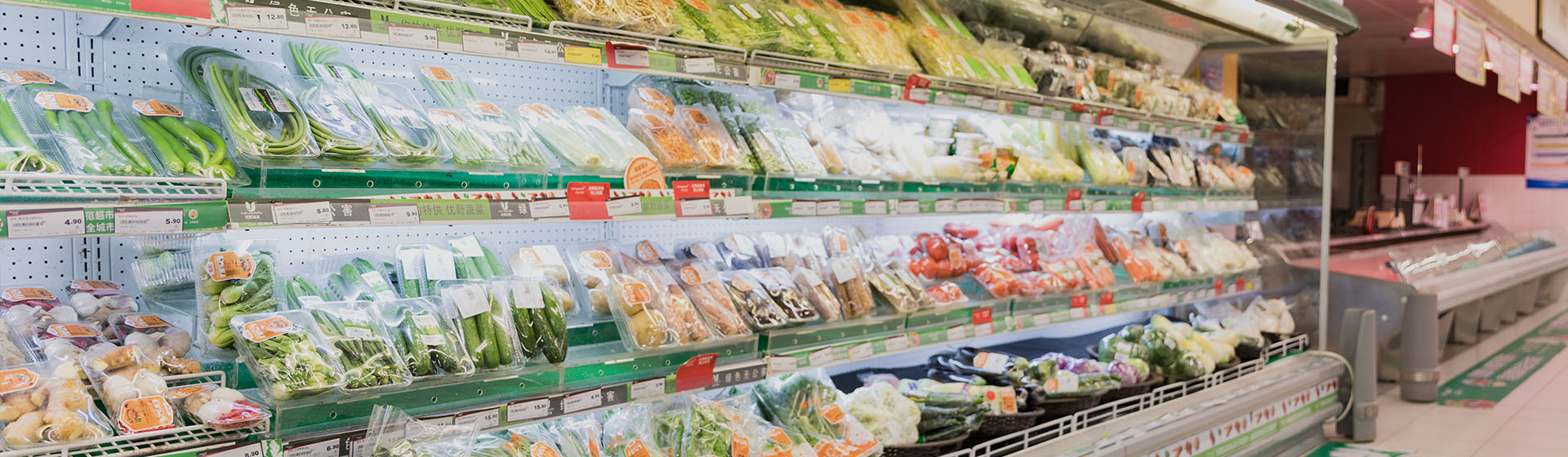
Commercial refrigeration equipment rarely operates under perfectly stable conditions. Every time a door opens, new products are loaded, or employees retrieve stored items, warmer air may enter the compartment and affect its internal temperature. The equipment must then remove the additional heat and return the compartment toward its intended operating range.
This process is known as temperature recovery. For businesses that rely on combined refrigerated and frozen storage, it is an important indicator of equipment performance. A Freezer Combination must do more than maintain a target temperature when undisturbed; it also needs to respond appropriately to routine changes in operating conditions.
What Does Temperature Recovery Actually Mean?
Temperature recovery describes how a refrigeration compartment returns toward its normal operating temperature after a disturbance. This disturbance may result from opening the door, introducing products that are warmer than the existing inventory, or experiencing changes in the surrounding environment.
When a door opens, warmer air can replace some of the colder air inside the compartment. The temperature may rise temporarily, requiring the refrigeration system to remove the additional heat. Once the door closes, the compartment begins returning toward its intended temperature range. However, recovery is not simply a matter of how quickly the display returns to its previous reading. A sensor measures temperature at a particular location, while other areas may warm or cool at different rates. Food temperatures also respond more slowly than surrounding air.
Why Does Temperature Recovery Matter?
Refrigerated and frozen compartments serve different purposes, but both depend on appropriate temperature control. A short-term change in air temperature does not automatically mean stored food has become unsafe. The actual effect depends on the magnitude and duration of the fluctuation, the product involved, and its existing temperature.
For refrigerated foods, repeated or prolonged temperature deviations may shorten usable storage life or increase food-safety risks. Frozen products may be affected if fluctuations contribute to partial thawing, refreezing, or changes in texture. A suitable Freezer Combination should therefore match the expected workload. Its performance needs to be considered under realistic conditions, including regular door opening and routine product handling, rather than only when the equipment is empty and closed.
Temperature recovery also provides useful information about operating reliability. If a compartment consistently takes longer than expected to return to its normal range, staff may need to investigate loading practices, door seals, airflow, ambient conditions, or the refrigeration system itself.
What Factors Influence Temperature Recovery?
Several factors work together to determine how quickly a compartment recovers. A slow response does not necessarily indicate equipment failure, so the operating conditions should be checked before drawing conclusions.
Door-Opening Frequency and Duration
Every opening creates an opportunity for heat exchange. Frequent openings can introduce additional heat before the equipment has fully recovered from the previous disturbance. Longer openings generally allow more warm air to enter, especially in hot or humid environments. The internal arrangement of products can influence this process. If employees need to search through several shelves to locate an item, the door may remain open longer than necessary. Clear labeling and organized storage can reduce unnecessary access time.
Product Loading Conditions
Newly delivered products may carry more heat than items already inside the compartment. Loading a large quantity of warmer products at once increases the amount of heat that the refrigeration system must remove. Businesses should follow the manufacturer’s loading instructions and applicable food-safety procedures. They should not assume that a unit can rapidly cool any quantity of newly added products simply because it is designed for frozen or refrigerated storage.
Airflow and Internal Arrangement
Cold air needs to circulate effectively to maintain reasonably uniform temperatures. Overloaded shelves, blocked vents, tightly packed containers, and unsuitable product arrangements can restrict circulation. Even if the temperature sensor shows an acceptable reading, restricted airflow may create warmer areas elsewhere. Keeping air outlets clear and following recommended loading limits can help improve temperature distribution.
Ambient Conditions and Maintenance
High room temperatures, poor ventilation, damaged door gaskets, and dirty heat-exchange surfaces may increase the work required to maintain the desired temperature. If these conditions persist, recovery may become slower or less consistent. Regular maintenance can help identify issues before they develop into persistent operating problems. Inspection schedules should follow the manufacturer’s recommendations and account for how intensively the equipment is used.

How Can Businesses Evaluate Recovery Performance?
A consistent observation process can provide useful information without requiring specialized laboratory equipment. More precise assessments, however, may require calibrated temperature-monitoring devices. Start by establishing the normal operating range for each compartment according to the stored products, applicable food-safety requirements, and manufacturer guidance. Record temperatures under representative operating conditions instead of relying exclusively on readings taken during quiet periods.
When a disturbance occurs, note what happened, how long the door remained open, whether new products were loaded, and how the temperature changed afterward. Observe whether the reading returns to its usual range and remains stable. Repeated observations are more informative than a single test. A temporary temperature rise after brief access may be expected, whereas a similar rise that persists for an extended period could justify further investigation.
For more detailed monitoring, use suitable data loggers or calibrated probes according to an appropriate monitoring plan. Air temperature and product temperature should be distinguished because they respond differently. A normal air-temperature reading alone does not establish that every product has remained within required food-safety limits. A Freezer Combination should be evaluated under representative loading and access conditions. Testing only an empty unit may not reveal how it performs during normal commercial operations.
What Should Be Checked When Recovery Slows Down?
When temperature recovery changes noticeably, examine operating conditions before assuming that a major component has failed.
Check whether doors close properly and whether gaskets are clean and intact. Inspect the compartment for blocked vents, excessive loading, or products positioned too close to airflow outlets. Review whether employees have changed loading practices or begun opening doors more frequently. Next, examine the installation environment. Confirm that the equipment has the ventilation clearance specified by the manufacturer and is not exposed to unusually high heat loads. Condenser cleaning and other maintenance should follow the manufacturer’s procedures. If the problem continues, compare recorded temperature patterns with previous observations. Repeated slow recovery, persistent temperature deviations, unusual operating noises, or excessive ice buildup may indicate a condition that requires professional inspection.
Explore Commercial Refrigeration Solutions from Dashang
For businesses planning a commercial refrigeration setup, the equipment configuration should reflect the products being stored, the frequency of access, and the demands of the working environment. Dashang offers a broad range of commercial refrigeration equipment for retail, food and beverage, and Ho.Re.Ca. applications, including island freezers, upright refrigerators and freezers with glass doors, air curtain refrigerators, food display cases, refrigerator chambers, stainless steel freezers, and condensing units.
This range provides businesses with options for different storage and display requirements. When evaluating a Freezer Combination or planning a wider refrigeration installation, buyers can compare equipment categories according to their intended application, available space, and operating conditions. Providing details about product types, expected storage volume, installation conditions, and daily usage can help establish a more suitable equipment configuration.
Conclusion
Temperature recovery is an important indicator of how refrigeration equipment responds to everyday disturbances. Door openings, product loading, restricted airflow, ambient conditions, and maintenance can all influence how quickly a compartment returns toward its intended operating range. For a Freezer Combination, evaluating recovery alongside temperature stability, product requirements, and normal workload provides a more realistic picture of performance. Consistent monitoring, appropriate handling practices, and timely maintenance can help businesses identify problems early and maintain reliable storage conditions.
FAQs
1. Does faster temperature recovery always mean better refrigeration performance?
Not necessarily. Recovery speed should be considered alongside temperature uniformity, product temperature, energy consumption, and the equipment’s intended operating conditions.
2. Should recovery performance be tested when the equipment is empty?
An empty-unit test can provide a baseline, but it does not represent every real operating condition. Performance should also be observed under appropriate, representative loading and access patterns.
3. Can a temperature display confirm that all stored products are safe?
No. A display typically measures temperature at a specific sensor location. Product temperatures may differ, so food-safety decisions should follow appropriate monitoring procedures and applicable requirements.
4. When should a business request professional inspection?
Professional inspection is appropriate when temperatures remain outside the expected range, recovery repeatedly deteriorates, unusual noises occur, or persistent ice buildup appears despite correct use and routine maintenance.
Post time: Oct-21-2026


