
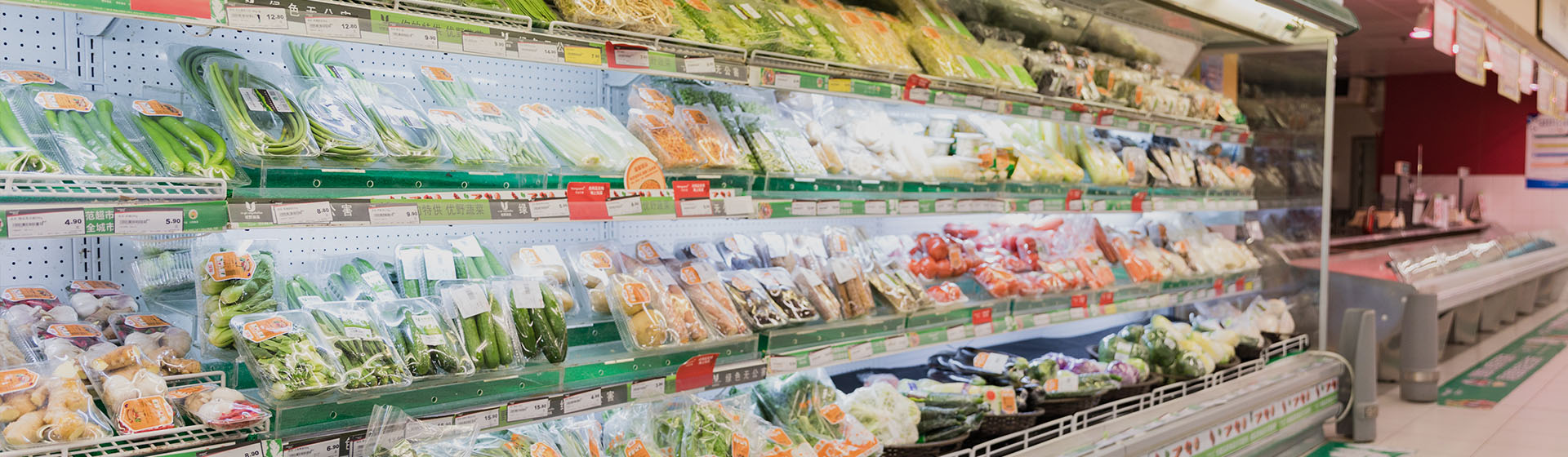
In the competitive retail landscape, product presentation and food freshness are critical to attracting customers and increasing sales. A supermarket fresh-food cabinet is a strategic investment that allows retailers to showcase perishable products effectively while maintaining optimal temperature and hygiene standards. From supermarkets to convenience stores, these cabinets help improve customer satisfaction, reduce food waste, and enhance operational efficiency.
Key Features of a Supermarket Fresh-Food Cabinet
A modern supermarket fresh-food cabinet combines technology, design, and functionality to meet the demands of high-volume retail environments. Key features include:
● High Storage Capacity – Large shelving and modular compartments allow businesses to display a wide range of fresh products, including fruits, vegetables, dairy, and prepared meals.
● Advanced Temperature Control – Digital thermostats and precise cooling systems maintain consistent temperatures, keeping perishable goods fresh for longer.
● Energy Efficiency – Many cabinets incorporate LED lighting, low-energy compressors, and air-curtain or glass-door designs to minimize energy consumption.
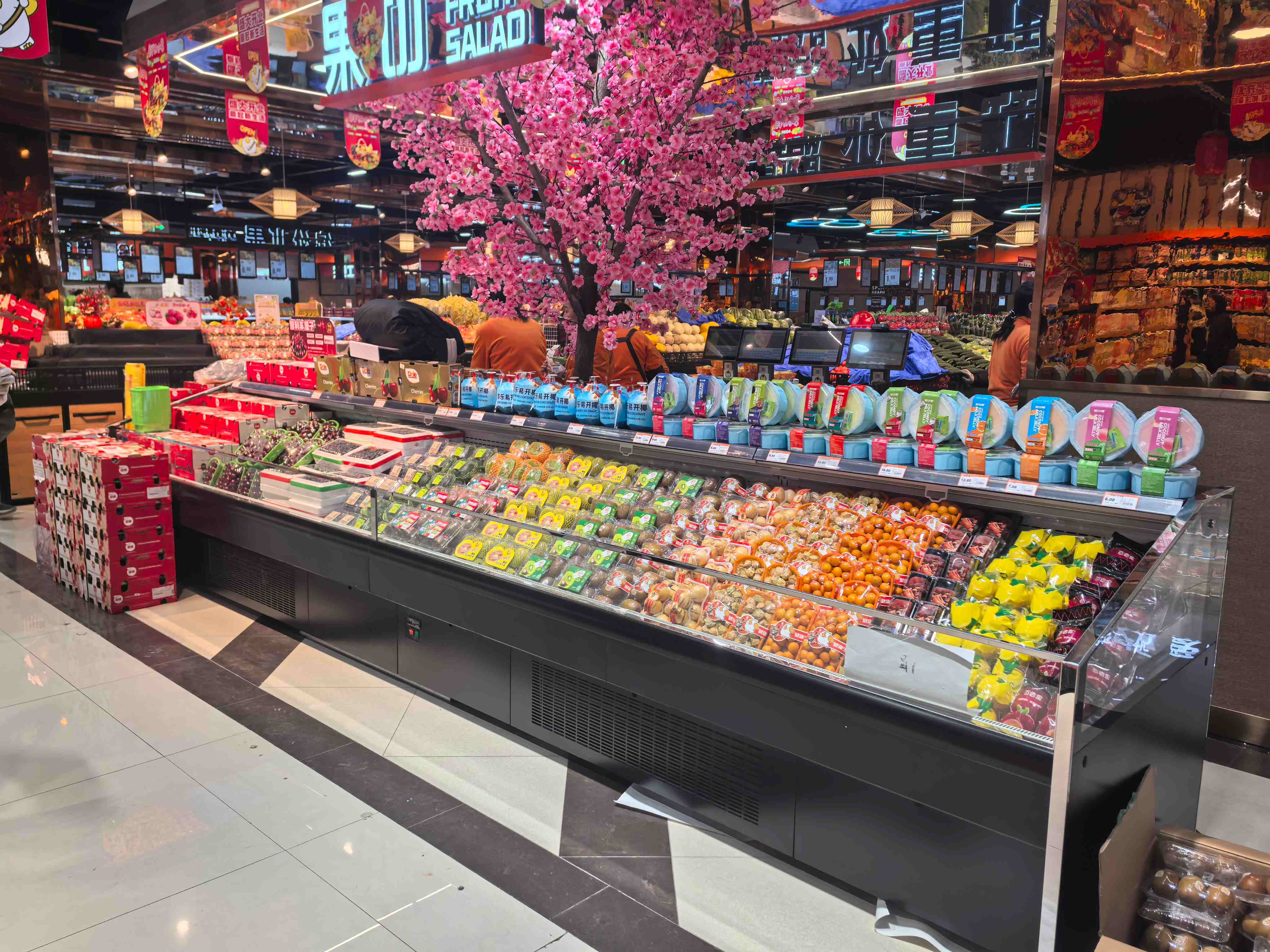
● Enhanced Visibility – Transparent doors or open-front designs ensure products are easily visible to customers, promoting impulse purchases.
● Flexible Design – Adjustable shelves, multi-deck layouts, and customizable configurations allow retailers to optimize space for different product sizes.
Advantages for Retail Businesses
Integrating a supermarket fresh-food cabinet into your retail operations offers several tangible benefits:
● Improved Product Freshness – Reliable temperature control reduces spoilage, maintaining quality from delivery to sale.
● Increased Sales Potential – Well-lit, attractive displays encourage customers to explore and purchase more items.
● Operational Efficiency – Easy-to-clean surfaces, removable shelves, and accessible design streamline daily maintenance.
● Reduced Energy Costs – Energy-efficient systems help lower electricity consumption without compromising performance.
● Customer Satisfaction – Maintaining freshness and hygiene builds trust and encourages repeat visits.
Considerations for Choosing the Right Cabinet
Selecting the ideal supermarket fresh-food cabinet requires careful planning to ensure it meets your business needs:
● Size and Capacity – Consider store layout and product volume to choose a cabinet that fits seamlessly without overcrowding aisles.
● Cooling Technology – Decide between open-air, glass-door, or air-curtain designs based on your product type and energy priorities.
● Maintenance and Cleaning – Opt for units with removable shelves and accessible components to simplify daily cleaning routines.
● Energy Efficiency – Check for energy ratings and features such as LED lighting, low-energy compressors, and automatic defrosting.
● Compliance with Food Safety Regulations – Ensure the cabinet meets local or international food safety standards to protect your customers and avoid penalties.
Operational Tips for Maximum Efficiency
To get the most out of your supermarket fresh-food cabinet, retailers should implement best practices:
● Proper Placement – Avoid placing cabinets near heat sources or direct sunlight, which can increase energy consumption.
● Regular Temperature Monitoring – Use digital thermometers or built-in sensors to ensure consistent cooling.
● Routine Maintenance – Clean filters, shelves, and condensers regularly to maintain performance and extend equipment life.
● Staff Training – Train employees on proper stocking, rotation, and handling to reduce product waste.
● Inventory Management – Combine cabinet usage with inventory systems to track stock levels and prevent overstocking or shortages.
Conclusion
A supermarket fresh-food cabinet is more than a storage solution—it is a powerful tool for boosting sales, reducing waste, and enhancing operational efficiency. Retailers who invest in high-quality cabinets and implement best practices can improve product presentation, maintain freshness, and create a better shopping experience for customers. In an increasingly competitive market, these cabinets are essential for businesses looking to stay ahead while optimizing energy use and reducing operational costs.
FAQ
Q1: What types of products are best suited for a supermarket fresh-food cabinet?
A1: Fruits, vegetables, dairy products, pre-packaged meals, and other perishable goods are ideal for these cabinets.
Q2: How does a cabinet’s design impact energy efficiency?
A2: Features such as air curtains, glass doors, LED lighting, and efficient compressors help reduce energy consumption while maintaining consistent cooling.
Q3: Can shelves be adjusted for different product sizes?
A3: Yes, most cabinets have adjustable and removable shelves to accommodate a wide range of product sizes and layouts.
Q4: What maintenance practices ensure the cabinet remains effective?
A4: Regular cleaning of shelves, filters, and condensers, along with routine temperature monitoring and proper staff training, ensures optimal performance and longevity.
Post time: Mar-04-2026


