
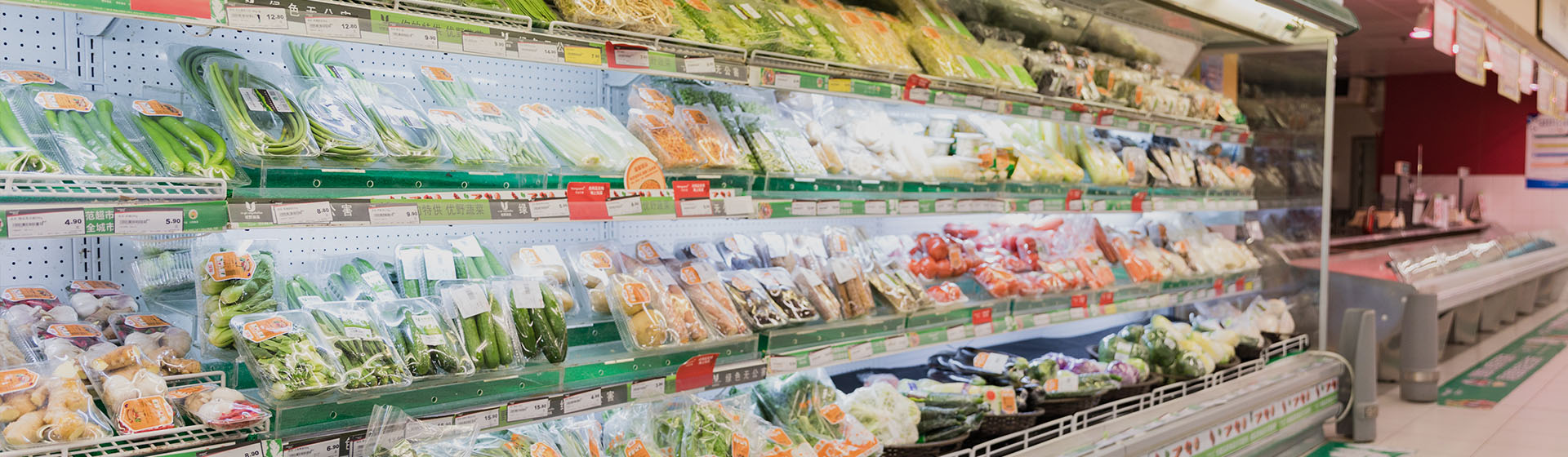
Understand how a blast freezer for meat supports rapid temperature reduction, product texture protection, safer storage preparation, and more reliable meat handling in commercial kitchens and processing sites.
Blast Freezer for Meat is built for rapid freezing, not simple storage
A Blast Freezer for Meat is a commercial freezing unit designed to reduce the temperature of meat products quickly before long-term storage, transport, further processing, or retail preparation. It is different from an ordinary freezer because its purpose is not only to keep products frozen after they are already cold. Its main task is to pull heat out of meat as quickly and evenly as possible. This matters for beef, pork, lamb, poultry, processed meat portions, prepared dishes with meat, and packaged food products that need controlled freezing before entering the cold chain.
Meat is sensitive to freezing speed. If freezing is too slow, large ice crystals can form inside the product. These crystals may damage muscle fibers, cause more drip loss after thawing, and reduce texture quality. For restaurants, central kitchens, butcher shops, supermarkets, and food processing facilities, rapid freezing helps maintain product value and makes inventory management more predictable. A Blast Freezer for Meat supports this process by combining low temperature, strong air movement, and a chamber structure designed for quick heat removal.
The product structure focuses on airflow and temperature pull-down
The structure of a blast freezer is different from a display freezer or a standard storage cabinet. A Blast Freezer for Meat needs stronger airflow, reliable insulation, organized tray or rack positions, and a cooling system that can handle warm product loading. Meat may enter the chamber after cutting, portioning, cooking, marinating, packing, or preparation. At this stage, the product temperature may still be higher than the target freezing temperature, so the equipment must be able to respond quickly.
Airflow direction is one of the key factors. Cold air should reach product surfaces evenly, not only the front row or top layer. If trays are overloaded or stacked too tightly, freezing speed becomes uneven. Some pieces may freeze quickly while others remain in the critical temperature zone for too long. Good internal spacing, tray layout, and fan performance help achieve more consistent results. For buyers, this means the usable freezing capacity should be evaluated together with loading method, not only chamber volume.
Rapid freezing helps protect meat texture and appearance
Meat quality after thawing is closely related to how it was frozen. Slow freezing may lead to texture damage, more surface frost, and higher moisture loss. For fresh meat cuts, portioned meat, minced meat, poultry parts, and prepared meat dishes, these changes affect the final cooking result and customer experience. A properly selected Blast Freezer for Meat can help reduce these problems by moving products through the freezing stage faster.
Appearance is also important. Supermarkets and foodservice suppliers need meat products that look clean, firm, and well prepared after freezing and packaging. Excessive frost, uneven color, and damaged texture can reduce confidence even when the product is still usable. Rapid freezing helps maintain a more stable product condition before storage, display, or delivery. This is one reason central kitchens and processing plants often separate blast freezing from general frozen storage.
Food safety and workflow control are connected
Food safety depends on temperature control and operating discipline. After meat is cut, cooked, or prepared, it should move through the temperature reduction process efficiently. A Blast Freezer for Meat helps kitchens and processing sites reduce the time product spends in higher temperature ranges. This does not replace hygiene management, packaging control, or staff training, but it provides an important equipment base for safer cold-chain preparation.
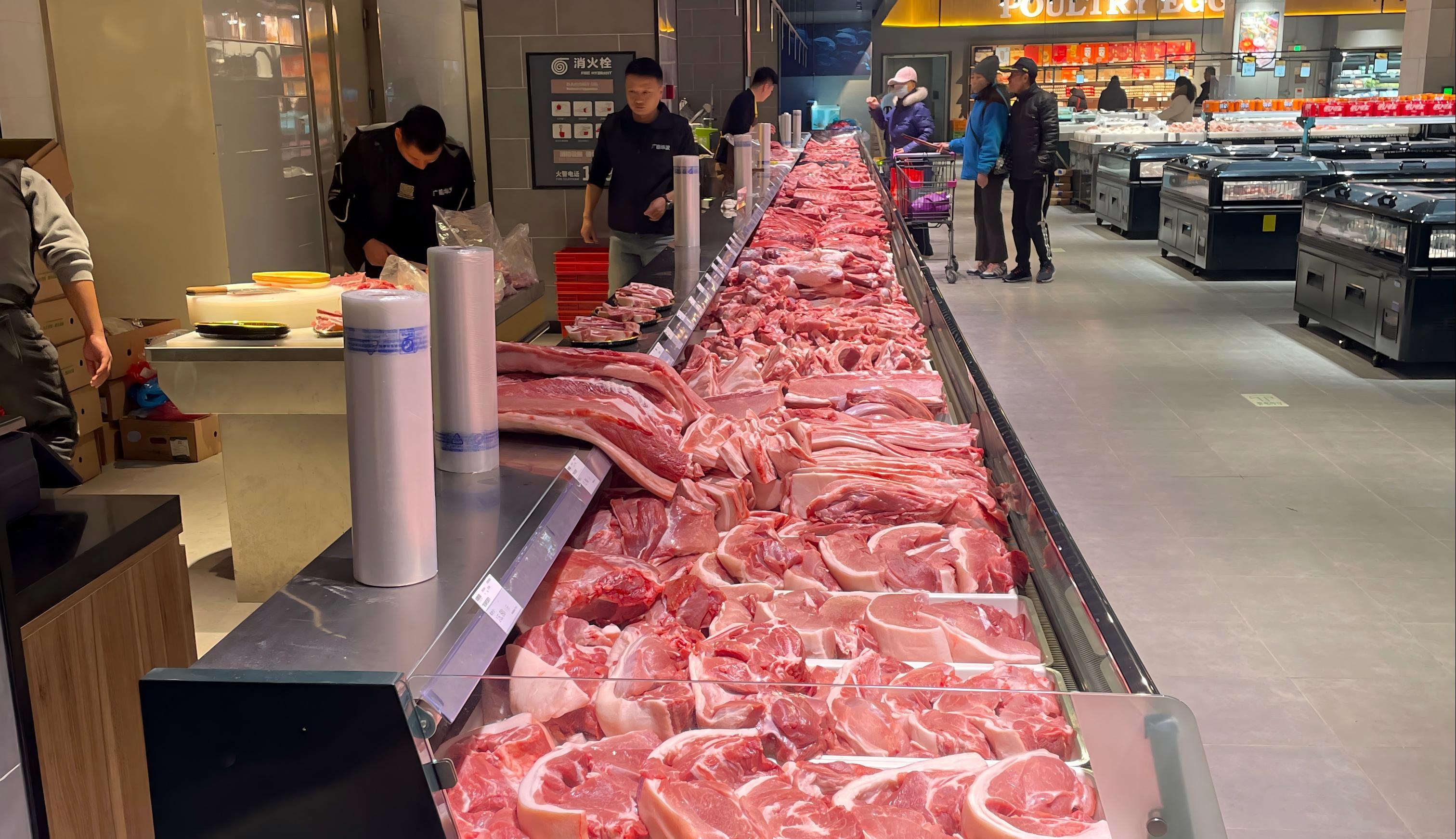
Workflow also becomes easier to organize. A restaurant group may prepare meat portions in batches, blast freeze them, and move them into frozen storage for later use. A butcher shop may freeze selected cuts for stock control. A supermarket may prepare packed meat products for promotional sales. A food factory may need consistent freezing before packing or distribution. In each case, the blast freezer supports a clear step between preparation and storage.
Capacity should be matched with real loading habits
When selecting a Blast Freezer for Meat, buyers often ask about the amount of product that can be frozen at one time. This is important, but the answer depends on more than weight. Product thickness, starting temperature, packaging type, tray spacing, target temperature, and required freezing time all affect performance. A thin meat slice freezes differently from a thick meat block. Packed meat trays freeze differently from unpacked pieces. Cooked meat products may need different handling from raw cuts.
For this reason, buyers should describe the real product form before ordering. Useful details include product type, portion size, maximum loading weight per batch, packaging method, starting temperature, desired final temperature, available space, power supply, and daily production schedule. With this information, it becomes easier to choose equipment that matches real operating conditions rather than only a general specification.
Cleaning, durability, and installation details
Meat handling environments require easy cleaning and durable materials. Interior surfaces should be practical to wipe, trays should be removable or easy to manage, and drainage or defrost-related details should be considered according to configuration. Door sealing is also important because air leakage increases energy consumption and reduces freezing efficiency. In a busy commercial kitchen or processing area, equipment may be loaded and unloaded many times each day, so hinges, handles, shelves, and racks must support frequent use.
Installation should also be planned carefully. A blast freezer needs proper ventilation, stable power supply, enough clearance for heat discharge, and convenient access for loading and maintenance. It should not be placed where hot air from cooking equipment directly affects operation. Dashang commercial refrigeration solutions focus on stable cooling performance, practical cabinet structure, and daily operating reliability. For meat processing and foodservice users, the right blast freezing equipment can help protect product quality, improve batch workflow, and support more dependable frozen storage preparation.
FAQ
What is a Blast Freezer for Meat used for?
It is used to reduce the temperature of meat products quickly before frozen storage, delivery, retail preparation, or further food processing.
How is it different from a normal freezer?
A normal freezer mainly stores already frozen products, while a blast freezer is designed for rapid temperature pull-down and faster freezing of loaded products.
What information should be confirmed before purchase?
Buyers should confirm meat type, portion size, batch weight, packaging method, starting temperature, target temperature, daily output, installation space, and power supply.
Can it improve meat quality after thawing?
Proper rapid freezing can help reduce texture damage and drip loss compared with slow freezing, but final quality also depends on raw material, packaging, handling, and thawing method.
Post time: Jul-15-2026


