
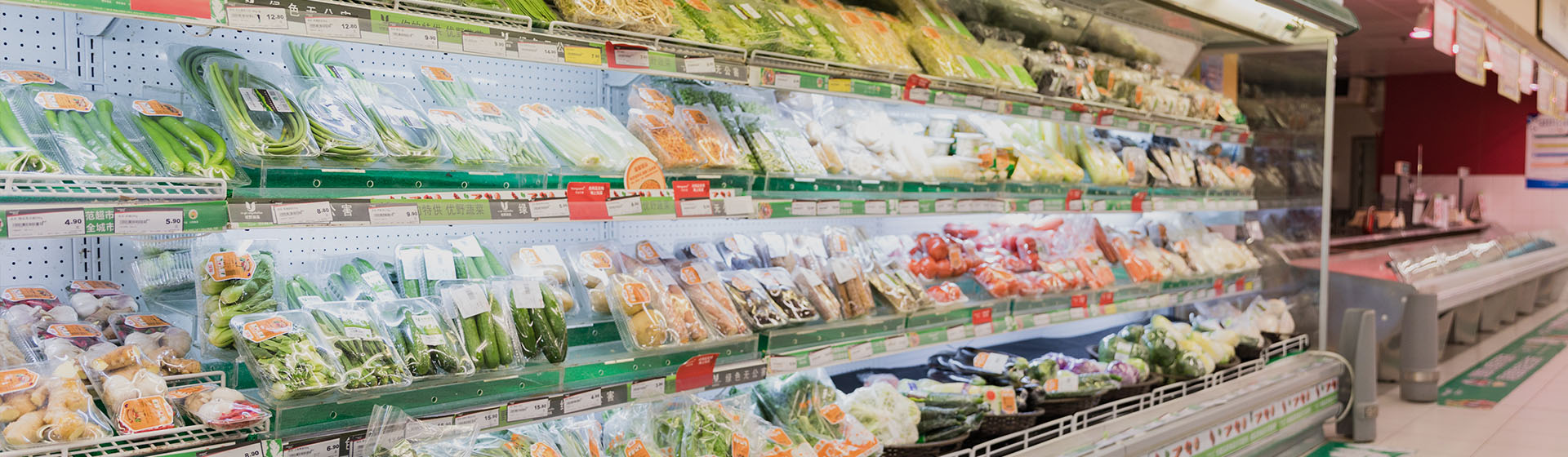
In many supermarket operations, one of the most frequent yet overlooked problems is the inconsistency of refrigeration performance across different display areas, which often leads to uneven food freshness, product shrinkage, and unstable sales performance. While retailers invest heavily in inventory and marketing, the actual cooling environment inside the store is what silently determines whether products remain attractive and safe for purchase.
Poor cooling performance is not only a technical issue but also a direct business issue that affects customer trust, product turnover speed, and overall profitability. This is why modern supermarket refrigeration equipment has become essential for solving these hidden operational challenges.
Why Do Display Areas in Supermarkets Often Have Uneven Temperature?
One of the most common problems in retail refrigeration is temperature inconsistency across different shelves or sections of the same unit, which directly affects product freshness and visual quality.
This issue is usually not caused by a single failure, but by a combination of airflow imbalance, overloading, and outdated cooling design.
● Air circulation is blocked when products are stacked too densely on shelves
● Traditional static cooling systems fail to distribute cold air evenly across vertical levels
● Frequent customer interaction causes repeated temperature disruption in open display areas
● Poor insulation design allows external heat to penetrate specific zones unevenly
● Old refrigeration systems lack real-time temperature adjustment capability
These factors create “hot spots” inside the display, where products deteriorate faster than expected.
Why Do Fresh Food Products Lose Quality Even When Refrigeration Is Running?
Many retailers assume that as long as refrigeration equipment is working, product quality will remain stable. However, in real retail environments, continuous compressor operation does not guarantee stable food preservation.
The real issue lies in airflow control and humidity balance rather than cooling power alone.
● Uneven airflow causes localized drying or condensation on packaged foods
● Fluctuating humidity levels affect texture and visual appearance of fresh products
● Temperature spikes during peak hours accelerate spoilage without visible warning
● Poor shelf design restricts proper cold air circulation around product layers
● Continuous door opening in traditional systems disrupts internal cooling balance
As a result, products may appear refrigerated but still degrade in quality before their intended shelf life ends.
Why Do Supermarkets Experience High Product Waste in Refrigerated Displays?
Food waste in retail environments is often misinterpreted as a supply chain issue, but in reality, a significant portion of loss comes from in-store refrigeration inefficiencies.
When cooling systems cannot maintain consistent conditions, products reach unsellable condition earlier than expected.
● Temperature instability shortens usable shelf life of dairy and fresh foods
● Inconsistent cooling leads to early discoloration or texture degradation
● Poor visibility of near-expiry items delays timely product rotation
● Inefficient display layout prevents effective stock management practices
● Energy-saving limitations in old systems reduce actual cooling performance during peak load
This results in increased shrinkage and reduced profit margins, even when sales volume remains stable.
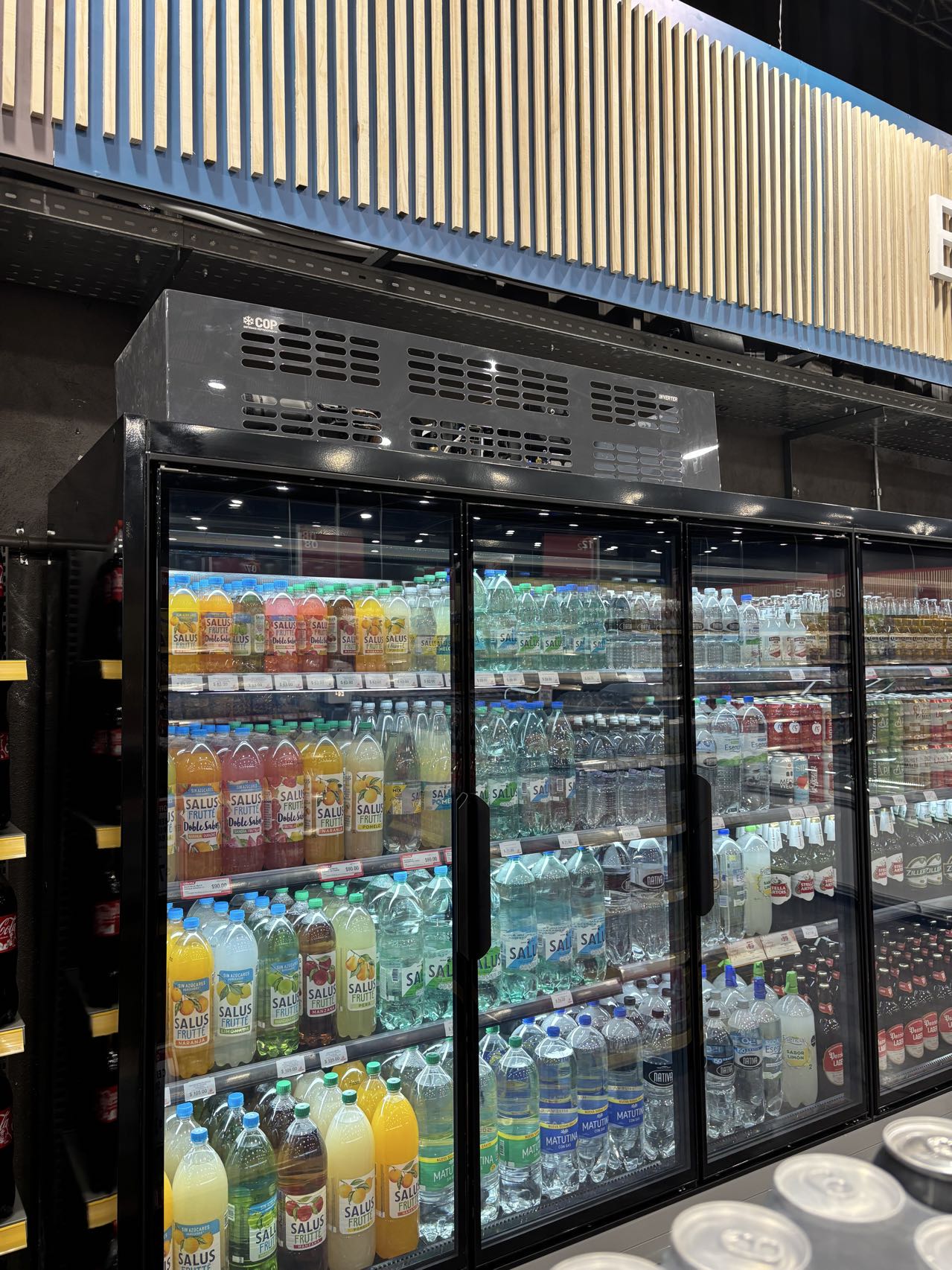
Why Do Customers Perceive Products as “Less Fresh” in Some Stores?
Customer perception of freshness is heavily influenced by visual and environmental cues rather than technical refrigeration data. Even when products are technically safe, poor display conditions can negatively impact buying decisions.
Retail environments with unstable cooling often unintentionally reduce customer confidence.
● Uneven lighting combined with inconsistent cooling makes products appear less fresh
● Frost buildup or condensation reduces visual clarity of packaged goods
● Warm spots in display areas affect beverage and dairy presentation quality
● Overcrowded shelves create visual disorder and reduce product appeal
● Inconsistent temperature zones cause visible quality differences within the same category
These visual signals directly influence whether customers trust the product enough to purchase it.
How Can Modern Refrigeration Equipment Solve These Problems?
Modern supermarket refrigeration systems are specifically designed to eliminate these inefficiencies by integrating airflow engineering, temperature zoning, and optimized display structure.
Instead of simply cooling products, these systems actively stabilize the entire retail environment.
● Multi-directional airflow systems ensure consistent cooling across all shelf levels
● Air curtain technology stabilizes temperature in open display environments
● Smart sensors continuously adjust cooling intensity based on store traffic
● Optimized shelf design allows uninterrupted air circulation around products
● High-efficiency compressors maintain stable performance under variable load conditions
This allows supermarkets to maintain both product quality and visual consistency throughout the entire business day.
Why Is Layout Design Critical for Solving Refrigeration Inefficiency?
Even advanced refrigeration systems can underperform if the store layout does not support proper airflow and product distribution. Many inefficiencies come from poor integration between equipment and space design.
● Vertical display systems improve cold air distribution efficiency
● Strategic product zoning prevents airflow blockage in high-density areas
● Open visibility layouts reduce unnecessary handling and temperature disruption
● Modular shelving allows better adaptation to seasonal product changes
● Proper spacing between product categories improves cooling balance
A well-designed layout ensures that refrigeration performance is fully utilized rather than restricted.
How Does Improved Refrigeration Directly Increase Sales Performance?
Once temperature stability and product freshness are improved, the impact on sales becomes immediate and measurable. Customers respond strongly to visual freshness and organized product presentation.
● Fresher appearance increases customer trust and purchase confidence
● Stable temperature improves product consistency across all display zones
● Better visibility increases impulse buying behavior
● Reduced spoilage ensures more products are available for sale at peak times
● Organized displays improve shopping efficiency and customer satisfaction
This creates a direct link between refrigeration quality and revenue performance.
Conclusion
Supermarket refrigeration problems are often misunderstood as equipment failures, when in reality they are usually caused by airflow imbalance, layout inefficiency, and outdated cooling design. These issues lead to uneven product quality, increased waste, and reduced customer confidence.
Modern refrigeration systems solve these challenges not by simply increasing cooling power, but by optimizing airflow, stabilizing temperature zones, and integrating display design with operational efficiency.
In today’s competitive retail environment, solving cooling inconsistency is not just a technical upgrade but a direct strategy for improving sales performance, reducing waste, and strengthening long-term customer trust.
FAQ
1. What causes uneven cooling in supermarket display refrigerators?
It is mainly caused by blocked airflow, poor shelf design, frequent temperature disruption, and outdated cooling circulation systems.
2. Why do fresh food products spoil faster in some refrigerated displays?
Because temperature and humidity are not evenly controlled, certain areas inside the display experience faster degradation conditions.
3. How does refrigeration affect supermarket food waste?
Unstable cooling reduces shelf life, increases spoilage rates, and leads to unsellable products even before expiration dates.
4. What is the most effective way to improve refrigeration performance in supermarkets?
Using modern airflow-optimized refrigeration systems combined with proper layout design and temperature zoning control.
Post time: Jun-08-2026


