
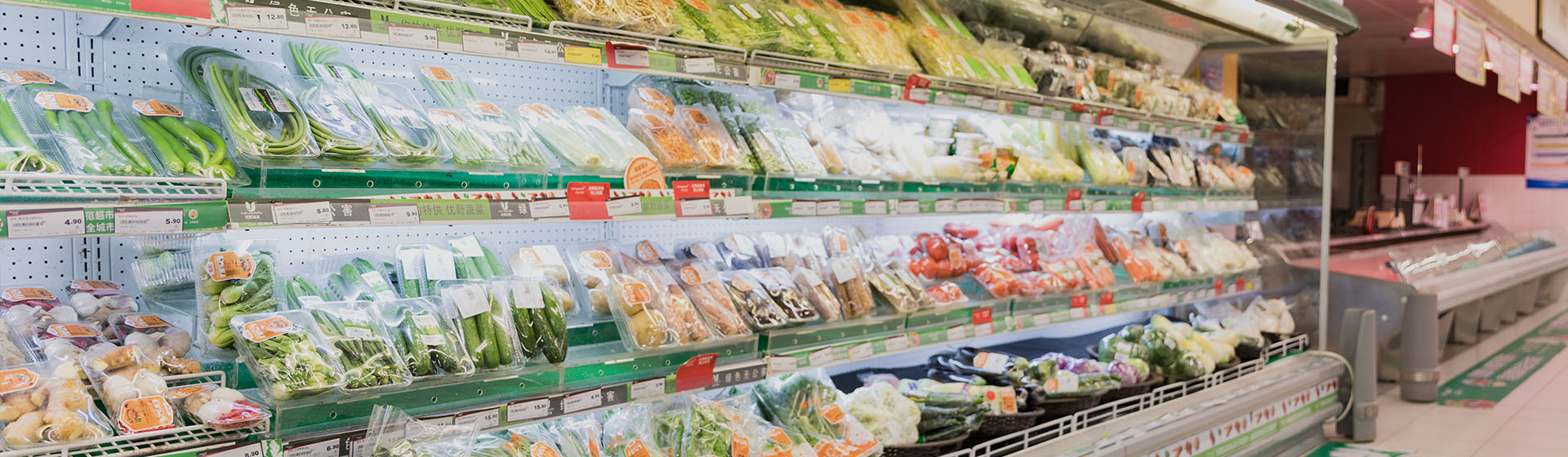
Different frozen food products require different amounts of display space. A family-size bag of frozen vegetables, a carton of ready meals, and a large package of seafood may differ significantly in dimensions, shape, and purchasing frequency. Giving every product the same amount of space can lead to overcrowded sections, poor visibility, or inefficient use of the available display area.
Understanding these differences helps retailers organize frozen food more effectively. It also provides a practical basis for planning product placement, managing stock, and choosing suitable display equipment, including a Glass Top Combined Island Freezer.
How Do Package Dimensions Affect Display Space?
Package dimensions are one of the main factors determining how much space a product needs. Frozen foods come in flexible bags, rigid cartons, trays, and other packaging formats. Each type affects how products can be arranged, stacked, and accessed. Flexible bags may adapt to different spaces, but irregular shapes can make stacking less stable. If packages are piled too tightly, products may become difficult to identify or remove. Rigid cartons are generally easier to align, although their fixed dimensions can limit the number of units that fit within a given area.
Large seafood packages and family-size frozen meals often occupy more room per unit. Even when these products sell well, their size may prevent retailers from displaying as many units as they would of smaller items. Space planning should therefore consider the physical volume of each package rather than relying solely on product counts. Package visibility also matters. Product names, flavors, weights, and images should remain easy to recognize. If packages are hidden behind larger items, customers may struggle to find what they need. Display height, package orientation, and viewing angles all influence how effectively products can be presented.
Why Do Different Frozen Food Categories Need Different Layouts?
Product categories differ in how customers select and handle them. Single-serving meals, frozen snacks, and ice cream often benefit from clear grouping because customers may compare flavors, brands, or package sizes before making a choice.
Family-size products usually require more space per unit. If several large packages occupy the same section, less room remains for other items. Retailers must balance the number of products displayed with category variety and replenishment needs. Seafood, meat, and frozen vegetables may also come in different package shapes and sizes within the same category. Applying one uniform arrangement to every item can create gaps, obstruct labels, or make some products difficult to reach. Grouping similar items together while adjusting their exact placement can improve both organization and accessibility.
Sales frequency is another important consideration. Fast-moving products may need more accessible positions and more frequent replenishment, while slower-selling products may not require as much prominent space.
How Can Retailers Estimate the Space Each Product Needs?
- Measure package dimensions: Record the length, width, and height of each product. Check whether packages can be placed flat, upright, or safely stacked according to their shape and packaging requirements.
- Estimate display quantities: Use sales patterns and replenishment frequency to determine how many units need to be accessible at a time. High sales volume may justify more display space, but not necessarily storing all available inventory in the display.
- Check product visibility: Make sure labels and key product information remain visible. Avoid placing large packages where they obstruct smaller products.
- Allow room for replenishment: Arrange products so employees can restock and reorganize them without repeatedly moving several other items.
- Review the layout regularly: Seasonal products, promotions, and changing sales patterns may require adjustments to the amount of space assigned to each category.
These steps provide a more reliable basis for space allocation than visual estimation alone. Retailers should also consider the equipment’s internal design and loading requirements, ensuring that product placement does not interfere with normal operation.
What Happens When Display Space Is Allocated Incorrectly?
Insufficient space can lead to overcrowding, excessive stacking, and mixed product categories. Customers may find it harder to identify items, while employees may need additional time to retrieve products, replenish stock, and restore the display. Excessive space allocation can be equally inefficient. If one category occupies more room than its sales performance justifies, other products may have limited visibility or insufficient display capacity.
A mismatch between inventory and display space can also create operational difficulties. Fast-selling products may run out quickly, while slow-moving items continue occupying large sections. Poor organization can increase routine maintenance as well. Employees may spend more time separating mixed categories, rearranging packages, and checking stock levels.
How Can a Glass Top Combined Island Freezer Accommodate Different Product Sizes?
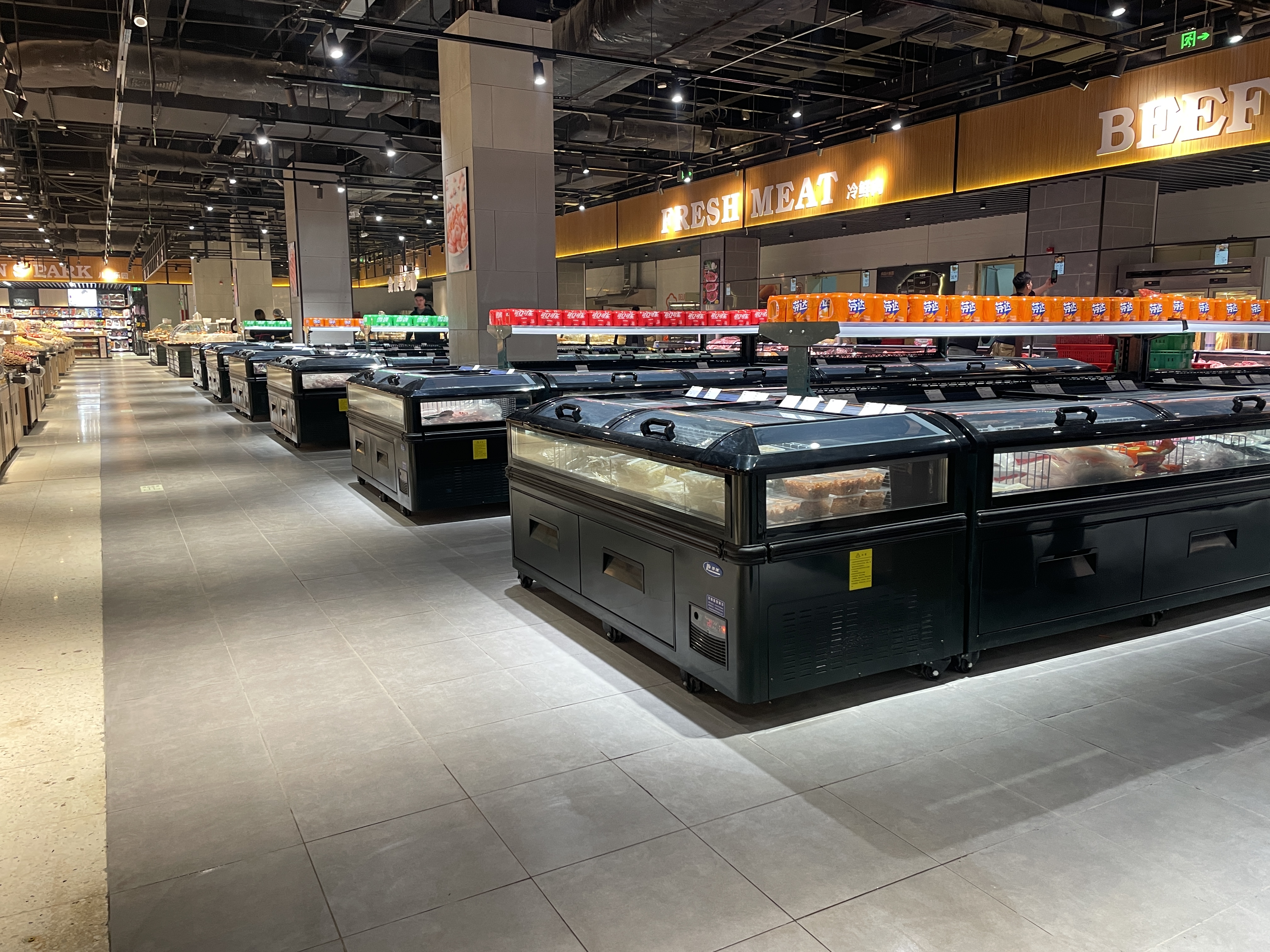
A Glass Top Combined Island Freezer can support the display of different frozen food categories in supermarkets and retail stores. Its suitability depends on the equipment’s dimensions, internal configuration, glass-top design, and the available floor space.
Retailers can organize products into sections based on package size and category, reducing the likelihood that large items will dominate the entire display. Grouping similar products together also makes it easier for customers to compare options and helps employees check inventory during replenishment. The glass top should be considered alongside the arrangement of the products underneath it. If packages are stacked too high or placed too densely, customers may have difficulty viewing individual items. A useful layout balances display capacity with clear sightlines and convenient access.
A combined configuration does not mean every section must use an identical arrangement. Product placement can be adapted to package dimensions, sales patterns, and replenishment needs. However, any changes should remain within the equipment’s specified loading conditions and operating requirements.
When Should Frozen Food Display Space Be Reorganized?
A display layout should change when the product range or store requirements change. A configuration that works well during one season may become less suitable when promotional items, new packaging formats, or different inventory levels are introduced. Retailers should review their arrangements when seasonal products require additional space, when certain items consistently sell faster than others, or when new packages no longer fit the existing layout. Frequent difficulty during replenishment can also indicate that the current arrangement needs improvement.
A Glass Top Combined Island Freezer should be organized according to both available capacity and the products being displayed. Reviewing sales records, stock availability, and replenishment patterns helps retailers determine whether a particular category needs more or less room. Instead of making frequent large-scale changes without clear evidence, retailers can adjust one section at a time and observe the results. This approach makes it easier to identify improvements while maintaining a consistent display structure.
Matching Freezer Configuration to Display Requirements
Selecting suitable display equipment starts with understanding the products it needs to accommodate. Retailers should evaluate package dimensions, product variety, expected display quantities, visibility, and available floor space together rather than focusing on capacity alone.
When considering a Glass Top Combined Island Freezer, it is useful to compare the equipment’s configuration with the store’s actual frozen food assortment and replenishment practices. Reviewing these requirements before choosing a layout can help identify a suitable arrangement for different product sizes and categories. A configuration that supports clear organization and convenient access is more practical than one designed simply to maximize the number of displayed items.
Conclusion
Different frozen foods require different amounts of display space because their packaging, dimensions, sales frequency, and handling needs vary. Effective planning balances product capacity with visibility, accessibility, and replenishment requirements. For retailers using a Glass Top Combined Island Freezer, matching the equipment configuration to the product assortment and reviewing the layout as demand changes can help create a more organized and efficient frozen food display.
FAQ
1. How can retailers prevent frozen food displays from looking overcrowded?
Group similar products together, adjust the space allocated to different package sizes, and leave enough room for customers to access products. Clear labels and practical stacking arrangements also help maintain an orderly display.
2. Should frozen food displays be arranged by product type or package size?
Both approaches can work together. Organizing products by category first and then adjusting their positions according to package dimensions helps maintain clear product grouping without wasting space.
3. How often should retailers review frozen food display layouts?
The frequency depends on sales patterns, seasonal changes, and promotional activity. Retailers should reassess the layout whenever product demand, packaging, or replenishment requirements change significantly.
4. What should retailers check before changing a freezer display layout?
They should review the equipment’s internal dimensions, loading requirements, package sizes, product visibility, and replenishment access. The revised arrangement must also comply with the equipment’s operating guidelines.
Post time: Oct-23-2026


