
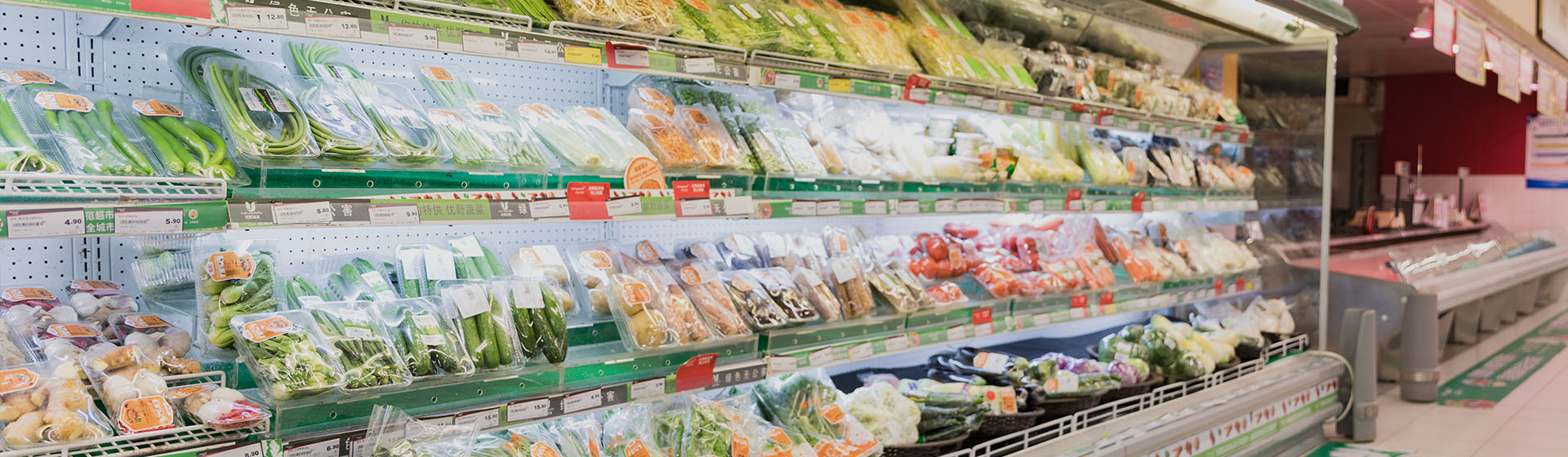
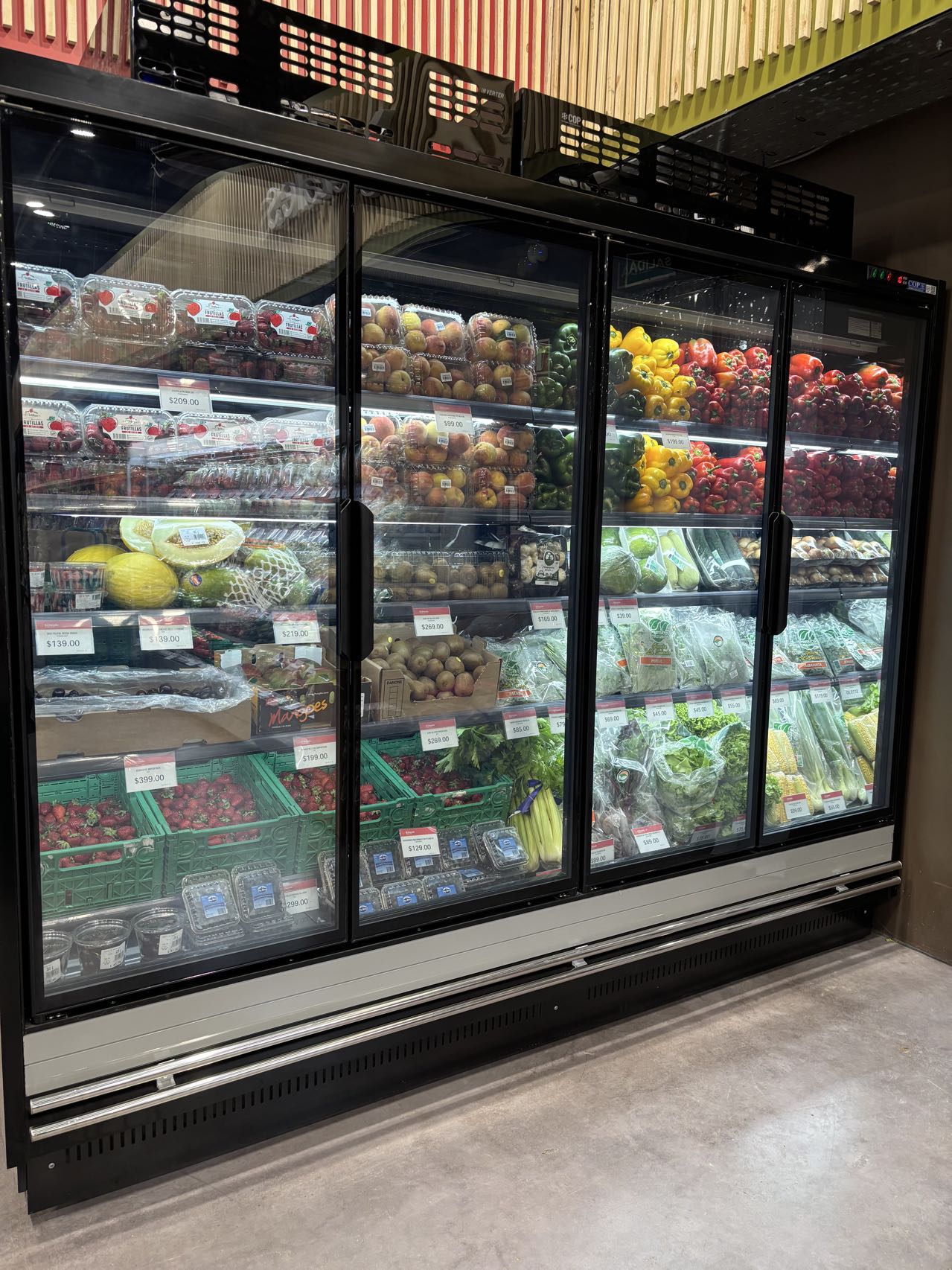
A Transparent Glass Door Cooler allows customers to view refrigerated products without opening the cabinet, making it a practical choice for supermarkets, convenience stores, beverage shops, and other retail environments. Clear glass improves product visibility, supports organized displays, and makes it easier for customers to identify items. However, maintaining this appearance over time requires more than occasional cleaning.
During daily operation, glass doors are exposed to fingerprints, dust, moisture, cleaning chemicals, and repeated contact. If these issues are not managed properly, the glass may become cloudy, streaked, or difficult to see through. Poor visibility can reduce the effectiveness of product presentation, even when the refrigeration system continues to operate normally. Understanding what affects glass clarity and how to maintain it helps retailers preserve the appearance and practical value of their refrigeration equipment.
Fingerprints and Surface Residue Gradually Reduce Visibility
Glass doors are among the most frequently touched parts of a refrigerated display cabinet. Customers may open and close them repeatedly, while employees handle the doors during restocking and cleaning. Over time, fingerprints, grease, dust, and other residues accumulate on the surface.
These marks may seem minor individually, but repeated contact can make the entire display look untidy. This is particularly noticeable in beverage stores and supermarkets where customers rely on clear product visibility to compare different brands and packaging.
Regular cleaning is the simplest way to prevent residue from building up. However, cleaning frequency should reflect actual usage rather than follow an unnecessarily complicated schedule. High-traffic retail areas may require more frequent attention than storage or low-traffic sections.
When cleaning a Transparent Glass Door Cooler, employees should use suitable glass-cleaning products and soft, non-abrasive cloths. Harsh materials, rough brushes, or unsuitable chemicals may leave scratches or damage surface treatments. Cleaning should cover the entire glass panel, including corners and edges where residue can accumulate.
It is also useful to clean door handles separately because these areas collect fingerprints more quickly and can transfer dirt back onto the glass.
Condensation and Water Marks Affect Glass Appearance
Moisture is another common reason why transparent refrigerator doors lose their clear appearance. When warm, humid air comes into contact with a colder glass surface, condensation may form. Depending on the equipment design and environmental conditions, moisture can appear on the exterior, interior, or edges of the glass.
Occasional condensation does not necessarily indicate equipment failure. However, persistent moisture can interfere with product visibility and leave water marks after evaporation.
Several conditions may contribute to this problem:
- High indoor humidity: Moist air increases the possibility of condensation forming on cold surfaces.
- Frequent door opening: Warm air enters the cabinet and changes the temperature and humidity conditions around the glass.
- Damaged door seals: Poor sealing may allow unwanted air exchange around the door.
- Unsuitable installation conditions: Temperature differences and ventilation around the cabinet can influence moisture formation.
Retailers should first identify where condensation occurs and whether it appears continuously or only under certain operating conditions. This helps distinguish normal environmental moisture from potential problems involving door seals or refrigeration components.
Some Transparent Glass Door Cooler models use heated glass or other anti-condensation designs to improve visibility in humid environments. When selecting equipment, retailers should consider whether these features are appropriate for their local climate and store conditions.
Scratches and Surface Damage Can Affect Long-Term Appearance
Unlike removable fingerprints or dust, scratches and surface damage are more difficult to correct. They may develop through improper cleaning, accidental impacts, or contact with hard objects during product handling.
For example, employees may unintentionally strike the glass with cartons, metal shelves, or restocking equipment. Repeated contact around door edges can also damage surrounding components and affect the overall appearance of the cabinet.
Preventing this type of damage requires careful handling. Products should not be pushed against the glass, and cleaning tools should be stored separately from objects that may scratch the surface.
When inspecting a Transparent Glass Door Cooler, employees should look for visible scratches, cracks, loose fittings, and damage around the door frame. Small problems should not be ignored, especially when they affect door movement or sealing performance.
Cracked glass requires prompt professional assessment. Depending on the damage and equipment design, the affected panel may need replacement rather than continued use.
Door Seals and Frame Condition Influence Display Quality
Glass clarity is only one part of the overall display experience. The condition of the door seals and frame also affects how well the equipment performs.
A door that does not close properly may allow warm air to enter the cabinet. This can contribute to condensation, temperature fluctuations, and additional operating demands on the refrigeration system. Damaged seals may also collect dirt and moisture, making the door area look poorly maintained.
Regular inspection should include the following areas:
- Door seals: Check for deformation, cracks, dirt, or gaps that prevent proper contact.
- Hinges and handles: Look for looseness, unusual movement, or visible wear.
- Glass edges: Inspect for chips, cracks, and accumulated residue.
- Door frames: Check whether dirt or moisture has collected around joints and corners.
Cleaning the seals with suitable materials helps maintain their condition. If the door no longer closes smoothly or forms a proper seal, professional adjustment or replacement may be necessary.
Lighting and Interior Organization Affect Perceived Glass Clarity
Even when the glass itself is clean, poor lighting or disorganized products can make a display appear less attractive. Reflections, uneven illumination, and excessive product stacking may reduce visibility through the door.
Lighting position is particularly important. Strong reflections from overhead lights or nearby windows can make it difficult for customers to see products clearly. Meanwhile, poorly distributed interior lighting may leave certain shelves looking darker than others.
Product arrangement also influences the visual effect. Packages should be positioned so that important product information remains visible and items do not unnecessarily block the customer’s view.
For retailers, maintaining display quality means considering the relationship between glass condition, lighting, and shelf organization. A clean Transparent Glass Door Cooler with balanced lighting and orderly products creates a more accessible shopping experience.
Routine Maintenance Helps Preserve Appearance Over Time
Maintaining clear glass doors should be part of a broader equipment maintenance routine. Instead of waiting until the cabinet looks visibly dirty or develops operational problems, retailers can establish simple inspection and cleaning procedures.
A practical routine should include regular glass cleaning, inspection of door seals, removal of moisture and residue, and checks for visible damage. Employees should also pay attention to unusual condensation, changes in door movement, or signs that the cabinet is no longer closing properly.
When choosing a Transparent Glass Door Cooler, retailers should consider more than the initial appearance of the glass. Glass construction, anti-condensation features, door design, frame materials, and ease of cleaning can all influence long-term maintenance requirements.
Equipment that is easy to access and maintain can reduce the effort required to preserve a clean display. For different retail environments, selecting an appropriate configuration is also important because humidity, customer traffic, and daily usage patterns vary between stores. Working with an experienced refrigeration equipment provider can help retailers evaluate these practical requirements before making a selection.
Conclusion
Maintaining the clarity of a Transparent Glass Door Cooler requires consistent attention to cleaning, moisture control, surface protection, and door condition. Fingerprints and dust can usually be managed through regular cleaning, while persistent condensation, damaged seals, and scratches may require further inspection or professional maintenance.
Glass visibility also depends on lighting and product arrangement. By combining proper cleaning procedures with routine equipment checks, retailers can preserve an attractive product display and support reliable daily operation over the long term.
FAQs
1. Why does the glass door of a refrigerator become cloudy?
Common causes include condensation, fingerprints, cleaning residue, dust, and surface damage. Persistent cloudiness may also require checking the glass construction and surrounding sealing components.
2. Can ordinary cleaning products be used on transparent refrigerator doors?
Not all cleaning products are suitable. Retailers should follow the manufacturer’s recommendations and avoid abrasive materials or chemicals that may damage glass coatings and surrounding components.
3. How can retailers reduce condensation on glass refrigerator doors?
They can maintain suitable indoor conditions, avoid unnecessary door opening, inspect door seals, and consider equipment with appropriate anti-condensation features.
4. When should damaged refrigerator glass be replaced?
Cracks, significant chips, or damage that affects safety and door performance should be assessed by a qualified technician. Replacement may be necessary depending on the extent and location of the damage.
Post time: Nov-03-2026


