
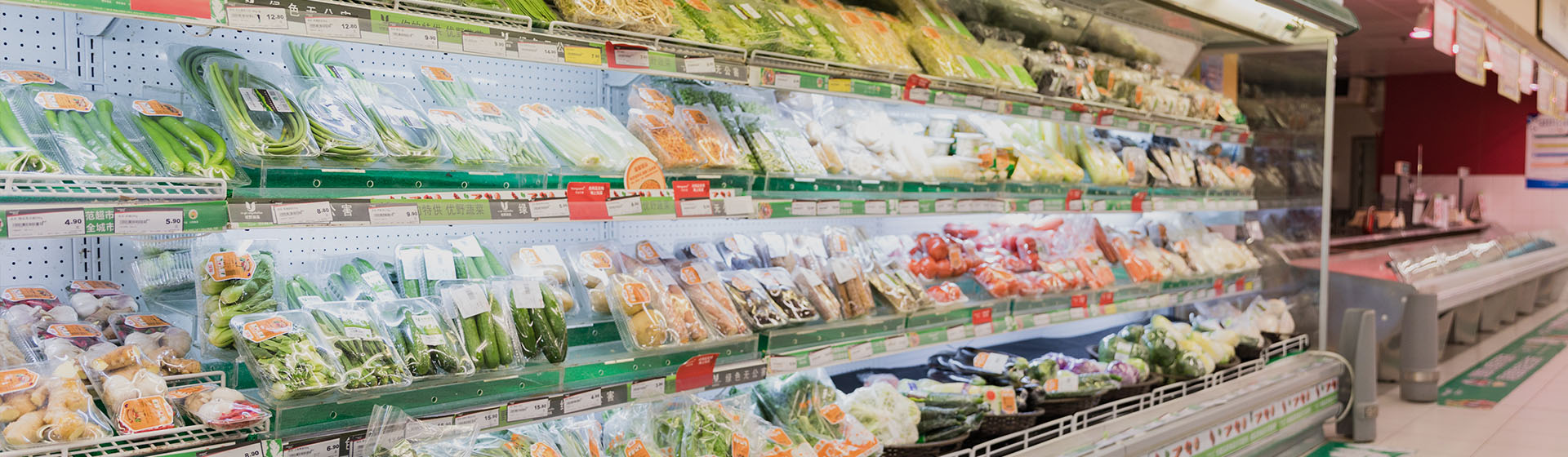
In the bustling world of delis, restaurants, and food establishments, the way products are presented plays a pivotal role in attracting customers and enhancing the overall dining experience. Deli cabinet designs have evolved tremendously over the years, merging functionality with aesthetics to create visually captivating displays of fresh meats, cheeses, salads, and more. This article explores the latest must-have trends in deli cabinet designs, highlighting innovations that are shaping the industry and setting new standards for showcasing culinary delights.
Understanding Deli Cabinets: Functionality Meets Style
Deli cabinets, also known as display cases or showcases, are refrigerated units designed to store and display perishable food items such as meats, cheeses, pastries, and salads. These cabinets serve a dual purpose: preserving the freshness of products and presenting them in an appealing manner to customers. Over time, deli cabinet designs have evolved from simple refrigerated boxes to sophisticated showcases that blend practical utility with style. Modern cabinets not only maintain optimal temperature and humidity but also act as visual merchandising tools, enhancing the ambiance of a deli or restaurant.
Key Trends Shaping Modern Deli Cabinet Designs
1. Integration of Sustainable Materials
Sustainability is becoming a critical consideration in commercial kitchen and retail design. Manufacturers are increasingly using eco-friendly materials such as bamboo, recycled glass, and biodegradable plastics to construct deli cabinets. These materials not only reduce environmental impact but also convey a brand’s commitment to sustainability—a factor that resonates with today’s environmentally conscious consumers.
● Reduced carbon footprint
● Enhanced brand reputation for eco-consciousness
● Long-lasting, durable materials for commercial use
2. Customization and Personalization
Modern delis require cabinets that reflect their unique identity. Deli cabinet designs are now highly customizable, offering options such as adjustable shelving, lighting, temperature zones, and even branded graphics. This allows delis to tailor their displays to their products and customer preferences, creating a distinctive look that enhances brand recognition.
● Optimized storage for various product types
● Consistent brand presentation
● Flexible design to accommodate seasonal or specialty items
3. Energy Efficiency and Smart Features
Energy efficiency has become a top priority for food service operators seeking to reduce operating costs. New deli cabinet designs often include LED lighting, energy-efficient compressors, and smart monitoring systems. Remote management capabilities allow staff to monitor temperature, energy usage, and cabinet performance, minimizing wastage and ensuring consistent product quality.
● Lower electricity costs
● Reduced environmental impact
● Reliable temperature control for product safety
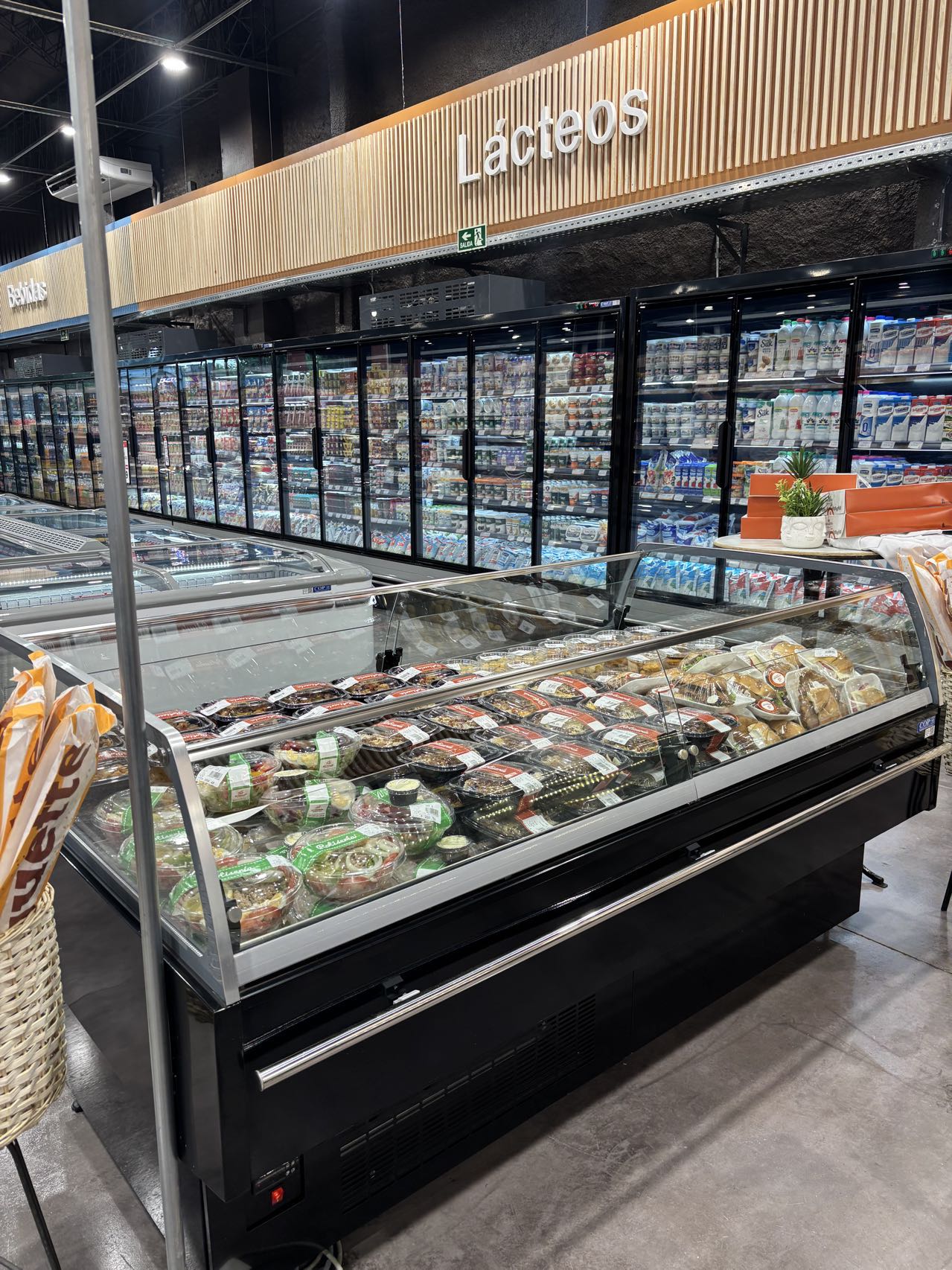
4. Ergonomic Design for Improved Accessibility
Customer and staff convenience is a key driver of cabinet design. Ergonomic features such as height-adjustable shelves, sliding doors, and easy-to-use controls enhance accessibility. This is particularly important in high-traffic delis where efficient operation can significantly improve workflow and customer satisfaction.
● Sliding or swing doors for easy access
● Pull-out trays for effortless stocking
● Height-adjustable shelving for diverse product sizes
5. Transparency and Visibility
An effective deli cabinet must prioritize visibility. Customers are naturally drawn to displays where they can clearly see the products. Glass doors, open shelving, and strategically placed lighting ensure that all items are presented at their best, emphasizing freshness and quality. Clear visibility also encourages impulse purchases and allows customers to make informed choices.
6. Multi-Functional Display Options
Versatility is a growing trend in deli cabinet designs. Manufacturers are developing cabinets with multi-functional display options, accommodating a variety of food items and serving needs. Examples include cabinets with separate temperature zones for meat, cheese, and desserts, or convertible displays that switch between hot and cold items.
● Flexible product placement
● Improved organization and efficiency
● Adaptability for diverse menu offerings
7. Interactive and Digital Enhancements
Technology is increasingly integrated into deli cabinet designs, with interactive displays, touch screens, and digital signage gaining popularity. These enhancements provide valuable product information, nutritional details, and promotions, engaging customers while improving their shopping experience. Digital features also help delis track customer interactions and preferences, enabling data-driven merchandising decisions.
● Increased customer engagement
● Enhanced information transparency
● Supports marketing and promotions directly at the point of sale
Q&A Section
Q: How can deli cabinet designs promote food safety and hygiene?
A: Cabinets with self-cleaning systems, hygienic materials, and precise temperature control ensure that products remain fresh and compliant with food safety standards.
Q: What emerging technologies are shaping the future of deli cabinets?
A: RFID tagging for inventory tracking, sensor-based temperature monitoring, and cloud-based predictive maintenance systems are revolutionizing efficiency and operational reliability.
Q: How do digital enhancements improve the customer experience?
A: Touch screens and digital signage provide detailed product information, nutritional content, and promotions, engaging customers and enhancing purchasing decisions.
Conclusion and Product Selection Recommendations
Deli cabinet designs have undergone a significant transformation, embracing trends that enhance functionality, sustainability, and aesthetics. When selecting a cabinet for your establishment, consider these key factors:
● Integration of sustainable materials to promote eco-conscious operations
● Customization options to reflect your brand identity
● Energy-efficient and smart features for cost savings and operational reliability
● Ergonomic designs for staff convenience and customer accessibility
● Multi-functional displays to accommodate diverse food offerings
● Interactive and digital enhancements to engage customers
By choosing a cabinet that incorporates these trends, delis can create visually stunning, highly functional displays that elevate the presentation of their products, improve workflow efficiency, and deliver a memorable customer experience. Staying up-to-date with innovations in deli cabinet designs ensures that your establishment remains competitive and appealing in a rapidly evolving food service industry.
Post time: Jan-26-2026


