
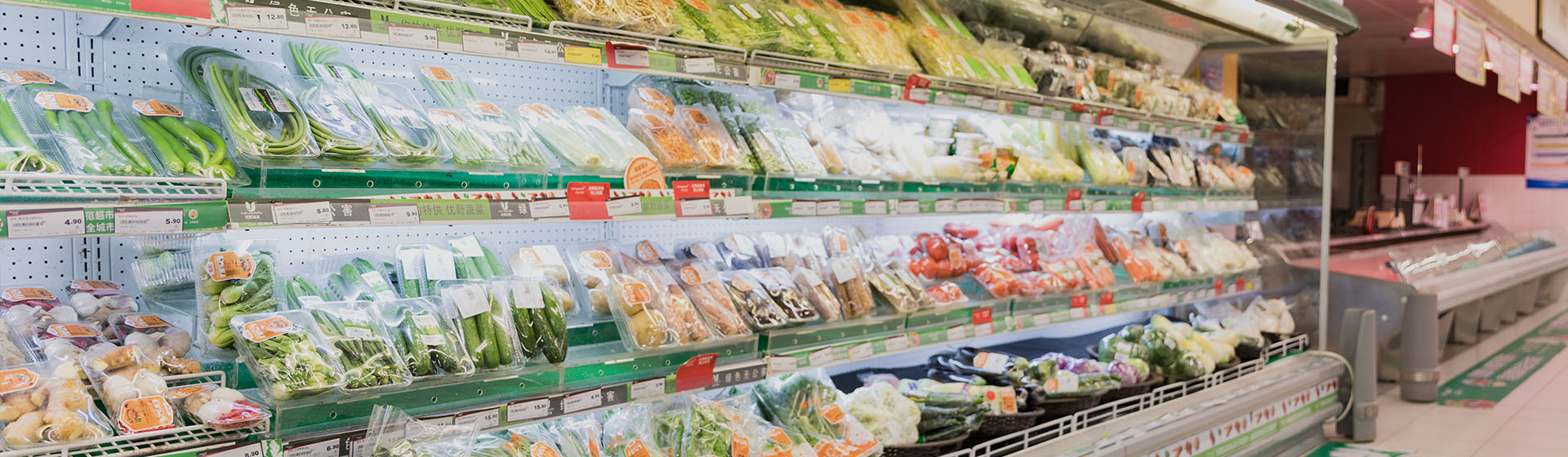
Dairy products occupy an important position in supermarket refrigeration departments. Milk, yogurt, cheese, cream, and other chilled products differ in packaging, serving formats, storage requirements, and purchasing habits. Their display needs cannot always be addressed through one uniform arrangement. A Supermarket Showcase Fridge provides a refrigerated retail space for presenting these products while allowing customers to compare brands, flavors, and package sizes.
As dairy assortments become more varied, the way products are organized inside refrigerated displays also becomes more important. Retailers need to consider the characteristics of each dairy category, how products are purchased, and how the refrigeration area connects with the rest of the store.
Different Dairy Products Require Different Display Approaches
Although dairy products share the need for refrigerated storage, their packaging and retail characteristics vary considerably. These differences influence how they should be arranged within a Supermarket Showcase Fridge.
Milk is commonly sold in bottles, cartons, and larger family-size packages. Since customers often purchase it as a regular household essential, convenient access and clear product identification are important. Grouping products by brand, fat content, or package size can make comparisons easier and help customers locate familiar options quickly.
Yogurt usually involves a wider variety of flavors, textures, and serving sizes. Individual cups, multipacks, and larger containers may all appear in the same product category. A display arrangement should make these differences easy to recognize without overcrowding the shelves. Separating single-serving products from family-size packages can also improve the overall presentation.
Cheese has a different retail structure. Sliced cheese, blocks, shredded varieties, and specialty products may require different packaging arrangements. Some products are purchased for everyday cooking, while others are selected for particular meals or occasions. A clear category arrangement helps customers distinguish between these options.
Cream, butter, and other chilled dairy products may occupy smaller portions of the display area, but they still need appropriate placement. Their position can be planned according to purchasing relationships, allowing customers to find related ingredients without searching across unrelated sections.
Matching Display Arrangements to Dairy Purchasing Habits
Milk is often part of routine grocery shopping. Customers may already know which brand and package size they want, so straightforward product grouping can make the shopping process more convenient. A Supermarket Showcase Fridge used for milk should provide clear visibility and sufficient space for commonly purchased package formats.
Yogurt purchases may involve more comparison. Customers often consider ingredients, flavors, portion sizes, and product varieties before making a decision. Keeping similar products together while making differences visible can support this process. Multipacks and individual cups should be arranged so that customers can distinguish between them without repeatedly moving other products.
Cheese purchases can be more category-oriented. Customers may look for a particular type, such as sliced cheese for sandwiches, shredded cheese for cooking, or specialty cheese for a specific occasion. Organizing these products according to their intended use can make the refrigerated section easier to understand.
These purchasing patterns suggest that display organization should reflect how products are selected, not simply how much space each category occupies. A well-planned arrangement can make the dairy section easier to navigate while helping retailers present a broader assortment.
Managing Different Packaging Formats Within One Refrigerated Area
Packaging has a direct influence on how dairy products fit into refrigerated displays. Bottles, cartons, cups, tubs, and wrapped cheese products have different dimensions and shapes. Even when products belong to the same category, their packaging may require different shelf arrangements.
For example, milk cartons can often be arranged in rows, while yogurt cups may need to be grouped according to flavor and serving size. Cheese packages may have relatively flat shapes, making them suitable for arrangements that differ from those used for bottles or tubs.
When several packaging formats share one Supermarket Showcase Fridge, retailers should consider the following points:
- Package dimensions: Shelf space should accommodate the height, width, and depth of the products without creating unnecessary gaps or unstable arrangements.
- Product visibility: Labels and product information should remain visible so customers can identify brands, varieties, and package sizes.
- Category separation: Different dairy products should have clear display boundaries to reduce confusion and make product selection easier.
- Restocking access: Staff should be able to replenish products without repeatedly disturbing neighboring items or making the display difficult to maintain.
Packaging changes also deserve attention. Dairy brands may introduce new bottle shapes, updated cartons, or different multipack formats. When these changes occur, the existing display arrangement may no longer use shelf space effectively.

Integrating Dairy Displays with Other Supermarket Sections
Dairy products are often purchased alongside other grocery items. Milk may be bought with breakfast cereals, yogurt with fruit, and cheese with bread or prepared foods. The position of refrigerated dairy displays can therefore influence how customers move between related product categories.
In a larger supermarket, the dairy section may operate as a distinct refrigerated department. It can include milk, yogurt, cheese, butter, and other chilled products in clearly defined areas. The Supermarket Showcase Fridge should fit into this arrangement while maintaining convenient access and a clear distinction between different food categories. Smaller grocery stores may use a more compact layout. In these environments, dairy products may share space with beverages, chilled meals, or other refrigerated merchandise. The display arrangement needs to make the different categories recognizable without requiring excessive floor space.
The relationship between dairy displays and other refrigeration equipment also matters. Upright refrigerators, open display cabinets, and other chilled units may serve different product categories. Their placement should account for customer access, staff movement, and the storage conditions required by each product. A coordinated refrigeration area can help prevent the dairy section from becoming disconnected from the rest of the store. Instead, equipment placement should support a logical shopping experience while keeping products within their appropriate storage environments.
Maintaining Product Quality Through Appropriate Display Practices
Dairy products are sensitive to storage conditions, and their quality depends on more than the appearance of the display. Retailers need to follow the storage requirements established for each product category and operate refrigeration equipment within its intended conditions.
Temperature management is particularly important when different dairy products share one refrigerated area. Retailers should check the equipment’s operating conditions, avoid excessive loading, and ensure that products are not arranged in ways that obstruct airflow. A display that is overloaded may become difficult to organize and may interfere with the equipment’s intended operation.
Product rotation is another important practice. New stock should be arranged so that products with earlier expiration dates remain accessible for sale first. Staff should also check packaging condition and remove damaged or unsuitable products from the display. Regular cleaning and inspection help maintain a suitable retail environment. Spills, packaging residues, and damaged containers should be addressed promptly. These procedures support product presentation and help prevent routine display operations from becoming difficult. A Supermarket Showcase Fridge can provide the necessary refrigerated display space, but appropriate operating practices and staff procedures remain essential for maintaining dairy product quality.
Selecting Display Solutions for Different Dairy Retail Environments
The most suitable refrigerated display arrangement depends on the scale of the store, the size of its dairy assortment, and the way customers purchase chilled products. A large supermarket may require several display sections for different dairy categories, while a smaller grocery store may need a more compact arrangement. Retailers should evaluate usable shelf space, product dimensions, customer access, restocking procedures, and cleaning requirements before deciding on an installation. They should also consider whether the equipment can accommodate changes in packaging and product variety over time.
Refrigeration solutions from providers such as Dashang Global can be considered when planning display arrangements for different supermarket environments. Matching equipment configuration with dairy categories and retail operating needs provides a practical starting point for creating a functional refrigerated display area.
Conclusion
A Supermarket Showcase Fridge plays an important role in presenting dairy products across different retail environments. Milk, yogurt, cheese, and other chilled products have distinct packaging and purchasing characteristics that influence their display requirements. By organizing products according to these differences and coordinating refrigeration equipment with store operations, retailers can create a more accessible and practical dairy section.
Frequently Asked Questions
1. Can different dairy products share the same showcase fridge?
Yes, provided the equipment and operating conditions are suitable for the products being stored and each category is arranged appropriately.
2. Why should yogurt and milk be displayed separately?
Their packaging, product varieties, and purchasing patterns differ. Separate groupings make products easier to identify and compare.
3. How often should dairy display arrangements be reviewed?
Retailers should review them when product ranges, packaging formats, sales patterns, or store layouts change.
4. What should retailers check before installing a dairy showcase fridge?
They should consider product categories, available space, shelf dimensions, customer access, restocking procedures, and the required storage conditions.
Post time: Oct-30-2026


