
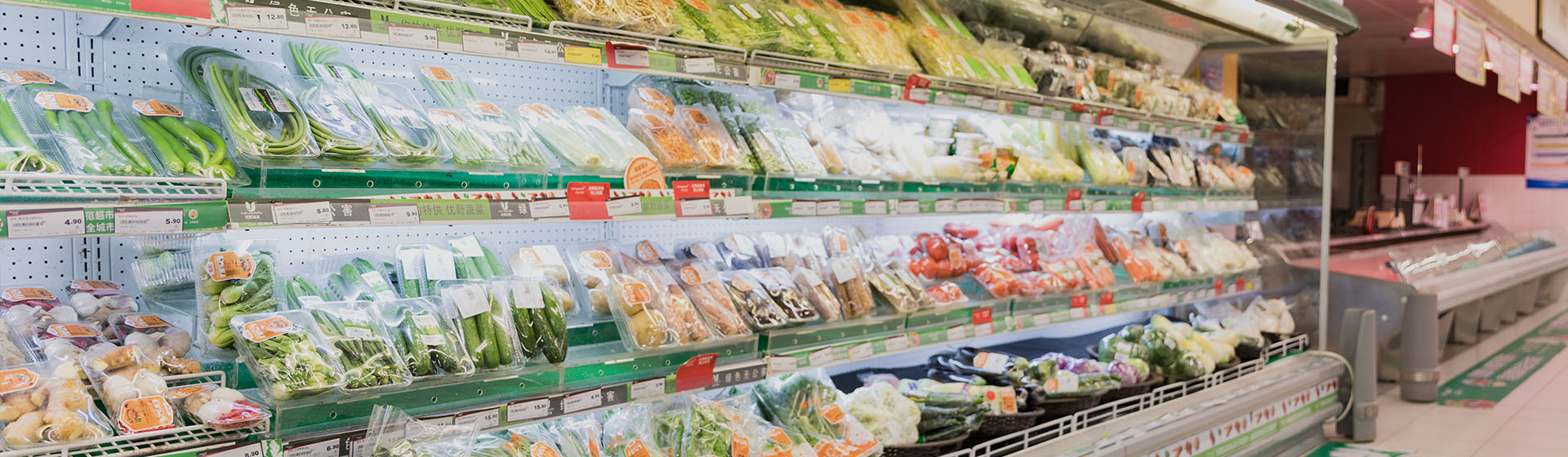
A supermarket needs more than individual refrigerators to manage chilled and frozen products effectively. Display cabinets, condensing units, and cold storage each serve a different purpose, but their performance is closely connected. If these components are selected independently, the store may face insufficient cooling capacity, inefficient space use, or unnecessary installation costs. A well-designed Supermarket Refrigeration System should match equipment capacity and configuration to the store’s product range, storage requirements, operating conditions, and available space. Understanding how the main components work together is an important step before choosing equipment.
Understand the Function of Each Component
The first step is to identify what each part of the refrigeration system needs to accomplish.
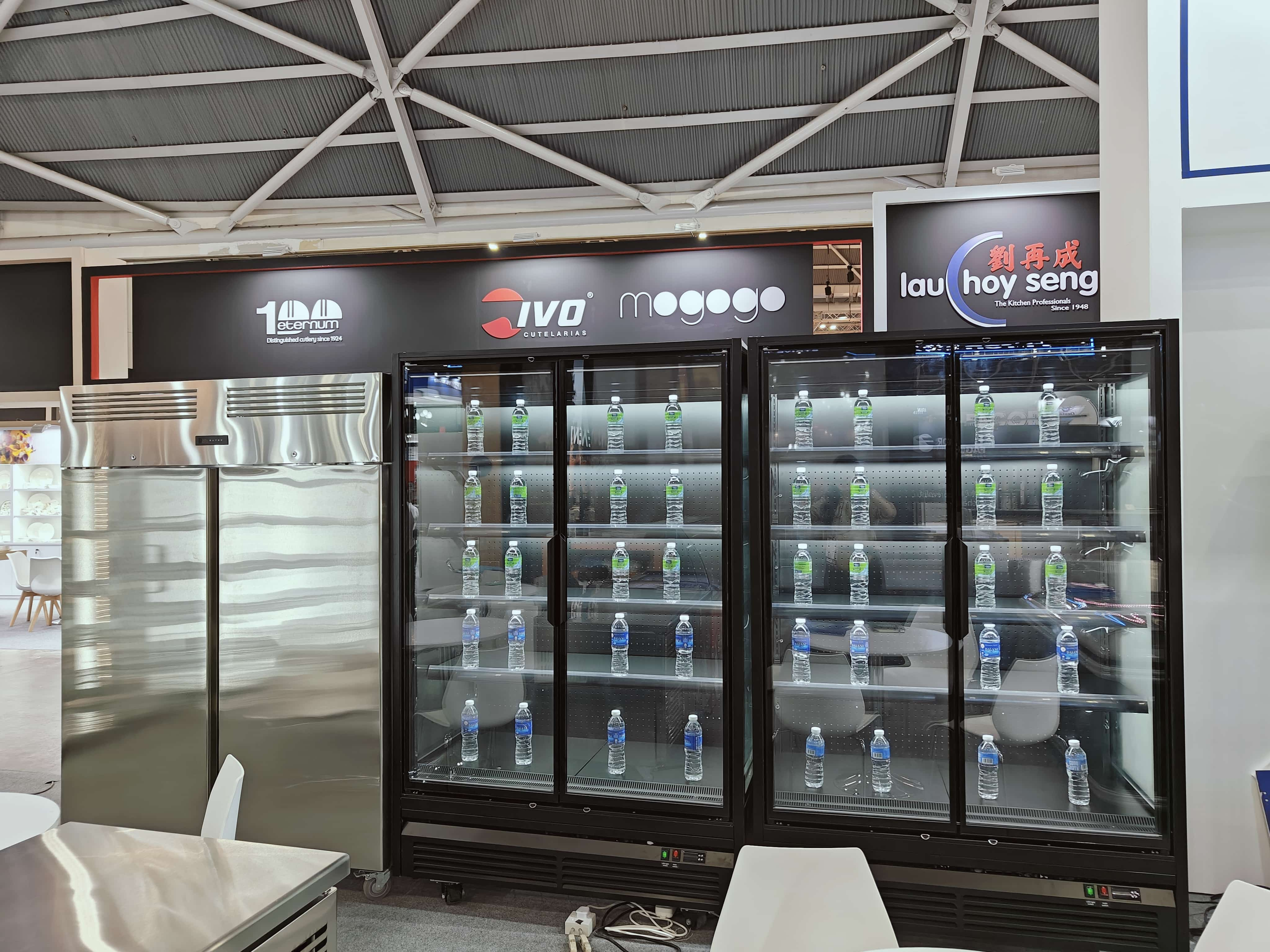
Refrigerated display cabinets keep products accessible to customers while maintaining the required storage conditions. Glass-door upright refrigerators are commonly used for packaged chilled or frozen products, while multideck cabinets support open retail displays. Island freezers provide a horizontal format for frozen food, and specialized cabinets can accommodate particular product categories.
Condensing units provide the refrigeration capacity required by connected equipment. Depending on the system arrangement, a unit may serve an individual cabinet or support several refrigeration loads. Its capacity and operating range must correspond to the equipment it serves.
Cold rooms are mainly used for inventory storage before products are transferred to the sales area. Their required capacity depends on stock volume, delivery frequency, product categories, and replenishment schedules.
These components cannot simply replace one another. Display cabinets prioritize product access and presentation, cold rooms provide storage space, and condensing units support the cooling process. Their functions should be defined before the overall configuration is determined.
Match Cold Storage Capacity with Display Requirements
Cold storage and display equipment should be planned together because products move between them during daily operations.
A supermarket may keep reserve stock in a cold room and transfer smaller quantities to display cabinets as products sell. If the cold room is undersized, staff may need to arrange more frequent deliveries or use additional storage space. If display capacity is insufficient, products may be difficult to present clearly even when enough inventory is available.
The required capacity depends on more than the store’s total product volume. Consider how quickly different categories sell, how often deliveries arrive, and how much stock needs to remain accessible to customers.
For example, packaged beverages may require frequent replenishment, while frozen products may remain in storage for longer periods. Fresh food categories may also have different handling and turnover requirements. These differences affect how much space should be allocated to reserve storage and customer-facing displays.
- Inventory volume: Estimate the quantity of chilled and frozen products that must be stored.
- Product turnover: Identify which categories require frequent replenishment.
- Display quantity: Determine how much stock should be available in the sales area.
- Handling space: Allow room for moving products between storage and display areas.
The objective is to balance storage and display capacity rather than maximize either one independently.
Calculate the Cooling Load Before Selecting Condensing Units
Choosing a condensing unit by horsepower alone can lead to an unsuitable configuration. The unit must be matched to the actual refrigeration load and the operating conditions of the connected equipment.
Cooling demand is influenced by several factors, including required temperature, cabinet dimensions, insulation, product loading, ambient temperature, door-opening frequency, and operating hours. A store with several display cabinets and a separate cold room may have a different load profile from a smaller shop with only a few refrigerated units.
Chilled and frozen applications also have different temperature requirements. Their loads should be evaluated according to the intended operating conditions rather than treated as identical.
Before confirming a condensing unit, the refrigeration load should be calculated for the equipment it will serve. The selection should consider the expected operating range and the conditions under which the system will run, not just one nominal capacity figure.
An undersized unit may struggle to maintain the required conditions during periods of high demand. An oversized or poorly matched unit can also increase initial costs and affect operating performance. Proper load assessment helps reduce both risks.
Choose Between Plug-In and Remote Refrigeration Arrangements
The refrigeration arrangement affects installation, equipment location, maintenance, and the use of sales-floor space.
Plug-in cabinets contain their own refrigeration components. They can be convenient where installation flexibility is important or where only a limited number of cabinets are required. Because the refrigeration system is integrated into the cabinet, a separate remote condensing unit and connecting refrigeration pipework are generally not needed.
Remote systems separate the display cabinet from the condensing equipment. This can help move heat-generating components away from the customer area, but it requires suitable equipment locations, piping routes, and installation coordination.
For larger projects, centralized or parallel refrigeration arrangements may be considered when multiple cabinets and storage loads need to be supported. These systems require careful planning of connected loads, controls, operating temperatures, and maintenance access.
There is no single arrangement suitable for every supermarket. The decision should reflect the number and type of cabinets, store layout, installation conditions, expected cooling demand, and long-term service requirements.
Separate Chilled and Frozen Temperature Requirements
A supermarket may handle dairy products, beverages, fresh meat, vegetables, and frozen food within the same building. However, these categories should not automatically share one refrigeration configuration.
Chilled and frozen products require different operating temperature conditions. Some fresh-food categories may also have specific storage requirements depending on the product and its packaging. Equipment should therefore be selected according to the intended application rather than grouped together simply because all products need refrigeration.
Creating appropriate temperature zones helps clarify which cabinets, cold rooms, and refrigeration units are required. It also makes system planning and maintenance more straightforward because each equipment group has a defined purpose.
Product movement should be considered as well. Refrigerated storage cannot compensate for unsuitable handling or prolonged exposure during replenishment. Staff procedures and equipment capacity need to work together to maintain product conditions.
Plan Installation and Maintenance Before Finalizing the Layout
Equipment selection is only part of the project. The installation layout can affect whether the system is practical to operate and maintain.
Display cabinets need enough room for customer access, product replenishment, and servicing. Remote condensing units require suitable ventilation and access for inspection. Cold rooms need practical loading areas, while refrigeration piping must follow an installation route that suits the building and equipment arrangement.
Electrical supply, drainage where required, ventilation, and equipment access should also be reviewed before installation. If these conditions are overlooked, the project may require layout changes or additional work after equipment has been delivered.
Maintenance access is particularly important. Technicians may need to inspect compressors, fans, electrical controls, and other refrigeration components. Equipment placed in restricted areas can make routine service more difficult and increase downtime when repairs are needed.
Review the Complete Configuration Before Ordering
A Supermarket Refrigeration System should be evaluated as one connected arrangement, not as a list of separate products. A display cabinet may meet its individual requirements but still be unsuitable if its cooling arrangement does not match the selected condensing equipment or the available installation space.
| Evaluation area | Details to confirm |
|---|---|
| Product categories | Chilled, frozen, and special storage requirements |
| Display equipment | Cabinet types, quantities, and operating conditions |
| Cold storage | Required volume, temperature zones, and access |
| Condensing units | Cooling load, operating range, and system arrangement |
| Installation | Equipment location, piping, power, and ventilation |
| Maintenance | Inspection access and servicing requirements |
Providing this information early helps clarify the system requirements and reduces the risk of selecting incompatible equipment.
Find a Suitable Refrigeration Configuration for Your Store
A reliable Supermarket Refrigeration System depends on coordination between display equipment and the refrigeration units supporting it. Dusung offers commercial refrigeration products for retail applications, including display cabinets, island freezers, and refrigeration units. Sharing the store layout, product categories, required temperature zones, estimated cooling demand, and installation conditions can help identify a suitable equipment configuration for the project.
Conclusion
Display cabinets, condensing units, and cold storage perform different functions, but they must be planned together. Storage capacity, cooling load, temperature requirements, installation conditions, and maintenance access all influence the final configuration. Evaluating these factors before ordering helps supermarkets avoid equipment mismatches and build a refrigeration system that supports daily operations.
FAQs
1. What Information Is Needed to Configure a Supermarket Refrigeration System?
Provide the store layout, product categories, required temperatures, estimated storage volume, and installation conditions. These details help determine suitable equipment types and cooling capacity.
2. What Happens If Refrigeration Equipment Is Not Properly Matched?
Mismatched equipment may cause insufficient cooling, unstable operation, or higher energy consumption. Matching cooling loads with equipment capacity helps reduce these risks.
3. Should Supermarkets Consider Future Expansion When Selecting Refrigeration Equipment?
Yes. Allowing space for additional cabinets, cold storage, and supporting equipment can make future expansion easier. The increased cooling load must also be evaluated.
4. How Can Supermarkets Reduce Refrigeration Problems During Peak Hours?
Avoid overloading cabinets, keep air circulation paths clear, and monitor operating temperatures. Regular maintenance also helps identify potential problems early.
Post time: Nov-26-2026


