
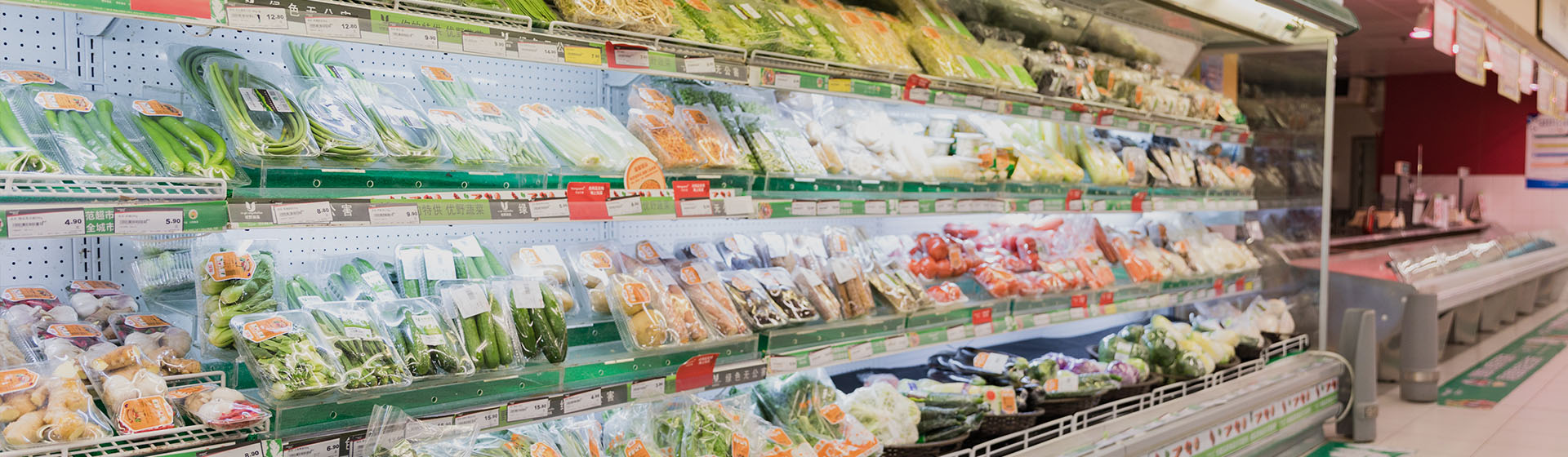
In the retail food industry, cold storage plays a vital role in maintaining product freshness, increasing shelf life, and ensuring food safety. A supermarket freezer is one of the most critical refrigeration units in grocery stores, convenience centers, hypermarkets, and frozen food retail chains. It provides precise temperature control, efficient cooling, and optimized display layouts to support high-volume merchandise selling. As consumer demand for frozen products continues to increase, the need for reliable and high-performance supermarket freezers has become more important than ever.
For retailers and equipment buyers, choosing the right freezer configuration directly influences product preservation, energy consumption, store layout, and operating cost.
What Is a Supermarket Freezer?
A supermarket freezer is a commercial-grade refrigeration unit designed for storing and displaying frozen foods in supermarket environments. It is engineered for continuous operation with constant temperature maintenance and long-lasting reliability.
Supermarket freezers are commonly used for:
• Frozen meats and seafood
• Ice cream and frozen desserts
• Vegetables, fruits and ready-to-eat meals
• Frozen snacks and packaged foods
• Dairy and beverages requiring low-temperature storage
Unlike standard fridges, supermarket freezers are optimized for storage, display and customer interaction.
Key Advantages of a Supermarket Freezer
Supermarket freezers deliver numerous performance and commercial benefits.
1. Reliable and high-capacity freezing
• Continuous cooling at low temperatures
• Rapid freezing and efficient temperature recovery
• Designed for high product turnover
2. High energy efficiency
Modern freezers incorporate:
• Energy-saving compressors
• High-quality insulation
• LED lighting and optimized airflow
These features help reduce operational costs and energy consumption.
3. Improved product visibility and merchandising
Supermarket freezers come in display-friendly formats that help increase product sales:
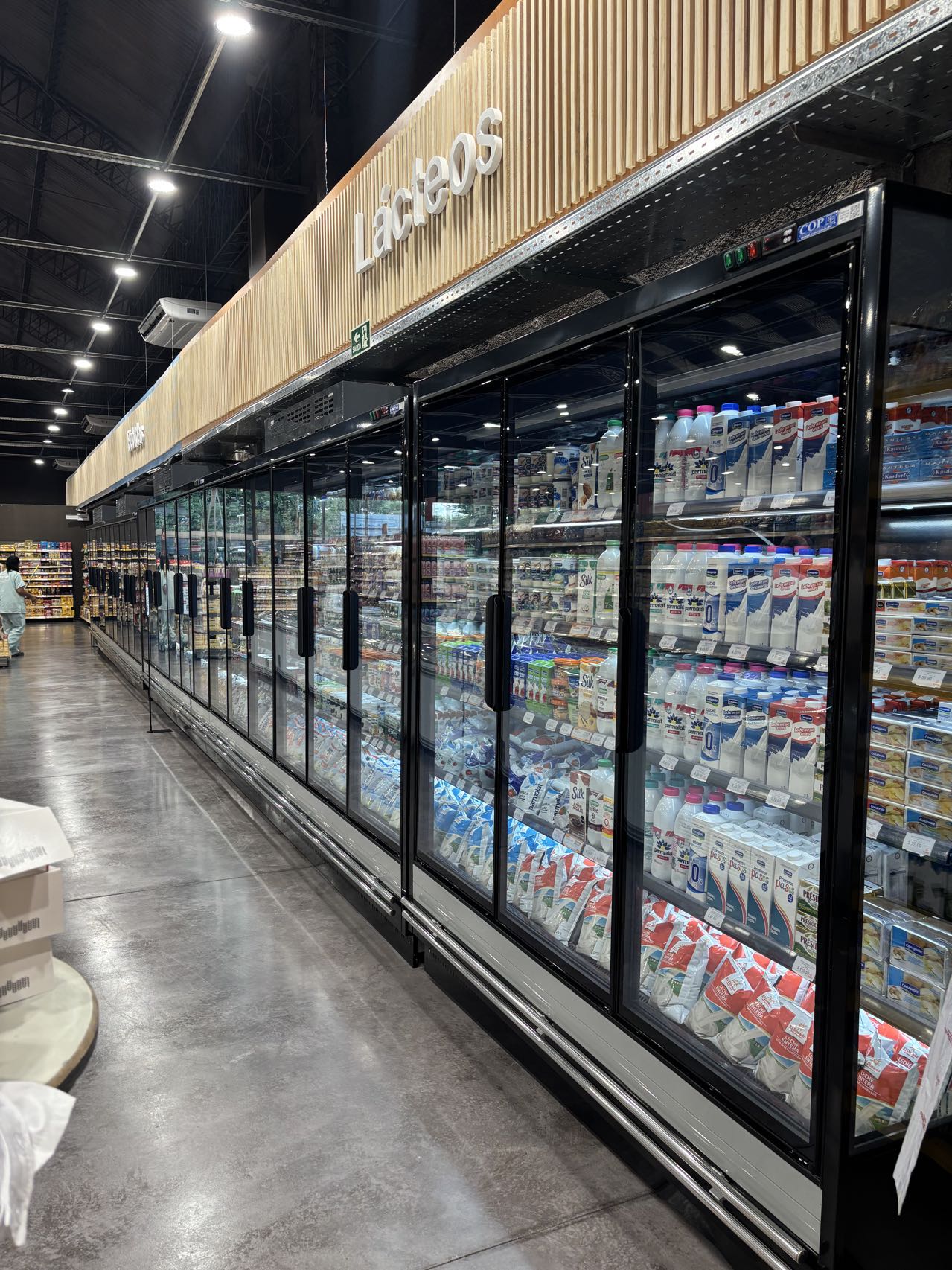
• Glass doors and clear window design
• Ergonomic layout for easy selection
• Multiple display shelf options
Display optimization is now a key part of freezer design.
4. Long-term durability and heavy-duty use
Freezers are built to operate 24/7 and withstand frequent opening, high load capacity and retail conditions.
Types of Supermarket Freezers
There are several freezer configurations available for different store layouts and product types.
• Upright glass-door freezers
• Island freezers
• Chest freezers
• Multideck display freezers
• Walk-in freezers
• End-cap promotional freezers
Each type supports different retail strategies and space optimization.
Key Applications in Retail
Supermarket freezers are essential in:
• Large retail chains and grocery stores
• Frozen food aisles and display corners
• Convenience stores and mini-markets
• Cold-chain logistics and food preparation stations
• Central kitchens and distribution warehouses
They maintain consistent low temperature for products with strict freezing requirements.
Technical Features of Modern Supermarket Freezers
Advance freezer units often include:
• Fan-forced cooling
• Digital temperature control
• Anti-fog glass doors
• LED internal illumination
• Automatic defrost
• High-efficiency refrigeration compressors
These features improve usability, reliability and long-term maintenance.
Why Supermarket Freezers Matter for B2B Buyers
For commercial operators and equipment managers, freezers are strategic infrastructure rather than basic appliances. The right selection affects:
• Product quality and shelf life
• Store layout and purchasing behavior
• Regulatory compliance for food safety
• Operating and maintenance costs
• Inventory management and merchandising
Freezers are central to business performance in frozen food retail.
Supermarket Freezer vs Household Freezer
Advantages of supermarket freezers:
• Higher cooling capacity
• Optimized for retail display
• Designed for continuous operation
• Sustainable storage performance
Limitations:
• Higher initial costs
• Requires professional installation
Despite this, supermarket freezers provide long-term financial and operational benefits for retailers.
Key Considerations When Choosing a Supermarket Freezer
When selecting a unit, buyers typically evaluate:
• Capacity and internal layout
• Temperature control accuracy
• Freezer type and display configuration
• Glass vs solid doors
• Energy efficiency level
• Space and installation conditions
• Noise and compressor quality
• Defrosting mechanism and maintenance
Proper selection ensures that freezers meet daily operational requirements and last longer.
Market Trends and Future Outlook
Global adoption of supermarket freezers is rapidly increasing due to:
• Growth of frozen food consumption
• Expansion of convenience retail and supermarkets
• Advanced cold-chain systems
• Sustainability and energy-efficient refrigeration
• Growth in e-commerce and grocery delivery sectors
IoT-enabled freezers and smart temperature monitoring systems are becoming industry standards.
Conclusion
A supermarket freezer is a fundamental refrigeration solution that supports food preservation, retail display and business efficiency. With advanced cooling technology, energy-saving components and high-visibility design, supermarket freezers help retailers improve product sales, customer experience and operational performance. For B2B purchasers and retail operators, selecting the right freezer ensures long-term reliability, lower energy bills and optimized store management.
FAQ
1. What products are stored in supermarket freezers?
Frozen meat, seafood, desserts, vegetables, beverages and packaged snacks.
2. Do supermarket freezers require professional installation?
Yes. Due to size and cooling requirements, installation is typically handled by specialists.
3. Are supermarket freezers energy-efficient?
Modern models are designed with energy-saving compressors and optimized cooling systems.
4. What factors are important when choosing a supermarket freezer?
Capacity, temperature range, display format, energy efficiency and installation space.
Post time: Dec-01-2025


