
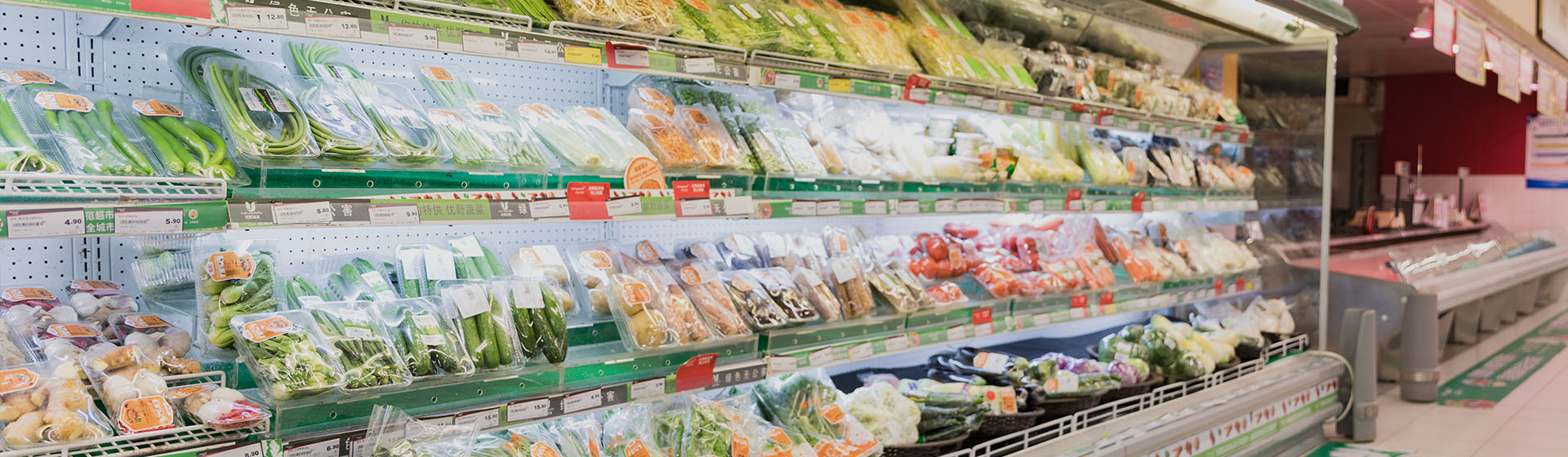
A supermarket display refrigerator needs to do more than keep products chilled. It must also support organized product presentation throughout the day, even when shelves are frequently replenished, rearranged, or cleaned. Poor restocking practices can affect product visibility, internal airflow, and temperature stability. The cabinet’s design and the way it is used both influence daily performance. Understanding this relationship helps stores maintain an attractive display, simplify replenishment, and protect refrigerated products.
How Restocking Affects Display Performance
Restocking is a routine task, but it can influence the operating conditions inside a display refrigerator. Opening a cabinet allows warm air to enter and cold air to escape. In open display cabinets, placing products incorrectly may also interfere with the airflow that helps maintain the refrigerated display area.
The impact depends on the cabinet structure, restocking frequency, quantity of products added, and time spent completing each operation. Leaving doors open for extended periods or loading large quantities at once can make temperature management more difficult.
Product presentation may also become inconsistent. Shelves can look overcrowded, labels may face different directions, and older products may become hidden behind newly added stock. These problems affect both the appearance of the display and the efficiency of daily store operations.
An effective restocking process should therefore balance three priorities: temperature control, product visibility, and convenient access.
Prepare Products Before Opening the Cabinet
Preparing products in advance is a practical way to reduce unnecessary cabinet opening. If staff need to sort, check, or locate products while a refrigerator door remains open, replenishment takes longer and more warm air can enter the cabinet.
Before restocking, products should be grouped according to category, package size, and storage requirements. Staff can then identify the appropriate shelf positions and replenish each section in a planned sequence.
For glass-door upright refrigerators, organizing products by category makes frequently replenished items easier to locate. In open multideck displays, staff should understand the shelf arrangement and avoid placing products where they obstruct the air outlets.
Preparation also reduces repeated product handling. Rather than moving items between shelves several times, staff can estimate the quantities needed and complete replenishment more efficiently.
Keep Shelf Loading Balanced and Protect Airflow
The number of products a cabinet can hold is not the only measure of its usable capacity. Product placement also affects visibility, accessibility, and cold-air circulation.
Overloading shelves may block air outlets or return-air openings, depending on the cabinet design. Restricted airflow can contribute to uneven cooling conditions. Products packed too tightly may also become difficult to identify and remove.
A practical loading arrangement should consider the following points:
- Product spacing: Follow the cabinet’s loading guidance and leave the required clearance around airflow openings.
- Shelf positioning: Use adjustable shelves, where available, to accommodate different package heights and make better use of vertical space.
- Product visibility: Keep labels and product fronts visible so customers can identify items without moving other products.
- Loading limits: Avoid placing products beyond designated shelf areas or recommended loading lines.
The goal is not to fill every available space. A balanced arrangement supports easier replenishment, clearer product presentation, and more consistent airflow.
Adjust Restocking Methods to Different Cabinet Types
Different supermarket display refrigerators require different replenishment methods. Door structures, shelf arrangements, and cooling designs determine how products should be handled.
Glass-door upright refrigerators have an enclosed display area. Staff need to open the doors during replenishment, so preparation and efficient door operation are important. Frequently accessed products can be placed in convenient positions, while different categories can be arranged by shelf level. Door gaskets and closing mechanisms should also be checked to ensure that doors close properly after use.
Open multideck refrigerators provide direct access without requiring customers to open doors. However, the air curtain must remain unobstructed. Products should not extend beyond the recommended loading line or block air outlets. Restocking should be organized to minimize unnecessary disruption to the display area.
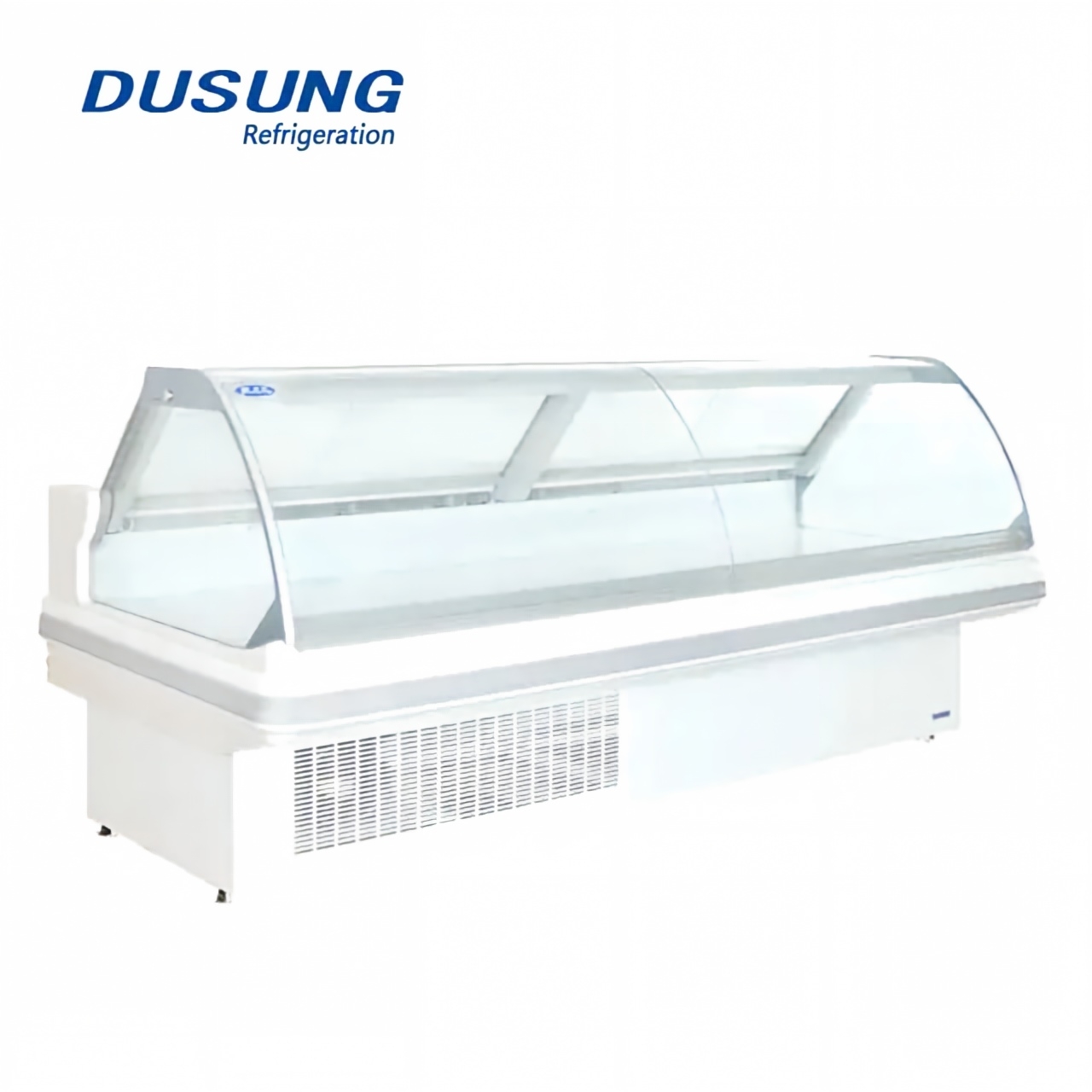
Island freezers are commonly used for frozen products and often feature top-access lids. Staff should avoid keeping lids open longer than necessary. Grouping products by category and keeping frequently replenished items accessible can make daily handling more efficient.
These differences mean that one replenishment method cannot suit every Supermarket Display Refrigerator. Daily procedures should reflect the cabinet’s structure and intended application.
Use Product Rotation to Maintain Shelf Organization
Restocking should involve more than adding new products. It should also support stock rotation so that older inventory does not remain hidden behind recently delivered items.
A first-in, first-out approach is useful for many refrigerated products. Before adding new stock, staff should check existing products and arrange items with earlier use-by dates for priority selection, where appropriate for the product and its storage requirements.
Without proper rotation, new products may be placed in front of older stock, making some items difficult to identify. This can increase handling and complicate inventory checks.
A consistent rotation process should include:
- Checking existing products before replenishment.
- Identifying items that require priority use or removal based on their dates and condition.
- Keeping product categories in their designated shelf areas.
- Reviewing the display after replenishment to correct empty spaces or overcrowded sections.
These steps help improve stock visibility and maintain a more consistent display throughout the day.
Maintain Components That Support Daily Operation
Regular inspection is important for refrigerators that are opened, loaded, and cleaned frequently. Some cabinet components have a direct influence on cooling performance and the convenience of daily handling.
For glass-door models, door gaskets should remain clean and properly positioned. Damaged or poorly fitted seals may allow unwanted air exchange. Hinges and closing mechanisms should also be inspected if doors do not close smoothly.
For open display cabinets, air outlets and return-air areas must remain clear. Dust around accessible ventilation areas can affect airflow, while incorrectly positioned products may obstruct the intended circulation path.
Other maintenance tasks include cleaning shelves and interior surfaces, keeping condenser and ventilation areas free from excessive dust, and checking temperature displays. Doors, lids, and other frequently operated components should also be inspected for signs of wear.
Following the equipment’s maintenance instructions helps preserve its intended operating performance and reduces the risk of minor problems disrupting daily display activities.
Evaluate Display Refrigerators for Daily Restocking Needs
When selecting a Supermarket Display Refrigerator, appearance and nominal storage capacity should not be the only considerations. The cabinet should also support the way products are replenished, accessed, and displayed.
| Evaluation factor | What to examine | Practical value |
|---|---|---|
| Door or lid structure | Opening area and closing performance | Supports convenient replenishment and cold-air retention |
| Shelf arrangement | Adjustable levels, usable depth, and loading guidance | Helps organize products and improve accessibility |
| Airflow design | Air outlets, return-air positions, and loading limits | Helps maintain appropriate air circulation |
| Display format | Upright, open multideck, or island configuration | Matches different product categories and store areas |
| Maintenance access | Ventilation and service component accessibility | Simplifies cleaning and routine inspection |
The right configuration depends on the products being displayed, expected restocking frequency, and available store space. A cabinet intended for packaged beverages may not be suitable for fresh food or frozen products. Matching the display format to the application helps prevent operational difficulties after installation.
For stores planning new refrigerated displays or upgrading existing equipment, Dusung offers commercial refrigeration solutions including glass-door upright refrigerators, open display cabinets, island freezers, and other supermarket refrigeration equipment. Providing information about product categories, required capacity, installation space, and operating conditions can help identify a suitable configuration.
Conclusion
Consistent product presentation depends on both cabinet design and daily operating practices. Preparing products before replenishment, loading shelves appropriately, rotating stock, protecting airflow, and maintaining key components all contribute to effective supermarket refrigeration. By adapting restocking procedures to the cabinet structure, stores can maintain organized displays while supporting reliable refrigerated storage.
FAQs
1. How often should a supermarket display refrigerator be restocked?
There is no universal schedule. Restocking frequency depends on sales volume, product type, available inventory, and display capacity. Regular stock checks help determine when replenishment is needed.
2. Can overloading a display refrigerator affect cooling performance?
Yes. Excessive loading may block airflow openings or interfere with the cabinet’s intended air circulation. Products should be arranged according to the manufacturer’s loading recommendations.
3. Is restocking different for open and glass-door display refrigerators?
Yes. Glass-door models require attention to opening time and proper door closure. Open displays require careful product placement to avoid obstructing the air curtain and airflow openings.
4. Why is product rotation important in refrigerated displays?
Product rotation helps prevent older stock from being overlooked, improves inventory visibility, and keeps shelf arrangements organized.
Post time: Nov-24-2026


