
In the fast-paced retail sector, maintaining product quality and maximizing storage efficiency are critical for supermarket success. A supermarket chest freezer plays a pivotal role in preserving frozen goods, reducing spoilage, and supporting high-volume inventory management. Choosing the right chest freezer can significantly impact operational costs and customer satisfaction.
Advantages of Using a Supermarket Chest Freezer
Supermarket chest freezers are designed to meet the rigorous demands of retail environments. Their benefits extend beyond simple cold storage, providing both operational and financial advantages.
● Enhanced Energy Efficiency – Modern chest freezers use advanced insulation and energy-saving compressors, reducing electricity consumption while maintaining consistent temperatures.
● Optimal Storage Capacity – With wide, deep storage spaces, chest freezers can accommodate bulk products, making them ideal for high-turnover items like frozen meats, seafood, and ice cream.
● Extended Product Shelf Life – By maintaining a stable, low temperature, chest freezers slow the deterioration of perishable items, minimizing food waste.
● Versatile Organization – Adjustable baskets and dividers allow for organized storage, making it easier for staff to manage inventory and reduce product handling time.
● Durability and Reliability – Built to withstand frequent opening and high-volume use, commercial chest freezers ensure long-term performance with minimal maintenance.
Key Features to Consider for Supermarket Use
Selecting the right chest freezer requires careful attention to features that align with store operations and product types.
● Temperature Control and Monitoring – Digital thermostats, alarms, and remote monitoring ensure that products remain at the optimal temperature at all times.
● Door and Lid Design – Sliding or hinged lids with secure seals help retain cold air, reduce energy loss, and provide easy access for staff.
● Interior Lighting – LED lighting improves visibility inside the freezer, aiding quick stock identification and reducing operational errors.
● Size and Capacity Options – Chest freezers are available in various sizes, from compact units for limited floor space to large units capable of holding thousands of products.
● Frost-Free Technology – Some models include automatic defrosting, reducing maintenance and ensuring the freezer operates at peak efficiency.
Operational Benefits in Supermarkets
Beyond product preservation, supermarket chest freezers contribute to streamlined store operations and cost management.
● Reduced Inventory Loss – Consistent freezing conditions protect against spoilage, leading to fewer losses and higher profitability.
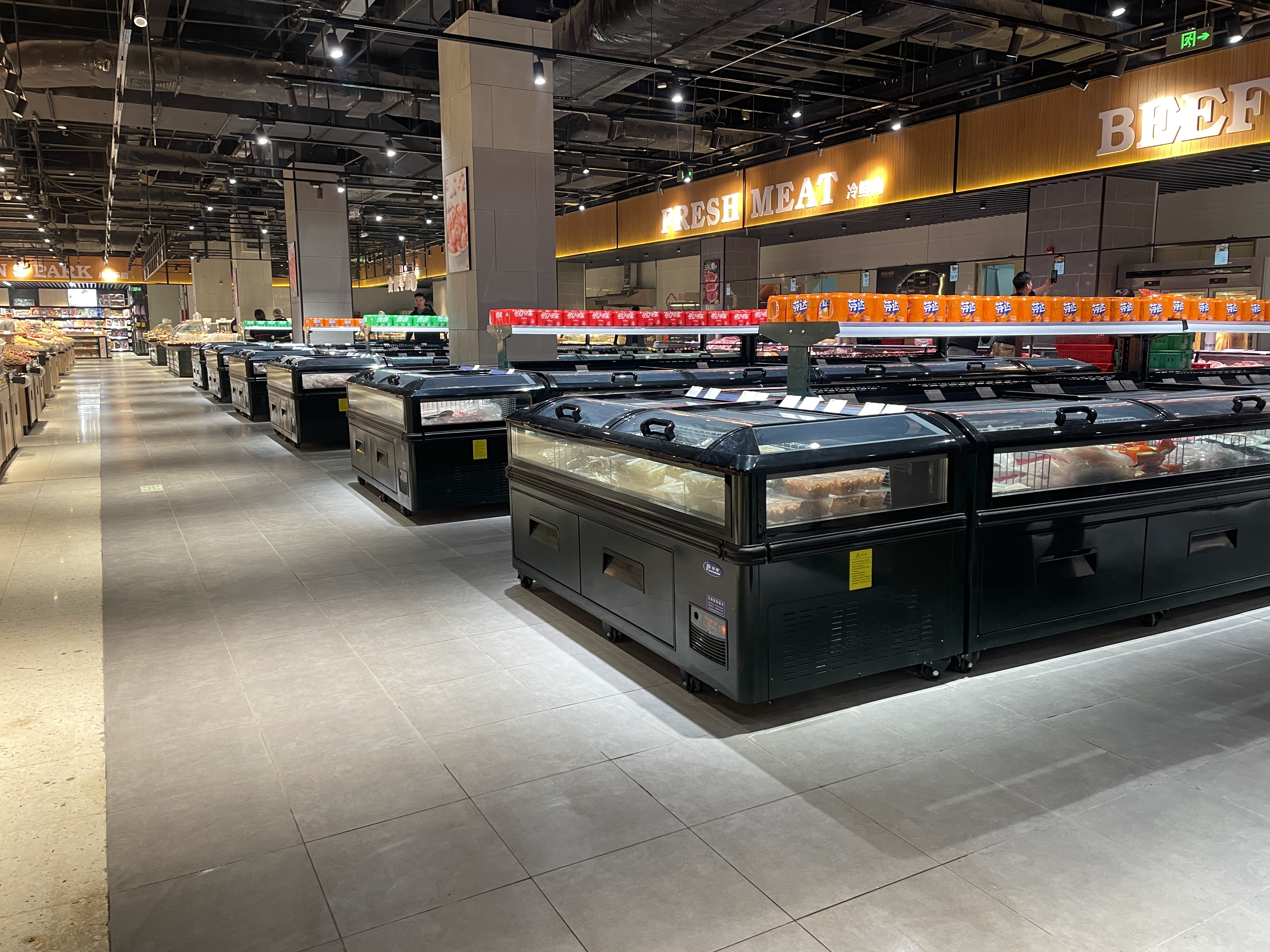
● Flexibility in Product Placement – Chest freezers can be positioned strategically within the store, near high-traffic areas, to encourage impulse purchases.
● Support for Promotions and Bulk Sales – Large-capacity freezers allow supermarkets to stock promotional items or seasonal products in bulk, enhancing sales opportunities.
● Energy Savings – Energy-efficient models can significantly lower electricity bills, particularly in large retail chains with multiple units.
Choosing the Right Supermarket Chest Freezer
When selecting a freezer, supermarkets must consider not only capacity and price but also energy efficiency, ease of use, and long-term reliability. Evaluating these factors ensures the freezer supports operational efficiency, reduces overhead costs, and improves customer satisfaction. Additionally, investing in high-quality equipment can reduce the risk of product loss due to equipment failure.
In conclusion, a supermarket chest freezer is more than just a cold storage solution—it is a strategic asset for retail businesses. By enhancing product preservation, optimizing energy use, and supporting operational flexibility, it contributes directly to profitability and customer trust. Retailers who prioritize high-performance, reliable chest freezers gain a competitive advantage in managing frozen goods efficiently.
FAQ
Q1: What is the ideal temperature range for a supermarket chest freezer?
The optimal temperature for most frozen products is between -18°C and -22°C (-0.4°F to -7.6°F), ensuring safety and extended shelf life.
Q2: How can supermarkets reduce energy consumption with chest freezers?
Selecting energy-efficient compressors, maintaining proper lid seals, and avoiding frequent opening can minimize energy use. Some units also feature digital thermostats and smart monitoring to optimize performance.
Q3: What are the maintenance requirements for a supermarket chest freezer?
Regular defrosting (if not frost-free), cleaning interior and exterior surfaces, and checking seals and temperature settings are essential for reliable operation.
Q4: Can chest freezers support promotional or seasonal inventory effectively?
Yes, large-capacity chest freezers allow supermarkets to store bulk items for promotions or seasonal sales, reducing the risk of stockouts and maximizing sales opportunities.
Post time: Feb-24-2026


