
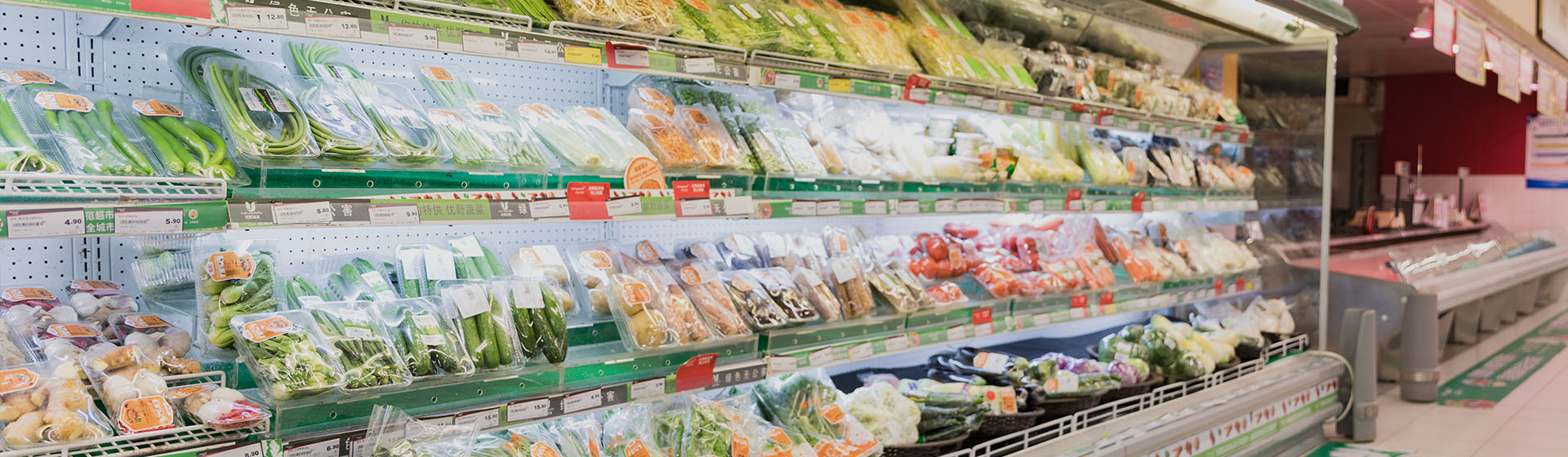
A commercial kitchen depends on reliable frozen storage, but freezer performance is not measured by capacity alone. Staff also need to locate ingredients quickly, maintain sensible stock rotation, clean the cabinet efficiently, and access products without disrupting preparation. A Stainless Steel Upright Freezer can support these requirements through vertical storage and a cabinet format suited to professional food-service environments.
Choosing the right unit requires more than comparing external dimensions. Door configuration, usable interior space, installation conditions, cleaning needs, and defrosting arrangements all influence whether the freezer will fit the kitchen’s daily workflow. Evaluating these factors before purchase helps avoid a cabinet that is too small, unnecessarily large, or difficult to use.
Plan Storage Around Ingredients and Daily Access
Start by reviewing what the kitchen freezes and how often each item is needed. Meat, seafood, vegetables, prepared ingredients, and reserve stock may have different packaging sizes and access frequencies. Placing them together without a clear system makes stock harder to identify and can lead to unnecessary door opening.
Package dimensions matter just as much as total volume. Large cartons, shallow containers, and small sealed bags use interior space differently. Before selecting a freezer, measure the containers and packages that are regularly stored. Compare those measurements with the usable internal dimensions and shelf arrangement rather than relying only on the cabinet’s external size or advertised capacity.
A Stainless Steel Upright Freezer offers vertical storage that can help organize inventory while keeping the floor area available for other kitchen equipment. However, usable capacity depends on the actual interior layout. A cabinet may have a substantial overall volume but still be inconvenient if shelves cannot accommodate the containers used in daily operations.
Choose a Door Configuration That Fits the Workload
Door configuration affects how staff access stored products and how the cabinet fits into the kitchen. A two-door model may suit operations with a moderate frozen inventory and a relatively straightforward storage system. It can provide a practical way to divide broad product categories or separate frequently used ingredients from backup stock, depending on the internal layout.
A four-door model may be more appropriate when the kitchen handles a wider range of frozen products or needs several distinct storage zones. Separate access areas can make it easier for staff to locate specific ingredients and may reduce the need to search through the entire cabinet. This can be useful in kitchens where several people retrieve products throughout a shift.
More doors do not automatically mean better performance, however. Before choosing between configurations, consider how many product categories need separation, how often each category is accessed, whether the doors can open fully in the planned location, and whether the interior can accommodate the kitchen’s standard containers. These details are more useful than selecting a model based on door count alone.
Consider Stainless Steel for Everyday Cleaning
Commercial kitchen equipment is exposed to frequent handling, food residue, moisture, and regular cleaning. The cabinet surface therefore affects daily upkeep as well as appearance. Stainless steel is widely used in food-service equipment because it can be cleaned with suitable methods and products, making it a practical material for areas that staff touch frequently.
Doors, handles, and exterior panels may collect fingerprints, grease, or splashes during normal operation. A consistent cleaning routine helps prevent residue from building up. Staff should follow the manufacturer’s instructions and avoid abrasive pads or unsuitable chemicals that could scratch or damage the finish. Where recommended, surfaces should be dried after cleaning to reduce water marks.
When comparing a Stainless Steel Upright Freezer, confirm which cabinet surfaces are stainless steel and what cleaning methods are recommended. The material description alone does not establish the grade, thickness, or construction of every component, so these details should be verified against the specific model information.
Check Installation Space and Kitchen Movement
A freezer with adequate capacity can still create problems if it is placed in the wrong location. Staff need enough room to open the doors, remove containers, and move between the freezer and preparation stations. The cabinet should not obstruct walkways, work surfaces, or access to other appliances.
The surrounding environment is also important. Heat from ovens, cooking equipment, or direct sunlight can make refrigeration operation more demanding. Follow the manufacturer’s requirements for ventilation clearance and avoid placing stored items around areas intended for airflow. Check the floor, electrical connection, and access route before delivery so that installation does not create avoidable delays.
Casters can make repositioning more convenient when the unit needs to be moved for cleaning or layout changes. They do not remove the need for careful handling. Staff should follow the manufacturer’s instructions, confirm whether the cabinet must be unloaded before moving, and secure it properly once it is in position.
Understand Defrosting and Maintenance Requirements
Frost accumulation can reduce usable space and make products harder to access. It may also increase the time needed for cleaning and routine management. Kitchens should understand whether a freezer uses automatic or manual defrosting and follow the schedule specified by the manufacturer.
An automatic defrosting setting can reduce the need for some manual intervention, but it does not make the freezer maintenance-free. Staff should still inspect the interior, door seals, and drainage areas where applicable. If frost builds up unusually quickly, the cause may involve frequent door opening, poor closure, unsuitable loading, or an equipment issue that needs attention.
The ventilation and refrigeration components also require care. Dust and debris around the relevant areas can restrict airflow, so cleaning should be carried out according to the equipment instructions. More technical inspection or servicing should be handled by qualified personnel.
Avoid Overloading and Make Stock Easy to Retrieve
Filling every available space may appear to maximize capacity, but overloading can make inventory difficult to manage and may interfere with airflow if products block the areas specified by the manufacturer. Staff should leave the required circulation space and observe shelf load limits.
Arrange packages so that commonly used items can be removed without shifting several other products first. If the freezer is repeatedly packed beyond its practical capacity, review stock levels, delivery frequency, and the size of the unit. The best storage solution is not necessarily the cabinet that holds the greatest volume. It is the one that keeps products accessible and supports safe, orderly handling during service.
Selecting a Stainless Steel Upright Freezer for Your Kitchen
The right freezer should match the kitchen’s frozen inventory, package dimensions, available floor space, and access patterns. Door configuration, stainless steel surfaces, defrosting arrangements, and ease of repositioning all contribute to everyday usability. Confirming these requirements before requesting a quotation also makes it easier to compare models on a like-for-like basis.
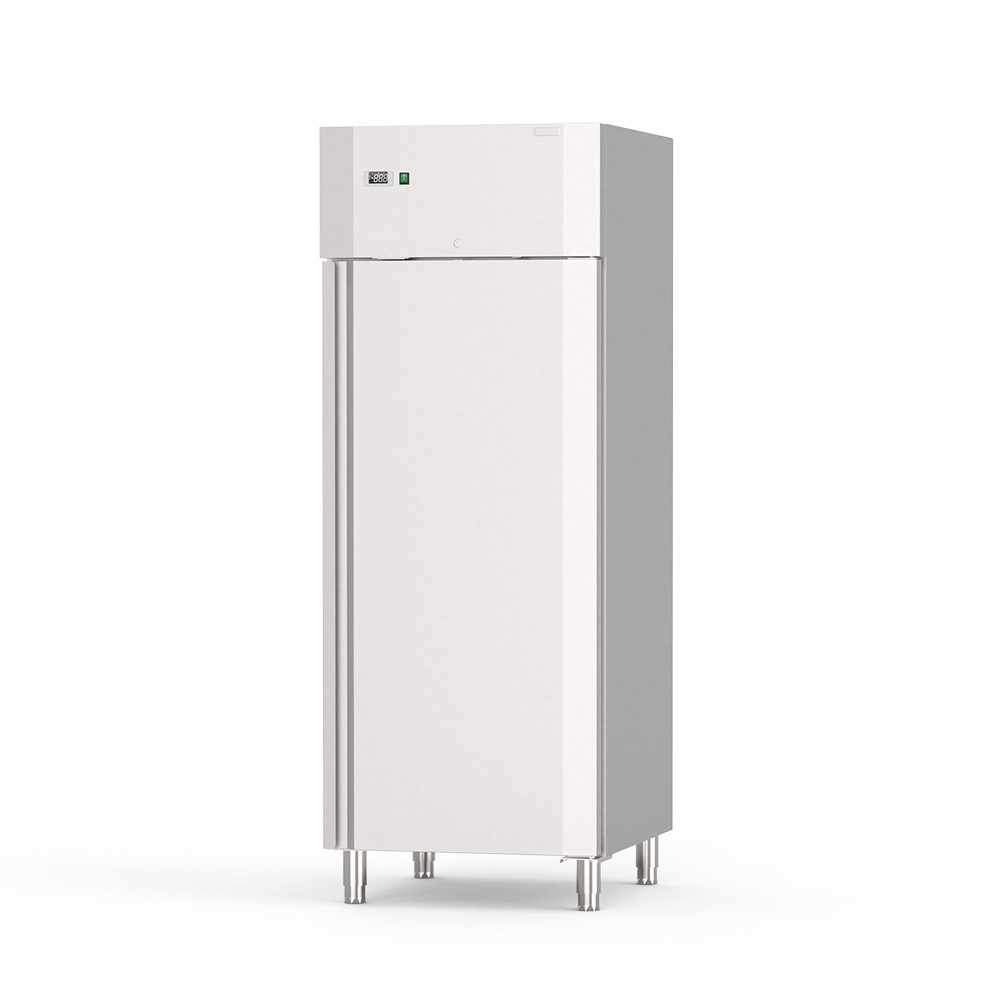
Dusung offers a Stainless Steel Upright Freezer with two-door and four-door options, casters, an imported compressor, and a regular automatic defrosting setting. A freezer option is available for frozen storage applications. You can review the Stainless Steel Upright Freezer and share your required storage volume, installation dimensions, and preferred door configuration when discussing a suitable model. Confirm the specific configuration and technical details for your intended application before ordering.
Conclusion
An efficient commercial freezer should make frozen inventory easier to organize, access, and maintain. By matching the cabinet’s configuration to storage needs, planning its location, following suitable cleaning and defrosting routines, and avoiding overloading, kitchens can make better use of their cold-storage space. A properly selected Stainless Steel Upright Freezer can support a more orderly and practical food-storage workflow.
FAQs
1. What is a stainless steel upright freezer used for?
It stores frozen ingredients and food products in commercial settings such as restaurants, catering kitchens, and food-preparation facilities. Its vertical cabinet format helps organize stock while keeping products accessible.
2. Should a commercial kitchen choose a two-door or four-door freezer?
The decision depends on inventory volume, product variety, available space, and how frequently staff access different ingredients. A two-door model may suit simpler storage needs, while a four-door option can support more separated storage zones.
3. Is a stainless steel upright freezer easy to clean?
Stainless steel surfaces can be cleaned using suitable products and methods, but the cabinet still requires regular care. Follow the manufacturer’s instructions and inspect interior surfaces, door seals, and ventilation areas as part of routine maintenance.
4. Can an upright freezer with casters be moved?
Casters can make repositioning easier on suitable models. Follow the manufacturer’s handling instructions, including whether the cabinet must be unloaded, and ensure it is stable and properly positioned after moving.
Post time: Nov-25-2026


