

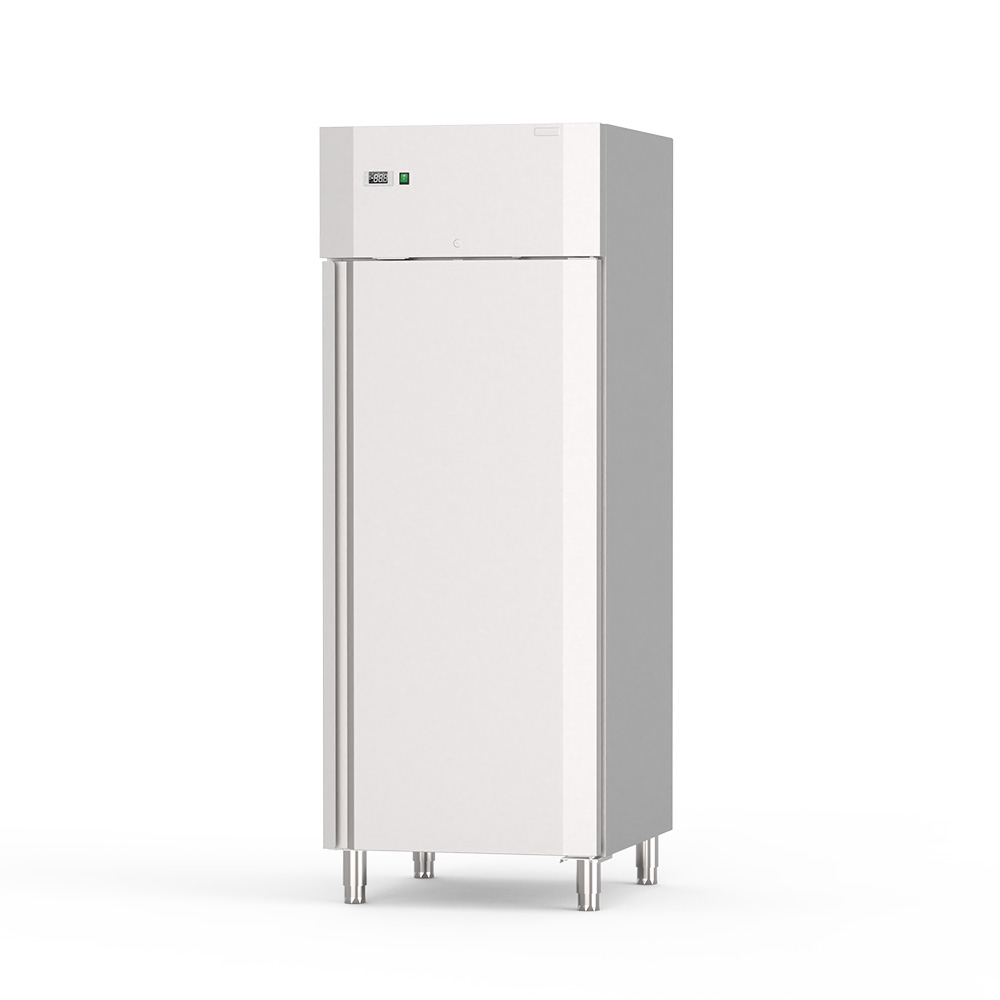
A stainless steel upright freezer is widely used in commercial kitchens, food storage facilities, and other environments where durability and regular cleaning are important. However, the material alone does not determine how easy a freezer is to maintain. Surface finishes, door edges, handles, panel joints, and cabinet corners all influence cleaning efficiency and long-term appearance. For a Stainless Steel Upright Freezer, effective maintenance depends on the relationship between material properties, structural design, operating conditions, and cleaning practices.
Why Does Stainless Steel Still Require Regular Maintenance?
Stainless steel offers corrosion resistance and a durable exterior, making it suitable for many commercial refrigeration applications. Nevertheless, it is not completely resistant to corrosion, scratches, or chemical damage. Food residue, salt deposits, prolonged moisture exposure, and unsuitable cleaning products can gradually affect its surface.
Maintenance requirements also depend on how the equipment is used. A freezer in a busy food preparation area may encounter grease, fingerprints, and frequent contact throughout the day. A unit in a storage room may accumulate less food residue but still require attention to dust, moisture, and accidental impacts. The objective is not to keep the exterior looking polished at all times. Instead, maintenance should preserve the surface, support hygiene requirements, and prevent minor issues from becoming more difficult to manage. A consistent cleaning routine is generally more effective than occasional intensive treatment.
How Does Surface Finish Influence Cleaning?
Not all stainless steel surfaces respond to cleaning in the same way. Brushed finishes have visible grain patterns, while smoother finishes may show fingerprints, water marks, and streaks more clearly. These differences influence both the cleaning technique and the appearance of the cabinet after wiping.
For a Stainless Steel Upright Freezer, cleaning methods should match the exterior finish and the conditions in which the equipment operates. Wiping brushed surfaces along the grain generally produces a more uniform result. On smoother surfaces, using a soft cloth and an appropriate amount of cleaning solution can help reduce streaking.
Cleaning products also matter. Strong chemicals or abrasive tools may damage the surface even when they remove stubborn stains effectively. Certain chloride-containing cleaners, including some bleach-based products, can contribute to corrosion under specific conditions. The best approach is to remove contamination without unnecessarily altering the finish. Mild, compatible cleaning products and non-abrasive materials are usually preferable for routine exterior care.
Why Do Door Edges, Corners, and Panel Joints Matter?
Large, flat cabinet panels are usually easy to wipe, but narrow gaps and connecting points can require more attention. Door edges, folded corners, hinges, trim, and panel joints may collect residue or moisture that is less noticeable than contamination on the main surface.
The design of a Stainless Steel Upright Freezer affects how easily these areas can be reached. Smooth transitions are generally simpler to maintain than deep recesses or narrow gaps. When residue repeatedly accumulates around a particular joint, staff may need to adjust the cleaning sequence or use a suitable soft brush.
Door edges deserve particular attention because they are frequently handled and may be overlooked during quick exterior cleaning. However, cleaning tools should never be forced into tight spaces, where they could damage seals or fittings. Cleaning liquid should also be kept away from electrical controls and openings that are not intended for wet cleaning. If a panel joint becomes loose, a fitting is damaged, or an area remains difficult to clean despite appropriate methods, the problem should be inspected.
Why Do Handles and Frequently Touched Areas Need More Attention?
Handles, door edges, and nearby control surfaces experience repeated contact during normal operation. They can collect fingerprints, grease, and residue transferred from hands or packaging. As a result, these areas may need more frequent cleaning than the rest of the cabinet.
In a busy kitchen, staff may need to clean handles several times during a shift, while exterior panels may follow a less frequent schedule. This targeted approach helps maintain hygiene without creating unnecessary work. Cleaning removes visible dirt and residue, while disinfection is intended to reduce microorganisms using an appropriate product. When disinfection is required, surfaces should first be cleaned, and the disinfectant should be used according to its label, including the specified contact time.
For a Stainless Steel Upright Freezer, the points where handles attach to the door should not be overlooked. These connections may collect residue, and repeated use can reveal loose fittings or other signs of wear.
Which Maintenance Checks Help Protect the Cabinet?
Regular inspections help identify changes in surface condition before they develop into more serious maintenance concerns. They should be straightforward enough for staff to perform consistently and should complement the equipment’s maintenance instructions.
- Surface condition: Look for new scratches, discoloration, rust-colored spots, or changes in the finish. Consider whether cleaning products, impacts, or environmental exposure may be responsible.
- Edges and connections: Check for residue around door edges, loose fittings, damaged trim, and areas that remain wet after cleaning.
- Cleaning materials: Confirm that cloths, brushes, and cleaning products are suitable for stainless steel and are free from abrasive particles or incompatible residues.
- Recurring problems: Record where stains or buildup repeatedly appear and which cleaning methods have been used. This can help distinguish a cleaning issue from possible surface damage.
Suspected corrosion, damaged panels, failed door seals, or electrical problems may require assessment by qualified service personnel.
How Does the Operating Environment Affect Maintenance?
The surrounding environment influences how quickly a freezer becomes dirty and how easily staff can access its exterior. Equipment near food preparation areas may encounter grease and splashes, while units in warehouses or storage rooms may be exposed to dust and accidental impacts.
Installation conditions also affect maintenance accessibility. If the sides or rear of a freezer are difficult to reach, staff may overlook these areas during routine cleaning. Adequate access makes it easier to inspect surfaces, remove accumulated dust, and identify damage.
Ventilation clearance must still follow the requirements of the specific model. A freezer should not be repositioned or enclosed in a way that obstructs airflow simply to make its exterior easier to clean. Instead, the installation layout should accommodate both equipment operation and routine maintenance.
Cleaning frequency should be adjusted according to actual conditions. Visible spills should be removed promptly, frequently touched areas should receive appropriate attention, and less exposed surfaces can follow a regular inspection schedule. Clear responsibilities also help ensure that cleaning and reporting procedures are followed consistently.
What Should Be Considered When Selecting a Stainless Steel Upright Freezer?
Surface maintenance is easier when the cabinet design suits the intended working environment. The description “stainless steel” alone does not indicate whether a particular freezer will be convenient to clean or inspect. When comparing models, consider the accessibility of door edges and corners, the shape and attachment of handles, the finish of frequently touched panels, and the available space around the cabinet. These details influence how easily staff can complete routine cleaning without damaging fittings or exposing sensitive components to moisture.
For commercial kitchens and food storage environments, the selection process should also account for storage capacity, door configuration, mobility, and refrigeration requirements. A suitable Stainless Steel Upright Freezer should be practical to operate and maintain over time, with product options matched to the environment in which it will be used. Reviewing these requirements together helps narrow the selection to equipment that supports everyday storage needs without overlooking long-term care.
Conclusion
The daily maintenance of a stainless steel upright freezer depends on more than its exterior material. Surface finish affects cleaning techniques, while door edges, handles, corners, and panel joints influence accessibility and residue buildup. Using compatible cleaning products, avoiding abrasive tools, and inspecting the cabinet regularly can help preserve its condition. A practical maintenance routine should reflect the equipment’s design and the environment in which it operates.
FAQ
1. Can a stainless steel upright freezer develop rust?
Yes. Stainless steel resists corrosion but is not completely corrosion-proof. Certain cleaning chemicals, prolonged moisture, salt deposits, and contamination from ordinary steel particles can contribute to surface corrosion.
2. Should stainless steel be cleaned in the direction of its grain?
For brushed finishes, wiping along the visible grain generally helps reduce streaks and makes minor marks less noticeable. The equipment’s care instructions should take priority if they specify a particular method.
3. Can abrasive cleaners damage a stainless steel freezer?
Yes. Abrasive pads, steel wool, and unsuitable scouring products can scratch the surface or introduce metal particles that may contribute to corrosion. Soft cloths and compatible cleaning products are generally preferable for routine maintenance.
4. How often should a stainless steel upright freezer be cleaned?
The schedule depends on the operating environment, frequency of use, visible contamination, and hygiene requirements. Spills should be removed promptly, frequently touched surfaces should be cleaned as needed, and the entire cabinet should follow an appropriate routine maintenance schedule.
Post time: Oct-22-2026


