
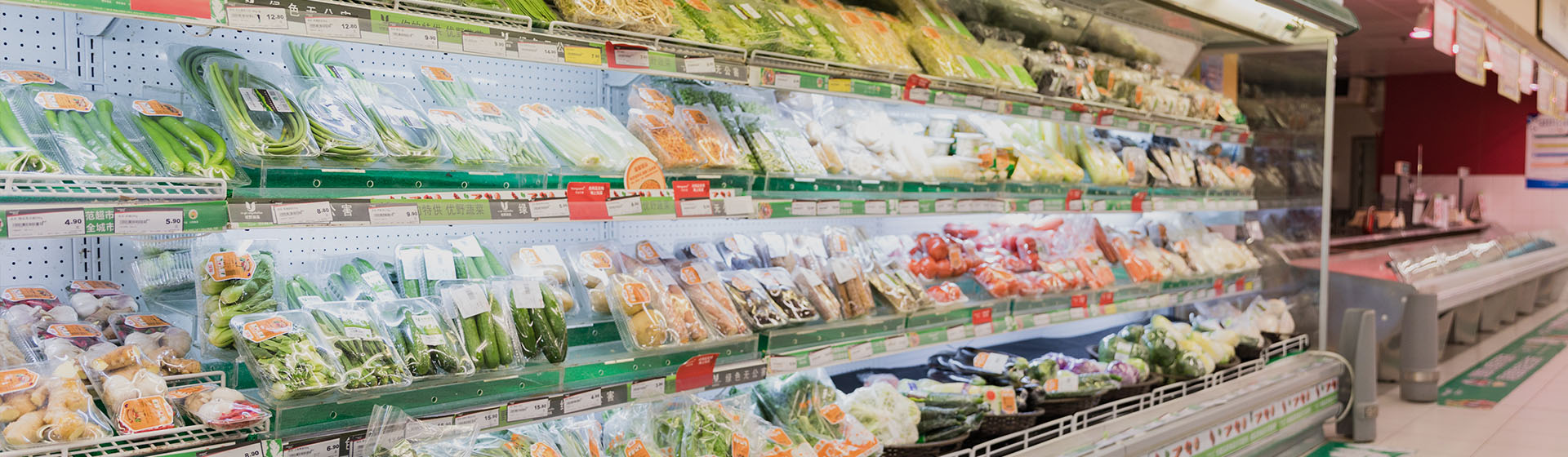
In commercial food service environments, efficiency is often influenced by how well the workspace is organized. Although cooking skills and staff experience are important, the arrangement of storage areas, preparation spaces, and service points also plays a significant role in daily operations. Many workflow challenges are not caused by a lack of equipment but by inefficient space planning. When frequently used ingredients, tools, and supplies are stored in inconvenient locations, employees may spend more time walking, searching, and reorganizing instead of focusing on preparation and service tasks.
How Storage Planning Affects Food Service Workflow
A well-organized food service area should allow products and supplies to move naturally through each stage of operation. From preparation to final service, every step depends on whether employees can quickly access the items they need.
A typical workflow can be divided into:
Storage → Preparation → Service → Replenishment
When storage areas are located too far from working stations, employees may need to repeat unnecessary movements throughout the day. During busy periods, these extra steps can increase workload and make operations less efficient. Effective storage planning is not simply about finding more space for products and supplies. It focuses on the relationship between people, items, and working areas.
Important considerations include:
- Which items are used most frequently?
- Where should supplies be placed for easier access?
- How can repeated movement be reduced?
- How can the workspace remain organized during busy hours?
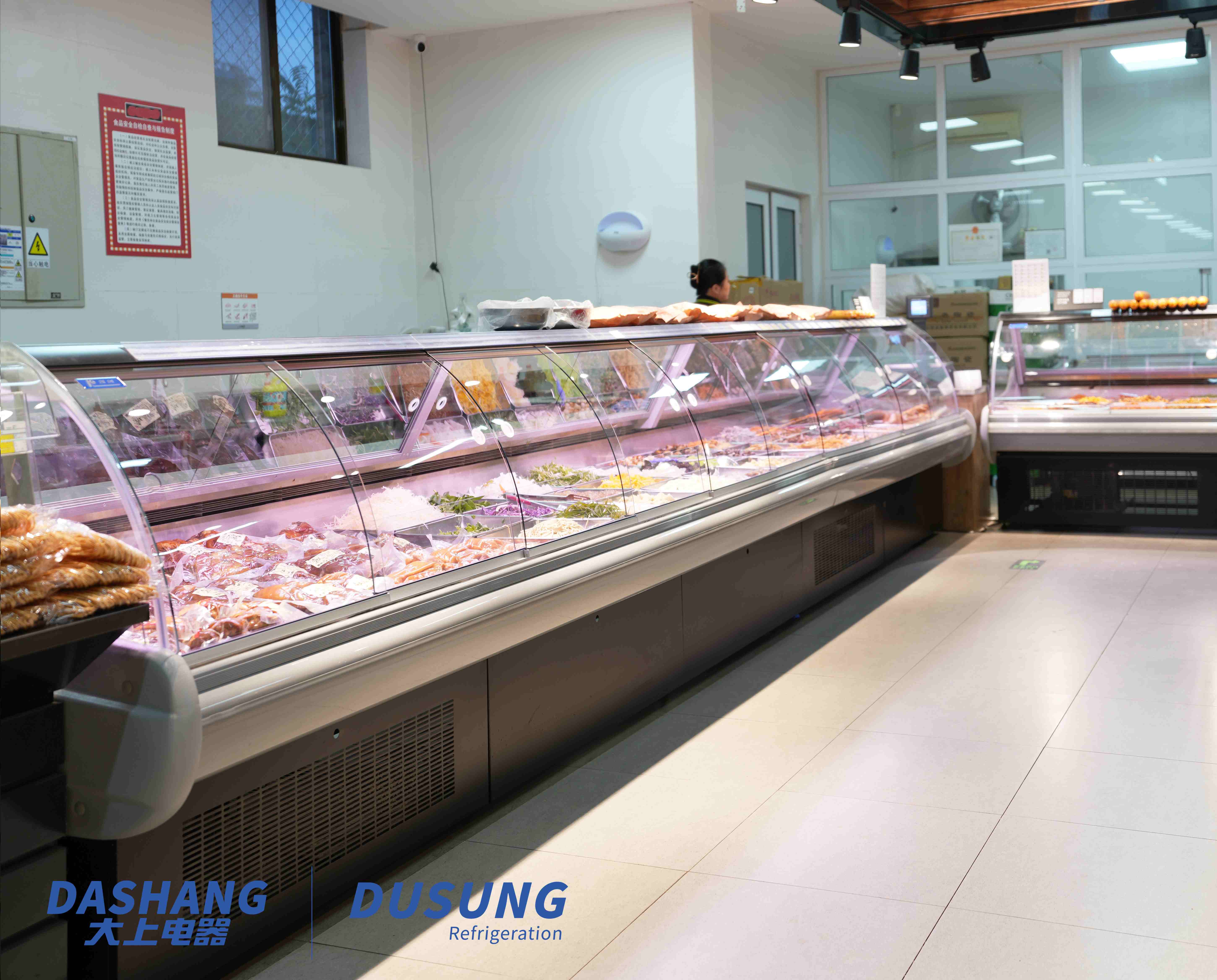
A Serve Counter with Large Storage Room can support this type of planning by placing storage and service functions in the same working area. This arrangement allows frequently used items to stay closer to where they are needed, making daily tasks easier to manage.
Why Storage Organization Matters More Than Storage Capacity
Having a larger storage area does not always mean better efficiency. Without proper organization, even a spacious storage area may create difficulties when employees need to find items quickly. An effective storage system should focus on accessibility, classification, and practical usage rather than capacity alone.
Frequently Used Items
Ingredients, utensils, packaging materials, and other daily-use supplies should generally be placed in convenient locations. Easy access reduces unnecessary movement and helps maintain a smoother workflow.
Backup Supplies
Extra materials and reserve products should be separated from frequently used items. Proper classification prevents the main working area from becoming crowded and makes inventory management easier.
Less Frequently Used Products
Seasonal items or products with lower usage frequency should not occupy the most accessible storage positions. Keeping them separately organized allows important supplies to remain easier to reach. Visibility is another important factor. When stored items are clearly arranged, employees can quickly understand what is available and identify what needs to be replenished.
Good storage management is not about storing the maximum amount of items. It is about creating a system that supports actual working habits.
Designing a More Efficient Food Service Counter Area
A food service counter is not only a place for serving customers. It is also part of the overall working environment that connects preparation, storage, and service activities.
When planning a counter area, several practical factors should be considered:
- Employee movement routes: The layout should allow staff to move naturally between different tasks while avoiding unnecessary walking.
- Storage accessibility: Frequently needed items should be positioned where employees can reach them easily.
- Available workspace: Equipment placement should match the size and structure of the area without affecting normal operations.
- Cleaning and maintenance: The arrangement should allow convenient daily cleaning and organization.
Different food service environments may have different requirements. For example, a self-service area may focus more on customer flow and product access, while a preparation area may require closer connections between storage and working surfaces.
The most suitable layout is not always the one with the most equipment, but the one that best matches the actual workflow.
Creating Better Organized Food Service Spaces
A practical food service environment depends on the combination of suitable equipment, reasonable layout, and consistent management. Storage planning should not be considered separately from daily operations. The way items are stored, accessed, and replenished directly affects employee efficiency and workspace organization.
By connecting storage requirements with real working processes, businesses can create areas that are easier to manage and better prepared for daily operational challenges. For different food service environments, choosing equipment that matches the working layout is an important part of improving space utilization.
The Role of Serve Counter with Large Storage Room in Daily Operations
In many food service environments, storage and service functions need to work together. A separate storage area may provide additional space, but it can also increase the distance between employees and frequently used supplies. A Serve Counter with Large Storage Room combines these two functions within one working area. The counter section provides a practical surface for service or preparation, while the storage area helps organize items needed during operation. Its value is not only related to storage volume. More importantly, it provides a way to arrange the workspace according to daily activities.
For example, during busy service periods, employees may need quick access to ingredients, containers, or other supplies. Keeping these items closer to the working area can reduce interruptions and make the process easier to coordinate. However, equipment placement and storage organization still determine the final effectiveness. A well-planned layout should always match the actual needs of the operation.
Conclusion
Food service efficiency depends on more than the speed of individual tasks. The connection between storage, preparation, and service areas has a direct impact on how smoothly daily operations run.
A Serve Counter with Large Storage Room provides a practical approach to combining workspace and storage organization. Instead of focusing only on increasing storage capacity, a well-planned arrangement helps create a more logical workflow where employees can access necessary items more easily. Through better space planning and storage management, food service areas can reduce unnecessary movement, improve daily organization, and maintain a more efficient working environment.
FAQ
1. What is the difference between a serve counter and a regular storage cabinet?
A regular storage cabinet is mainly designed for keeping products or supplies, while a serve counter usually combines working space with storage functions. This makes it more suitable for areas where employees need both operation space and quick access to stored items.
2. Where should a serve counter with storage space be placed in a food service area?
The location should be planned according to the workflow of the area. Factors such as employee movement routes, preparation positions, and service direction should be considered to ensure convenient operation.
3. How can a large storage room help during busy service periods?
A larger storage area allows supplies to be organized in advance, reducing the need for frequent restocking or searching during peak hours. Proper arrangement can help employees focus more on service tasks.
4. What types of businesses commonly use serve counters with storage space?
They are commonly used in environments where working surfaces and storage areas are both needed, such as restaurants, hotels, cafeterias, catering areas, and commercial kitchens.
Post time: Oct-14-2026


