
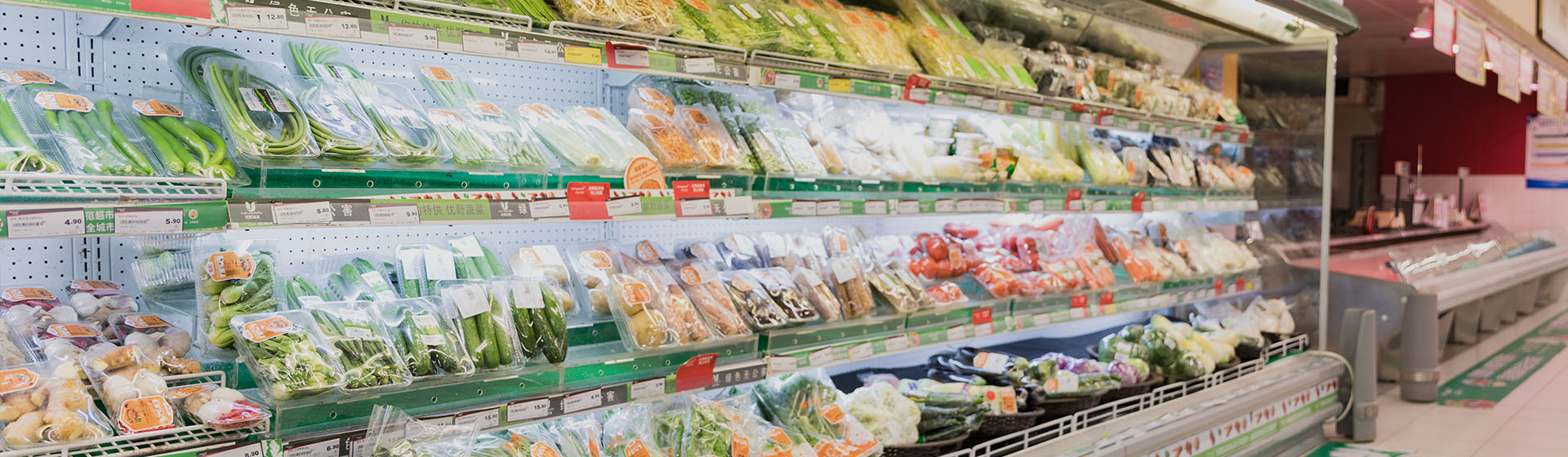
When choosing a Seafood Refrigerator, buyers often focus on cooling performance, display space, and appearance. However, drainage design is equally important for daily operation. Melting ice, seafood handling, and routine cleaning can all introduce water into the display area. If this water is not collected and discharged properly, it may increase cleaning work and make equipment maintenance more difficult.
For supermarkets, seafood retailers, and food businesses, a practical drainage system helps manage water, maintain a cleaner display environment, and simplify routine maintenance. Understanding these details allows buyers to evaluate a Seafood Refrigerator based on its actual operating needs rather than appearance alone.
Why Drainage Design Is Important for Seafood Refrigerators
Seafood displays often involve more water than ordinary refrigerated displays. Ice used to display fish and shellfish gradually melts, while cleaning activities create additional wastewater. Depending on the display arrangement, water may also collect around product trays and display surfaces.
Without suitable drainage, water can remain in corners, around structural joints, or beneath removable components. Staff may need to remove products or clean the same areas repeatedly, increasing daily maintenance work.
A properly designed drainage system directs collected water toward an appropriate outlet. Although it cannot replace regular cleaning or correct temperature management, it can make routine operation more convenient.
When evaluating a Seafood Refrigerator, buyers should therefore check more than whether a drain is provided. They should understand where water collects, how it reaches the outlet, and whether the relevant areas are accessible for cleaning.
How Drainage Affects Daily Cleaning
Cleaning is a regular task in seafood retail environments. Display surfaces, trays, and areas exposed to melting ice need frequent attention. If drainage components are difficult to access, staff may spend more time maintaining the equipment.
The position of the drainage outlet is one important consideration. An accessible outlet makes inspection and cleaning easier, while an outlet hidden behind fixed components may require additional effort.
The display base also deserves attention. Buyers should check whether its surface helps water move toward the collection area or allows it to remain in corners and joints. Areas where water repeatedly accumulates may require additional manual cleaning.
Removable trays and accessible internal components can further simplify maintenance. Ideally, staff should be able to remove and clean these parts without complicated procedures or unnecessary disassembly.
For this reason, the drainage outlet, display surface, collection area, and removable components should be evaluated as one complete system.
Matching Drainage Capacity to the Display Application
Different seafood display methods create different drainage requirements. A refrigerator used mainly for packaged seafood may handle less meltwater than one designed to display fresh fish or shellfish over ice.
Buyers should consider the intended display method before selecting equipment. For example, displays using crushed or flaked ice need a practical way to collect and discharge melting water. The actual water volume depends on ice usage, display layout, operating conditions, and replenishment frequency.
If the drainage arrangement cannot handle the expected operating conditions, water may accumulate and require more frequent manual removal.
It is also important to confirm where discharged water goes. Some models require an external drainage connection, while others may use a collection container or another water-handling arrangement. The installation location and available drainage facilities can influence which configuration is most suitable.
Discussing the intended seafood display method with the supplier before ordering can help avoid choosing equipment with unsuitable drainage arrangements.
What Buyers Should Check Before Purchasing
Drainage should be considered together with the refrigerator’s overall structure, installation conditions, and maintenance requirements. Before purchasing a Seafood Refrigerator, buyers should check several practical details:
- Drain outlet accessibility: Can staff reach the outlet easily for inspection and cleaning?
- Water collection arrangement: How does water move from the display surface to the drainage outlet?
- Display surface design: Are there corners, joints, or areas where water may become trapped?
- Installation requirements: Does the equipment need an external drain connection or a collection container?
- Maintenance convenience: Can trays and other relevant components be removed and cleaned easily?
These details help buyers understand how the equipment will perform during daily use. They also provide a more practical basis for comparing models than appearance or display capacity alone.
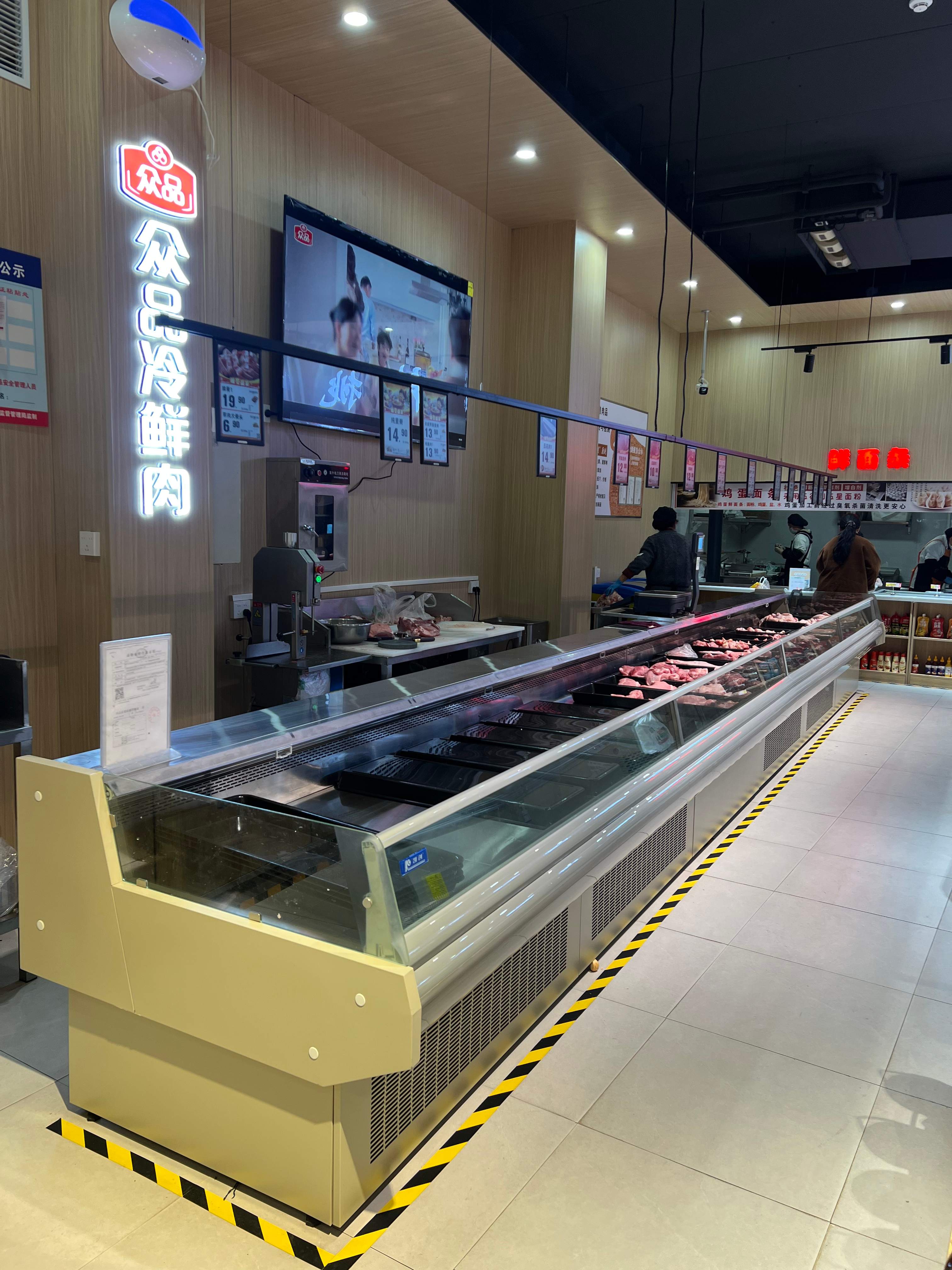
Drainage and Hygiene Need to Work Together
Good drainage supports cleaning, but it does not automatically guarantee a hygienic display environment. Water that has come into contact with seafood, packaging, or food residue still needs to be handled properly.
If drainage channels and collection areas are not cleaned regularly, residue may accumulate and cause unpleasant odors. Buyers should therefore consider whether the equipment allows staff to access and clean these areas conveniently.
Routine cleaning should cover display surfaces, trays, drainage openings, and collection components. The cleaning frequency should reflect seafood handling volume, ice usage, and applicable food hygiene requirements.
A well-designed Seafood Refrigerator should support an effective cleaning routine. Drainage is one part of hygiene management, not a substitute for proper sanitation procedures.
How Poor Drainage Can Affect Daily Operations
Drainage problems may not be obvious during an initial product inspection. They often become noticeable after the equipment has been used regularly.
When water cannot flow toward the intended outlet, staff may need to remove it manually. If drainage components are difficult to access, this task can take longer and interrupt routine cleaning or product replenishment.
Water accumulation may also affect the organization of the display area. Staff might need to adjust product placement or temporarily interrupt other tasks to deal with wet surfaces.
These issues show why drainage should be considered part of a refrigerator’s long-term operating suitability. A practical design helps reduce avoidable maintenance work and makes daily management easier.
Choosing a Seafood Refrigerator with Practical Drainage Design
The right equipment should match the seafood being displayed, the store’s operating routine, and the available installation conditions. In addition to drainage, buyers should evaluate cooling performance, display layout, cleaning access, and overall construction.
Before making a decision, ask the supplier to explain how water is collected and discharged under the intended operating conditions. Product drawings, demonstrations, and installation information can help identify potential maintenance difficulties before purchase.
Dusung Refrigeration offers commercial refrigeration solutions for retail environments, including equipment for supermarket display applications. Buyers can discuss their seafood display requirements, installation conditions, and cleaning needs with the supplier to identify suitable configurations and confirm the relevant product details before ordering.
Conclusion
Drainage design is an important consideration when purchasing a Seafood Refrigerator because it affects water management, cleaning convenience, and daily maintenance. Buyers should evaluate outlet accessibility, water collection, display surface structure, and installation requirements. Choosing a drainage arrangement suited to the actual display application can make routine operation more practical and reduce avoidable maintenance difficulties.
FAQ
1. Does every seafood refrigerator need an external drainage connection?
No. The required arrangement depends on the equipment design. Some models use external drainage connections, while others may use collection containers or alternative water-handling solutions. Buyers should confirm the installation requirements of the selected model.
2. Does drainage design determine how often a refrigerator needs cleaning?
No. Drainage affects cleaning convenience, but cleaning frequency also depends on seafood handling practices, ice usage, product residue, and local hygiene requirements.
3. What should buyers check if water remains inside the display area?
Check whether the display surface, drainage opening, and outlet are clear and functioning correctly. If water continues to accumulate, follow the supplier’s maintenance guidance and arrange an equipment inspection when necessary.
4. Is a larger drainage outlet always more effective?
Not necessarily. Drainage performance depends on the complete arrangement, including the outlet, collection path, installation, and expected water volume. The system should match the equipment’s intended application.
Post time: Nov-12-2026


