
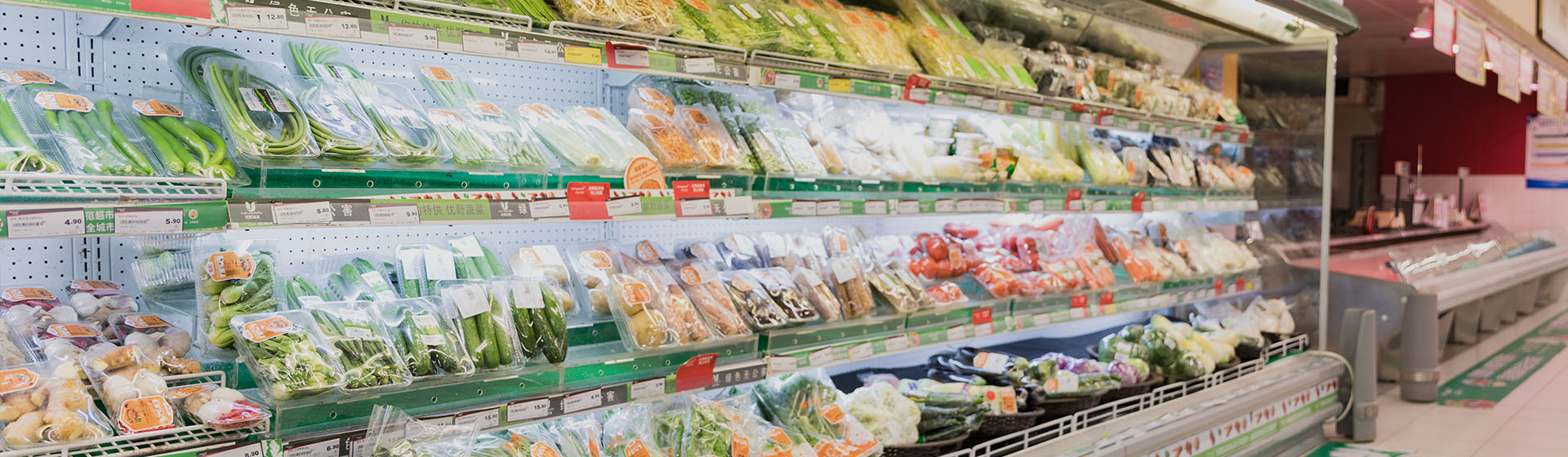
Food safety in a restaurant depends not only on ingredient quality and kitchen procedures but also on how food is stored. When raw meat, seafood, vegetables, dairy products, and ready-to-eat ingredients share the same refrigeration space, poor organization can increase the risk of cross-contamination. A suitable Restaurant Refrigerator helps restaurants maintain a more controlled storage environment. Its internal layout, shelving arrangement, cooling performance, and cleaning accessibility all influence daily food storage. Choosing the right equipment can make it easier for kitchen staff to separate ingredients, maintain hygiene, and manage refrigerated products efficiently.
Why Cross-Contamination Happens in Restaurant Refrigerators
In busy restaurant kitchens, this can happen when raw ingredients are stored above cooked food, containers are left uncovered, or liquids leak onto other products. Refrigeration slows the growth of many microorganisms, but it does not eliminate contamination risks. Even when a refrigerator maintains an appropriate temperature, poor storage practices can still compromise food safety.
- Raw meat or seafood stored above cooked or ready-to-eat ingredients, allowing liquids to drip onto other foods.
- Different food categories placed together without clear separation.
- Uncovered containers exposed to spills or contact with other ingredients.
- Food residue accumulating on shelves, drawers, door seals, and interior surfaces.
- Newly delivered ingredients mixed with older stock without checking packaging or storage dates.
These problems are not always caused by insufficient refrigerator capacity. In many cases, the internal arrangement makes it difficult for employees to separate products and maintain consistent cleaning routines. A well-designed Restaurant Refrigerator should therefore support organized storage, clear ingredient separation, and convenient access to different food categories.
How Internal Refrigerator Design Supports Safer Food Separation
The interior structure of a refrigerator affects how ingredients are stored and accessed. Shelves, drawers, compartments, and available vertical space determine whether different food categories can be separated effectively.
Restaurants can establish designated storage areas for raw meat, seafood, vegetables, dairy products, and prepared foods. Raw products should be separated from cooked and ready-to-eat items, with suitable containers used to prevent leakage and direct contact.
Several design features can make this arrangement easier.
Shelf arrangement: Multiple shelves provide separate storage levels for different ingredient categories. Assigning specific areas to particular food groups reduces unnecessary mixing and makes stored products easier to identify.
Drawer organization: Drawers can help separate frequently handled ingredients and reduce the need to move other products when retrieving food. They are particularly useful when kitchen staff need quick access to selected ingredients during preparation.
Adjustable storage space: Repositionable shelves accommodate containers of different heights. This helps restaurants organize products without excessive stacking, which can make food inspection and retrieval more difficult.
Interior accessibility: A layout that allows staff to see and reach stored products helps reduce unnecessary handling. It also makes it easier to identify spills, damaged packaging, and ingredients requiring attention.
These features do not independently guarantee food safety. Their value lies in helping restaurant employees follow consistent storage procedures throughout the day.
Why Temperature Management Still Matters
Frequent temperature fluctuations can make it harder to maintain suitable storage conditions. Repeated door opening, excessive loading, blocked air outlets, and poor equipment placement may all affect cooling performance.
When evaluating a Restaurant Refrigerator, buyers should pay attention to several practical factors.
First, temperature controls should be convenient for daily monitoring and adjustment. A visible display helps staff check operating conditions, while an appropriate thermometer can provide an additional reference for food safety checks.
Second, products should not be packed so tightly that air circulation is restricted. Overloading may contribute to uneven cooling and make ingredients difficult to inspect. Leaving appropriate space around stored products supports better air movement.
Third, door-opening frequency should be considered. During busy preparation periods, staff may access the refrigerator repeatedly. Organizing frequently used ingredients in accessible locations can reduce unnecessary opening time.
Restaurants should also remember that refrigeration cannot make food safe again after improper storage. Ingredients must still be checked and handled according to applicable food safety requirements.
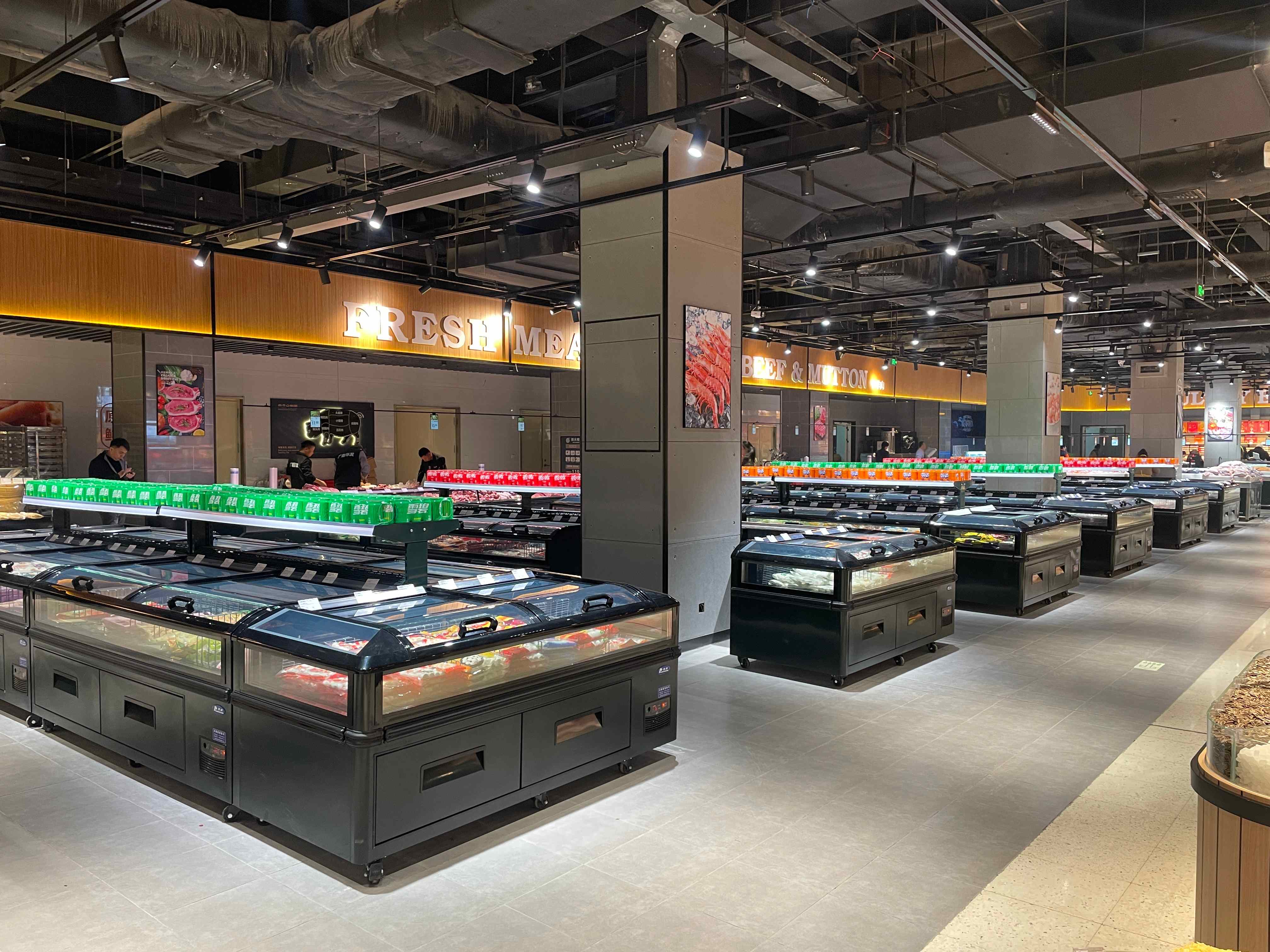
Cleaning and Hygiene: What Buyers Should Look For
A refrigerator may offer sufficient capacity and cooling performance, but difficult-to-clean surfaces can create extra work for kitchen staff. Food residue, moisture, and spills may accumulate in areas that are overlooked during routine cleaning.
When purchasing a Restaurant Refrigerator, buyers should consider whether its interior design supports practical maintenance.
Smooth internal surfaces are generally easier to wipe than complicated structures with numerous narrow gaps. Removable shelves and accessible drawers can make cleaning more convenient. Door seals also deserve attention because food residue and moisture may collect around their edges.
Drainage and condensation management should be considered where relevant to the equipment design. Poorly managed moisture can increase cleaning demands and make the storage compartment harder to maintain.
- Removing stored products from the area being cleaned and checking their condition.
- Cleaning shelves, drawers, interior walls, and door seals.
- Using suitable cleaning and sanitizing products according to their instructions.
- Drying surfaces where required and checking that the refrigerator is ready for use.
- Returning ingredients in properly covered and labeled containers.
For buyers, the key consideration is not simply whether a refrigerator looks easy to clean when new. It is whether employees can maintain its hygiene during repeated daily use.
How Storage Practices Work with Refrigerator Features
Even a well-designed Restaurant Refrigerator cannot prevent cross-contamination without proper operating procedures. Equipment and staff practices need to work together.
Restaurants should assign storage locations to different food categories. Raw ingredients must be separated from cooked and ready-to-eat products, while food should be kept in suitable covered containers. Containers should also be positioned to prevent liquids from reaching other ingredients.
Labels help employees identify product names, preparation dates, and storage information. This is particularly useful when several staff members access the same refrigerator during a shift.
The first-in, first-out method can also improve stock rotation. However, it should be combined with regular checks of food condition and storage dates. Products that no longer meet the restaurant’s safety requirements should be removed promptly.
These procedures become easier to maintain when the refrigerator has a logical interior arrangement. If each ingredient category has a designated location, employees are less likely to move products unnecessarily or place them in unsuitable areas.
Choosing a Restaurant Refrigerator with Food Hygiene in Mind
When purchasing refrigeration equipment, restaurants should look beyond overall capacity and general cooling claims. The equipment needs to support the way the kitchen stores, accesses, and handles food.
| Evaluation factor | Why it matters |
|---|---|
| Internal layout | Helps separate different ingredient categories |
| Shelf and drawer design | Supports organized storage and convenient access |
| Cooling performance | Helps maintain suitable storage conditions |
| Interior surfaces | Influences routine cleaning and maintenance |
| Door seals and construction | Affect cleanliness and storage compartment condition |
| Available capacity | Helps prevent excessive loading and disorganized storage |
The most suitable configuration depends on the restaurant’s food categories, storage volume, available space, and daily usage. Some operations may need a general-purpose commercial refrigerator, while others benefit from drawer-based storage for frequently accessed ingredients.
For example, a Restaurant Commercial Refrigerator can provide the main refrigerated storage area for different food categories. In kitchens where employees repeatedly access ingredients during preparation, a Restaurant Kitchen Refrigerator with Drawers may offer a convenient way to organize selected products.
Before purchasing, buyers should check usable interior dimensions, shelf arrangement, door configuration, temperature controls, cleaning requirements, and installation conditions. These details help determine whether the equipment can support the restaurant’s actual storage procedures.
For restaurants reviewing refrigeration solutions, Dusung offers commercial refrigeration equipment for food-service environments. Comparing cabinet structures and confirming storage requirements can help operators identify equipment that fits their daily kitchen operations.
Conclusion
Preventing food cross-contamination requires consistent storage practices, suitable temperature management, and regular cleaning. A well-planned Restaurant Refrigerator supports these efforts through practical shelving, accessible storage areas, manageable interior surfaces, and reliable cooling performance.
For restaurant operators, the goal is to choose equipment that makes safe food storage easier to maintain every day. Considering hygiene alongside capacity and cooling performance can lead to a more suitable refrigeration investment.
FAQs
Can a restaurant use one refrigerator for all food categories?
It may be possible if food categories are properly separated and stored according to applicable food safety requirements. Restaurants with larger storage demands or different ingredient types may need additional refrigeration units.
Do refrigerator drawers help improve food hygiene?
Drawers can support ingredient organization and reduce unnecessary handling. However, they must be cleaned regularly, and food should still be stored in suitable covered containers with appropriate separation.
How often should a restaurant refrigerator be cleaned?
Cleaning frequency depends on the ingredients handled, usage intensity, and applicable hygiene procedures. Spills should be cleaned promptly, while shelves, drawers, seals, and interior surfaces should be included in a regular cleaning schedule.
Does a commercial refrigerator eliminate the risk of food contamination?
No. Refrigeration helps maintain suitable storage conditions, but it cannot replace food separation, proper packaging, temperature monitoring, hand hygiene, and regular cleaning. Staff procedures remain essential.
Post time: Nov-19-2026


