
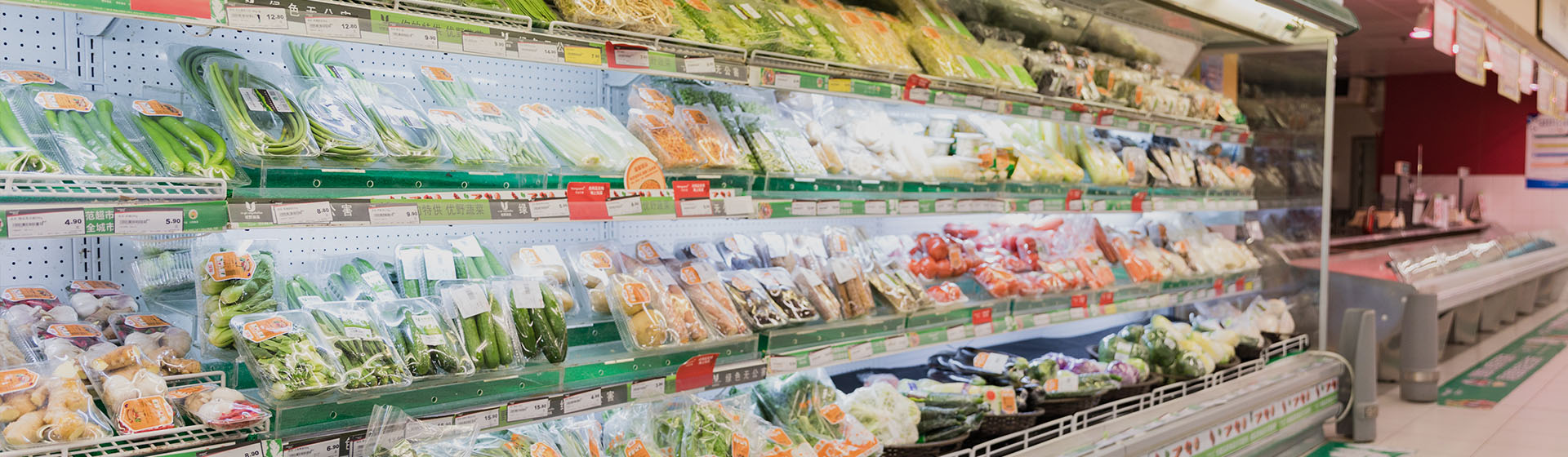
In modern retail and food service operations, energy consumption is one of the largest ongoing expenses. Refrigeration equipment, in particular, operates continuously and directly impacts both operating costs and sustainability targets. Air-curtain upright fridges have emerged as a highly effective solution for reducing energy costs while maintaining excellent product visibility and cooling performance.
For businesses aiming to optimize efficiency without compromising display quality, these systems offer a compelling combination of technology, performance, and long-term savings.
How Air-Curtain Upright Fridges Improve Energy Efficiency
Air-curtain upright fridges use a continuous stream of cold air to create a thermal barrier between the internal storage area and the external environment. This airflow, generated by high-efficiency fans, minimizes the exchange of warm and cold air even when the front is open.
Unlike traditional open-display units that lose significant cold air, air-curtain systems are engineered to retain cooling more effectively. This reduces the workload on the compressor and leads to lower overall energy consumption.
The result is a refrigeration system that delivers consistent performance with reduced energy input, making it ideal for high-traffic retail environments.
Key Energy-Saving Mechanisms
Air-curtain upright fridges integrate multiple technologies that contribute to energy efficiency.
● Optimized airflow design that minimizes cold air leakage
● High-efficiency compressors that adjust output based on demand
● Advanced insulation materials that reduce thermal transfer
● Smart temperature control systems for precise operation
● Night curtains or covers that limit energy loss during off-hours
These features work together to ensure that energy is used efficiently throughout daily operations.
Comparing Energy Performance with Conventional Systems
When compared to standard upright fridges or traditional open-front display units, air-curtain models consistently demonstrate lower energy consumption.
Typical differences include:
● Reduced compressor runtime due to better temperature retention
● Lower peak energy demand during busy operating hours
● Improved cooling recovery time after product restocking
In many cases, businesses can achieve energy savings ranging from 20% to 40%, depending on usage patterns and environmental conditions.
Impact on Operational Costs
Lower energy consumption directly translates into reduced electricity expenses. Over time, these savings can be substantial, especially for businesses operating multiple refrigeration units.
In addition to energy savings, air-curtain upright fridges also reduce maintenance costs. Because the compressor and cooling system experience less strain, components tend to last longer and require fewer repairs.
This combination of lower energy bills and reduced maintenance creates a strong return on investment for B2B buyers.
Enhancing Product Preservation While Saving Energy
Energy efficiency does not come at the expense of performance. In fact, air-curtain upright fridges often provide superior product preservation.
The stable airflow ensures consistent temperature distribution across all shelves, preventing hotspots and uneven cooling. This helps maintain the freshness of products such as beverages, dairy items, and ready-to-eat foods.
By reducing temperature fluctuations, these fridges also minimize product spoilage, further contributing to cost savings.
Ideal Use Cases for Maximum Efficiency
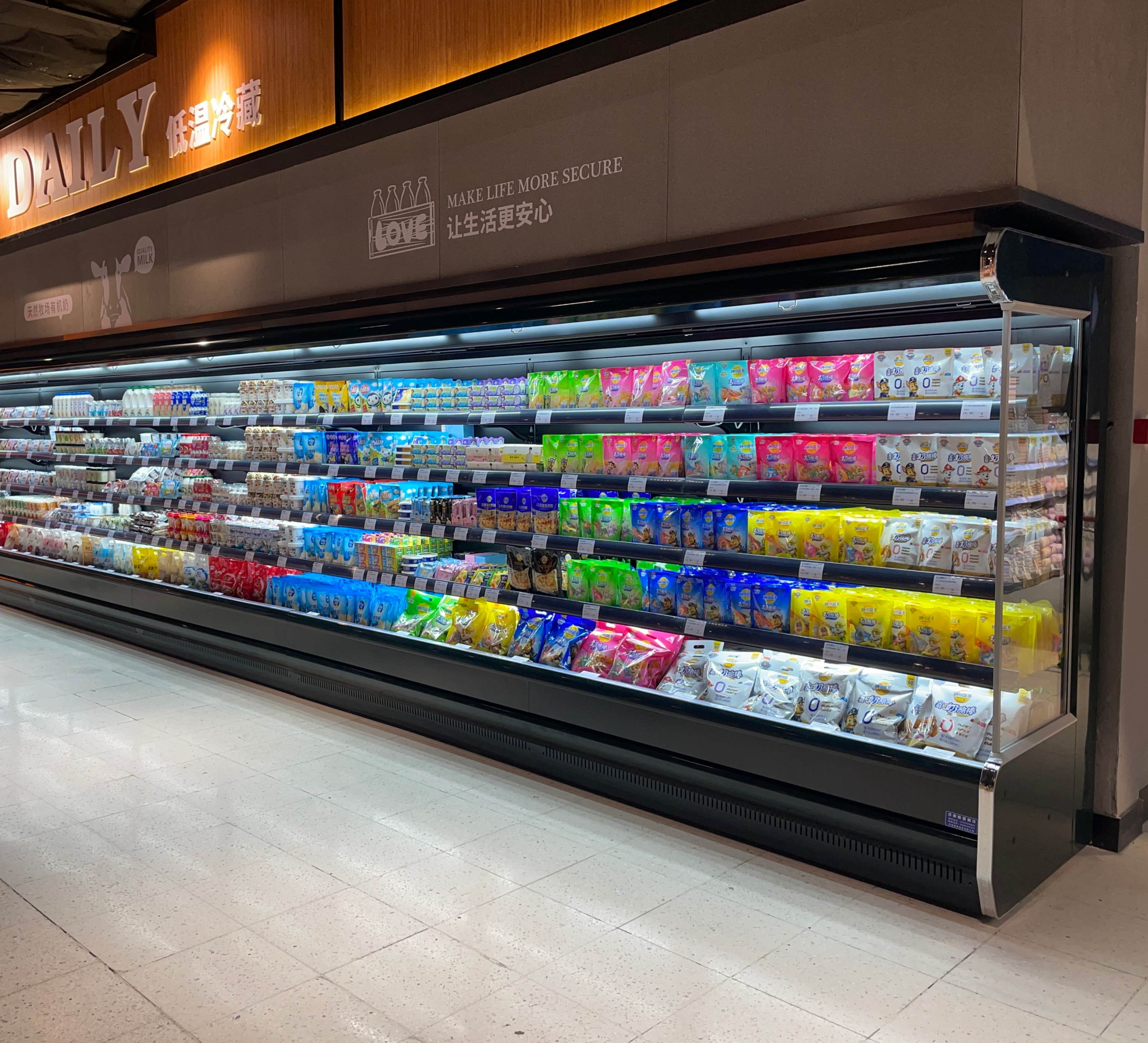
Air-curtain upright fridges are particularly effective in environments where accessibility and visibility are critical.
● Supermarkets with high customer traffic
● Convenience stores requiring quick product access
● Fresh food sections displaying ready-to-eat items
● Beverage zones in retail and hospitality settings
● Self-service areas where doors would slow down customer flow
In these scenarios, the ability to maintain cooling without doors significantly improves both efficiency and customer experience.
Smart Integration and Modern Features
Modern air-curtain upright fridges often include intelligent systems that further enhance efficiency.
● Digital temperature monitoring and control
● Remote diagnostics and performance tracking
● Automatic defrost systems that reduce energy waste
● Adaptive fan speeds based on load conditions
These features allow businesses to optimize performance in real time and respond quickly to any operational issues.
Best Practices for Maximizing Energy Savings
To fully benefit from air-curtain technology, proper usage and placement are essential.
● Position units away from direct sunlight and heat sources
● Avoid overloading shelves to maintain proper airflow
● Regularly clean air vents and internal components
● Use night covers when the store is closed
● Monitor temperature settings to ensure optimal performance
Implementing these practices can further enhance efficiency and extend equipment lifespan.
Environmental and Sustainability Benefits
Reducing energy consumption not only lowers costs but also contributes to environmental sustainability.
Air-curtain upright fridges help businesses:
● Reduce carbon emissions associated with electricity usage
● Meet energy efficiency standards and regulations
● Improve corporate sustainability profiles
● Support eco-friendly retail initiatives
As sustainability becomes increasingly important, investing in energy-efficient refrigeration solutions aligns with long-term business goals.
Conclusion:
Air-curtain upright fridges represent a significant advancement in refrigeration technology. By combining efficient airflow design with modern energy-saving components, they provide a practical solution for reducing energy costs while maintaining excellent cooling and display performance.
For businesses looking to improve operational efficiency, enhance product presentation, and reduce long-term expenses, these systems offer a strategic advantage.
FAQ
1. How much energy can air-curtain upright fridges save?
They can typically reduce energy consumption by 20% to 40% compared to conventional refrigeration units.
2. Are they suitable for small retail stores?
Yes, compact models are available and can be highly effective in smaller spaces.
3. Do they require more maintenance than traditional fridges?
No, they often require less maintenance due to reduced strain on cooling components.
4. Can they maintain stable temperatures without doors?
Yes, the air curtain creates an effective barrier that helps maintain consistent internal temperatures.
Post time: Mar-30-2026


