
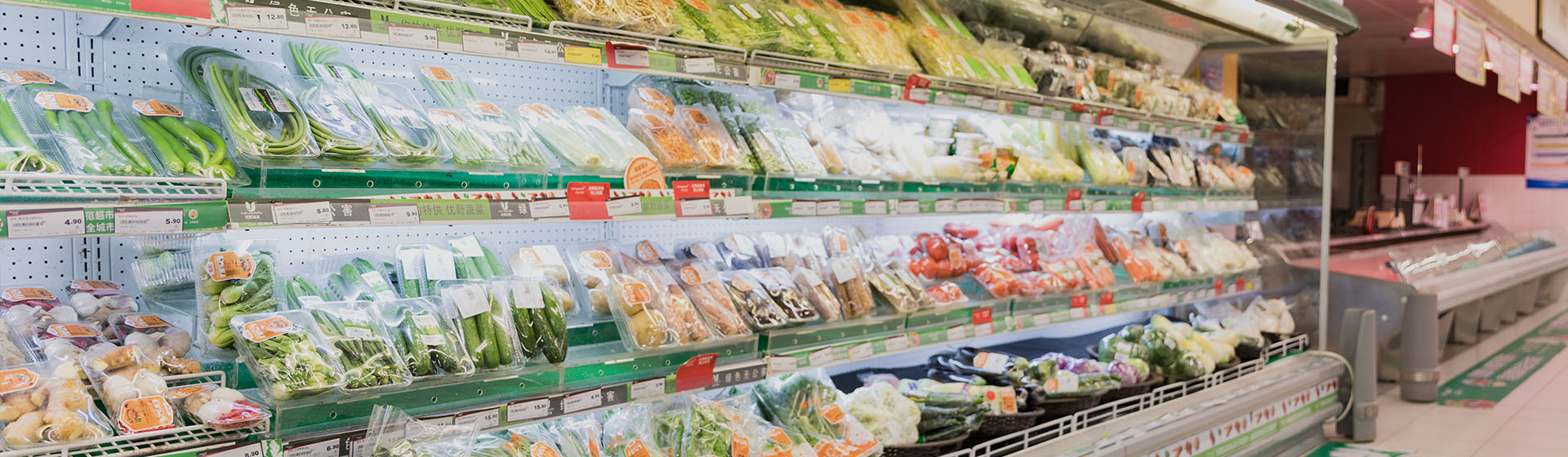
Seasonal changes can affect more than the products displayed in a retail store. They can also alter how much refrigerated space is needed, which items deserve the most visible positions, and how frequently staff need to replenish stock. A store may focus on bottled water and soft drinks during warmer months, then give more space to dairy products, chilled meals, or desserts at other times of the year. These shifts make refrigeration planning an ongoing task.
A PLUG-IN GLASS DOOR UPRIGHT FRIDGE can support this changing retail environment by combining refrigerated storage with visible product presentation. However, choosing suitable equipment requires more than considering its appearance or nominal capacity. Retailers should assess how seasonal product changes affect display arrangements, operating conditions, stock handling, and the use of available floor space.
Seasonal Product Changes Affect Refrigerated Display Requirements
The range of chilled products sold in a store often changes with customer demand and promotional schedules. During warm weather, beverages may occupy a larger share of the refrigerated display. Bottled water, juice, energy drinks, and soft drinks may need more front-facing space because customers often make quick, convenience-driven purchases. Popular sizes or brands may also need more facings to simplify replenishment.
At other times of the year, the product mix may become more varied. Dairy products, packaged desserts, chilled snacks, ready-to-eat meals, and specialty foods may require more display attention. Their package dimensions and storage instructions may differ from those of bottled products, so a layout designed mainly for bottles may not make the best use of the shelves.
Seasonal promotions can create shorter-term changes as well. A store might introduce limited-edition beverages, multipacks, or chilled products associated with holidays and local events. The display needs to accommodate these additions without making regular products difficult to find. Retailers should therefore consider both recurring demand and temporary promotions.
Match Cabinet Capacity to the Product Mix
A cabinet’s stated capacity does not automatically indicate how effectively it will accommodate a store’s assortment. The actual usable display area depends on shelf dimensions, product height, package shape, and the space needed for air circulation. A cabinet that holds many bottles may be less suitable for a mixed assortment containing tubs, cartons, trays, and irregularly shaped packages.
Before selecting a PLUG-IN GLASS DOOR UPRIGHT FRIDGE, retailers should review the products expected to occupy it throughout the year. Review the following points:
- Product dimensions: Compare the height, width, and depth of common packages with the available shelf space. Consider whether taller bottles or larger seasonal packs will need adjustable shelf positions.
- Assortment changes: Identify which categories expand or contract during different seasons, and check whether the cabinet can accommodate those changes without overcrowding.
- Display visibility: Arrange products so labels remain visible and customers can distinguish brands, flavors, and package sizes without moving other items.
- Restocking access: Leave enough practical space for staff to replenish products and rotate stock without repeatedly disrupting the display.
- Air circulation: Avoid planning a layout that blocks air outlets or packs products too tightly. Follow the equipment instructions for loading and shelf arrangement.
This review distinguishes nominal storage volume from useful merchandising capacity and reduces the risk of choosing equipment that only suits the current assortment.
Plan for Promotions Without Disrupting Everyday Products
Seasonal promotions can increase demand quickly, but promotional stock should not make the entire refrigerated section harder to navigate. If temporary products are placed wherever space is available, regular items may become hidden, product categories can become mixed, and staff may find it harder to monitor stock.
Instead, define areas for temporary products while keeping core categories consistent. For example, a store may reserve a clearly identified area for seasonal beverages or limited-time chilled desserts. When the promotion ends, the section can return to its regular category.
A PLUG-IN GLASS DOOR UPRIGHT FRIDGE can be useful in this context because it provides a self-contained refrigerated display that can be incorporated into a retail layout. Its suitability still depends on the store’s electrical supply, ventilation clearance, ambient conditions, and the manufacturer’s installation instructions. Retailers should confirm these requirements before positioning or relocating equipment, rather than assuming that a plug-in design can operate properly in any location.
Promotional planning should include stock quantities. Maximum loading can reduce visibility and interfere with airflow, so replenishment should reflect expected sales, delivery frequency, and product storage needs.
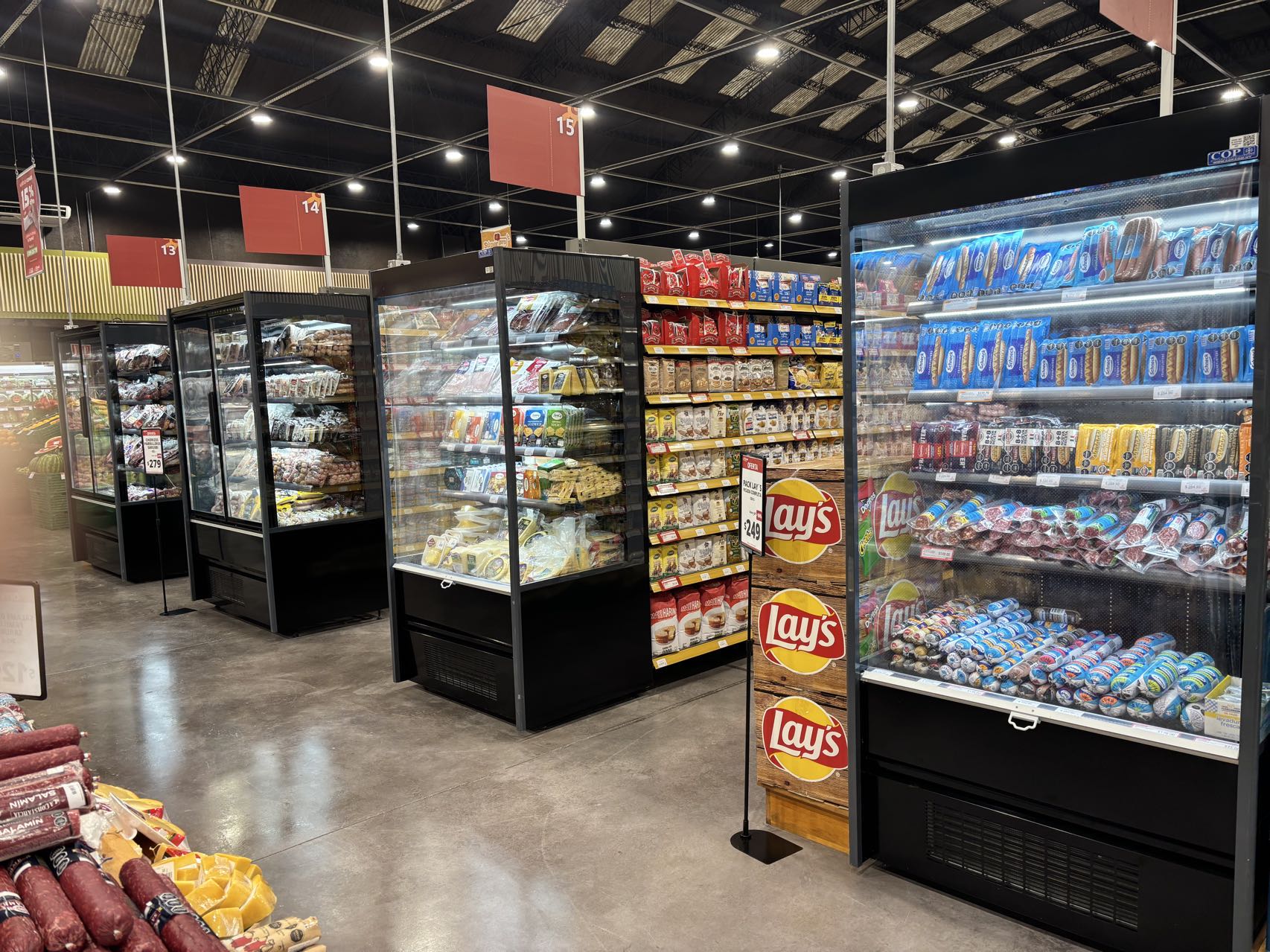
Consider Seasonal Operating Conditions
The surrounding environment can change throughout the year, and this may affect refrigeration performance. A cabinet placed near a sunny window, entrance, cooking area, or other heat source may face different operating conditions from one installed in a stable indoor location. During warmer periods, higher ambient temperatures can place additional demands on refrigeration equipment, while frequent door openings may allow more warm air to enter the cabinet.
Retailers should therefore evaluate the intended operating environment, not just the product range. Check the equipment’s specified ambient operating range and installation clearances. Keep ventilation areas unobstructed, avoid placing the cabinet directly beside heat-producing equipment, and follow the manufacturer’s guidance for cleaning and maintenance. These steps support more consistent operation across changing seasons.
The glass door also needs routine attention. Fingerprints, condensation, and dust can reduce product visibility, particularly when customers are making quick choices. Cleaning the glass and checking door seals help maintain a clear display and support proper cabinet operation. If doors do not close correctly or unusual temperature changes occur, staff should investigate promptly instead of compensating by repeatedly adjusting the product arrangement.
Consider Layout Flexibility and Daily Store Operations
Seasonal merchandising may require changes to the position of refrigerated equipment, especially in stores that reorganize promotional areas or adjust customer flow. A plug-in cabinet can offer more flexibility than a refrigeration system that depends on remote pipework, but moving it still requires planning. The power connection, ventilation space, floor condition, access for cleaning, and distance from heat sources must all be considered.
Consider how the cabinet fits into daily work. Staff need to replenish products, check dates, clean shelves, and monitor temperatures without obstructing customers. In a narrow aisle, a door’s opening direction and the space needed to access products may affect traffic flow. In a larger store, several cabinets may be arranged by category, but their placement should still provide clear customer routes and practical service access.
Selection should account for installation, loading, customer access, replenishment, cleaning, and seasonal layout changes—not just external dimensions or display capacity.
Build a Longer-Term Refrigeration Plan
Seasonal demand is repeated, so equipment decisions should support more than one busy period. Retailers can review sales records and promotional calendars to identify which categories regularly need additional space. They can then decide whether to adjust shelf layouts, change the product allocation between cabinets, or add a separate display for a specific category.
When evaluating a PLUG-IN GLASS DOOR UPRIGHT FRIDGE, consider whether its shelf configuration, usable capacity, operating range, and maintenance access suit both current and expected needs. Also review the availability of service support and replacement components, since routine upkeep is part of long-term equipment management.
Refrigeration solutions from providers such as Dashang Global can be considered when stores review equipment for changing product assortments and retail layouts. Matching cabinet configuration with product categories, operating conditions, and daily handling requirements helps create a more practical refrigerated display plan.
Conclusion
Seasonal product changes influence how retailers use refrigerated display space throughout the year. Beverage demand, chilled food assortments, promotional activity, and store layouts can all affect equipment requirements. Choosing a PLUG-IN GLASS DOOR UPRIGHT FRIDGE therefore involves assessing usable capacity, shelf flexibility, operating conditions, customer access, and replenishment needs. A cabinet selected around the store’s full seasonal cycle can support clearer product presentation and more consistent day-to-day management.
FAQs
1. Can a plug-in glass door upright fridge be used for different product categories?
It can accommodate different categories when the equipment’s operating specifications and the products’ storage requirements are compatible. Product groups should be organized clearly, and the cabinet should be loaded according to the manufacturer’s instructions.
2. Why should retailers consider seasonal demand before choosing a fridge?
Seasonal demand can change the quantity, dimensions, and types of products that need refrigeration. Planning ahead helps avoid insufficient shelf space or layouts that become difficult to manage during promotions.
3. Does a plug-in fridge need special installation conditions?
Yes. Retailers should check the required power supply, ventilation clearances, ambient operating range, floor position, and manufacturer installation guidance before use.
4. How can stores keep seasonal displays organized?
Set aside a defined area for temporary products, keep regular categories easy to identify, and plan replenishment and stock rotation. Review the arrangement when promotions begin or end.
Post time: Oct-30-2026


